The secret to keeping your engine clean internally between changes
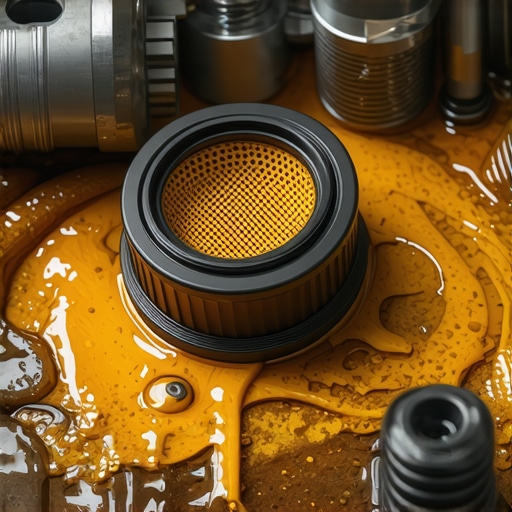
I stood in my driveway, grease smeared across my forehead, staring at a drain pan full of what looked like gritty molasses. My car only had 60,000 miles on it. I’d been diligent—or so I thought—changing the oil every time the little light on the dash flickered to life. But when I pulled the valve cover to replace a gasket, I saw the truth: a thick, black crust was slowly suffocating my engine. That was my ‘oh no’ moment. I realized that just swapping the fluid isn’t always enough to scrub the ‘insides’ of a high-performance machine. Today, I’m going to share the internal cleaning secrets I’ve learned from years of wrenching so you can avoid the heartbreak of a clogged oil gallery. [image placeholder]
My Costly Lesson in Engine Sludge
Early in my DIY days, I made the classic rookie mistake of thinking all oil filters were created equal. I’d grab the cheapest one on the shelf, thinking I was being frugal. It wasn’t until I sat down with an ASE certified pro that I learned how much damage I was actually doing. Cheap filters often lack the bypass valves or the filtration media needed to catch the microscopic soot that eventually turns into that engine-killing sludge. I learned the hard way that why regular oil changes extend your car’s lifespan isn’t just about the oil itself; it’s about the environment we create inside that metal block between those service dates.
Does This Extra Maintenance Actually Save You Money?
I get it. You’re busy, and the last thing you want to do is add another ‘to-do’ to your car care list. You might be wondering if obsessing over internal cleanliness is just a way for shops to upsell you on a car service you don’t really need. But here is the reality: according to the Car Care Council, nearly 80% of vehicles on the road have at least one unperformed maintenance item, which often leads to catastrophic failure down the road. Keeping things clean internally isn’t about fancy chemicals; it’s about preventing the ‘heart attack’ of your engine.
The Simple Habit That Keeps Gunk Out of Your Valvetrain
The real secret isn’t a miracle bottle from a gas station shelf. It starts with your driving habits. I used to take my truck on three-minute trips to the grocery store every single day. I didn’t realize those short bursts never let the oil reach a temperature high enough to burn off moisture. Now, I make sure to take a diagnostic drive once a week. Have you ever noticed your car feeling a bit sluggish or heard a weird tick after a month of short commutes? Drop a comment below—I’d love to hear if you’ve run into that same frustration. When you start paying attention to top oil change tips for safe driving in 2025, you realize that heat and flow are your best friends. If your oil gets contaminated with fuel or water, it stops protecting. This is especially true for modern engines; for example, why your engine oil smells like raw gasoline after a short trip is a huge red flag that your internal cleaning cycle is being interrupted.
Flush Out the Gunk Without Pulling the Head
To get those internal galleries clean, you have to think like a plumber. If you’ve inherited a vehicle with a questionable service history, the worst thing you can do is dump a harsh solvent in there and drive at highway speeds. I once saw a guy try this on an old sedan; the solvent broke loose a ‘shelf’ of sludge that instantly clogged the oil pickup tube. The engine starved for oil within three miles. Instead, use a gentle detergent-based flush and let the car idle. This slowly dissolves the varnish rather than breaking off large chunks. It’s the difference between a gentle rain and a flash flood. After the flush, you must know how to tell if your mechanic actually replaced the transmission filter or the oil filter, because that newly loosened grit is going straight to the media. If that filter isn’t fresh, you’re just circulating liquid sandpaper through your bearings.
Read Your Transmission Fluid Like a Forensics Expert
Your engine isn’t the only part that needs a deep clean. I’ve seen countless owners focus solely on the dipstick under the hood while ignoring the one for the gearbox. Transmission fluid is essentially a detergent-heavy hydraulic fluid that also acts as a coolant. When it turns from bright cherry red to a dark, muddy brown, it has lost its ability to hold contaminants in suspension. You need to understand what your transmission fluid color is trying to tell you before the heat-related friction starts welding your clutch packs together. I remember a truck that came into my garage shifting like a mule kicking a fence. One look at the burnt-smelling fluid told me the internal cleaning cycle had failed months ago. If you’re experiencing transmission troubles, a simple fluid exchange—not a high-pressure flush—is often the safest way to reintroduce detergents without blowing out old seals.
Stop Using Filters That Are Essentially Cardboard
The most important ‘step’ in internal cleaning is the one that happens 24/7: filtration. People often ask me why their car still looks dirty inside even with 3,000-mile changes. Usually, it’s because they are using sub-par filters. You have to learn how to spot a counterfeit oil filter before it ruins your turbo or your valvetrain. Some of these knock-offs look perfect on the outside but contain half the filtration media on the inside. When you realize the hidden cost of using non-oem oil filters on your turbo, you’ll never go back to the ‘bargain bin’ again. I’ve cut open filters that had collapsed internally, allowing unfiltered oil to bypass the media entirely. That’s like trying to clean your house with a vacuum that has a hole in the bag.
Take a Live Drive to Flush the Gremlins
Sometimes, the best internal cleaning happens under load. Once you’ve performed your oil change and checked your fluids, you need to get the car out on the open road. I’m a firm believer that why a live drive is the only way to catch intermittent engine hesitations is also the best way to ensure your cleaning additives are actually reaching the top of the head. High-velocity oil flow helps ‘sweep’ the passageways that idling simply can’t reach. It’s about getting the internal pressure high enough to force fresh, detergent-rich oil into the tightest tolerances of your lifters and cam phasers.People often assume that as long as they follow the maintenance light, their car is safe. But in my years under the lift, I’ve found that the biggest myth is the ‘sealed-for-life’ transmission. Manufacturers love this term because it lowers the ‘perceived cost of ownership’ for the first three years. However, high-heat environments and heavy loads cause fluid shear, where the molecules literally break apart. If you want to know the secret to getting 300000 miles out of a modern CVT or a traditional automatic, you have to ignore that ‘lifetime’ label and change the fluid. According to the American Petroleum Institute (API), oil and transmission fluid lose their protective chemical structure as they shear under extreme pressure, which is why the reason your transmission fluid turned brown in just six months is often due to heat-induced oxidation, regardless of what the manual says.
Don’t Fall for the ‘Sealed-for-Life’ Label
If you’re towing or driving in stop-and-go traffic, that fluid is working overtime. I once saw a heavy-duty truck fail because the owner followed the manual’s ‘normal’ schedule while doing ‘severe’ work. This is the mistake that kills transmissions during heavy mountain towing. To keep the internals clean, you need to match your service interval to your actual driving habits, not a generic pamphlet. This is where what does an ase certification mean for your cars maintenance becomes clear; a certified tech knows that ‘lifetime’ is a marketing term, not a mechanical reality.
Why Is Your Oil Level Rising Without You Adding a Drop?
This is a question that stumps even seasoned DIYers. If you pull the dipstick and find the level is higher than it was last month, don’t celebrate—you have a serious contamination problem. Usually, it means fuel or coolant is leaking into the crankcase. This is why your engine oil level is rising without you adding any, and it’s the fastest way to turn your lubricant into a corrosive sludge. When fuel dilutes the oil, it can no longer maintain the film strength needed to protect your bearings.
The Overfilling Trap That Fools the Pros
Here is a common ‘oops’ factor: thinking that if a little oil is good, more must be better. I’ve seen enthusiasts dump in an extra half-quart ‘just to be safe.’ This is a massive mistake. You have to understand the danger of overfilling your engine oil by just one quart; the crankshaft can actually whip the oil into a foam. This ‘aerated’ oil is full of air bubbles, and air is a terrible lubricant. It’s like trying to protect your engine with a bubble bath instead of oil. Have you ever been told your car has ‘lifetime’ fluid only to have a component fail later? Let me know in the comments—I want to hear how you handled it.
I learned early on that relying on a basic socket set and a dream isn’t enough when you’re aiming for that 300,000-mile club. To keep things running smoothly, you need to move beyond reactive maintenance and into the world of proactive diagnostics. This is where my obsession with data comes in. I don’t just wait for a check engine light; I use a bidirectional scan tool to monitor live data. By watching things like short-term fuel trims and transmission fluid temperatures in real-time, I can see a problem forming weeks before it leaves me stranded on the side of the road. This is precisely why a live drive is the only way to catch intermittent engine hesitations before they turn into a full-blown component failure.
My Go-To Tech for Catching Ghost Problems
If you want to treat your car like a professional would, you have to invest in a decent OBDII interface—and no, I don’t mean the five-dollar ones that only clear codes. I use a setup that allows me to graph data. Why? Because a sensor can stay within ‘acceptable’ limits but still be acting sluggishly. For instance, the intermittent transmission shudder that only surfaces during a live drive is often caused by a solenoid that is physically sticking but electronically ‘fine’ according to the car’s computer. Seeing the lag on a graph is the only way to prove it. I also keep a high-quality infrared thermometer in my box. It’s the fastest way to check for a dragging brake caliper or a partially clogged radiator without getting your hands dirty. These are the nuances that separate a weekend warrior from someone who truly understands what does an ase certification mean for your cars maintenance in a practical, real-world sense.
How do I maintain internal engine health over the next decade?
The secret is consistency and the refusal to cut corners on fluid quality. I’ve transitioned all my vehicles to high-quality full synthetics that meet the latest SAE International J300 standards, which focus heavily on shear stability. As engines get smaller and turbos get hotter, the oil is under more stress than ever. Looking ahead, I predict we will see a massive shift toward ‘condition-based’ maintenance rather than fixed mileage intervals. Even in the burgeoning EV market, the gear reduction boxes and battery cooling loops will require specialized fluid services. To hit those high-mileage goals, you need to ignore the marketing hype and stick to the science of lubrication. If you’re driving a newer car, learning the secret to getting 300000 miles out of a modern CVT often boils down to changing that fluid every 30,000 miles, regardless of what the dealer says. Always keep an eye on your levels, because knowing why your transmission fluid level is low but theres no puddle could save you from a four-thousand-dollar rebuild next year. My challenge to you: next time you’re on a long drive, use a scanner to check your transmission temperature. If it’s consistently over 200 degrees, it’s time to look into an auxiliary cooler or a fluid swap.
Lessons My Garage Floor Taught Me About Engine Gunk
Looking back at that molasses-colored oil in my driveway years ago, I realized three things that no owner’s manual ever explicitly states. First, the ‘maintenance light’ on your dash is a reminder, not a safety net; if you wait for it to glow every time, the varnish might already be forming. Second, your driving environment dictates your schedule more than a pamphlet does. If you’re idling in traffic or taking short trips, you’re in the ‘severe’ category. Finally, never underestimate the peace of mind that comes with knowing what does an ase certification mean for your cars maintenance—it’s the difference between a guess and a mechanical guarantee. I’ve learned that being proactive isn’t a chore; it’s a form of respect for the machine that carries your family.
My Personal Arsenal for a 300,000-Mile Machine
To keep my own vehicles running well beyond their expected lifespan, I rely on a few non-negotiables. I always keep a bidirectional scan tool in my trunk to watch for the intermittent transmission shudder that only surfaces during a live drive. I also swear by OEM filters, having seen firsthand how to spot a counterfeit oil filter before it ruins your turbo. For those driving newer technology, I highly recommend researching the secret to getting 300000 miles out of a modern CVT, as these units are incredibly sensitive to fluid cleanliness. Lastly, I keep a logbook of every service; documentation is the best tool for spotting patterns before they become failures.
The Long Road Ahead Starts With a Clean Crankcase
Taking care of your vehicle is about more than just preserving resale value; it’s about the freedom of knowing your car will start every single morning. When you commit to a high-quality oil change and stay vigilant about internal cleanliness, you aren’t just maintaining a machine—you’re protecting your time and your wallet. Don’t be afraid to ask your shop tough questions and verify their work, like how to tell if your mechanic actually replaced the transmission filter. Your car will thank you with hundreds of thousands of trouble-free miles and the reliability you deserve. Have you ever discovered sludge inside an engine you thought was well-maintained? Let me know in the comments below—I’d love to hear your story!