Why Your Transmission Fluid Level is Low but There’s No Puddle
Have you ever been halfway through a drive, feeling confident behind the wheel, only to realize your transmission fluid gauge is lower than it should be—yet no puddle or visible leak anywhere? I remember the first time this happened to me. I was convinced I’d have to shell out a bunch of cash for a costly repair, and honestly, it felt like a punch to the gut. But here’s the thing: cars are tricky little machines that often hide their problems, making us jump to conclusions.
Uncovering the Mystery of Low Transmission Fluid Without a Leak
In today’s post, I’ll share my personal experience and practical knowledge to help you understand why your transmission fluid level might be low—without the messy sign of a puddle underneath your car. Spoiler alert: it’s often not about a leak at all. That’s a common misconception I held early on, which led me down the wrong path. Instead, we’ll explore the real reasons behind fluid loss and what you can do about it, step by step.
Is a Leak the Only Culprit? Not Always, My Friend!
Early in my car maintenance journey, I made the mistake of assuming that if I didn’t see fluid on the ground, my transmission was safe. Turns out, many issues can cause fluid levels to drop internally—like worn seals or minor slips—without a single leak on your driveway. Studies have shown that seals and gaskets can deteriorate over time, leading to internal leaks that are hidden from sight. I found this out the hard way, and once I understood how these internal issues worked, I felt more confident tackling my car’s health instead of panicking every time I checked the fluid.
If you’ve faced the frustration of a low transmission fluid indicator with no puddle below, you’re not alone. Many car owners are unaware of these sneaky internal problems. That’s why diagnosing the cause accurately is crucial. And don’t worry—there are straightforward steps to figure out if you’re dealing with a minor fix or something more serious.
Before we jump into action, it’s wise to understand why proper maintenance and early detection matter. Regularly checking your transmission fluid (and knowing what to look for) can prevent costly repairs down the line. Plus, ensuring your vehicle remains reliable helps you avoid those unexpected breakdowns that leave you stranded. For a deeper dive into maintenance tips, check out [Why Regular Oil Changes Extend Your Car’s Lifespan](https://autofixclinic.com/why-regular-oil-changes-extend-your-cars-lifespan).
If this sounds familiar, or if you’re just curious about the hidden issues that can sap your transmission fluid, stick with me. In the next sections, I’ll walk you through practical steps to diagnose and address the problem, saving you time and money—and maybe a little headache along the way. Ready to become your own car’s best advocate? Let’s get started.
Check Your Fluid Level Properly
Start by ensuring your car is on a level surface and the engine is warm but off. Use the transmission dipstick—often labeled—and pull it out, wiping it clean with a lint-free cloth. Reinsert it fully, then pull it out again to read the level. A low reading indicates fluid loss, but the cause isn’t always a leak. I remember once checking mine and realizing the fluid was just below the ‘Full’ mark. This simple step can save you from unnecessary panic and set the stage for deeper diagnosis.
Inspect for Hidden Leaks
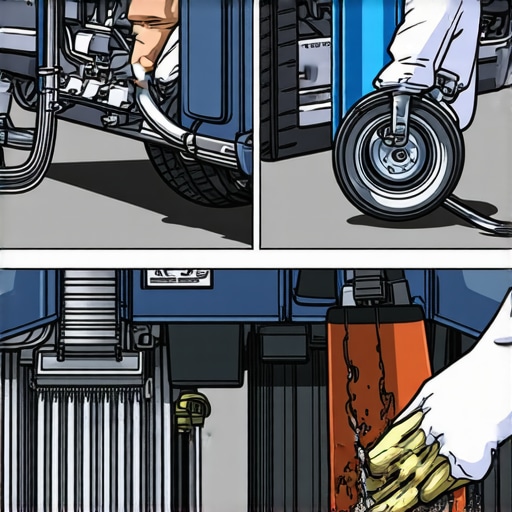
Next, look underneath your vehicle for signs of fresh fluid or stains. While no puddles might be present, small drips or stains can be easily overlooked. Use a flashlight if needed and check around the transmission pan, cooler lines, and seals. Remember, some internal leaks occur due to worn seals or gaskets—these are invisible externally but still cause pressure loss. Once, I noticed a slight oily residue on the assembly that wasn’t dripping but indicated a minor seal issue. Recognizing these signs early is key.
Perform a Visual and Mechanical Inspection
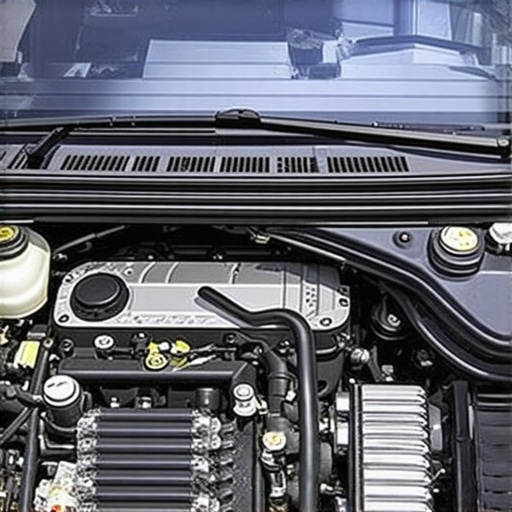
Moving to the engine bay, examine the transmission components. Look for cracked or swollen seals, damaged hoses, or loose connections. If you’re comfortable, listen for whining noises when shifting—these often hint at internal issues. I once tightend loose cooler line clamps and eliminated a slow fluid loss. Taking the time for a thorough visual inspection can prevent costly repairs down the line.
Use a Transmission Pressure Test
For a definitive diagnosis, you’ll need a pressure gauge connected to the transmission’s test port. This step is best left to ASE-certified technicians, but if you’re experienced, ensure the engine runs and the transmission is in gear. Compare the readings to your vehicle’s specifications, which are available in service manuals or from the manufacturer. A pressure that’s too low despite adequate fluid levels indicates internal wear. I consulted a professional who performed this test after I suspected internal damage; their insights helped pinpoint the problem.
Schedule a Professional Inspection
If you’re unsure or suspect internal issues, don’t hesitate to contact a qualified mechanic at AutoFixClinic. An ASE-certified technician can perform advanced diagnostics, including internal leak detection and component testing. Remember, internal leaks often go unnoticed without proper equipment, leading to more serious problems if neglected. Trusting professionals with the right tools can save you money and extend your vehicle’s lifespan.
Preventative Maintenance
Finally, keep up with regular transmission service, including fluid changes and filter replacements, as suggested in this guide. Consistent maintenance prevents internal wear and preserves fluid integrity, reducing the risk of mysterious fluid loss. I learned the hard way that neglecting scheduled checks can turn a minor issue into costly repairs — so stay proactive, and your transmission will thank you.
Many car owners operate under myths or misconceptions that can lead to costly mistakes. One common trap is believing that simply following a routine oil change schedule is enough to keep your engine healthy. While regular oil changes are undeniably essential, the nuances of proper maintenance aren’t always obvious. For example, selecting the right oil type, viscosity, and oil filter specifically suited to your vehicle can significantly impact engine longevity. Skipping these details can result in accelerated wear or engine sludge, which many assume is merely cosmetic but actually affects performance.
Are All ASE Certified Technicians Equally Skilled?
The term ASE-certified is often touted as a mark of excellence, but in my experience, not all certifications are equal. Some technicians might have passed basic tests, while others possess advanced expertise in specific fields like transmission or engine repair. The key is understanding that ASE certification is a baseline, not a guarantee of perfection. Asking about a technician’s specialization and ongoing training is crucial. When I needed complex transmission diagnostics, I found that technicians with additional manufacturer-specific certifications delivered more accurate and durable repairs.
Beware the trap of assuming a mechanic with a shiny shop or high Google ratings is automatically qualified. Proper evaluation involves asking for certifications, experience, and references. Additionally, I recommend checking whether the shop invests in continuous training, such as courses in the latest vehicle technologies, which are often outside standard ASE requirements. This ongoing education ensures your vehicle benefits from the most current diagnostic and repair techniques—especially vital as automotive technology rapidly evolves towards electrification and hybrid systems.
Taking these nuances into account helps prevent premature repairs and extends your vehicle’s lifespan, aligning with expert advice. For instance, regular oil changes combined with proper filter selection can delay engine sludge buildup, but only if performed by skilled technicians aware of the specifics of your vehicle model. Being informed and asking the right questions ensures your car’s maintenance surpasses basic expectations and truly benefits from professional expertise.
Have you ever fallen into this trap? Let me know in the comments. Remember, understanding these hidden nuances empowers you to make smarter decisions and avoid costly pitfalls down the road.
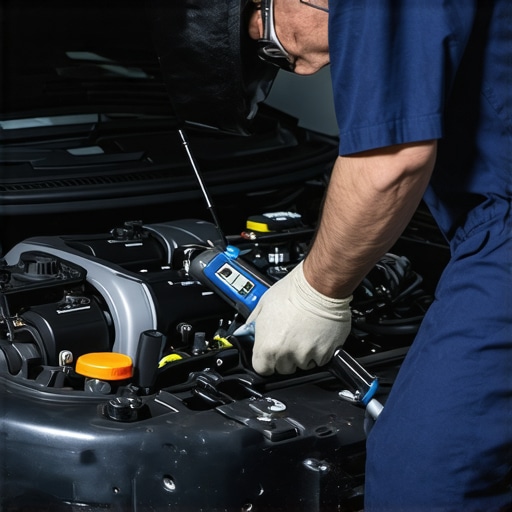
Investing in Proven Equipment and Systematic Maintenance
To keep your vehicle running smoothly over the years, having the right tools and a consistent maintenance routine is essential. I recommend equipping your garage with a high-quality automotive scan tool like the Autel MaxiSys MS908s, which I personally use to run comprehensive diagnostics on both simple and complex systems. This device provides real-time data and can help identify issues before they become costly repairs, especially in transmission diagnostics, which often require precise troubleshooting. Additionally, using a good pressure gauge for transmission pressure tests helps me confirm internal system health confidently, rather than relying solely on visual inspections.
Complement these tools with a quality fluid extractor, such as the Aero 8L-16, for efficient oil and fluid changes, ensuring your transmission and engine fluids are maintained without mess or guesswork. I prefer something durable and easy to use, which allows me to perform maintenance in my driveway, saving time and money. Regularly scheduled oil and transmission fluid changes, guided by detailed tips found here, are vital for long-term performance. Consistency with these routines underpins the vehicle’s operational integrity and helps prevent internal wear and failures.
Implementing software management tools like the AutoFluent Fleet Management System streamlines maintenance records, ensuring that service intervals are never missed and that all repairs are documented. This continuous tracking is especially helpful as vehicles age, allowing you to identify recurring issues early and plan proactive maintenance. The future of vehicle maintenance will increasingly rely on integrated diagnostic platforms that combine hardware and software for real-time health monitoring, making it even easier to keep a car in top shape.
How to Keep Tools and Maintenance Practices Effective Long-Term
Maintaining your tools’ calibration and keeping proper records ensures their reliability over time. For instance, regularly calibrating your pressure gauges and updating diagnostic software keeps the information accurate, preventing misdiagnosis or overlooked issues. I also recommend following manufacturer-recommended service procedures, which can often be found in detailed repair manuals or through trusted online resources. Staying current with service technology, such as high-pressure transmission flush machines rather than traditional flushing methods, ensures that your maintenance efforts are aligned with the latest industry standards.
Continuing education plays a crucial role. Learning from ASE-certified technicians (see here) and attending specialized workshops helps you understand emerging trends like electrification and hybrid systems, which will dominate future car maintenance. Incorporate these insights to adapt your maintenance routine, ensuring it’s both comprehensive and forward-looking.
If you’re ready to take your vehicle maintenance to the next level, start by investing in a diagnostics platform like the MaxiScan MS908s. Testing your transmission pressure and analyzing live data can reveal issues weeks before symptoms manifest. These proactive steps not only extend your car’s lifespan but also give you confidence when handling minor repairs yourself or communicating effectively with professional mechanics. Remember, consistent and informed maintenance is the key to keeping your vehicle reliable for years to come.
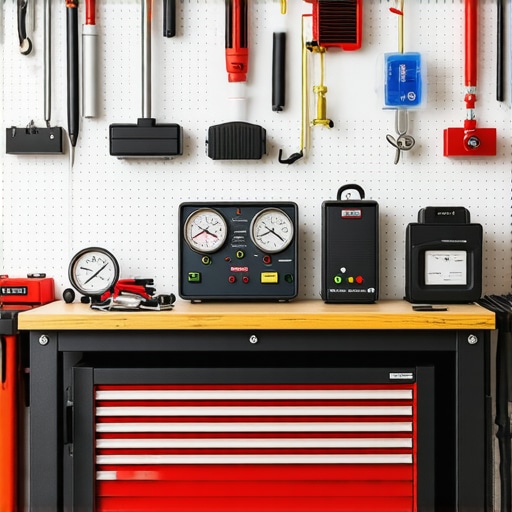
Proper maintenance isn’t just about tools—it’s about developing a systematic approach that evolves with your vehicle. The tools I rely on, like advanced diagnostic scanners and quality fluids, help me spot potential issues early. Staying ahead with regular checks, software updates, and professional consultations ensures your car stays in optimal condition long-term. Want to learn more about maintaining your car’s health? Check out this guide for selecting the right service schedule tailored to your vehicle’s needs. Taking these steps now can save you significant money and stress in the future.
Lessons from My Transmission Troubles
- I realized that internal seal deterioration can silently sap your transmission fluid without a single drip outside—this taught me the importance of proactive inspections over assumptions.
- Having invested in a professional pressure test, I learned that genuine diagnostics often require specialized tools, emphasizing the value of trusting skilled ASE-certified technicians.
- My biggest lightbulb moment was understanding that regular maintenance, like fluid changes, isn’t just preventive—it’s a way to catch sneaky internal issues early before they escalate.
- Experimenting with advanced tools, I discovered that investing in quality equipment for my garage can empower me to handle small problems myself, saving time and money.
- Finally, I learned that staying informed about automotive systems transforms maintenance from a chore into a smart investment—giving me confidence on the road and peace of mind at home.
Tools and Resources I Trust for Car Care
- Autel MaxiSys MS908s: This diagnostic scanner provides comprehensive insights into complex systems, offering clarity that traditional methods can’t match.
- Pressure Gauges for Transmissions: Reliable tools like the Aero 8L-16 help verify internal pressure, bridging the gap between theory and real-world diagnostics.
- Online Maintenance Guides: Resources such as the detailed articles on regular oil changes keep me updated with current best practices.
- Professional Certifications: Trusting ASE-certified technicians is my top priority—knowing they have proven expertise makes all the difference, especially for internal transmission issues.
Embrace the Drive With Confidence
Understanding the nuances of transmission health and internal fluid loss helps you approach vehicle maintenance with confidence. Don’t wait for visible puddles—be proactive with inspections, diagnostics, and professional support. Your car’s smooth performance depends on your knowledge and readiness. Take charge today, and enjoy trouble-free drives tomorrow.
Have you ever suspected an internal transmission issue without obvious leaks? Share your experience below—I’d love to hear how you handled it or what you learned along the way.