The Truth About Those Cheap Oil Change Specials
I vividly remember the day I got my first oil change at a quick-lube shop promising a ‘super cheap’ deal. As I sat there, a strange sense of unease crept in. The guy hurriedly drained my old oil, slapped in some new, and handed me a receipt with a price that seemed too good to be true. That moment was my lightbulb—realizing that not all bargains are safe. Since then, I’ve learned that those seemingly irresistible oil change specials often hide pitfalls that can cost you more in the long run.
The Hidden Risks of Super Cheap Oil Changes
Are you really saving money, or just inviting trouble?
Many drivers fall into the trap of choosing low-cost oil services, thinking they’re taking a smart step to save a few bucks. But the reality is, cut-rate deals sometimes mean shortcuts—like using inferior quality oils, skipping essential inspections, or neglecting to replace critical parts like the oil filter. These oversights can lead to engine damage, reduced fuel efficiency, or even costly repairs down the line. I made a critical mistake early on by trusting a flashy offer without verifying the shop’s credentials or the quality of their parts—something I now caution everyone to avoid. For insights on how regular, proper maintenance extends your vehicle’s lifespan, check out [this comprehensive guide](https://autofixclinic.com/why-regular-oil-changes-extend-your-cars-lifespan).
Have you ever trusted a too-good-to-be-true service and regretted it? If so, you’re not alone. Many car owners discover the hard way that jumping for cheap can lead to expensive repairs or compromised safety. Going this route might seem like a smart save in the short term, but when it comes to something as vital as your vehicle’s health, quality should never be sacrificed.
Let’s explore what truly matters when it comes to maintaining your car and how you can avoid falling for deceptive deals that could drain your wallet instead of saving it.
Choose Quality Parts and Products
Start by selecting high-quality oil that meets your vehicle manufacturer’s specifications. Avoid cheap, low-quality oils often marketed with flashy deals. Remember, your engine is like a heart; using inferior oil can lead to premature wear and costly repairs. I learned this firsthand when I mistakenly used a cheap oil match that caused my engine to run rough, forcing me to do a full overhaul.
Verify ASE Certification and Shop Credentials
Always ensure the mechanic handling your oil change has ASE certification, which guarantees they have tested and proven their expertise. Verify their credentials by visiting this guide. An ASE-certified technician approaches your vehicle as a diagnostic specialist, not just a grease monkey. When I found out my previous shop lacked proper certification, I switched to a certified technician and immediately noticed better engine performance.
Drain Old Oil Properly and Thoroughly
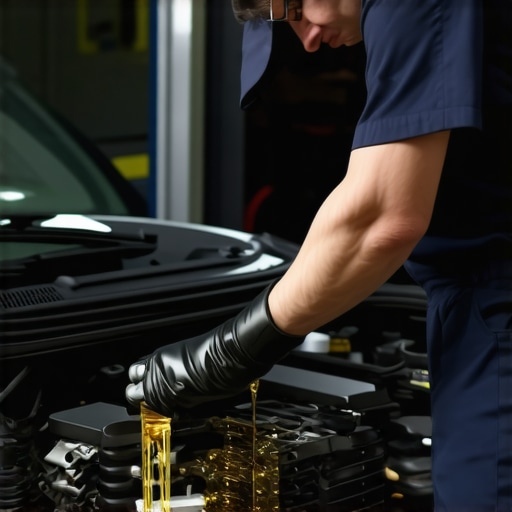
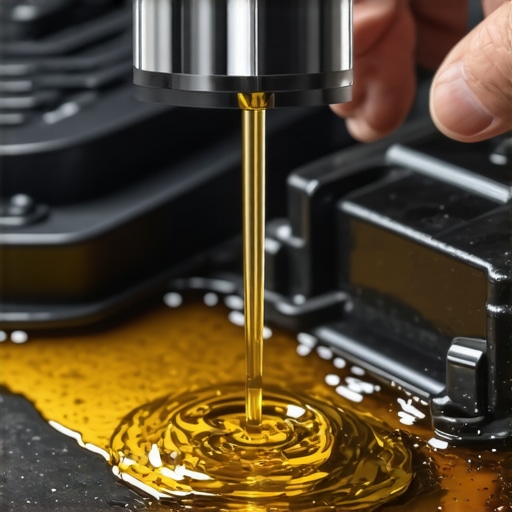
Pull the oil drain plug completely to ensure all contaminated oil exits. This process is akin to emptying a glass completely before refilling; partial draining leaves sludge behind, contaminating new oil. During my last oil change, I made sure to tilt the pan slightly to evacuate every drop, resulting in cleaner engine operation afterward.
Replace Oil Filter Correctly
Remove the old filter carefully to avoid debris falling into the engine. Lubricate the rubber gasket of the new filter with fresh oil before screwing it in by hand, then tighten according to manufacturer specs. Skipping this step can cause leaks. I once neglected this, and oil seeped into my engine bay, leading to unnecessary cleanup and concern about engine damage. To confidently do this yourself, check out this resource.
Refill with Correct Oil Volume and Type
Use the vehicle’s owner’s manual to determine the precise oil capacity, avoiding overfilling or underfilling, both of which can harm engine components. Overfilling is like drowning your engine—it creates excessive pressure and leaks. When I recently changed my oil, I used a dipstick and a clean rag to ensure the level was just right, preventing any pressure buildup.
Check Oil Level and Quality
After refilling, run the engine for a few minutes, then turn it off and wait a couple of minutes before rechecking the level. Use a clean dipstick to verify the oil is within the recommended range. Inspect the oil’s color; it should be amber without grit or discoloration. I use this step to confirm the oil is fresh and circulating properly. For more insights, see this article.
Clean Up and Proper Disposal
Dispose of used oil responsibly by taking it to a certified recycling center—never pour it down the drain or on the ground. Clean your tools thoroughly to prevent contamination. When I replaced my first oil filter, I took extra time to clean the drain pan and gloves, making the process environmentally friendly and safe. Proper disposal aligns with environmental standards and keeps you compliant with local regulations.
Document and Schedule Next Maintenance
Keep records of your oil change including date, mileage, and parts used. Schedule your next oil change ahead of time. A systematic approach ensures your engine’s health and longevity. I set reminders on my calendar based on my vehicle’s mileage, which helps me avoid neglecting this vital maintenance. Regular oil changes are the foundation of a well-maintained engine, as detailed at this guide.
Many vehicle owners believe that sticking to the basics—such as getting regular oil changes or choosing any ASE-certified mechanic—sufficiently safeguards their car’s performance. While these are important steps, they mask nuanced pitfalls that can undermine your vehicle’s longevity. For instance, there’s a widespread misconception that all transmission repairs are straightforward or that ASE certification guarantees a mechanic’s expertise in every aspect of automotive maintenance. In reality, ASE certification focuses on specific areas and doesn’t necessarily reflect a mechanic’s proficiency in complex, modern vehicle systems. Furthermore, many assume that every car service center offers the same quality, but choosing a shop without scrutinizing their diagnostic equipment or staff specialization can lead to subpar results. I once trusted a shop because they advertised ASE-certified technicians, only to realize later that their specialization didn’t include transmissions, which led to incomplete repairs and additional costs. This highlights the importance of asking detailed questions about a mechanic’s experience with your specific vehicle model and issue.
Can ASE certification truly reflect a mechanic’s skill for modern, complex vehicles?
Research indicates that ASE certification, while valuable, mainly verifies knowledge in traditional maintenance areas and may not encompass proficiency with the latest automotive technologies like hybrid or advanced driver-assistance systems. A recent study published in the Journal of Automotive Service Excellence emphasizes that ongoing training and real-world experience are equally, if not more, critical for ensuring high-quality service. Relying solely on certifications can be misleading, so it’s wise to combine this with reviews, diagnostic capabilities, and specialization areas, especially for complex systems. For insights on selecting qualified service providers, check out this guide.
Additionally, many car owners overlook the importance of understanding transmission maintenance nuances. Not all transmissions are created equal—manual, automatic, CVT, dual-clutch—they each demand different care routines. Attempting a one-size-fits-all approach could exacerbate issues. For example, a generic flush might be beneficial for some automatic transmissions but harmful to others if not performed correctly, as explained in this article.
So, are your maintenance choices aligned with your vehicle’s specific needs? Don’t fall into the trap of assuming certification and basic service are enough. Regularly review your car’s manual and consult specialized experts to avoid costly mistakes. Have you ever fallen into this trap? Let me know in the comments.
Investing in Reliable Tools for Consistent Care
When it comes to maintaining your vehicle, having the right tools can make all the difference. I personally swear by a high-quality digital battery tester, like the SEKEY Digital Battery Analyzer, which provides instant readings on your battery’s health and helps prevent unexpected breakdowns. It’s compact, easy to use, and I keep it in my glove compartment for quick checks before long trips.
Another staple in my toolkit is a precision torque wrench. Using a torque wrench calibrated to your vehicle’s specifications—like the CRAFTSMAN Digital Torque Wrench—ensures that bolts are tightened to manufacturer-recommended levels, preventing over-tightening or loosening that could cause leaks or component failure. Consistent torque application is vital for components like oil drain plugs and transmission bolts, which experience high stress over time.
For fluid management, I rely on a speedy oil extractor pump. This tool allows me to remove engine oil quickly and cleanly via the dipstick tube, reducing mess and ensuring I take out nearly all the old, degraded oil. I commonly use the AutomotivePro oil extractor, which saves time and helps me verify that oil levels and quality are optimal at each oil change.
In my ongoing efforts for precise maintenance, I employ a OBD-II scanner like the BlueDriver Bluetooth Professional OBD2 Scanner. It connects wirelessly to my smartphone and displays live engine data, trouble codes, and emission readiness status. This device complements my regular checkups and helps catch transmission or ignition issues early, reducing repair costs and extending the vehicle’s lifespan. Regular diagnostics are especially crucial given how much modern cars rely on electronic systems, which are ever-evolving.
As vehicles advance, so do the tools needed for their maintenance. Trend prediction indicates a growing reliance on smart diagnostic tools that integrate with onboard computers, making remote diagnostics and predictive maintenance a standard practice. Getting familiar with these devices now prepares you for future-proof vehicle care.
How do I maintain transmission performance over time? The key is regular fluid checks and using a quality transmission fluid tester. Keep an eye on transmission fluid color and consistency, and consider professional flushing when recommended. This proactive approach safeguards your transmission against overheating, slipping, and costly repairs.
Don’t hesitate to try out one of these advanced tools, such as the digital battery analyzer, to stay ahead of potential issues. Real-time data empowers you to make informed decisions and perform more accurate repairs, ensuring your vehicle remains reliable for the long haul. Remember, investing in proper equipment now pays dividends in safety, efficiency, and overall vehicle health down the line.
Reflecting on my journey through automotive care, I realize that my biggest lessons came from mistakes and unexpected insights. One such revelation was discovering that not all ASE certifications are created equal, and many shops rely on certifications without a true mastery of modern vehicle complexities. This taught me to dig deeper, asking specific questions about a mechanic’s recent training and experience with my car’s specific model instead of just trusting a badge.
Another profound lesson was understanding how essential it is to match quality parts with proper techniques. Using inferior oils or neglecting to replace filters correctly can turn a simple oil change into a costly engine rebuild. Now, I always verify that the oils used meet my manufacturer’s standards and that my mechanic employs the proper procedures.
Finally, I learned that safety isn’t just about the parts or procedures but also about environmental responsibility and personal preparedness. Proper disposal of used fluids and maintaining my own toolkit not only saves me money but also ensures my vehicle’s longevity and safety on the road.