What Your Transmission Fluid Color is Trying to Tell You
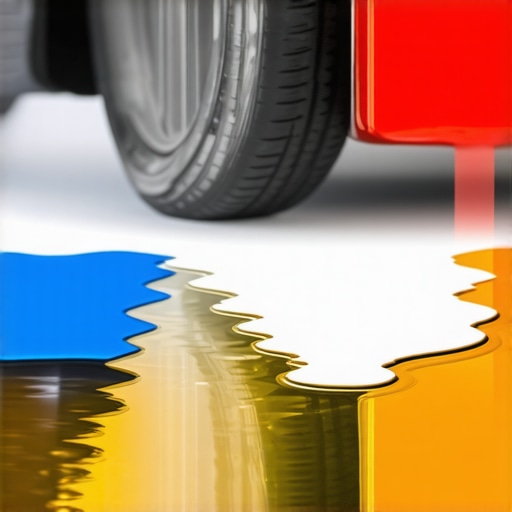
I remember standing in my driveway at 6 AM, coffee in hand, staring at a puddle under my truck that looked like a crime scene. I thought it was oil. I was wrong. I wiped it with a paper towel and saw a muddy, burnt-looking mess that looked more like old coffee than the vibrant red I was expecting. It took me a few minutes of frantic searching to realize that my transmission was screaming for help through its color. If you have ever felt that pit in your stomach while looking at a leak, you are not alone. Today, we are going to decode that rainbow under your car so you do not end up stranded on the shoulder of the highway. We will break down exactly what each shade means and when you need to run to a shop.
Your Dipstick Functions Like a Crystal Ball
Your transmission is a complex beast, and the fluid inside does more than just lubricate; it is a vital messenger. When I first started working on my own cars, I made the expensive mistake of thinking darker was just older. I ignored a deep brown hue in my old sedan for months, thinking I could stretch it until the next car service. That mistake cost me a three-thousand-dollar rebuild because I ignored the signs of internal friction. According to the Car Care Council, nearly 70% of transmission failures are caused by fluid degradation that could have been caught during a simple inspection. Knowing the difference between healthy red and ‘you are about to be walking’ black is the most valuable skill you can have. It is about more than just transmission troubles; it is about preventing a total mechanical meltdown before it starts.
Is a simple visual check really enough to save an engine?
Some folks will tell you that as long as the car shifts smoothly, the fluid is fine. They are dead wrong. Looking at the color isn’t some old wives’ tale; it is a direct window into the health of your internal clutches and gears. If you see fluid that turned brown in just six months, something is generating lethal levels of heat inside that metal casing. Have you ever pulled the dipstick and felt like you were looking at something that belonged in a trash can? If you have, I want to hear about it—did you fix it in time or did the car give up the ghost? Whether you are consulting an ASE certified pro or checking it yourself, this visual guide is your first line of defense against a dead car. We are going to dive into the specific colors next, starting with the one that means you are safe.
Perform a Perfect Fluid Check Every Time
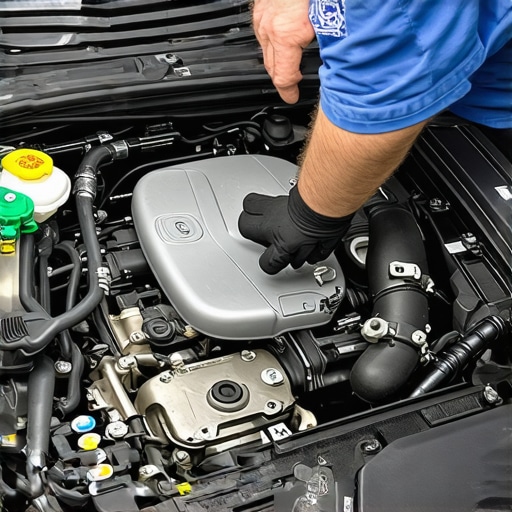
Checking your transmission fluid is not like checking your engine oil. With an oil change, you want the engine off and cool. For your transmission, you usually need the engine running and at operating temperature. I once checked my old Ford while it was cold and off, and the reading was so high I thought I’d overfilled it. I drained a quart, drove to work, and nearly burned out my clutches because the level was actually too low once the fluid expanded. Always check your manual, but the standard is to park on a level surface, cycle through the gears slowly, and then check the stick while idling in park. This ensures the fluid has circulated through the torque converter and valve body, giving you a true reading of the volume.
Why Level Ground is Non-Negotiable
If your driveway has even a slight incline, your reading will be garbage. It is like trying to measure how much water is in a tilted glass—you will get a false reading every time. This simple mistake leads to many people frantically searching for why your transmission fluid level is low but theres no puddle when the reality is just a bad parking spot.
Decode the Liquid Rainbow
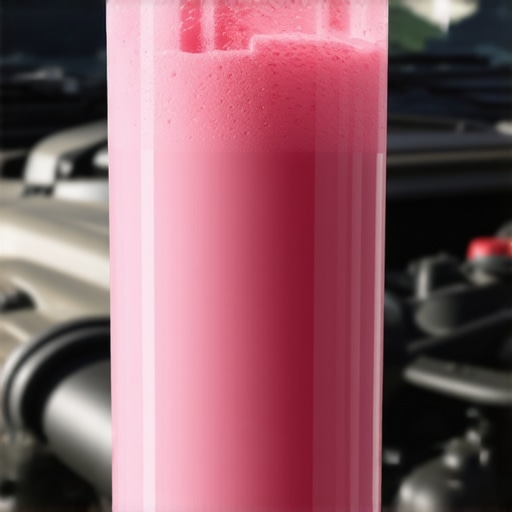
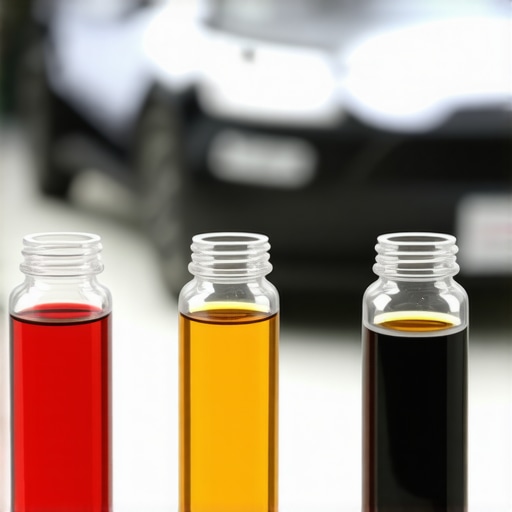
Healthy transmission fluid is a translucent, cherry red. It should look like something you would find in a fruit punch bowl, not a sewer. If yours is clear and bright, your cooling system is doing its job and the additives are still active. 
When the Red Turns to Rust
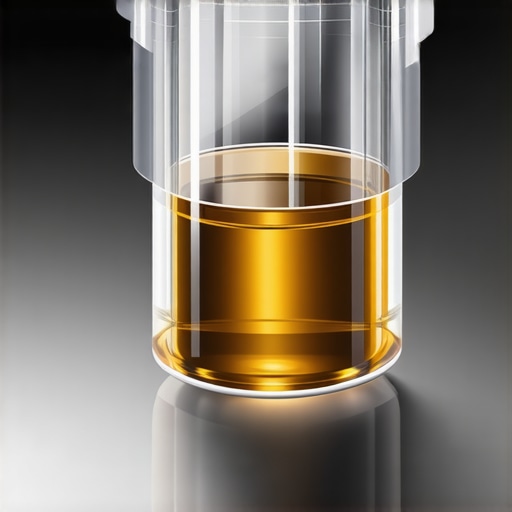
When that red starts fading into a light brown or tan, you are in the warning zone. I saw this on a friend’s SUV last summer. We realized the reason your transmission fluid turned brown in just six months was that he was towing a heavy boat through the mountains without an auxiliary cooler. The fluid had literally cooked. It still functioned, but it had lost its viscosity and its ability to protect the delicate internal metal components.
The Point of No Return: Black and Burnt
If you pull that stick and it looks like dark molasses or smells like burnt toast, you have a serious problem. At this stage, the fluid is full of microscopic pieces of your clutch packs and metal shavings. This is often the point where you need to figure out how to tell if your transmission slip is mechanical or electronic. If it smells burnt, it is almost certainly a mechanical failure of the friction material.
Don’t Fall for the ‘Flush’ Trap Without a Filter Check
Many quick-lube places will offer a flush where they just pump new fluid through. If your fluid is dark, a flush can actually be dangerous because the high pressure can dislodge gunk and clog the small passages in your valve body. You need a full car service that includes dropping the pan and cleaning the magnets. This is where you have to be vigilant and know how to tell if your mechanic actually replaced the transmission filter. A new filter is the only way to ensure those metal shavings aren’t just getting recirculated back into the gears. Understanding what does an ase certification mean for your cars maintenance can help you pick a shop that won’t take these dangerous shortcuts. Professionals who carry that credential are trained to know that a dark-fluid situation requires a methodical inspection, not just a quick top-off.Most manufacturers today will tell you that your transmission fluid is ‘lifetime,’ meaning you never have to change it. In my experience, ‘lifetime’ is just code for ‘until the warranty expires.’ If you plan on keeping your car past 100,000 miles, that fluid is absolutely a service item. I have seen hundreds of ‘sealed’ units fail prematurely because owners took the manual literally. A study by the Society of Automotive Engineers (SAE) confirms that even the most advanced synthetic fluids begin to shear and lose their protective properties under extreme thermal stress. This is exactly why choosing the right car service for your vehicles needs involves looking past the marketing fluff.
Can your oil level actually increase without you adding a drop?
It sounds like a miracle, but it is actually a nightmare. If you check your dipstick and see more fluid than the last time, you aren’t gaining oil; you are losing engine life. This usually happens when fuel leaks past the piston rings, often during short trips in cold weather. This dilution destroys the oil’s ability to lubricate, making why regular oil changes extend your cars lifespan a much more complex topic than just ‘cleaning the engine.’ If your engine oil level is rising without you adding any, stop driving immediately. It is a trap that many drivers miss because they only look for low levels, not high ones.
Why a Badge on the Wall Isn’t a Guarantee
We all look for that blue and white seal, but here is the nuance: an ASE certification is only as good as the technician’s specific area of study. A guy can be certified in brakes and suspension but have no clue how to rebuild a modern 10-speed transmission. Don’t be afraid to ask which certifications the lead tech actually holds. You also need to know how to spot a fake ase certification at a local shop, as some shady places hang old or unearned signs to lure you in. Genuine what does an ase certification mean for your cars maintenance isn’t just about the logo; it’s about the ongoing testing the tech undergoes. The biggest ‘oops’ I see with modern DIYers is ignoring the filter because it’s ‘too hard to reach.’ On some newer cars, the transmission filter is integrated into the pan or buried deep. Skipping it is like taking a shower and putting your dirty clothes back on. Also, be wary of the hidden cost of using non-oem oil filters on your turbo. If the bypass valve pressure is slightly off, you could be starving your turbo of oil on every cold start. Following top oil change tips for safe driving in 2025 means being precise with your parts, not just your timing. Have you ever been told your fluid was ‘lifetime’ only to have the transmission fail later? Let me know in the comments.If you want to move beyond just looking at dipstick colors, you need to start looking at real-time data. I used to think a basic code reader was enough, but modern systems are far more communicative than we give them credit for. If you are serious about DIY or even just want to hold your shop accountable, you need a bidirectional scan tool. This isn’t just about reading a check engine light; it is about seeing exactly how your solenoids are performing while you drive. For instance, knowing why-viper-tools-are-the-only-way-to-reset-your-cars-steering-angle-sensor or recalibrate a transmission control module after a fluid swap can save you from a car that feels ‘off’ even with fresh fluid. In my own garage, I switched to using a tool that allows for a live drive-along. According to the Automatic Transmission Rebuilders Association (ATRA) technical manual, over 90% of modern ‘shifting’ issues are actually software or solenoid-timing related rather than a total mechanical failure. By watching the ‘slip-ratio’ on a scanner, you can catch a failing part months before it leaves you on a tow truck.
How do I keep my transmission healthy for the next decade?
The secret isn’t just a regular car service; it is heat management. Heat is the absolute killer of automatic transmissions. If you live in a hilly area or do any towing, I highly recommend installing an auxiliary transmission cooler. It is a small investment that can easily double the life of your fluid. When I started doing this, I saw my operating temperatures drop by 30 degrees, which is the difference between fluid that lasts 100,000 miles and fluid that burns up in 30,000. This is especially critical if you want to learn the-secret-to-getting-300000-miles-out-of-a-modern-cvt, as those units are even more sensitive to thermal stress than traditional geared automatics.
Build a Paper Trail That Saves You Thousands
Whether you manage a single van or a whole fleet, documentation is your best friend. I have seen cars with 200,000 miles sell for top dollar because the owner could prove every oil change and transmission service. This is why why-your-fleets-resale-value-depends-on-service-documentation is a topic I preach to anyone who will listen. If you are choosing-the-right-car-service-for-your-vehicles-needs, make sure they use a digital tracking system that you can access. Looking ahead, I predict that ‘smart’ transmission fluids—liquids with embedded micro-sensors that alert your phone when viscosity drops—will become the industry standard by 2030. Until then, you are the sensor. Don’t wait for a transmission-troubles-expert-insights-for-smooth-shifting alert to pop up on your dashboard. My advanced tip for you this week: the next time you are at a shop, ask for a ‘clutch volume index’ (CVI) printout. It is a technical health report of your internal transmission parts that most ASE certified techs can pull in five minutes. It will tell you exactly how much ‘life’ is left in your clutches without ever opening the gearbox. If you have any questions about specific tools I use, feel free to contact-us and I will share my personal kit list.
Lessons I Learned the Hard Way in My Own Garage
First off, don’t let a clean dipstick fool you into skipping the filter. I once changed my fluid but left the old filter in, and within two weeks, the new fluid was just as dark as the old stuff. It is like taking a bath and putting on muddy socks. Secondly, always trust your nose; if it smells like burnt toast, the color doesn’t matter because you likely have internal friction damage. Finally, remember that the mistake that kills transmissions during heavy mountain towing is often just ignoring the fluid temperature until it is too late. Proactive checks are the only way to stay ahead of the curve.
The Gear I Trust to Keep My Fleet Alive
If you are ready to get serious about maintenance, I recommend picking up a model-specific Haynes or Chilton manual; they remain the gold standard for step-by-step DIY guidance. I also never travel without a basic OBD2 scanner to check live temperature data on the fly. For professional-grade technical specs, I always keep the Automatic Transmission Rebuilders Association (ATRA) website bookmarked. These resources, combined with choosing the right car service for your vehicles needs, will keep you out of the breakdown lane and in the driver’s seat.
Take Charge of Your Car’s Future Today
Caring for your vehicle isn’t just about avoiding a massive repair bill; it is about the peace of mind that comes every time you turn the key. Whether you are following top oil change tips for safe driving in 2025 or mastering your fluid checks, you are taking a massive step toward mechanical longevity. Your transmission is the heart of your car’s movement—treat it with respect and it will return the favor for hundreds of thousands of miles. If you ever feel stuck or see a color you can’t identify, don’t hesitate to contact us for guidance. Have you ever caught a transmission issue before it turned into a total failure? Let me know in the comments below!