How to Spot an Oil Leak That Only Happens While Driving
There was a moment during my last oil change when I looked under my car and noticed nothing unusual. Yet, just a few days later, I was driving on the highway, and I felt this tiny but persistent shimmy in my steering wheel. A quick peek revealed a faint oil smell, and upon inspection, I found a small puddle forming only when I hit certain speeds. That lightbulb moment made me realize something critical: some oil leaks only happen when the car is in motion, and if you’re not paying attention, they can sneak up on you.
Why Spotting a Leak During Driving Matters More Than You Think
Most car owners, including myself early on, assume that a fluid leak is immediately obvious—puddles on the driveway or oil spots after a garage visit. But here’s the catch: some leaks are sneaky. They only appear under specific conditions—like when you’re driving at certain speeds or under load. Ignoring these subtle signs can lead to engine damage, costly repairs, or even dangerous roadside breakdowns. Detecting an oil leak while driving isn’t just about cleanliness; it’s integral to your vehicle’s health and your safety.
Is It Worth the Fuss? My Early Mistake
Back when I first started learning about car maintenance, I made the mistake of dismissing small oil spots as benign. I thought, “It’s probably just a spill from my last oil change.” But that wasn’t the case. It turned out I had a minor seal issue that worsened over time. James Bell, a certified ASE technician, points out that many leaks can go unnoticed until they cause significant engine wear—something that could have been prevented with a basic inspection. For peace of mind and to extend your car’s lifespan, it’s better to catch these leaks early.
Have you ever experienced a leak only while driving, with no visible signs when parked? That’s more common than you might think, and understanding how to identify it could save you from bigger problems down the road. The good news? With some simple steps, you can become your own leak detective. Ready to get started? Let’s dive into how to spot these elusive leaks before they turn into expensive repairs.
Start with a Test Drive Observation
Next time you’re on the highway, pay close attention to how your car feels. Is there a persistent shimmy or vibration in the steering? Does the engine produce any unusual smells or sounds? During my own test drive, I noticed a faint oil smell that intensified at higher speeds, hinting at an active leak. By noticing these subtle clues—like the tiny shimmy—I was able to narrow down the potential sources of oil seepage. Remember, avoiding such observations can turn minor leaks into major repairs, impacting your vehicle’s longevity.
Set Up a Visual Inspection Routine
Check Under the Vehicle After a Drive
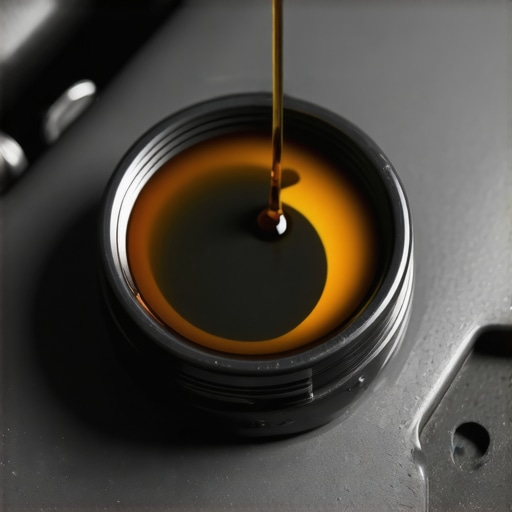
After your test drive, look underneath your car for fresh oily spots or puddles. Use a flashlight to examine the engine bay, focusing on seals, gaskets, and drain plugs. During my experience, I discovered a small oil puddle forming only when I hit certain speeds, indicating the leak occurred during motion. This approach helps identify leaks that are too subtle to see while the vehicle is stationary, acting like an early warning system for ongoing issues.
Look for Specific Signs of Oil Movement
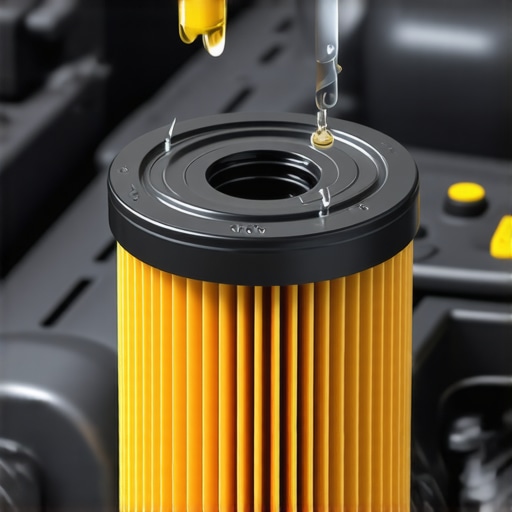
Pay attention to oil trails or streaks on engine components or undercarriage parts during inspections. These signs reveal the path of escaping oil and help locate the leak origin. For instance, I traced a faint trail from the oil filter area, which was only visible after a careful cleaning and inspection. Regularly practicing this can prevent small leaks from growing into hazardous failures.
Use a Spotting Technique During Your Drive
Implement a strategic approach to monitor leaks while driving. Consider using a clean piece of cardboard placed underneath your vehicle—if it develops oil spots after traveling certain distances, you know the leak is active during motion. I once set out with a piece of cardboard on the garage floor and drove around town; noticing oil spots on it revealed a leak during turns and acceleration that wasn’t visible from static checks.
Confirm the Leak Sources Systematically
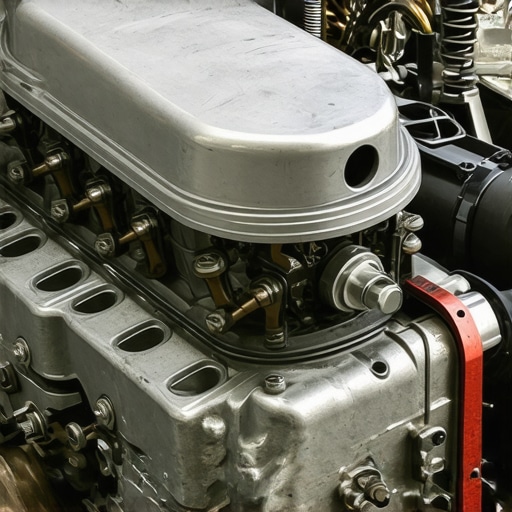
Once a leak is suspected, narrow down its source by inspecting individual components: valve covers, oil pan gaskets, seals, and the oil filter area. Use a mirror and flashlight to examine tight spaces. During my own troubleshooting, I found that the oil was seeping from a worn valve cover gasket, especially when the engine was hot. Replacing such seals promptly prevents further damage and keeps your engine running smoothly.
Leverage Professional Help When Needed
If you’re unable to identify or fix the leak after initial checks, consulting a qualified mechanic is advisable. An ASE certified technician can perform diagnostic tests, such as pressure tests or dye inspections, to pinpoint leaks accurately. Knowing the importance of expert assessments can save you time and prevent misdiagnoses. When I faced persistent leaks, I visited an ASE-certified shop, which used advanced methods to confirm the leak source—saving me from unnecessary part replacements.
Adopt these practical steps diligently—observation during drives, thorough visual inspections, strategic leak tests, systematic component analysis, and professional consultation. This layered approach ensures early detection of oil leaks that only occur under certain conditions, safeguarding your engine and saving money in the long run.
Many car owners believe that an ASE certification guarantees flawless expertise and that all transmission issues are straightforward to diagnose. However, these assumptions often lead to misconceptions. For instance, while ASE certification indicates a technician’s competence, it doesn’t necessarily mean they are the right fit for your vehicle’s specific needs. Some owners assume that any shop claiming to perform transmission repair is equally qualified, but in reality, specialized knowledge is crucial for complex systems like dual-clutch or CVT transmissions. It’s essential to inquire about a technician’s experience with your vehicle type and problem before trusting their diagnosis.
Are Low-Cost Oil Changes a False Economy—Or a Dangerous Shortcut?
Keep It Running with Precision Tools and Strategies
Maintaining your vehicle’s transmission system, ensuring oil quality, and performing routine services require more than just basic knowledge; they demand precision tools and a strategic approach. As I have found through my own experience and guidance from ASE-certified technicians, investing in the right equipment can significantly extend your car’s lifespan and save you money in the long run.
A high-quality
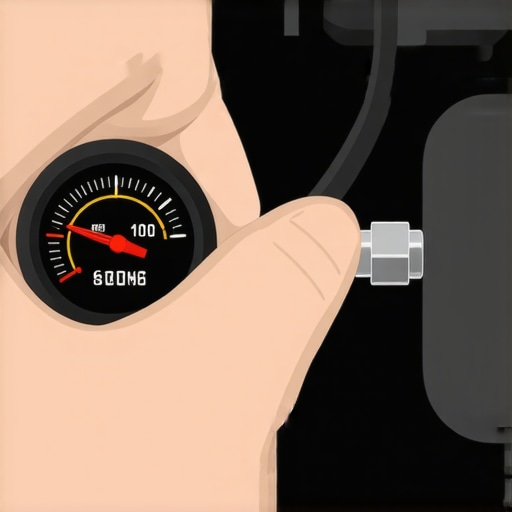
Next, a OBD-II scanner unlocks a world of diagnostic data. Picking a model like the BlueDriver Bluetooth Pro has been invaluable for reading error codes, live data streams, and clearing faults. This tool has helped me identify issues from oil temperature anomalies to transmission shift errors, streamlining repairs and avoiding unnecessary part replacements. Regularly monitoring the data helps in predicting failures before they become catastrophic, a trend I believe will grow as vehicle electronics become more sophisticated.
For crucial fluid maintenance, I recommend a magnetic drain plug. Installing one on your oil pan isn’t complicated—mine was a straightforward upgrade that makes oil change inspections cleaner and more efficient. The magnet collects metal shavings, which indicate wear levels, allowing me to assess the health of engine components over time. It’s a simple addition that offers long-term benefits in early detection of internal issues.
Beyond hardware, software tools like top oil change tips for 2025 emphasize the importance of using advanced lubrication analysis tools. These analyze oil samples for contamination and wear particles, providing a proactive approach to maintenance. While professional testing is recommended periodically, there are home kits available that give a good snapshot of your oil’s condition, helping you decide when to schedule more comprehensive inspections.
How do I maintain transmission and oil health over time?
Consistently monitoring fluid levels and quality is vital. I recommend setting reminders to perform partial fluid exchanges based on your vehicle’s manufacturer’s interval. Using a quality oil and filter paired with diagnostic checks ensures that contaminants and degraded fluid don’t compromise vital systems. As vehicle technology advances, integrating data from OBD-II scanners and oil analysis software will become even more seamless, making proactive maintenance easier than ever.
Looking ahead, I believe the trend will move towards AI-powered diagnostics that interpret data from multiple sensors, predicting failures before symptoms arise. Embracing these tools now positions you to capitalize on future innovations, maintaining your vehicle’s performance while avoiding costly repairs.
If you’re ready to elevate your maintenance game, I suggest trying out a combination of a high-quality multimeter and an OBD-II scanner to get a comprehensive snapshot of your vehicle’s health. These tools aren’t just for professionals—they’re accessible and can make a tangible difference in how you care for your car. For personalized advice or to explore more about optimizing your vehicle’s performance, don’t hesitate to reach out through our contact page.
Lessons That Transformed My Approach to Car Maintenance
- Trusting my intuition was a game-changer—small signs like faint smells or subtle vibrations often hide bigger issues, reminding me to stay attentive during every drive.
- Partnering with ASE-certified technicians taught me that expertise isn’t just a badge, but a language of nuanced troubleshooting—seeing the limits of DIY diagnoses.
- Embracing advanced diagnostic tools like OBD-II scanners and multimeters has made preventive maintenance not just easier, but almost intuitive—as if giving my vehicle a checkup myself.
- The realization that some leaks only appear under specific conditions motivated me to develop a routine: visual inspections post-drive combined with strategic monitoring during trips.
- Understanding the importance of early leak detection has saved me from costly repairs, emphasizing that patience and vigilance pay off in the long run.
Tools and Resources That Keep My Car Healthy
- Fluke 115 Digital Multimeter: I rely on this for precise electrical diagnostics—spotting faulty sensors that can cause oil pressure issues or transmission hiccups. Its reliability is unmatched.
- BlueDriver Bluetooth Professional Scanner: This has become my pocket mechanic, giving real-time data and code reading at my fingertips, making diagnostics straightforward and stress-free.
- Magnetic Drain Plugs: An inexpensive upgrade that catches metal shavings during oil changes, serving as an early warning system for internal wear.
- Top oil change tips for 2025: I use these guidelines to stay ahead of oil degradation and contamination, ensuring my vehicle runs smoothly and efficiently.
Choose Your Next Step Without Fear
Taking charge of your vehicle’s health, especially spotting oil leaks that only occur during motion, builds confidence and independence. By combining keen observations with the right tools, you unlock a new level of car care mastery. Remember, every minor sign is a clue, and with patience, they can guide you toward preventing major breakdowns. Your journey to trusted vehicle maintenance begins now—embrace it and keep your car running at its best.
Have you ever caught an oil leak early enough to prevent a major repair? Share your experiences below—your insights might inspire someone else to stay vigilant!