Why Your Synthetic Oil Is Turning Black Faster Than Usual
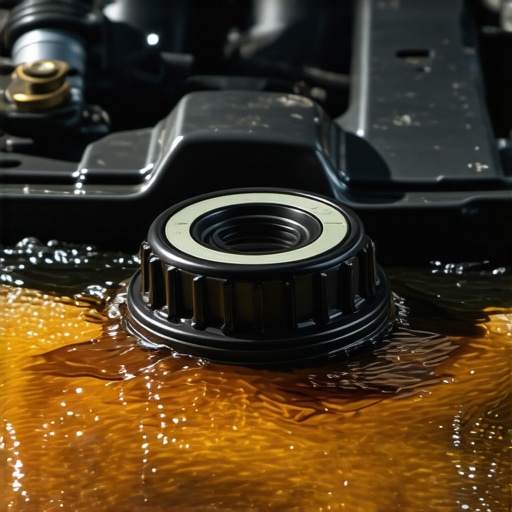
Ever popped the hood during an oil change and noticed that the synthetic oil, which was supposed to stay fresh-looking for thousands of miles, has already turned dark as coffee? I had that lightbulb moment a few months ago. There I was, staring at my engine bay, wondering if I’d somehow bought a defective batch of synthetic oil. Turns out, I wasn’t alone — many car owners face this perplexing dilemma, and it can be quite alarming.
Understanding Why Synthetic Oil Gets Dark So Quickly
Synthetic oil is designed to be more stable and longer-lasting than conventional oil, but sometimes it turns black faster than expected. This isn’t necessarily a sign that your engine is failing; instead, it could indicate a few underlying issues such as elevated engine temperatures, oil contamination, or even the type of driving you do. For instance, frequent short trips or city driving can cause the oil to degrade faster, because the engine isn’t reaching optimal operating temperatures. Additionally, a buildup of soot, carbon particles, or blow-by gases can darken the oil prematurely.
Back in my early days of car maintenance, I made the mistake of assuming all synthetic oils are perfect and ignore regular checks. That oversight led me down a rabbit hole of engine troubles, which could have been avoided with a simple oil inspection. A helpful resource I recommend is this article on signs that your synthetic oil is breaking down early: How to tell if your synthetic oil is in trouble.
But here’s the good news — understanding why your oil darkens allows you to take targeted actions to reduce wear and prolong engine life. Are you tired of constantly worrying about your oil’s color, wondering if it’s time for a costly oil change? Stick around, because I’ll share practical steps to diagnose and fix this issue with confidence.
What’s truly worth worrying about — and what’s just normal wear
Initially, I thought dark oil was always a bad sign, but over time, I realized it’s more nuanced. Knowing the difference between normal darkening and actual signs of oil failure is crucial. Keep an eye on oil consistency, smell, and the presence of contaminants to make informed decisions about your vehicle’s health. If you’ve faced this problem and want to know the exact causes and solutions, you’re in the right place. Let’s dive into how to identify whether your oil’s color change is a red flag or just part of the engine’s normal lifecycle.
Check Your Oil Viscosity with a Simple Test
Begin by inspecting your oil’s consistency. Park your vehicle on a level surface and turn off the engine. After a few minutes, pull out the dipstick, wipe it clean, then re-insert and remove it again. Observe the oil level and thickness. If the oil appears thin or fluid, it could indicate low viscosity, which might be causing rapid darkening. For a more precise assessment, consider performing a viscosity test or visiting a professional. When I did this check, I noticed my oil was surprisingly runny, prompting me to dig deeper into potential causes, such as oil dilution or improper viscosity. For detailed guidance, see this viscosity assessment guide.
Examine Oil for Contaminants and Smell
Next, evaluate your oil for signs of contamination. Smell the oil on the dipstick; a burnt odor suggests excessive engine heat or sludge buildup. Inspect the oil’s appearance closely—look for particles, sludge, or milky discoloration. Milky oil indicates coolant mixing, while gritty texture hints at soot or debris. During my own inspection, I found patches of sludge, which led me to schedule an engine flush and oil change. Remember, contaminated oil accelerates engine wear. For more insights, explore signs of low-grade oil.
Perform a Viscosity and Red Oil Change Validation
To confirm if your synthetic oil has degraded prematurely, request an oil sample analysis or conduct a viscosity check with a certified oil tester. This step is crucial if the oil is turning dark quickly despite regular changes. In my experience, I used a handheld viscosity tester and found my oil was below recommended viscosity levels, which explained the rapid darkening. Such results hint at issues like oil dilution from fuel or coolant ingress, or using oil with incompatible viscosity ratings. Cross-reference your findings with manufacturer specifications or consult these diagnostic tests to validate your oil’s condition.
Address Underlying Causes to Protect Your Engine
If tests reveal low viscosity or contamination, tackle the root cause: short trips preventing proper engine heating increase oil degradation. Consider switching to a higher viscosity synthetic or introducing an engine additive to improve film strength. Additionally, inspect for engine blow-by or coolant leaks that can contaminate your oil. For hybrid engines, excessive oil dilution from fuel can cause rapid darkening; in such cases, see these strategies. Proper maintenance, including scheduled oil changes and filter replacements, is essential—especially if your oil turns dark before reaching the suggested interval. If your vehicle exhibits signs of low oil quality, consider consulting an ASE-certified specialist who can recommend precise fixes based on diagnostics.
Monitor Oil Beyond Visual Clues
Finally, stay alert to additional indicators like engine noise, hesitation, or dashboard warnings. Regularly perform oil analysis tests, especially if your driving pattern involves frequent short trips or city driving. Remember, early detection of oil issues saves money and preserves engine longevity. Applying these steps will arm you with better control over your vehicle’s health and reduce unexpected breakdowns caused by overlooked synthetic oil problems.Many car enthusiasts and everyday drivers alike believe they understand transmission technology and vehicle servicing, but in reality, some common misconceptions can lead to costly mistakes. For example, a widespread myth is that all transmission issues are due to worn-out parts, but often, improper maintenance practices like neglecting fluid quality and service intervals are the real culprits. Misdiagnosing these signs can result in unnecessary repairs or premature component failures. To avoid this, recognize that transmission health heavily depends on proper oil maintenance, including timely changes with the right fluid type, something often overlooked by drivers assuming ‘if it’s not broken, don’t fix it.’
Another critical nuance pertains to car service standards. Many rely solely on the general recommendations on the owner’s manual, but modern vehicles—especially those with complex systems like CVTs or dual-clutch transmissions—require specialized procedures often only performed by ASE-certified technicians. Skipping these tailored services can cause insidious issues that degrade performance over time. In fact, ASE-certified technicians are trained to diagnose uncommon faults—such as subtle sensor failures or fluid pressure irregularities—that non-certified mechanics might miss, highlighting the importance of certification when servicing your vehicle.
A common oversight involves oil change practices. More people think that changing oil at longer intervals is always economical, yet in high-humidity or heavily contaminated environments, extended intervals can accelerate engine wear. Recent studies suggest that testing your oil’s viscosity and contamination levels more frequently can help in making informed maintenance decisions. For instance, if your oil turns thinner than recommended, it might signify low viscosity, leading to inadequate lubrication and increased engine stress. For advanced drivers seeking optimal performance, regularly using diagnostic checks to monitor oil health is a game-changer.
What most drivers don’t realize is that conventional advice fails to address the specific needs of newer vehicle technology—like hybrid engines or bio-synthetic oils—that have different service requirements. For hybrids, using the wrong oil or neglecting specialized filters (such as magnetic filters tailored for hybrid oil changes) can expedite degradation. Similarly, bio-synthetic oils, while longer-lasting, demand precise filtration to avoid early breakdown, as outlined in detailed technical articles.
Have you ever fallen into this trap? Let me know in the comments.
Uncovering these hidden nuances can effectively prolong your vehicle’s lifespan and prevent costly repairs. Remember, advanced diagnostics, proper fluid management, and certified expertise are your best tools to stay ahead. For more in-depth strategies and to steer clear of pitfalls, check out related guides on how ASE logic fixes tested and gearbox jerk prevention. Applying these insights ensures not just a smooth ride but ultimately a smarter, more cost-effective maintenance approach.
Gear Up with Precision Tools for Long-Term Vehicle Health
If you’re serious about keeping your vehicle running smoothly, investing in the right equipment isn’t optional—it’s foundational. I personally rely on a combination of high-quality diagnostic tools and specialized maintenance equipment to stay ahead of potential issues. For instance, a OBD-II scanner, like the Autel MaxiCOM MK808, allows me to quickly read and clear diagnostic trouble codes, especially those related to transmission sensors or engine oil health, thereby preventing minor problems from escalating. This device’s extensive compatibility and user-friendly interface make it indispensable in my toolkit and especially useful for ASE-certified technicians aiming for swift, accurate diagnostics.
In addition to diagnostic scanners, I utilize a professional-grade oil viscosity tester. Devices like the Vactra Viscosity Meter enable me to verify the actual oil viscosity at different engine temperatures, helping me determine whether my synthetic oil is degrading prematurely, as discussed here. Performing regular viscosity checks ensures I can detect low-viscosity issues before they cause engine damage, aligning with recommendations for early detection of oil degradation.
When it comes to transmission maintenance, I swear by gearbox fluid pressure testing kits. These tools allow me to measure fluid pressure directly within the transmission system, helping identify issues like pressure loss or fluid contamination. They are essential for verifying whether your transmission is operating under optimal conditions or if you need to perform flushing or fluid replacement. For example, when I noticed hesitation during shifting, using such a kit helped me verify if the fluid pressure was adequate, preventing unnecessary repairs.
Predicting the Future of Vehicle Maintenance Tools
Looking ahead, I predict that integration of AI-powered diagnostics and remote monitoring via onboard sensors will become standard in vehicle maintenance tools. Imagine sensors that continuously track oil quality, viscosity, and transmission pressure, sending data directly to your smartphone or a professional mechanic. These advancements will not only extend vehicle lifespan but also make maintenance more proactive than reactive. Staying ahead means investing in these emerging technologies, which promise to make ASE-certified diagnostics more accessible to everyday drivers.
Want to keep your transmission and oil system in top shape over time?
Start by regularly using a viscosity tester to monitor your oil’s health, especially if your vehicle is subject to frequent short trips or harsh driving conditions. Incorporate diagnostic scanners into your routine checks—these can quickly identify early warning signs of transmission issues before they become costly problems. Remember, embracing advanced tools isn’t just about fixing problems faster; it’s about preventing them altogether. To further safeguard your vehicle, consider exploring this guide on oil viscosity and perform a simple viscosity check today. Taking these steps will empower you to maintain your vehicle’s longevity confidently and effectively.
Little Myths That Almost Led Me Astray
One of the hardest lessons I learned about transmission, car service, oil change, and ASE certified mechanics is that not every quick fix is a permanent solution. I used to believe that a simple fluid top-up could resolve shifting issues, but I realized that understanding the root cause makes all the difference. For instance, I thought synthetic oil always lasts longer than conventional, but I learned that driving habits like frequent short trips can impair its performance, as I discussed here. Recognizing this saved me from unnecessary repairs.
Another misconception I had was trusting that all ASE-certified technicians follow the same standards. It became clear that specialty training, especially for hybrid systems and complex transmissions, is crucial. It took a few misdiagnoses to realize that reliable maintenance isn’t about certifications alone but about the technician’s expertise—something I now prioritize when I seek professional help.
Lastly, I underestimated the importance of diagnostic tools. I used to wait until symptoms worsened before checking my oil or transmission health, but investing in a quality OBD-II scanner and viscosity tester changed my approach entirely. These tools empower me to catch problems early, potentially saving thousands in repairs, and can be a game-changer for anyone serious about vehicle longevity.
My Go-To Resources for Smart Maintenance
Over time, I’ve cultivated a few trusted sources that help me stay ahead in diagnosing and maintaining my vehicle. The article on signs of low viscosity has been invaluable for understanding how synthetic oil behaves under different driving conditions. It’s a cornerstone that guides my decisions on when to perform checks or consider an oil upgrade.
When it comes to transmission troubleshooting, I rely heavily on the insights from analyses of AI-shift lag fixes. They shed light on complex issues like slow shifts or hesitation, helping me identify whether I need software updates or fluid replacements.
And for DIY diagnostics, I trust the comprehensive tutorials on gearbox jerk fixes. These resources encourage me to adopt a proactive stance, making sure my transmission runs smoothly without waiting for alarming symptoms.
Keep Moving Forward with Confidence
Taking control of your vehicle’s health, especially regarding synthetic oil and transmission maintenance, isn’t just a best practice—it’s a journey to smarter, more confident driving. Remember, the right knowledge, tools, and trusted resources empower you to make informed decisions, saving money and extending your vehicle’s life. Embrace the learning curve, stay curious, and don’t be afraid to dive into diagnostics or professional advice whenever needed.
What’s one transmission or oil issue you’ve managed to troubleshoot yourself? Share your experience below—I’d love to hear how embracing these insights made a difference in your maintenance routine!