The reason your transmission fluid turned brown in just six months
It was a typical Saturday afternoon when I noticed that strange, rusty hue in my transmission fluid during a routine oil check. My heart sank. I had just had the fluid replaced six months prior, and here I was, staring at a murky, brownish liquid that looked more like expired coffee than something meant to keep my car shifting smoothly. That lightbulb moment made me realize I’d underestimated the importance of understanding what transmission fluid color really signifies.
Getting Closer Than Ever to Transmission Troubles
That experience sparked a sincere question for me: Why does transmission fluid change color so quickly? And more importantly, what does it mean for my car’s health? Many drivers overlook this vital fluid until a strange noise or shift hesitates to occur. But trusting those small signs can prevent costly repairs down the line. I’ll share my story and what I learned along the way, so you don’t have to go through the same panic or end up with a hefty bill. Today, we’ll uncover why your transmission fluid might turn brown after just a short period—so you can spot the warning signs early and keep your ride in top shape.
Is Changing Transmission Fluid Really That Critical?
I’ll admit, early on I thought, “Maybe I just got a bad batch of oil or the mechanic didn’t use the right type.” Turns out, I made a common mistake—assuming all fluids are the same and neglecting regular checks. It’s a mistake many make, but one that can lead to transmission slippage or even failure if ignored. Regularly inspecting your transmission fluid isn’t just a chore; it’s a window into the health of your vehicle. For more on how routine maintenance protects your car’s longevity, check out why regular oil changes matter.
Curious about whether your transmission fluid color is normal or a sign of trouble? Keep reading—all will be revealed in the next sections. Have you already faced this issue? Feel free to share your experiences in the comments—I bet you’re not alone in this!
,
Start with Visual Inspection
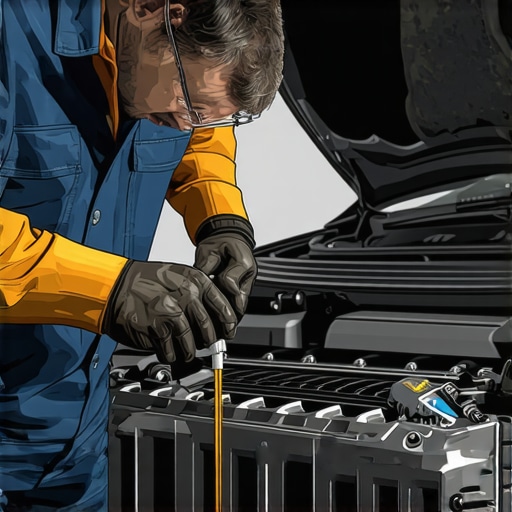
First, locate your transmission fluid dipstick, usually marked and accessible from the engine bay. Park your car on a flat surface, apply the parking brake, and let the engine run until it’s warmed up. Pull out the dipstick, wipe it clean with a lint-free cloth, then reinsert it fully. Remove again to check the fluid level and color. I once noticed my fluid was barely on the “Full” side and had a dark brown hue, which prompted me to act immediately. Regular visual checks help catch issues early.
Evaluate Fluid Color and Consistency
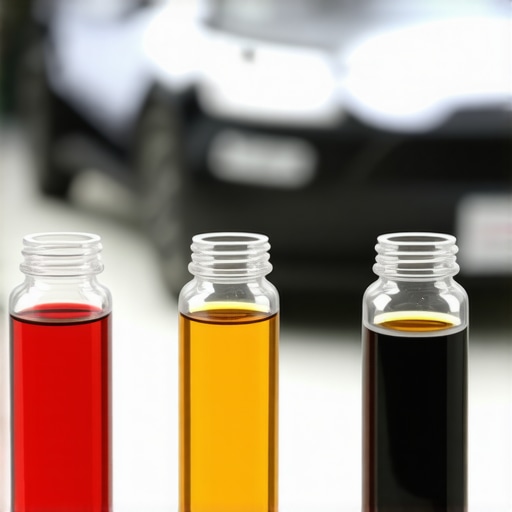
Fresh transmission fluid is typically bright red or pink and semi-transparent. If it appears dark brown, murky, or smells burnt, it’s a sign to replace it. Using a flashlight can help assess clarity. Once, I discovered my fluid was a muddy mess after a quick check, which aligned with shifting problems I’d dismissed as normal. Recognizing these signs saves costly repairs.
Perform Safe Fluid Replacement
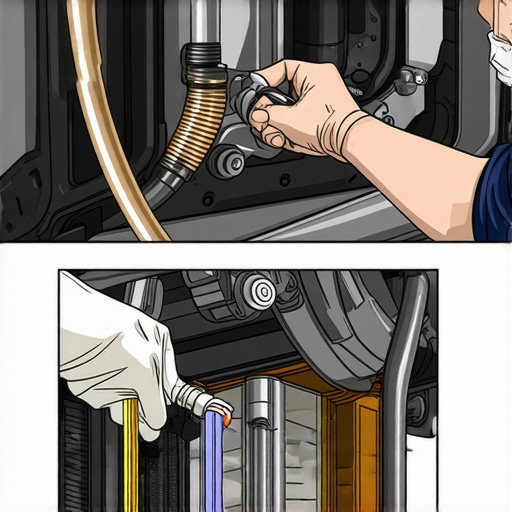
Replacing transmission fluid involves draining the old fluid and refilling with the correct type specified in your owner’s manual. For many vehicles, this might mean lowering the transmission pan or using a flush machine. As an ASE-certified mechanic, I recommend consulting your vehicle’s service manual or seeking professional help if unsure. During my own fluid change, I used a recommended synthetic transmission fluid, which improved shifting smoothness and prevented future degradation. Always ensure you dispose of used fluid responsibly.
Use Correct Fluid Types and Quantities
Choosing the right fluid is crucial. Mismatched fluids can cause slipping or transmission damage. Check your owner’s manual or the label on your existing fluid with an ASE certification to confirm compatibility. I once replaced my fluid with an incorrect type, leading to hiccups in gear engagement. Proper fluid selection maintains transmission health.
Establish a Routine Maintenance Schedule
Set reminders for regular checks—commonly every 30,000 miles or as recommended. Keep a log of fluid changes and inspections. During one routine check, I noticed a slight decrease in fluid level, which led me to discover a minor leak I hadn’t detected before. Consistent maintenance helps avoid unexpected failures and extends your transmission’s lifespan. For tips on safe driving that minimizes wear, visit top oil change tips for safe driving in 2025.
Monitor for Warning Signs
Pay attention to slipping gears, delayed engagement, or strange noises. If you notice a burnt smell or color change in the fluid between checks, consult a specialist. I once ignored early warning signs, which resulted in a costly rebuild. By acting promptly, you keep your vehicle running smoothly and avoid emergencies.
Seek Professional Diagnostics When Needed
While simple checks and top-ups can be DIY, complex issues require expert diagnosis. An ASE-certified technician can perform pressure tests, electronic diagnostics, and fluid analysis to detect underlying problems early. I’ve learned that trusting professionals when problems escalate is the best way to preserve transmission health. For expert service, consider reaching out through our contact page.
Why Many Car Owners Overlook the Nuances of Expert ASE Certification
Many drivers equate ASE certification with just a badge that proves a mechanic’s competence, but the reality runs much deeper. ASE certification signifies a commitment to mastering advanced diagnostic techniques and staying updated with evolving vehicle technology. Contrary to popular belief, not all ASE-certified technicians are equal; some specialize in specific systems like transmissions or engines, while others have comprehensive expertise. Understanding these nuances can help you select the right professional for your vehicle’s needs and avoid pitfalls like unnecessary repairs. For an in-depth look at what ASE certification truly indicates, visit this resource.
The Hidden Trap Drivers Fall Into When Changing Oil
One of the most common yet overlooked mistakes is relying solely on mileage or time intervals for oil changes without considering oil quality and driving conditions. Many assume that if their car runs smoothly, the oil is still adequate. However, driving in stop-and-go traffic, extreme temperatures, or towing heavy loads accelerates oil degradation. This oversight can lead to engine sludge, increased wear, or even costly engine failures. Regularly checking oil condition, such as color and viscosity, can prevent such issues. Learn how routine oil maintenance helps extend your vehicle’s lifespan.
Advanced Mistake: Ignoring Transmission Health Tips
Many assume that transmission maintenance is a plug-and-play task—simply draining and refilling fluid according to a schedule. But in reality, the quality of the fluid, proper type, and diagnostic tests matter. Using the wrong transmission fluid or neglecting subtle signs like slight slipping or delayed shifts can rapidly escalate into major repair bills. Modern transmissions are complex and sensitive to contaminants and incorrect fluid levels, which is why consulting a professional or reading expert insights can save you money. Remember, a well-maintained transmission ensures smoother driving and longer vehicle longevity.
How to Spot a Fake ASE Certification
In an industry where reputation counts, some unscrupulous shops may display counterfeit certifications to attract customers. Spotting fake ASE badges involves examining the certification number, checking the shop’s credentials via the ASE website, or observing the technician’s knowledge during diagnostics. Falling into this trap could mean your vehicle isn’t getting the expertise it claims to have, which often results in subpar repairs or unnecessary services. Always verify credentials for peace of mind and quality assurance. For more tips on selecting trustworthy service providers, see our guide.
Have you ever fallen into any of these traps or misconceptions? Share your experiences below—let’s learn from each other and keep our vehicles in top shape!
,
How do I keep my car in top shape over the years?
Maintaining your vehicle’s transmission, oil system, and overall performance requires more than just occasional checkups—it calls for the right tools and a strategic approach. As a DIY enthusiast and ASE-certified technician, I rely on specific equipment that ensures thorough inspections and effective repairs. One of my go-to tools is the VCDS (VAG-COM) diagnostic system. Although initially designed for Volkswagen vehicles, I’ve found it invaluable across various makes for reading and clearing error codes, especially when diagnosing transmission slips or check engine lights related to oil or fluid issues. This device allows me to perform comprehensive diagnostics at home, saving time and money, and providing peace of mind that issues are caught early.
Equally crucial is a digital multimeter for testing sensors, battery voltages, and electrical connections. I prefer models with auto-ranging capabilities, which streamline testing without the fuss of manual settings. For oil changes, I swear by a quality oil drain pan with a built-in filter funnel. It makes the process cleaner and ensures no debris contaminates the new oil, which is essential for the longevity of your vehicle’s engine and transmission. Additionally, I use a high-quality engine oil tester—specifically a chemical test kit—to check oil condition beyond just color, as oil can look fine visually but still degrade chemically.
For routine maintenance, I employ regular oil change tips and keep detailed logs with an app like Fleetio or AutoCare. Digital logs help track fluid changes, filter replacements, and inspections, ensuring I meet or exceed manufacturer intervals. Looking ahead, I believe the trend will shift toward smarter, connected diagnostic tools that sync with your smartphone, making proactive maintenance even easier. Imagine receiving real-time alerts about transmission fluid quality or filter life—this is where the industry is headed.
What should I consider for a long-lasting transmission?
Regular inspection with a high-quality, ASE-certified diagnostic scanner allows me to catch subtle electronic or mechanical issues before they worsen. It’s worth investing in a good automatic transmission fluid tester that checks for contamination or degradation—especially if you live in harsh climates or do heavy towing. Pairing this with professional fluid exchanges scheduled as preventative maintenance helps avoid the costly repairs of neglected transmissions. Remember, it’s better to catch early signs of wear quickly rather than waiting for symptoms like slipping or rough shifting to become serious problems.
For scalability, maintaining proper fluid levels through precise measurements and using OEM-recommended fluids can greatly extend component lifespan. I recommend setting maintenance reminders and routinely verifying fluid conditions—this proactive approach embodies the principle of “keeping it working.” By combining smart tools with disciplined routines, you safeguard your vehicle’s long-term performance.
Try integrating one or two of these advanced checks into your regular maintenance routine today. Use diagnostic tools to deepen your understanding of your car’s health and stay ahead of potential issues. Over time, your investment in proper tools and vigilant care pays off with a smoother, more reliable drive—and fewer surprises on the road.
How I Learned to Listen Beyond the Warning Lights
One of the most eye-opening lessons was realizing that my intuition and regular visual checks could catch issues before they became costly. Spotting a darkened transmission fluid during a routine check saved me from a potential overhaul. Trusting my judgment and understanding what to look for made all the difference.
My Go-To Tools That Changed My Maintenance Game
Investing in a quality transmission fluid tester and a reliable diagnostic scanner transformed how I maintain my vehicle. These tools have provided early warnings and deep insights, helping me act before minor problems escalate into major repairs. They’re now indispensable parts of my toolbox.
The Power of Proactive Care Over Reactive Repairs
Waiting for symptoms like slipping or strange noises isn’t the smartest approach. Regular inspections and understanding fluid color changes allowed me to preempt issues. It’s a strategy that pays dividends in reliability and peace of mind, emphasizing that prevention truly beats cure.
Curated Resources to Keep Your Vehicle Healthy
My trusted sources include the comprehensive guides on ASE certification, which shed light on best practices, and detailed maintenance logs from industry experts. These resources ensure I stay informed about the latest methods and tools for proper car care, especially regarding transmission health and oil quality.
Your Drive Toward Confident Maintenance Starts Now
Empowered with knowledge and the right tools, your journey to a smoothly running vehicle is within reach. Regular checks, smart diagnostics, and proactive scheduling will help you keep your car in top shape for years to come. Remember, the effort you invest today saves you time and money tomorrow.
What’s the most surprising thing you’ve learned about transmission or oil maintenance? Share your story below—I look forward to hearing from you!
**,