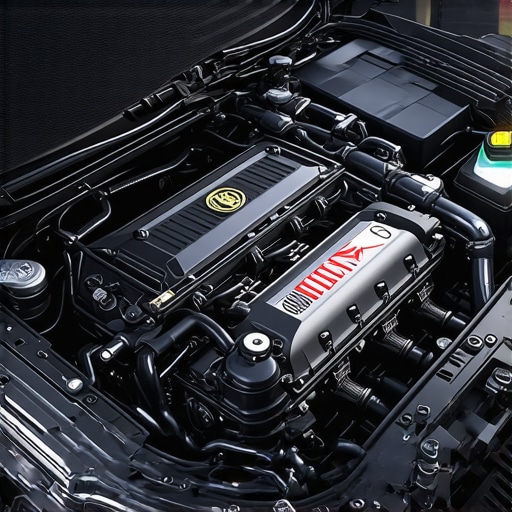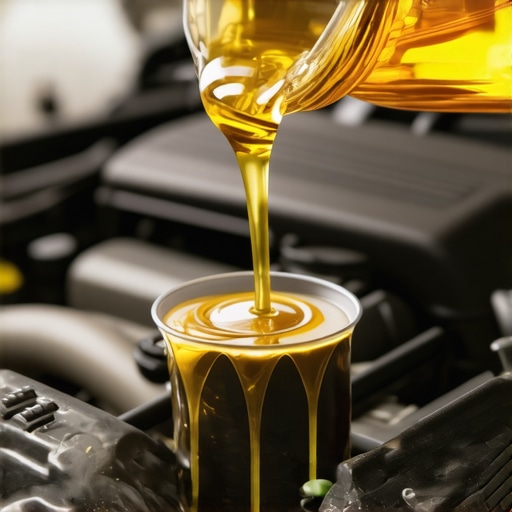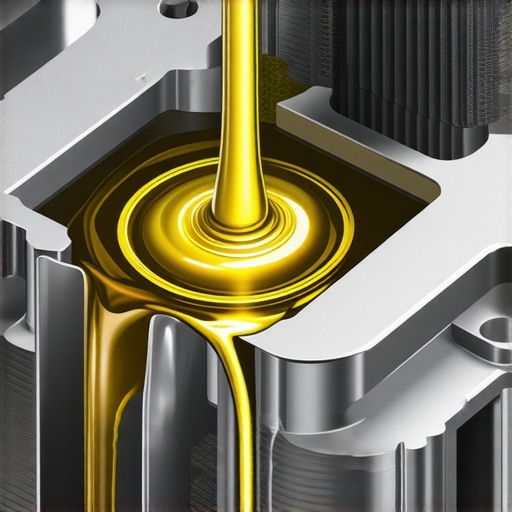
Why your engine oil level is rising without you adding any
Last week, I was about to perform my routine oil change when I noticed something strange—I hadn’t added any oil, yet the level on my dipstick kept creeping up. It was a frustrating lightbulb moment that made me realize there’s more to this mystery than just neglect or oversight. If you’ve ever experienced this odd phenomenon, you’re not alone. It turns out, rising engine oil levels can be a sign of underlying issues that, if ignored, may lead to more serious engine problems.
Why Your Engine Oil Might Be Rising Without You Adding More
Understanding why your oil level is increasing can feel like deciphering a foreign language. Typically, oil levels should stay relatively stable, fluctuating only slightly between oil changes. When they rise unexpectedly, it often signals a problem like coolant mixing with the oil or a malfunctioning PCV (Positive Crankcase Ventilation) valve. These issues are more common than many car owners realize. For example, coolant mixing with oil can lead to foaming and thinning, which in turn falsely elevates the dipstick reading. Over time, this can cause engine overheating and severe damage if left unaddressed.
Early on, I made the mistake of dismissing the rising oil level as just a minor glitch, thinking I’d top it off the next weekend. That was a costly oversight. According to expert insights, coolant intrusion into the engine can cause oil to thicken or become sludgy, compromising lubrication and engine performance (source). Recognizing these signs early is crucial—and I promise, diagnosing the cause isn’t as complicated as it sounds once you understand the basics. In the following sections, we’ll explore how to identify the root causes and what steps you can take to keep your engine in top shape. But first, let’s address a common concern many car owners have: is this issue actually worth stressing over?
Prepare Your Work Area and Gather Tools
Start in a well-lit, flat driveway or garage. Gather the necessary tools: a clean dipstick, flashlight, rag or paper towels, and a container for sampling oil if needed. Having these ready saves time and prevents misdiagnosis during the process.
Check the Oil Level Accurately
Before starting any inspection, ensure the engine is off and has cooled for at least 10 minutes. Remove the dipstick, wipe it clean, reinsert fully, then pull out to read the level. Take note of the reading; compare it to the vehicle’s standard levels. Remember, overfilling can also cause issues, so accuracy is key.
Inspect the Oil’s Condition and Consistency
Look at the oil’s color and texture. Dark, gritty, or foamy oil suggests contamination or coolant intrusion. For instance, if the oil appears milky or has a sweet smell, coolant may be mixing, indicating a head gasket leak or cracked engine block. As I learned during my own troubleshooting, a sample can be tested by a mechanic to pinpoint the cause.
Perform a Bubble Test for Combustion Gases
This step helps detect combustion gases entering the oil. Use a specialized test kit or have a mechanic do it. Introduce a small amount of oil into the test container, then fit it with a pressure gauge. If bubbles form, exhaust gases are leaking into the oil, pointing to a serious internal problem—similar to the way transmission fluid leaks can mimic other issues.
Check for Coolant Leaks and Cross-Contamination
Inspect the radiator and coolant system for leaks. Look under the vehicle for puddles or white foam around the head gasket area. A simple way: use a UV dye additive in the cooling system and check for fluorescence under UV light. If coolant has infiltrated the oil, the engine’s internal seals are compromised, similar to how faulty transmission seals can cause fluid leaks.
Assess the PCV Valve Operation
The Positive Crankcase Ventilation valve regulates pressure from blow-by gases. A stuck or malfunctioning PCV valve can cause increased crankcase pressure and oil level fluctuations. Remove and inspect the valve; shake it—if it rattles, it’s likely okay. If clogged or sticky, replace it, which is a straightforward fix that can prevent more severe engine issues.
Perform a Compression Test or Leak-Down Test
This diagnostics step reveals the health of the engine’s cylinders. A damaged head gasket, cracked head, or warped piston can lead to abnormal oil and coolant mixing. Use a compression tester, follow the manufacturer’s instructions, and record readings. Significant deviations between cylinders indicate internal problems requiring repair.
Sample Oil for Laboratory Analysis
For a definitive diagnosis, send an oil sample to a lab. They can detect coolant, combustion gases, or other contaminants, helping you identify issues early. This step is especially useful if the cause isn’t obvious but symptoms persist despite routine inspections.
Document and Plan Repairs
Keep detailed records of your findings, including oil condition, test results, and visual inspections. If the test indicates coolant intrusion, plan for head gasket replacement or other necessary repairs. For contaminated oil due to a turbocharger, fixing that component will restore proper levels and prevent engine damage.
Follow Up and Prevent Future Problems
Regular maintenance is crucial. Schedule oil changes using quality oil and filters, and ask your mechanic about routine coolant and PCV valve inspections. Learn from my experience—preventive measures are less costly than repairing engine damage caused by neglect. Confirm your maintenance routine aligns with expert recommendations by visiting top oil change tips.
Many car owners believe that sticking to the basic oil change schedule is enough to keep their vehicle in top shape, but in reality, there’s a lot more nuance involved that often gets overlooked. For example, common myths like the idea that synthetic oil can indefinitely extend a car’s lifespan are misleading. Although synthetic oils offer better stability and performance, they still require regular changes and proper maintenance to prevent engine issues. Relying solely on this misconception might lead to neglecting other critical components like transmission fluid or addressing transmission troubles promptly, which are essential for smooth vehicle operation.
Why Do So Many Believers in Routine Oil Changes Still Face Unexpected Failures?
One overlooked aspect is the importance of understanding the true condition of your fluids, not just their level or age. Studies suggest that oil degradation and contamination happen faster than many realize, especially in modern engines with direct injection systems that are prone to sludge buildup if not properly maintained (source). Additionally, many mechanics focus on changing oil without inspecting related systems like the PCV valves or coolant quality, which can lead to unseen problems accumulating over time. This oversight is a classic trap—thinking that an oil change is all you need when other systems could be silently causing damage.
Another prevalent misconception concerns transmission care. Many drivers delay transmission service until symptoms become severe, yet early signs like slight slipping or unusual noises are often ignored. Regular transmission fluid checks and timely fluid replacement can prevent costly repairs, but the misunderstanding that “if it isn’t broken, don’t fix it” persists. Expert insights show that transmission maintenance is just as crucial as oil changes for preserving overall vehicle health (source).
Furthermore, ASE certification is frequently misunderstood as a guarantee of flawless service. In truth, while ASE-certified technicians possess proven expertise, not every shop upholds the same standards of ongoing training and equipment maintenance. Learning how to distinguish a truly qualified technician—by asking relevant questions or seeking recommendations—can save you from unnecessary repairs or missed issues.
Understanding these nuances can significantly impact your vehicle’s longevity and safety. It’s not just about routine oil changes but also about comprehensive maintenance strategies tailored to your specific vehicle and driving habits. Regularly reviewing your service schedule, referencing trusted resources like our tips for safe driving, and staying informed about the latest automotive insights can help you avoid costly mistakes.
Have you ever fallen into this trap of thinking that basic maintenance is enough? Let me know in the comments. Remember, being an informed car owner saves money and extends your vehicle’s life.
Keeping It Working: Tools I Recommend for Long-Term Vehicle Health
Maintaining your vehicle’s transmission and oil system isn’t just about regular oil changes; it requires the right equipment and a proactive mindset. Over the years, I’ve honed my toolkit, focusing on reliability, precision, and ease of use to ensure my car stays in top shape. One must-have is a qualitydigital oil tester like the MotoCheck. Unlike traditional dipstick inspections, it provides instant readings of oil viscosity and contamination levels, empowering me to catch problems like sludge buildup or coolant intrusion early (source). This helps in planning timely oil changes, especially for fleets or those with high-mileage vehicles.
For transmission maintenance, I rely on aprofessional-grade scan tool such as the BlueLink Tech Diagnostics. It interfaces directly with modern vehicles’ ECU, providing detailed error codes and live data streams. This enables me to identify subtle shifts or sensor issues before they escalate into costly repairs. Additionally, I recommend using afluid extractor pump instead of traditional draining methods. This device allows for quick, clean transmission fluid replacements without removing the pan, reducing potential mess and errors. Regular check-ups with tools like these keep the transmission operating smoothly, aligning with expert insights found in professional transmission guidance.
Software plays a crucial role as well. Cloud-based maintenance apps like CarMD or FIXD help track service intervals, diagnostics, and recall info, providing a comprehensive overview of your vehicle’s health at your fingertips. I particularly appreciate how they notify me of upcoming maintenance to prevent issues like oil overfill or transmission wear, extending my car’s lifespan as discussed in this resource.
How do I keep my car’s transmission and oil system in top shape over time?
Routine inspections combined with the right tools make all the difference. Regularly testing oil viscosity, monitoring for coolant contamination, and performing fluid exchanges with precise equipment ensure your vehicle remains reliable. As my experience shows, investing in quality diagnostics not only prevents unexpected breakdowns but also saves money in the long run, especially when paired with expert advice and scheduled maintenance.
Looking ahead, the trend is moving toward smart diagnostics and autonomous monitoring systems that can alert you before problems become critical. Embracing these technologies now, like real-time sensor data and predictive analytics, will be essential for proactive maintenance strategies. For now, I encourage you to try a high-qualityoil analysis kit and see what your engine tells you—it’s a game-changer!
The Most Unexpected Wisdom From My Car Mishaps
One of my biggest surprises was realizing how often overlooked details—like coolant condition and PCV valve health—can dramatically impact engine oil levels and overall vehicle performance. These lightbulb moments taught me that true maintenance goes beyond simple oil changes; it’s about understanding how different systems intertwine to keep your car running smoothly.
Less than perfect diagnostics can lead to wasted money and time. I used to ignore subtle signs like foamy oil or slight overheating, only to learn the hard way that early detection and proactive checks are crucial. Regularly testing oil samples or performing simple inspections can mean the difference between costly repairs and a reliable ride.
The importance of tools and knowledge cannot be overstated. Investing in good diagnostics like a digital oil tester or a quality scan tool has empowered me to catch problems early, saving my vehicle— and my wallet—from unnecessary stress. These lessons aren’t just about fixing; they’re about preventing disaster before it starts.
Tools and Resources That Changed My Approach
My go-to toolkit includes a reliable digital oil tester, which offers real-time insights into oil viscosity and contamination. It’s a game-changer for proactive maintenance and helps me schedule oil changes before problems become severe (trusted resource for understanding oil health).
For diagnostics, a professional-grade scan tool like BlueLink Tech helps me monitor my vehicle’s internal systems. By catching issues early—such as transmission slipping or engine misfires—I can address them when they’re minor, often avoiding major repairs (this resource has been invaluable).
Finally, automotive apps that track service history and alert me to upcoming maintenance keep me on top of my vehicle’s needs. They remind me that good maintenance is about consistency, not just reacting to problems when they arise.
Fuel Your Motivation to Keep Your Car in Peak Form
Your vehicle deserves more than routine oil changes— it benefits from an informed, proactive approach. Every time I’ve taken the time to learn more about my car’s systems or invest in the right tools, I’ve seen tangible improvements in durability and safety. Remember, the future of vehicle maintenance is smart, connected, and personalized—embrace it now and keep your engine healthy for years to come.
What’s one step you’re ready to take today to improve your car’s longevity? Share your thoughts below and let’s keep the conversation rolling.