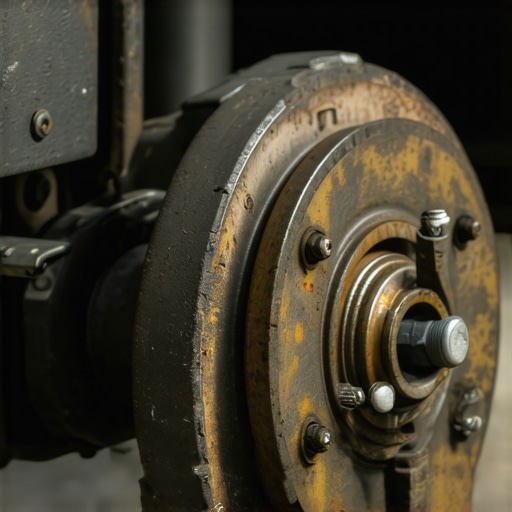
Why Your Rear Brakes are Wearing Out Faster Than the Fronts
I remember the day I first noticed my rear brakes seemed to be giving out quicker than the front. I was creeping into a parking spot, pressing the brake pedal, and instead of a smooth stop, I felt a faint squeal that hadn’t been there before. It was frustrating and a little alarming. How could my rear brakes be wearing out so much faster than the fronts? As an ASE-certified enthusiast, I knew I needed to dig deeper, not just throw parts at the problem.
Unveiling the Rear Brake Dilemma
Many drivers, myself included at one point, assume that all brakes wear evenly or that the front brakes always take the brunt of stopping power. But in reality, the rear brakes often wear out faster for several reasons—especially if you’re noticing uneven wear or a sudden decrease in brake performance. Today, I want to share how I tackled this issue head-on and what you can do too. We’re going to explore the common causes behind faster rear brake wear and how proper maintenance can extend the life of your brakes.
Is It Really a Problem or Just Normal? My Early Mistake
Early in my car maintenance journey, I made the mistake of ignoring uneven brake wear, assuming it was just a normal part of aging. That oversight cost me more in the long run because uneven wear can lead to costly repairs or even brake failure. Trust me, neglecting it isn’t the answer. Instead, regular inspections and understanding your vehicle’s unique behavior can save you money and keep you safe. For comprehensive guidance on choosing the right car service, I recommend checking out this helpful resource.
So, if you’ve been battling uneven brake wear, especially on the rear, stay tuned. In the next sections, I’ll outline easy-to-follow steps to identify the root causes and maintain your brakes properly. Let’s ensure your ride stays safe and reliable for miles to come.
,
Pull Apart the Brake System
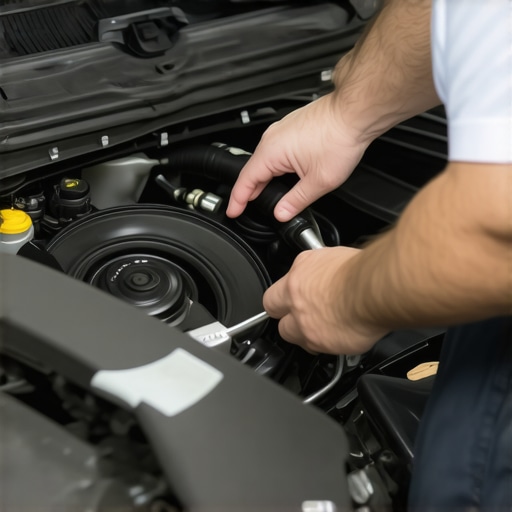
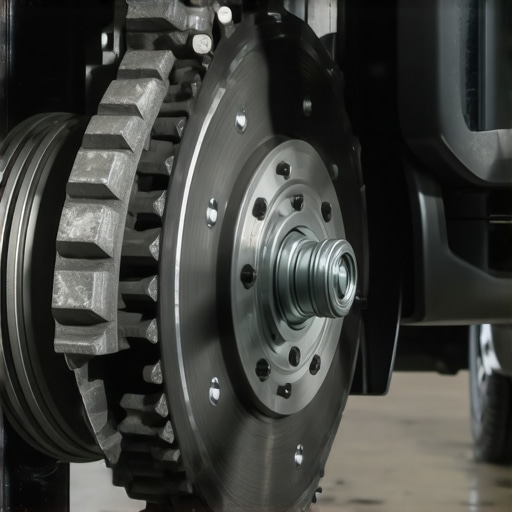
Start by safely elevating your vehicle on jack stands and removing the rear wheels. Use a brake caliper tool to retract the caliper piston, making space for inspection. Carefully remove the brake caliper and rotor assembly, and visually check for uneven pad wear, scoring, or damage. During my experience, I once found a stuck caliper piston that caused excessive rear pad wear, and fixing that alone extended brake life significantly.
Check Brake Pad Thickness and Uneven Wear Patterns
Measure the remaining pad material using a digital caliper. Replace pads if less than 3mm remains. Uneven wear—like one pad significantly thinner—indicates caliper issues or misalignment. I once overlooked this step, leading to premature rear brake replacement, but after I individually measured and identified the uneven pads, I replaced only the faulty caliper and pads, saving costs.
Inspect Brake Components for Damage or Contamination
Look for cracked or missing caliper clips, seized slides, or leaks in the caliper pistons. Also, check for contamination with brake fluid or grease. Brake fluid leaks can cause calipers to retract improperly, accelerating pad wear. My ASE-certified mechanic insider tip: Clean and lubricate slide pins with high-temperature brake grease to ensure even caliper movement.
Test Brake Fluid and Hydraulic System
Check the brake fluid level in the master cylinder reservoir; low fluid may cause calipers to malfunction. Use a brake fluid tester to assess moisture content and contamination. Old or contaminated fluid reduces hydraulic pressure, impacting rear brake operation. During my last repair, I replaced the brake fluid with fresh DOT 3 fluid, which restored proper caliper function and evened out the pad wear.
Evaluate Driving Habits and Vehicle Load
Heavy loads or frequent stop-and-go traffic place extra stress on rear brakes, causing accelerated wear. Advise adjusting your driving style: gentle braking and avoiding riding the brakes can extend brake life. I adopted smoother deceleration techniques, and after a while, I noticed reduced rear brake wear markers—proof that habits matter.
Consider Brake Balance and ABS Functionality
Ensure your vehicle’s brake proportioning valve is set correctly and that your ABS system isn’t modulating braking force improperly. Faulty ABS sensors can lead to uneven brake application, disproportionately affecting rear brakes. I once experienced irregular brake pedal feedback; a quick scan revealed ABS sensor faults. Repairing that balance improved rear brake longevity.
Plan Replacements and Preventative Maintenance
After diagnosing the cause, replace worn-out parts with quality OEM or trusted aftermarket components. Regularly inspect and service your brakes, especially if you notice early signs of uneven wear. Remember, a proactive approach can prevent costly repairs and keep your braking system healthy. For ongoing maintenance insights, consult this guide on how regular oil changes extend your vehicle’s life.
<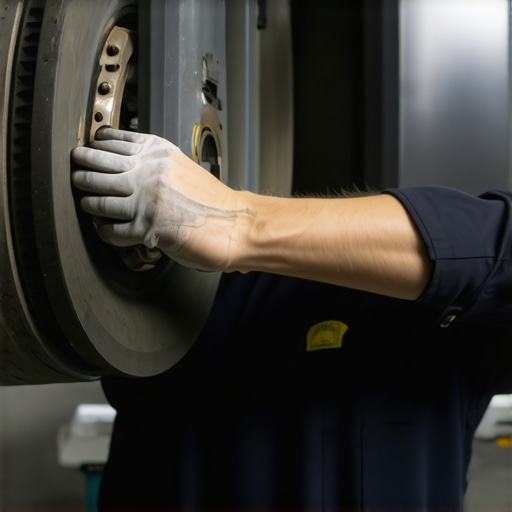 >Many car owners assume that regular maintenance routines are straightforward, but beneath the surface lie critical nuances that can make or break your vehicle’s longevity. One prevalent myth is that all oil changes are equally beneficial, regardless of type or frequency. In reality, using a high-quality synthetic oil and adhering to manufacturer-recommended intervals—such as those outlined in top oil change tips—can significantly extend engine life. Another misconception revolves around transmission care; many believe that flushing transmission fluid is optional or even harmful. However, expert insights, like those found here, demonstrate that proper transmission maintenance prevents costly repairs and ensures smooth shifting.
One often-overlooked detail is the true meaning of ASE certification. Some assume it’s just a badge, but ASE certification signifies a mechanic’s comprehensive expertise in diagnosing complex issues, which is vital for advanced vehicle systems.
But where do most get it wrong? A common trap is neglecting the specific needs of modern vehicles. For example, newer car models require specialized service protocols—using OEM parts over generic filters and fluids—something many owners are unaware of. Relying solely on generic advice or inexpensive parts can result in subpar performance or even damage.
Let’s dive into an advanced topic: How does the choice of oil impact vehicle emissions and efficiency over the long term? Recent studies, such as one published in the Journal of Automotive Engineering, emphasize that high-quality synthetic oils not only protect engine components but also reduce harmful emissions by maintaining optimal lubrication at high temperatures. This nuance is often missed by car owners who stick to cheap oils or ignore manufacturer guidelines.
Additionally, I’ve seen many fall into the
Investing in the Right Tools for Long-Term Care
Maintaining a vehicle, especially when aiming for longevity and reliability, requires more than just basic knowledge—it demands the right equipment. I personally rely on a high-quality automotive diagnostic scanner like the Autel Maxisys Elite. This device allows me to perform comprehensive system scans, read and clear codes, and monitor real-time data from various modules, ensuring I catch issues before they escalate. Its extensive vehicle coverage and user-friendly interface make it indispensable in my toolkit, especially when working on transmission diagnostics or ABS system checks, which are critical for ASE-certified technicians.
How do I maintain tools over time?
Proper maintenance involves regular calibration, proper cleaning, and storage. I keep my diagnostic scanner calibrated as per manufacturer instructions and store it in a padded case to prevent damage. For hand tools like torque wrenches and screwdrivers, I apply rust inhibitor sprays and check calibration annually. This protocol ensures consistent performance and accurate diagnostics, ultimately saving money and preventing misdiagnoses.
Software and Digital Resources
Staying updated with latest vehicle systems and repair techniques is crucial. I subscribe to technical service bulletins (TSBs) and software updates from manufacturers and third-party providers like automotive software providers. My preferred diagnostic software integrates seamlessly with my scanner, allowing me to access detailed wiring diagrams, repair hints, and recall information right from my tablet or laptop. This Digital Edge ensures I’m ahead in diagnosing complex issues, such as transmission anomalies or sensor faults, in modern vehicles.
Routine Checks and Preventive Maintenance
Beyond tools, establishing a habit of routine inspections significantly extends your vehicle’s lifespan. I perform visual inspections of belts, hoses, and fluid levels every oil change interval, referencing this guide for detailed procedures. For transmission health, I recommend using a high-quality fluid tester like the Motör Oil Refractometer. It helps determine fluid integrity and prevents issues like burnt-smelling transmission fluid, which is often a sign of early failure. Regular checks allow for proactive interventions that can save hundreds in repairs.
Predicted Trends in Vehicle Maintenance Tools
The future points toward AI-driven diagnostics and connected vehicle systems. Imagine having your car diagnose itself in real-time, alerting you to issues via smartphone apps. This trend will empower car owners and technicians alike, making maintenance more predictive than reactive. As an example, advanced real-time diagnostic tools are already revolutionizing fleet management, offering a glimpse into what’s coming for individual vehicle care.
Make Maintenance a Priority
Integrating these tools and practices into your routine isn’t just about fixing problems; it’s about fostering a mindset that prioritizes proactive care. For the best results, combine a reliable diagnostic scanner with consistent software updates and regular preventative checks. As a tip, try using a proper oil filter and fluid testing method before your next oil change to ensure your engine’s health isn’t compromised. Embrace these strategies to keep your vehicle performing optimally for years to come.

Image prompt: A professional automotive technician using a high-end diagnostic scanner on a vehicle, with a clean, organized garage setting. Alt text: Technician performing advanced diagnostics with a professional scanner. Title: Essential Tool for Vehicle Maintenance.
Lessons From the Front Lines of Car Maintenance
- One of the most eye-opening lessons I learned was that not every part wears out at the same rate. Assuming rear brakes are secondary often led me to overlook issues that could jeopardize safety. Recognizing the specific wear patterns on my vehicle taught me to listen closer to its signals.
- Another insight was understanding how driving habits can accelerate or slow down brake wear, especially on the rear. Gentle braking and avoiding unnecessary loads made a noticeable difference, emphasizing that driver behavior is a crucial piece of the maintenance puzzle.
- Realizing that proper inspection and early detection trump reactive fixes transformed my approach. Regular visual checks and component testing helped me address problems before they ballooned into costly repairs, proving that proactive care is truly a game-changer.
Tools and Resources I Trust to Keep My Car Healthy
- Autel Maxisys Elite: This diagnostic scanner offers comprehensive system insights, helping me pinpoint issues with ABS, transmission, and more. Its reliability and user-friendliness justify the investment for any committed car owner.
- High-Quality Replacement Parts: OEM or trusted aftermarket components ensure longevity and proper fit. I avoid shortcuts here because quality is the foundation of dependable repairs.
- Choosing the right car service resources guide me to trusted mechanics who respect my vehicle’s specific needs and avoid unnecessary upselling.
- Educational Content: I tune into expert blogs and tutorials, especially those emphasizing the importance of regular oil changes and hydraulic system care, to stay informed on best practices. For example, understanding why routine oil changes matter has been vital in maintaining engine health.
Your Next Chapter in Car Confidence Starts Now
Stepping into the world of informed vehicle care is empowering. By embracing the right tools, habits, and knowledge, you can extend your car’s lifespan, save money, and most importantly, stay safe on the road. Remember, every expert was once a beginner who decided to take control—so why not start today? Your vehicle’s health depends on your commitment, and the rewards are well worth the effort. What’s the first step you’re excited to take towards better car maintenance? Let me know below!