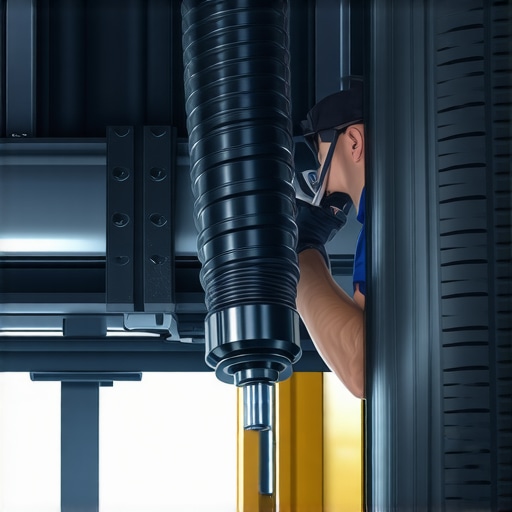
Why Your Car Shakes When You Apply the Brakes at High Speeds
It was a sunny Saturday afternoon, and I was cruising down the highway, feeling good about my trusty ride. Out of nowhere, I pressed the brake pedal — and suddenly, my car started shuddering violently. My heart sank. I thought, “Did I miss something during my last oil change? Or worse, is my transmission failing?” That unsettling jolt not only made me nervous but also left me questioning my car’s safety.
Over the years, I’ve learned that feeling your car shake when braking at high speeds is more common than most owners realize. At first, I brushed it off as just a minor issue, but it kept happening, and each time, my concern grew. It wasn’t until I dug into the root causes that I discovered some surprises—like how neglected brake rotors or warped discs can turn a smooth stop into a stomach-churning jolt.
Today, I promise to share with you the insights I’ve gathered from my own experience and trusted automotive sources. If your car shudders when you hit the brakes, you’re not alone—and more importantly, there are effective fixes within your reach. We’ll decode the common reasons behind this problem and help you restore that confident, smooth braking feeling.
The Hidden Culprits Behind Your Car’s Shaking When Braking
Before diving into solutions, it’s crucial to understand why this happens. Often, it’s not a sign of imminent disaster but a signal that maintenance is overdue or a part has worn out. Warped brake rotors are among the top offenders—imagine metal flexing with each brake application, causing that unsettling vibration. Other causes include uneven brake pad wear, loose components, or even issues with wheel alignment.
In my early days, I made the mistake of assuming that all brake problems stem from pads or rotors. I ignored the importance of regular inspections—until the shaking became severe. Trust me, neglecting minor issues today can lead to costly repairs tomorrow. If you want a reliable way to tell whether your braking shake is just a minor nuisance or an urgent problem, check out this detailed guide on how to identify brake problems early.
Understanding the root cause is the first step toward fixing the issue. The good news? Many causes are straightforward to address, especially with guidance from trustworthy sources. Now, let’s turn our attention to how you can tell if your brake system needs immediate attention or if it’s something manageable with simple maintenance.
Start with a Visual Inspection of Brake Components
Before diving into complex fixes, perform a straightforward inspection of your brake system. Jack up your car safely and remove the wheels to access the brake rotors and pads. Look for visible signs of warping, cracks, or excessive wear. If you notice uneven pad thickness or scored rotors, these are clear indicators you might need to replace or resurface them. Remember, small issues like uneven wear can cause vibrations, similar to how a bent bicycle wheel wobble affects your ride.
Check for Warped or Uneven Brake Rotors
Use a dial indicator or a specialized brake rotor gauge to measure rotor runout. Place the gauge on the rotor surface while spinning it by hand. If you find movement beyond the manufacturer’s specifications—often around 0.002 inches—it means rotors are warped. Resurfacing the rotors is an option if they are thick enough, but often replacement is more cost-effective and reliable. I once tried to get a few extra thousand miles from my warped rotors, but the shaking returned after just a few weeks, reinforcing the importance of addressing warping promptly.
Resurfacing or Replacing Brake Rotors
If you plan to resurface, have a trusted mechanic or nearby machine shop handle it, or consider replacing the rotors entirely. Replacing often requires bleeding the brake system afterward—a critical step to ensure proper brake fluid pressure. For peace of mind, consult an ASE-certified technician to perform this work, ensuring quality and safety.
Replace Worn Brake Pads and Ensure Proper Installation
Worn or uneven brake pads can cause pulsation and vibrations during braking. Measure pad thickness; if it’s below the minimum, replacement is necessary. When installing new pads, ensure they align correctly and are seated properly against the rotor. Use high-temperature brake grease on the backing plates to prevent noise and ensure smooth operation. A proper replacement can restore a smooth, vibration-free braking experience, just like the feeling of a well-balanced ride.
Inspect and Tighten Wheel Lug Nuts
Loose lug nuts can lead to wheel imbalance and shaking when braking. Use a torque wrench to tighten lug nuts to the manufacturer’s specification, often 80-100 ft-lbs. Be methodical—tighten in a star pattern to ensure even distribution. I once overlooked this step, and my shaking persisted even after rotor and pad fixes. Conscientious tightening is simple but crucial, much like tightening a bolt on a bike frame after a crash.
Test Drive and Confirm the Fix
After completing repairs, take your car for a test drive at various speeds. Brake firmly to check for vibrations. If the shaking is gone, celebrate your success. If it persists, revisit the previous steps or consider whether other issues, such as wheel alignment or suspension problems, may contribute. Sometimes, subtle issues like uneven tire wear or a bent rim can mimic brake problems, so inspect your tires as part of the process.
Maintain Regular Brake System Checks
Prevention is better than cure. Regular inspections—every 10,000 miles or as recommended by your vehicle manufacturer—can catch issues early. When getting a routine oil change, verify that your mechanic checks your brake pads and rotors. For in-depth insights into proper maintenance, see these preventative maintenance tips.
When it comes to vehicle maintenance, many car owners rely on common advice or surface-level knowledge. But to truly protect your investment and avoid costly repairs, it’s essential to understand the nuanced realities behind routine services like oil changes and transmission care. Let’s dig deeper into some misconceptions and advanced pitfalls that even seasoned drivers often overlook, so you can make smarter decisions and get the most out of your vehicle.
Are All Oil Changes Created Equal? Think Again
It’s a widespread belief that simply changing your oil every 5,000 to 7,500 miles is enough to keep your engine healthy. However, many assume that using the cheapest synthetic oil or neglecting the oil filter doesn’t matter much. In reality, the quality of the oil and the thoroughness of the service play critical roles. For instance, some quick-lube shops might just wipe the old oil off the filter, leaving potential contaminants behind—an oversight that can accelerate engine wear. To avoid this, check whether the service includes a complete filter replacement and a detailed inspection. Trustworthy shops and ASE-certified technicians will ensure every step is properly executed.
Common Myths About Transmission Maintenance
Many believe that transmission fluid lasts forever or that a flush can be skipped unless there’s a problem. In fact, transmission fluid deteriorates over time, collecting debris that hampers smooth shifting. A misconception is that transient symptoms like slipping or jerking are just minor annoyances when they can signal more serious issues lurking beneath. An often-overlooked nuance is that incorrect or infrequent fluid changes can cause irreversible damage, making repairs much more expensive. For advanced drivers, understanding the importance of using the right type of fluid—like specialized CVT or dual-clutch oils—is critical. For guidance, I recommend reading this expert advice on transmission care.
Why Cutting Corners in Car Service Can Backfire
Skipping necessary inspections or delaying service is a dangerous trap. Some drivers think that a quick oil change or replacing a single worn part is enough to keep their car running smoothly. But neglecting comprehensive diagnostics can hide issues like subtle leaks, worn seals, or sensor malfunctions that degrade performance and safety over time. One advanced mistake is neglecting to verify the qualifications of your mechanic. Many uncertified shops might not be familiar with the latest manufacturer specifications, risking incorrect installations or improper adjustments. Confirming ASE certification can be your safeguard against subpar work.
Can Cheap Parts and Low-Quality Fluids Cost You More?
The temptation to save money by opting for cheaper substitutes often leads to longer-term expenses. Counterfeit or low-grade filters and oils may save a few dollars upfront but can accelerate wear, cause leaks, or even damage sensitive components like turbochargers and sensors. Advanced mechanics emphasize that using quality parts—especially from reputable brands—ensures durability and optimal performance. Read this detailed analysis of how inferior materials compromise your engine’s longevity. Remember, a little extra investment now can prevent costly replacements later.
When it comes to keeping your vehicle in top shape, having the right tools and a clear maintenance plan is critical. Personally, I rely on a combination of precision instruments and software tailored to automotive diagnostics. For example, a high-quality OBD-II scanner like the Autel MaxiCOM MK808 allows me to perform quick yet comprehensive engine and transmission diagnostics, helping me identify issues before they escalate. I also use a magnetic dial indicator for measuring rotor runout—this simple tool provides instant insight into warping issues that often cause braking vibrations. By integrating these tools into routine checks, I ensure that problems are caught early, saving time and costly repairs in the long run.
As vehicle technology advances, predictive maintenance software like AutoEnginuity’s ScanTool Pro becomes invaluable. This software seamlessly connects with your vehicle’s ECU, offering real-time data and fault code analysis, which is essential for proactive care. Combining hardware and software not only enhances diagnostic accuracy but also streamlines maintenance tasks.
Looking ahead, I predict a trend towards smarter diagnostic tools that leverage AI and machine learning. These innovations will anticipate failures based on usage patterns, allowing for even more precise upkeep. Staying ahead means investing in tools that evolve with automotive technology.
How do I maintain my vehicle’s health over time? Dive into regular system checks, use certified parts, and keep detailed logs of service history to track performance trends. The importance of accredited technicians cannot be overstated; always verify your mechanic’s ASE certification to ensure expert handling. For instance, using an ASE-certified mechanic with the right diagnostic tools means your repairs align with manufacturer standards, reducing the risk of future breakdowns.
For immediate improvement, I suggest you start by acquiring a reliable scan tool like the Autel MaxiCOM MK808. It empowers you to conduct thorough diagnostics during routine maintenance visits or if you notice irregular performance. Remember, catching issues early — before they manifest as costly failures — is key to longevity. And don’t forget to regularly check your brake rotors with a dial indicator; warped rotors can cause that unsettling shudder when braking, which many drivers overlook. To maximize your vehicle’s reliability, integrate these tools into your routine and stay updated on emerging technologies. As the automotive landscape continues to evolve, your maintenance approach should adapt accordingly, ensuring your ride remains smooth and safe for miles to come.
Lessons from the Trenches That Changed My Approach to Car Care
One of the most eye-opening moments for me was realizing that neglecting even small signs—like a slight shudder during braking—can snowball into expensive repairs. I once ignored warped rotors until the shaking became severe, teaching me that timely attention is crucial. The harsh truth is, trusting quick fixes over comprehensive diagnostics often backfires, leading to more frustration and cost. These lessons made me appreciate the value of a meticulous approach, backed by trusted sources and proper tools, ensuring my vehicle’s longevity.
Tools and Insights That Elevated My Maintenance Routine
Investing in quality diagnostic tools, such as the Autel MaxiCOM MK808, transformed my ability to catch issues early. Coupled with reading trustworthy guides—like [how to spot an ASE tech who truly knows your engine](https://autofixclinic.com/how-to-spot-an-ase-tech-who-actually-knows-your-engine)—I’ve gained confidence in making informed decisions. These resources have saved me from costly guesswork, allowing me to act swiftly and accurately. Remember, the right tools and knowledge are your best allies in maintaining a vehicle that runs smoothly for years.
Take Action and Keep Your Ride in Top Shape
Don’t wait for a dramatic breakdown to focus on your vehicle’s health. Regular inspections, using quality parts, and verifying your mechanic’s expertise can make all the difference. Start by verifying your tech’s ASE certification and embrace diagnostic tools to monitor performance. Your effort now will pay dividends in reliability and safety down the road. So, what step will you take today to ensure your vehicle remains dependable? Share your plans below and let’s keep the conversation rolling around proactive car care!
,