Why Your Car Pulses When You Hit the Brakes
There was a morning not so long ago when I stepped on my brake pedal, expecting a smooth stop, only to be met with a jarring pulsation through the steering wheel and seat. My heart sank—I knew something was off, but I had no idea how common this issue really was or how serious it could become if left unchecked. It’s a frustrating sensation that can sneak up on even the most seasoned drivers, and I’ve been right there, caught off guard, wondering what my car was trying to tell me.
The Real Reason Behind That Pulsating Brake Feel
If you’ve experienced your car pulsing when applying the brakes, you’re not alone. This unsettling vibration often hints at underlying problems that can affect your safety, vehicle longevity, and even your wallet. From warped rotors to suspension issues, the causes can vary, but one thing’s certain: ignoring it won’t make the problem disappear. I learned this firsthand early in my maintenance journey—skipping a simple inspection led to more costly repairs down the line. Trust me, taking proactive steps can save you a fortune and a potential breakdown.
Is It Really Just a Normal Part of Brake Wear?
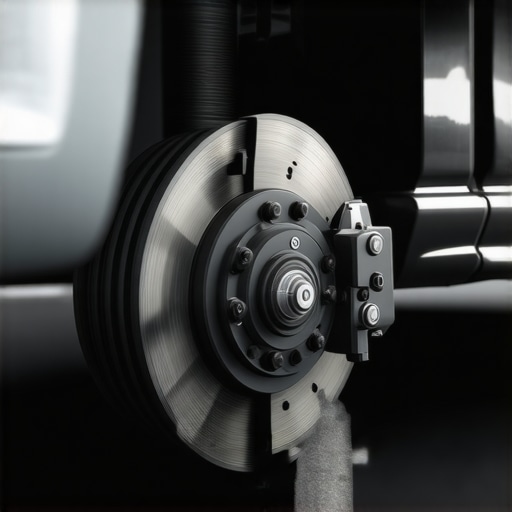
Many drivers, including myself at one point, think that a slight pulsation is just a sign your brakes are wearing out naturally. But in reality, it often signals that your rotors have warped, which can happen from intense heat or uneven braking. Warped rotors cause uneven contact between the brake pads and rotor surface, resulting in that pulsating sensation. They can also lead to quicker brake pad wear and reduced stopping power. I initially ignored the signs—only to find my stopping distances increased dangerously. You can read more about this common issue and how to address it here.
Before jumping to conclusions, ask yourself: Have I recently noticed brake squealing or a soft pedal? These signs often go hand-in-hand with pulsation and should prompt a visit to your trusted mechanic. Remember, your brakes are your first line of defense in an emergency. Keeping them in top shape is non-negotiable.
Start with a Visual Inspection of Rotors and Pads
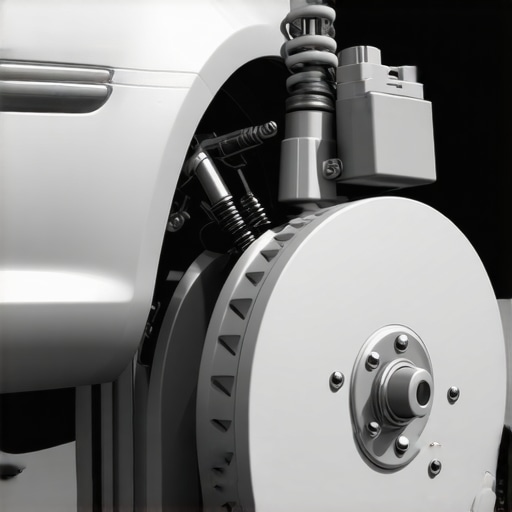
Begin by safely parking your car on a level surface, engaging the parking brake, and using wheel chocks. Remove the wheel to access the brake assembly. Look for obvious signs of damage such as uneven wear, cracks, or scoring on the brake rotors and pads. I once found a warped rotor with deep grooves, which clearly indicated the need for replacement, preventing a dangerous driving situation.
Measure Rotor Thickness and Runout
Use a micrometer to measure the thickness of your rotors at several points to check for uneven wear. Additionally, a dial indicator can measure rotor runout—the amount of wobble when the rotor spins. Excessive runout (more than 0.005 inches) suggests warped rotors needing trueing or replacing. I learned that ignoring slight deviations led to persistent pulsation, which was only fixed after machining the rotors properly.
Resurface or Replace the Rotors
If the rotors are warped but still thick enough (above the minimum thickness specified by your vehicle’s manufacturer), consider resurfacing them with a brake lathe. However, if they are too thin or severely damaged, replacing them is essential. Remember, cheap rotors may warp faster; investing in quality parts can save money long-term. For instance, after installing premium rotors, I noticed a significant reduction in brake vibration.
Replace Brake Pads and Hardware
Worn or unevenly worn brake pads can exacerbate pulsation. Always replace the pads along with any hardware like clips or shims. Use brake grease on contact points to prevent squealing. When I did this, I ensured a smooth, even application of pressure and improved braking feel, reducing pulsation.
Perform Proper Brake Bedding Procedure
Once everything is reassembled, bedding-in your new brake components by gradually increasing braking force from moderate to hard stops. This process helps the new pads and rotors mate perfectly. I once skipped this step, leading to uneven bedding and pulsation—so I learned that patience during bedding dramatically improves braking smoothness.
Test Drive and Reassess
Finally, carefully test drive your vehicle at different speeds and braking intensities. If pulsation persists, double-check for caliper issues, uneven pad seating, or residual vibrations. Persistent problems might indicate underlying suspension issues or unbalanced tires, which are worth inspecting to prevent future vibration problems. Regular maintenance like this keeps your brakes responsive and safe.
When it comes to car care, many drivers believe they understand the basics—like routine oil changes or checking tire pressure. However, those common assumptions often mask nuanced truths that can significantly impact your vehicle’s health and longevity. For instance, it’s a widespread myth that all oil changes are identical; in reality, using the wrong oil viscosity or neglecting proper oil specifications can cause engine wear or reduced efficiency. Many assume that a standard service covers everything, but missing specialized tasks like transmission flushes or differential maintenance can lead to costly damage down the line. As an ASE-certified technician, I can tell you that the true depth of proper vehicle care involves understanding advanced nuances, such as the importance of precise fluid types and service intervals tailored to your driving style. Did you know that jumping your modern car without following manufacturer guidelines can cause more harm than good, damaging sensitive electronic systems? Avoid falling into the trap of oversimplified advice—your vehicle’s complex systems require attention beyond generic recommendations. When inspecting your car, consider whether a simple fluid top-off suffices or if a comprehensive systems analysis is warranted. For example, using low-quality filters or neglecting to replace worn-out parts during maintenance can exponentially increase wear and tear. Curious about how to spot authentic ASE-certified technicians who truly understand these intricacies? Look for a shop that emphasizes ongoing education and specializes in your vehicle type. The secret is that advanced maintenance practices—like precise transmission fluid levels or differential service—are often overlooked yet crucial for optimal performance. So, next time you schedule service, ask your mechanic about these finer details. Remember—your vehicle is an intricate machine, and understanding these subtle nuances can save you thousands of dollars and prevent unexpected breakdowns. Have you ever fallen into this trap? Let me know in the comments.
Tools I Trust for Long-Term Car Maintenance
Maintaining a vehicle over time requires precision and the right equipment. I rely heavily on a high-quality digital multimeter, like the Fluke 115, for diagnosing electrical issues such as faulty sensors or wiring problems. Its accuracy helps prevent unnecessary replacements and ensures your car’s systems function correctly. Additionally, I use a professional-grade scan tool—specifically, the Autel MaxiCOM MK808—because it provides comprehensive live data, allows code clearing, and integrates with manufacturer-specific modules, making troubleshooting more efficient. Investing in these tools has saved me countless trips to the mechanic and prolonged the lifespan of my vehicle.
Follow Proven Methods for Reliable Results
Beyond tools, employing correct procedures is vital. For instance, when checking transmission fluid levels, I follow the multistep process outlined in automaker technical service bulletins, ensuring the vehicle is at the proper temperature and on a level surface. This precision prevents overfilling that can cause shifting issues or underfilling leading to wear. Regularly reading diagnostic trouble codes (DTCs) through my scan tool helps catch problems early, avoiding costly repairs and improving safety. Staying consistent with these expert-recommended methods ensures your vehicle remains dependable over the years.
Future of Vehicle Maintenance
Advancements in diagnostic software and connected vehicle platforms are shaping the future. Expect diagnostic tools to become more integrated with mobile devices, providing real-time alerts about critical systems. As a proactive owner, adapting to these innovations—perhaps by investing in OEM-specific scan tools or software updates—will be essential. For example, understanding the specifics behind a str Strawberry Milkshake appearance in transmission fluid can save you from expensive overhauls. Staying ahead with these technologies empowers you to keep your car in prime condition for miles to come.
How do I maintain my vehicle’s systems over time?
Consistent inspections using high-quality diagnostic tools, regular fluid checks—like those recommended in differential maintenance guides—and staying current with manufacturer service updates are key. Remember, proper maintenance isn’t just about catching problems early; it’s about understanding how your vehicle’s many systems work together. For example, an improperly maintained transmission or leaking differential can lead to long-term damage that’s costly to repair. Incorporate these advanced techniques, and you’ll significantly extend the life of your car.
Try integrating a top-tier scan tool into your routine maintenance—it’s an investment that pays for itself by alerting you to issues before they escalate. As vehicle technology evolves, having these tools and knowledge becomes indispensable. Don’t wait for a breakdown; be proactive, and your vehicle will reward you with reliable performance for years to come.
The Wisdom I Wish I Had Taken Seriously About Routine Repairs
One of the most valuable lessons I learned was that consistent, proactive maintenance isn’t just about fixing problems—it’s about understanding your vehicle on a deeper level. I once ignored subtle signs like minor vibrations, only to find my repair costs skyrocketed because I failed to address small issues early on. Realizing that every component, from transmission fluid to brake rotors, has an optimal lifespan, changed my approach entirely. Sometimes, a visual check can reveal much more than a dashboard warning; trust your eyes and intuition as much as your tools.
Inside My Toolbox for Keeping My Car Top-Notch
Over time, I’ve come to rely on high-quality diagnostic tools like the Autel MaxiCOM MK808, which offers comprehensive system scans and real-time data. Pairing that with a precision digital multimeter such as the Fluke 115 helps me diagnose electrical glitches before they turn into stranded situations. Investing in these tools has empowered me to troubleshoot effectively, often saving money and time. They’ve become indispensable for catching issues early—like a slipping transmission or a strange wiring problem—before they escalate into costly repairs.
Taking Charge of Your Car’s Health Starts Now
There’s no better time than today to get familiar with your vehicle’s intricate systems. Use your diagnostic tools regularly, stay on top of fluid condition and levels, and don’t be afraid to ask questions during service appointments. Modern vehicles are marvels of technology, but they require a proactive owner to keep them running smoothly. Embrace the knowledge—your car’s reliability and your safety depend on it. If you’re curious about how to spot issues early, exploring more about [the hidden damage caused by jump-starting incorrectly](https://autofixclinic.com/the-hidden-damage-caused-by-jump-starting-your-modern-car-incorrectly) can be eye-opening. Remember, being informed is your best defense against unforeseen breakdowns.