The hidden reason your brake pedal feels rock hard
It was a chilly morning, and as I pulled out of my driveway, I pressed the brake pedal—only to find it stiff, unyielding, like pressing against concrete. My heart sank. That sudden, rock-hard brake pedal is a nightmare for any driver. It’s one of those issues that strike without warning and make you question everything about your vehicle’s safety.
Facing the Frustration of a Stiff Brake Pedal
Every car owner dreads that moment when the brake pedal becomes unresponsive or overly stiff. It’s not just inconvenient; it can be downright dangerous. I remember the first time I encountered this problem—it was during a routine trip to the grocery store, and I couldn’t get the pedal to budge. The panic set in. Was it something major? Would I need a costly repair? The truth is, a rock-hard brake pedal usually indicates a problem that, if addressed promptly, can be fixed without breaking the bank—assuming you know what to look for.
Is a Stiff Brake Pedal Actually Worth the Hype?
At first, I thought maybe it was just a pad or a minor issue, but I learned the hard way that ignoring such symptoms can lead to more severe problems down the line. Early on, I made the mistake of just pumping the brakes repeatedly—thinking it might loosen the system. Big mistake. This only masked the real issue and delayed the proper diagnosis, risking my safety and that of others. That’s why understanding the underlying causes of a hard brake pedal is crucial. It’s not just about comfort; it’s about being safe on the road. If you’ve ever experienced this, you’re not alone. Many drivers face this problem without knowing the root cause, and that’s exactly what I’m here to help you uncover. Dive in, and I’ll guide you through the common reasons behind this issue and how to fix it before it turns into a real hazard. Knowing what to check can save you time, money, and unnecessary stress. Want to get to the bottom of your brake problem? Let’s start with what might be causing that stiff pedal and how you can tackle it effectively. For more detailed insights on brake system issues, don’t hesitate to visit our [contact page](https://autofixclinic.com/contact-us) and get professional help when needed.
Inspect the Brake Fluid and Reservoir
Start by opening your vehicle’s hood and locating the brake fluid reservoir. Check the fluid level; if it’s low, top it up with the recommended brake fluid for your car. A low level can cause the pedal to feel stiff or spongy. Ensure the cap is tightly closed after topping off.
Examine the Brake Lines for Leaks or Damage
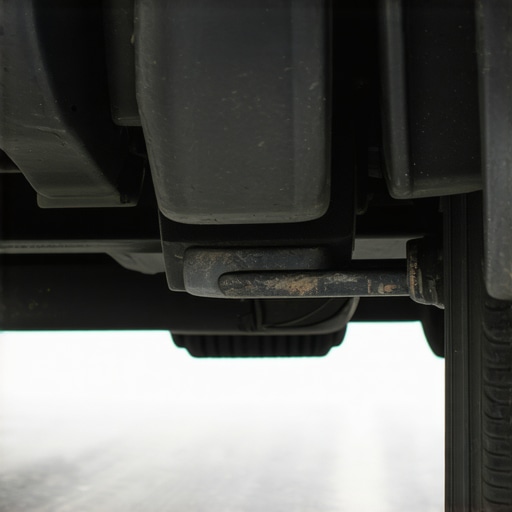
Carefully inspect the brake lines for visible leaks, cracks, or corrosion, especially near the wheel wells and under the vehicle. Damaged lines can introduce air into the system or reduce hydraulic pressure, leading to pedal stiffness. If you notice leaks, replacing the damaged line is crucial to restore proper function.
Bleed the Brake System to Remove Air Bubbles
Air trapped in the brake lines can dramatically affect pedal feel. To bleed the brakes:
- Locate the bleeder valve on each wheel caliper or drum brake assembly.
- Attach a clear tube to the valve and submerge its end in a container with clean brake fluid.
- Have an assistant press the brake pedal slowly and hold it down.
- Open the bleeder valve to let out air and fluid, then close it before the pedal is released.
- Repeat until only clear, bubble-free fluid exits and the pedal feels firm.
Perform this process on all four wheels for best results. This step effectively eliminates air pockets that compromise hydraulic pressure and cause pedal stiffness.
Check the Master Cylinder and Brake Booster
The master cylinder is responsible for generating hydraulic pressure. If it’s failing, the pedal may feel hard. Similarly, a malfunctioning brake booster can cause pedal issues. To diagnose:
- Listen for hissing sounds around the brake pedal—indicative of a vacuum leak in the booster.
- Test the pedal’s firmness with the engine off; if it remains hard, the master cylinder may be at fault.
If you suspect either component is faulty, professional replacement is recommended, especially to ensure safety and compliance with standards.
Verify Brake Pad and Caliper Function
Worn brake pads or sticking calipers can create uneven pressure and stiffness. To assess:
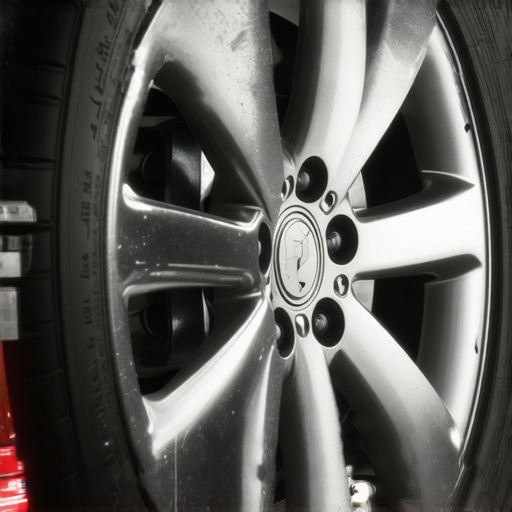
- Remove the wheels safely using a jack and lug wrench.
- Inspect the thickness of the brake pads; replace if below the manufacturer’s minimum thickness.
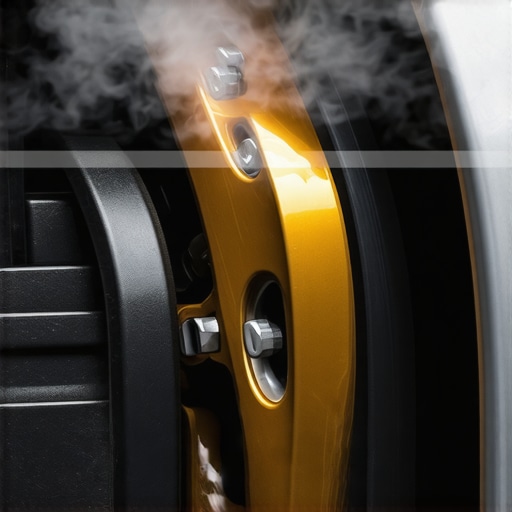
- Check caliper movement; it should slide smoothly. Sticking calipers need cleaning or replacement.
This process might take some mechanical skill, but it directly addresses issues causing pedal stiffness due to component wear or failure.
Consult a Professional if Unsure
While many steps can be tackled by a confident DIYer, brake systems are critical to vehicle safety. If at any point you feel unsure or unable to resolve the issue, visit our contact page for expert assistance. Remember, proper maintenance and timely repairs can keep your brakes reliable and your driving safe.
Many drivers believe that taking their vehicle in for routine maintenance is straightforward, but beneath the surface lie nuanced misconceptions that can impact your car’s longevity and safety. A common myth is that all oil changes are equally beneficial, yet experts emphasize that using high-quality synthetic oils and adhering to manufacturer-recommended intervals are crucial for optimal engine health. Rushing to the nearest quick-lube shop to save a few dollars might seem convenient, but these services often overlook specific engine requirements and neglect detailed inspections, as highlighted in our oil change guide.
A significant oversight involves transmission maintenance. Many owners forget that transmission fluid isn’t just a simple lubricant; it plays a vital role in preventing overheating and wear, especially in modern vehicles with complex systems. Regularly checking and replacing transmission fluid according to manufacturer specifications can prevent costly repairs down the line. For advanced drivers, understanding the difference between a transmission flush and a simple drain-and-fill is essential—details explored in our transmission maintenance article.
Another common misconception is assuming that ASE certification signifies a mechanic’s infallibility. While ASE certification demonstrates a technician’s competence, it doesn’t automatically equate to experience with your particular vehicle model or brand. Many car owners overlook that ASE-certified mechanics might still specialize in certain areas, so verifying their expertise relevant to your vehicle is wise. Check out this detailed explanation.
Why do these myths persist? Partly, because the automotive industry is complex, and manufacturers often release new technologies that require specialized knowledge. For example, hybrid and electric vehicles demand different maintenance protocols that many service centers may not be fully equipped to handle. Relying solely on traditional advice or quick fixes can lead to overlooked issues, such as neglected battery health or software updates.
Let’s address a tricky question that advanced enthusiasts often ponder: How can you tell if your mechanic truly understands the latest automotive innovations? The answer lies in continuous education and certifications beyond basic ASE credentials. Ask whether they stay updated through manufacturer-specific training or specialist certifications. This proactive approach ensures your vehicle receives the most current care.
In summary, being informed about the nuances of car maintenance saves you money and prevents unexpected breakdowns. Don’t just accept conventional wisdom at face value—dig deeper, ask questions, and choose service providers committed to staying ahead of industry advancements. Have you ever fallen into this trap? Let me know in the comments, and remember, professional assistance is just a click away.
Investing in Reliable Diagnostics Software
One of my go-to tools is a high-quality OBD-II scanner, like the Autel MaxiScan MS300. It’s affordable yet capable of reading not just standard codes but also live data streams from your engine control unit. This allows me to monitor real-time engine parameters, track sensor performance, and diagnose issues before they escalate, saving both time and expense. As vehicle systems grow more complex, software solutions like OBDLink MX or BlueDriver Pro provide deeper insights and compatibility with newer cars, especially hybrids and EVs. Regularly scanning your vehicle, even when no warning lights are on, helps maintain optimal performance and prevents minor issues from turning into major repairs.
Quality Hand Tools Make the Difference
For routine maintenance tasks, I rely on a set of high-quality, metric-specific wrenches and sockets from brands like GearWrench or Astro Pneumatic. These tools offer precision fitment, reducing the risk of stripping bolts or nuts during oil changes or transmission work. Investing in a good torque wrench, such as the Lambda TI-140, ensures you tighten components to manufacturer specifications, which is critical for maintaining safety and longevity. Proper tools empower DIY enthusiasts to perform tasks like oil filter replacements or caliper servicing with confidence, ensuring work is done right the first time.
Implementing a Maintenance Log System
I consistently track all maintenance activities using digital tools like CarFax or a personalized Excel spreadsheet. Recording dates of oil changes, filter replacements, fluid flushes, and inspections creates a maintenance history that aids in diagnosing future issues. It also helps when selling the vehicle, demonstrating well-maintained history. For long-term health, following manufacturer schedules outlined in resources like our oil change guide ensures you’re taking timely action. This disciplined approach reduces unexpected breakdowns and keeps your car running smoothly for years.
Future of Maintenance: Automation and Data Integration
Looking ahead, I anticipate more vehicles will come equipped with predictive maintenance systems that utilize AI and IoT sensors. These can alert owners to wear-and-tear before symptoms manifest, like worn brake pads or transmission overheating. As technology advances, integrating your diagnostic data with cloud-based platforms could allow for remote monitoring by certified technicians, reducing downtime. Staying ahead of these trends mean investing in compatible tools now is wise—like upgraded scanners or sensor calibration devices.
How do I keep my car running smoothly over time?
Consistent maintenance routines, quality tools, and staying informed through credible resources are your best bet. Prioritize scheduled oil changes with the right products, like synthetic oils suitable for turbo engines—see this guide for expert tips. Regular transmission fluid checks and using diagnostic software will identify issues early. To make maintenance less daunting, consider training yourself with online tutorials from certified professionals, and don’t hesitate to reach out for expert assistance when needed—visit our contact page for help.
Three Surprising Truths That Changed My Approach to Car Care
First, I realized that ignoring the subtle signs of brake system wear could lead to dangerous failures, underscoring the importance of regular, proactive diagnostics rather than reactive repairs. Second, I learned that investing in quality tools and staying educated on modern vehicle systems—like hybrid and electric models—can save money and enhance safety over time. Lastly, I discovered that a skilled ASE-certified technician with experience in your specific vehicle type can make all the difference, emphasizing the value of trustworthy expertise in complex repairs.
Tools and Knowledge That Transform Vehicle Upkeep
My essential toolkit includes a high-quality OBD-II scanner like the BlueDriver Pro, which offers real-time data to catch issues early. I also rely on a durable set of metric hand tools from GearWrench and a reliable torque wrench, enabling me to perform precise maintenance. Additionally, I follow trusted resources such as the oil change guide and keep a maintenance log to track every service, ensuring my vehicle stays in top shape for years to come.
Your Next Move Starts Today
Every journey to better vehicle health begins with a single step. Whether you’re tackling simple checks or planning full-scale maintenance, remember that knowledge and quality tools are your allies. Don’t hesitate to seek professional help when needed by visiting our contact page. Empower yourself to keep your car safe, reliable, and ready for the road ahead—your future self will thank you.