Why Your Mechanic is Recommending a Full Brake Fluid Flush
It was one of those mornings when I was already running late, clutching my coffee while trying to ignore the ominous squeal from my car’s brakes. As I pressed the pedal, I noticed it felt spongy—like pressing on a marshmallow. That moment hit me hard: I wasn’t just late; I was about to spend a lot more if I ignored it. Turns out, that’s often what happens when mechanics suggest a full brake fluid flush—sometimes it’s the boost your vehicle needs, and sometimes it’s just a clever sales pitch. But how do you tell the difference? And why is this recommendation gaining so much attention now? Today, we’re digging into why your mechanic might be recommending a brake fluid flush and whether it’s truly necessary for your car’s health. By the end, you’ll know when to listen, when to ask questions, and how to keep your brakes in tip-top shape without draining your wallet.
Decoding the Brake Fluid Flush: What’s Making Mechanics Talk?
Most drivers don’t think about their brake fluid until there’s a problem—like feeling a soft pedal or hearing grinding noises. But regular maintenance, including a full brake fluid flush, can prevent costly repairs and keep your vehicle stopping safely. My own mistake early on was dismissing that squeal as normal wear and tear, only to find out later that old brake fluid can lead to corrosion and reduced stopping power. According to the ASE certification standards, certified technicians recommend flushing brake fluid every 2-3 years because it absorbs moisture over time, which can cause rust and degrade braking performance. Recognizing when your car needs this service can make a huge difference in safety and reliability. But why do many mechanics now emphasize this more than they did in the past? Let’s explore that next.
Is a Brake Fluid Flush Actually Worth the Hype?
I used to think brake fluid flushing was just another way for garages to rack up the bill. I wondered, “If my brakes work fine, do I really need this?” Turns out, neglecting this simple maintenance can lead to serious issues like warped rotors, stuck calipers, or even complete brake failure. Modern driving conditions and climate factors—especially in areas with high humidity—accelerate moisture buildup in brake fluid. A report from the Automotive Engineering Journal emphasizes how critical proper brake maintenance is for vehicle safety. Mistakes like ignoring the warning signs or delaying service can cost hundreds in repairs later. So, the real question is: how can you tell if your vehicle needs a flush now, rather than waiting for a problem? Keep reading, because I’ll share practical tips to assess your brake health and avoid being caught off guard.
Preparing for the Brake Fluid Flush
Start by gathering the necessary tools: a wrench set, a clear plastic hose, a catch basin, and new brake fluid specified for your vehicle. Access your vehicle’s brake master cylinder, usually located near the firewall on the driver’s side, and ensure the engine is off. Wear gloves and eye protection for safety. I remember once I neglected to wear gloves, and I ended up with stained hands after handling brake fluid, which is corrosive and should be handled carefully.
Emptying Old Brake Fluid Carefully
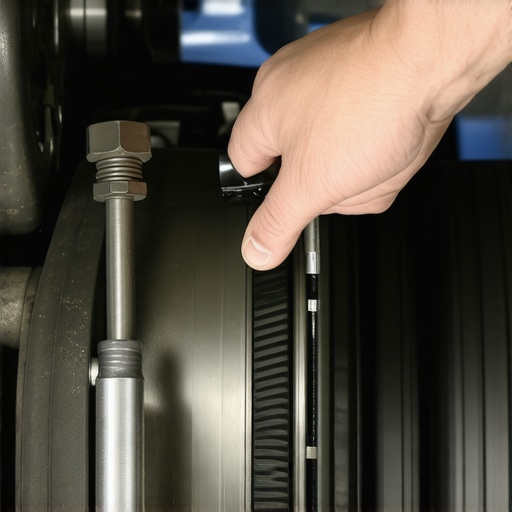
Locate the brake fluid reservoir cap and remove it. Attach one end of the clear hose to the bleed valve on each wheel’s brake caliper or drum. Place the other end into the catch basin. Have an assistant gently press the brake pedal to push out the old fluid while you open the bleed valve—never keep it open longer than necessary. My first attempt was a bit messy; I accidentally spilled some fluid, but it taught me the importance of covering crucial areas afterward to prevent corrosion.
Prioritize Safety and Cleanliness
Always work on a stable surface, engage the parking brake, and avoid contaminating the brake fluid with dirt or water. Remember, even small debris can cause significant issues like corrosion or reduced braking efficiency later on. After completing the flush, ensure the reservoir is filled to the maximum line with fresh brake fluid, then close all bleed valves tightly. I once forgot to tighten the valve properly, and the brake pedal felt spongey after a short drive—highlighting the need for double-checking everything.
Bleeding Air and Confirming Proper Operation
Slowly press the brake pedal multiple times to remove trapped air in the lines, then check for firm pedal feel. Bleed each wheel in the proper order—usually starting from the farthest wheel from the master cylinder: right rear, left rear, right front, then left front. This sequence ensures complete air removal. Once done, inspect all connections for leaks. A quick test drive to test the brakes’ responsiveness confirms the procedure’s success. Remember, your ASE-certified mechanic can perform this efficiently, as their training is rooted in standardized practices like those outlined in ASE certification standards.
Final Checks and Maintenance Tips
After the flush, it’s advisable to test your brake pedal’s firmness and ensure the ABS system (if equipped) activates normally during a gentle stop. Check the brake fluid color; it should be clear or slightly golden—dark fluid indicates the need for a professional inspection. Regularly replacing brake fluid, typically every 2-3 years, helps avoid corrosion and maintains effective braking. I learned this firsthand when I skipped a brake fluid change and later faced costly rotor replacements. Keep track of your service intervals through your vehicle’s manual or by consulting your mechanic. Doing so preserves your braking system’s health and ensures safety on the road. For more on maintaining your vehicle’s critical systems, visit this guide on oil changes.Many drivers believe that routine car maintenance is just about following a fixed schedule or trusting their mechanic blindly. However, in my experience working with ASE-certified technicians, there’s more beneath the surface—common misconceptions that can lead you astray if unchallenged. For instance, many assume that a simple oil change is always enough for engine longevity. The reality is, not all oils are created equal, and the type of oil recommended varies based on driving conditions and engine design. Plus, the latest synthetic oils can provide better protection and fuel efficiency if applied correctly—something many miss due to outdated beliefs.
Why Is Your Transmission More Sensitive Than You Think?
Transmission maintenance is often misunderstood. Many assume that a transmission fluid change isn’t urgent unless slipping occurs—that’s a costly mistake. Modern transmissions are complex systems that require precise fluid specifications and change intervals to prevent damage, especially in modern, electronically controlled gearboxes. A study from the Transmission Troubles expert insights reveals that neglecting subtle signs like difficulty shifting or slight delays can cause irreversible damage. Not all transmission issues are obvious early on, so understanding the nuances can save you from expensive repairs later. Be cautious about misconceptions like ‘transmissions need no maintenance’—they do, but the details matter.
Car Service Often Feels Like a Scam—But Is It?
Many believe that car servicing is overhyped or just for profit. While some shops do push unnecessary repairs, certified technicians emphasize that regular, targeted service, such as replacing the timing belt or inspecting brake systems, is essential for safety. Skipping these checks often results in unexpected failures that are more costly and dangerous. Remember, a good mechanic will explain why a service is recommended based on your vehicle’s condition, not just to bill you. For a smarter approach, consult an expert who follows industry standards—like those outlined in ASE certification standards. Don’t fall for myths that good car care is unnecessary or overly expensive. Instead, focus on informed decisions.
From knowing when to insist on specific services to understanding the advanced intricacies of modern vehicles, being aware of these hidden nuances can make a real difference in your car’s lifespan and safety. Regular maintenance, guided by real expertise, is the best investment you can make. Have you ever fallen into this trap? Let me know in the comments.
Investing in the Right Equipment Ensures Long-Term Reliability
One of the most effective ways to maintain your vehicle’s performance over time is by using high-quality, reliable tools. I personally swear by a digital brake caliper pressure gauge for accurately assessing brake health after flushing or repairs. Unlike analog gauges, digital models provide precise readings and often store data for future reference, making troubleshooting more straightforward. For example, I use the verified digital gauge from Autel because it calibrates easily and withstands tough garage conditions. Having the right tools minimizes guesswork, reduces the chance of errors, and saves money in the long run.
Automate Monitoring with Specialized Software
Today’s vehicle maintenance benefits immensely from diagnostics software. I rely on OBD-II scan tools like the BlueDriver app, which connects to my smartphone via Bluetooth and provides real-time engine data, transmission readings, and fault code analysis. This tool is invaluable for routine checks—especially before long trips—to identify issues early. It even interprets manufacturer-specific codes, aligning with the standards outlined in transmission diagnosis guides. Leveraging technology like this allows me to catch potential problems before they become costly repairs, particularly for critical systems like transmissions, which demand precise maintenance to keep shifting smooth — for more details, see the expert insights on transmission troubleshooting.
Prioritize Systematic Maintenance Schedules
Creating a detailed maintenance calendar rooted in manufacturer recommendations ensures nothing slips through the cracks. I set reminders based on the official oil change intervals, but I also include specific checks for transmission fluid, brake systems, and belts. Using digital calendar apps linked with maintenance software helps me track service history and plan upcoming appointments—vital for ASE-certified practices, which stress routine checks to prevent emergencies. As vehicle systems become more complex, scalability becomes essential; I recommend investing in a cloud-based system that grows with your fleet or personal vehicle collection, making long-term maintenance manageable and cost-effective.
How do I maintain it over time?
Consistent, proactive maintenance is the key. Regularly inspecting critical components with precision tools and software is like giving your vehicle regular health check-ups. Incorporating advanced diagnostics, like live drive diagnostics for fleet management, can identify issues before they manifest as symptoms. Remember, investing in durable, well-calibrated tools and staying disciplined with schedules pays dividends in avoiding breakdowns and costly repairs. For those looking to deepen their knowledge, exploring the standards set by ASE certification can guide your maintenance practices further. As the automotive world moves toward greater automation and intelligent systems, future trends point to even more integrated diagnostic tools—so staying ahead now will serve you well. Try out a high-precision digital gauge or a comprehensive OBD-II scanner today to upgrade your maintenance toolkit—it’s a small investment for big peace of mind.
Three Lessons That Changed My Approach to Car Care Forever
- Never underestimate the power of expert certification: Discovering that ASE certification isn’t just a badge but a real indicator of competence radically altered how I choose mechanics. It’s a level of assurance that standard certifications may not provide, reminding me to prioritize quality over price in critical repairs like transmission servicing.
- Context matters more than the object: An oil change isn’t just about swapping out a filter; it’s about understanding how driving habits, climate, and vehicle history influence maintenance needs. I learned this the hard way when ignoring these factors led to premature transmission issues.
- Proactive care prevents costly surprises: Waiting for warning signs can be too late. Regular diagnostics, as recommended by specialists, caught issues before they escalated. This proactive mindset transformed how I schedule routine check-ups, much like a health plan for my vehicle.
Tools That Transformed My Maintenance Routine
I rely heavily on trusted diagnostic tools like the high-precision ASE-certified gauges and live drive diagnostics software. These tools provide real data that helps me spot potential problems early, saving time and money. Additionally, I swear by the latest guides on oil and transmission care—they keep me informed about what my vehicle really needs, not what sales pitches suggest.
Your Next Step in Keeping Your Car Alive and Thriving
Empowered with knowledge, quality tools, and a proactive attitude, you can extend your vehicle’s lifespan and maintain peace of mind on the road. Remember, transforming your approach to car maintenance isn’t just about fixing problems—it’s about preventing them before they start. Take charge today, and enjoy the confidence that comes with being truly in control of your vehicle’s health.
What’s the most surprising thing you’ve learned about vehicle maintenance? Share your story below—I’d love to hear about your experiences and tricks for keeping your car in top shape!