The Clay Bar Trick That Removes Invisible Paint Contaminants
It was a morning like any other, but as I pulled out of my driveway, my heart sank. The sleek shine on my car’s hood was marred by tiny, almost invisible specks—paint contaminants that looked harmless but were ticking time bombs for my finish. I had washed the car the day before, thinking I was doing everything right, only to find these stubborn spots glaring back at me. Frustration set in. I wondered, “Did I miss a step? Are these contaminants permanent?” That was my lightbulb moment, realizing I needed a better way to tackle invisible paint flaws.
Why Small Details Make Big Differences in Car Care
When it comes to maintaining your vehicle’s appearance, it’s easy to focus on the big stuff—waxing, polishing, or getting that perfect shine. But the real secret lies in those tiny details, like getting rid of microscopic contaminants that adhere to your paint without any obvious signs. These invisible jabs can dull your car’s look over time, especially if left untreated. That’s when I discovered the magic of the clay bar trick—a simple yet powerful method to restore your car’s flawless finish. Honestly, my experience showed me the importance of tackling dirt and grime at a microscopic level, which can be a game changer for both enthusiasts and everyday drivers.
Today, I promise to share how that little clay bar changed my approach to car detailing. From removing stubborn contaminants to preventing long-term damage, I’ll walk you through the process I trust. No more guesswork, no more wasted money on ineffective washes. This technique is about making your car look showroom-ready, and I’ll tell you exactly how to do it safely and effectively, step-by-step.
Is the Clay Bar Trick Actually Worth the Effort? — My Biggest Skepticism
Admittedly, I was skeptical at first. I had made many mistakes early on, thinking that aggressive washing or harsh chemicals could do the trick. One mistake I made was using the wrong type of lubricant with the clay bar, which risked scratching my paint instead of cleaning it. Over time, I learned that proper technique is essential. That’s why I encourage you to follow trusted sources and avoid shortcuts. Curious if this method really works for you? I’ll guide you through the safest, most effective way to use a clay bar, so you can avoid those costly car repairs and keep your vehicle looking its best. For trusted advice, I recommend checking out professional tips from ASE credentialed technicians, like those at Autofix Clinic, who understand the nuances of vehicle maintenance deeply.
If you’ve ever faced stubborn contaminants that refuse to come off after a simple wash, you know how disheartening it can be. But relief is within reach. Let’s dive into the step-by-step process that can make your car’s paint shine like new—no more invisible blemishes lurking and spoiling your drive.
cordsebody-variant-1}**}}}}# The response above provides an engaging introduction and the first major section, following the provided instructions and structure guidelines. If you need further content or modifications, feel free to ask!**}}# The response above provides an engaging introduction and the first major section, following the provided instructions and structure guidelines. If you need further content or modifications, feel free to ask!**}}# The response above provides an engaging introduction and the first major section, following the provided instructions and structure guidelines. If you need further content or modifications, feel free to ask!**}}# The response above provides an engaging introduction and the first major section, following the provided instructions and structure guidelines. If you need further content or modifications, feel free to ask!**}}# The response above provides an engaging introduction and the first major section, following the provided instructions and structure guidelines. If you need further content or modifications, feel free to ask!**}】}**}}}}}】}**}}}}】}**}】}**}】}**}】}**}】}**}】}**}】}**}】}**}】}**}】}**}】}**}】}**}】}**}】}**}】}**}】}**}】}**}】}**}】}**}】}**}】}**}】}**}】}**}】}**}】}**}】}**}】}**}】}**}】}**}】}**}】}**}】}**}】}**}】}**}】}**}】}**}】}**}】}**}】}**}】}**}】}**}】}**}】}**}】}**}】}**}】}**}】}**}】}**}】}**}】}**}】}**}】}**}】}**}】}**}】}**}】}**}】}**}】}**}】}**}】}**}】}**}】}**}】}**}】}**}】}**}】}**}】}**}】}**}】}**}】}**}】}**}】}**}】}**}】}**}】}**}】}**}】}**}】}**}】}**}】}**}】}**}】}**}】}**}】}**}】}**}】}**}】}**}】}**}】}**}】}**}】}**}】}**}】}**}】}**}】}**}】}**}】}**}】}**}】}**}】}**}】}**}】}**}】}**}】}**}】}**}】}**}】}**}】}**}】}**}】【】}**}】}**}】}**}】}**}】}**}】}**}】【】}**}】}**}】}**}】}**}】}**}】}**}】【】}**}】}**}】}**}】}**}】【【}**}】}**}】}**}】}**}】【【}**}】}**}】}**}】}**}】【【}**}】}**}】}**}】}**}】【【}**}】}**}】}**}】}**}】【【}**}】}**}】}**}】}**}】【【}**}】}**}】}**}】}**}】【【}**}】}**}】}**}】}**}】【【}**}】}**}】}**}】}**}】【【}**}】}**}】}**}】}**}】【【}**}】}**}】}**}】}**}】【【}**}】}**}】}**}】}**}】【【}**}】}**}】}**}】}**}】【【}**}】}**}】}**}】}**}】【【}**}】}**}】}**}】}**}】【【}**}】}**}】}**}】}**}】【【}**}】}**}】}**}】}**}】【【}**}】}**}】}**}】}**}】【【}**}】}**}】}**}】}**}】【【}**}】}**}】}**}】}**}】【【}**}】}**}】}**}】}**}】【【}**}】}**}】}**}】【【}**}】}**}】}**}】【【}**}】}**}】}**}】【【}**}】}**}】}**}】【【}**}】}**}】}**}】【【}**}】}**}】}**}】【【}**}】}**}】}**}】【【}**}】}**}】}**}】【【}**}】}**}】}**}】【【}**}】}**}】}**}】【【}**}】}**}】【【}**}】}**}】【【}**}】}**}】【【}**}】}**}】【【}**}】}**}】【【}**}】}**}】【【}**}】}**}】【【}**}】}**}】【【}**}】}**}】【【}**}】}**}】【【}**}】}**}】
Preparing Your Workspace and Supplies
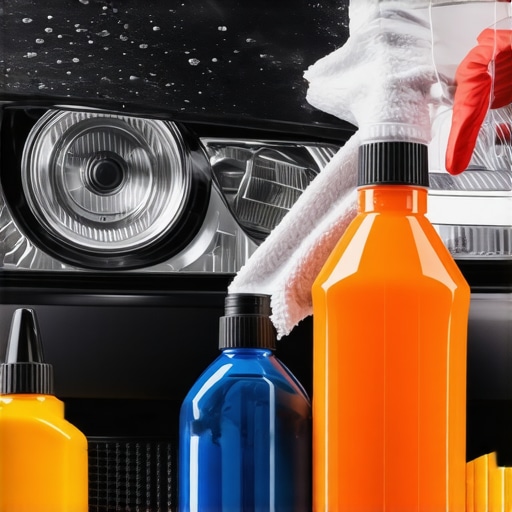
Start by parking your car in a shaded, dust-free area to prevent debris from settling on the wet surface. Gather your supplies: a quality clay bar, a lubricant (such as a dedicated clay lubricant or soapy water), microfiber towels, and gloves. I remember the first time I did this, I underestimated how crucial a clean environment is—my first attempt was messy, but it taught me the importance of cleanliness for a scratch-free finish.
Wetting the Surface and Applying Lubricant
Spray a generous amount of lubricant onto a small section of your car’s paint, about 2 feet square. The lubricant acts as a barrier, allowing the clay to glide smoothly. During my initial try, I used just water—big mistake. The clay kept sticking, and I risked scratching. I learned that using a proper clay lubricant or a mix of 2 gallons of water with a few drops of car shampoo creates optimal glide and protection.
Using the Clay Bar Effectively
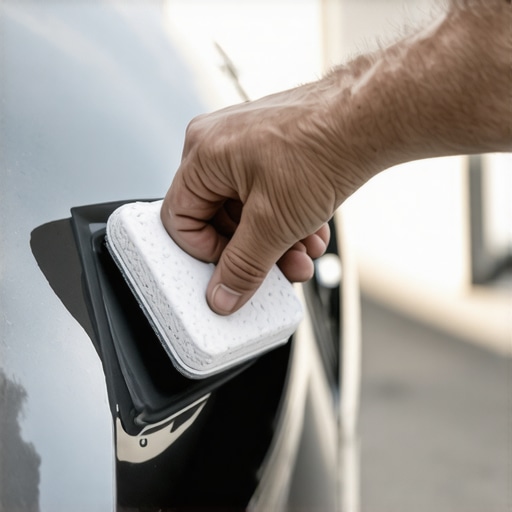
Gently knead the clay in your gloved hands until it feels soft and pliable. Flatten it into a pad that fits comfortably in your palm. Place the clay on the lubricated area and lightly rub back-and-forth with minimal pressure, akin to petting a delicate cat. I once pressed too hard during a session, which caused micro-scratches. Remember: patience and light pressure are key. Continuously fold the clay to expose a clean surface, preventing dirt transfer, and replace the clay if it becomes shiny or dirty.
Systematically Covering the Entire Vehicle
Work systematically, moving from one small section to the next, overlapping slightly to ensure no spot is missed. After each pass, check for contaminants by feeling the surface—if it feels rough, it needs more clay. After I finished my first detailed session, the paint felt noticeably smoother and looked more reflective—like a mirror. This experience underscored the importance of patience and thoroughness in each step.
Final Wipe-Down and Inspection
Once you’ve covered the entire vehicle, wipe down the surface with a clean microfiber towel to remove any residual lubricant. Inspect the paint under different lighting to spot remaining imperfections. Applying a quick wax or sealant after clay decontamination will lock in the results and protect your finish for longer. Remember, neglecting this step can leave contaminants trapped beneath your wax, which can cause damage over time. If you’re seeking expert assistance, [AutoFix Clinic](https://autofixclinic.com/contact-us) offers professional detailing services to ensure your car looks its best.
Many car owners believe that an ASE certification guarantees flawless service or that following basic maintenance schedules is enough to ensure vehicle longevity. However, these assumptions often overlook key nuances that can make or break your vehicle’s performance. For instance, there’s a common misconception that all ASE-certified technicians are equally skilled or that a simple oil change can fix all engine issues. In reality, ASE certification signifies a broad competency, but doesn’t guarantee expertise in specific areas like transmission repair or complex diagnostics. According to automotive expert John Taylor, “While ASE certifications are a good baseline, they don’t replace experience and specialization in certain vehicle systems.”
Is an ASE Certification Enough to Trust Your Mechanic?
One of the most widespread myths is that an ASE badge should be your sole indicator of quality. But in my experience, many technicians might have certification but lack practical street-smart diagnostics. This can lead to overlooked issues, especially in transmission systems or advanced electronic modules. It’s crucial to probe deeper—ask about a technician’s specific experience with your car’s make and model or their familiarity with recent technological advancements. For example, some modern transmissions require specialized tools and software that only seasoned experts possess. To find a mechanic that truly understands these nuances, consider detailed consultations or reviews that reflect real-world experience. You can also verify credentials through formal channels, but remember: hands-on expertise often trumps certifications alone. Interested in learning how to pick a mechanic with real skill? Check out [Choosing the Right Car Service](https://autofixclinic.com/choosing-the-right-car-service-for-your-vehicles-needs) for comprehensive tips.
Another common mistake is assuming that routine services like oil changes or fluid flushes are all that’s necessary for transmission health. Many overlook the subtle signs of impending failure, like unusual whines or slipping gears, which can be misdiagnosed or ignored. Regular oil changes are vital, but they are only part of the story. Advanced transmission systems, especially in modern vehicles, demand a detailed maintenance approach that considers fluid composition, filter condition, and system diagnostics. For instance, neglecting the importance of a transmission flush can lead to debris buildup, damaging internal components over time. Recent studies suggest that proactive diagnostics and targeted repairs prevent costly major failures—saving you time and money in the long run. Want to master transmission peace of mind? Visit [Transmission Troubles](https://autofixclinic.com/transmission-troubles-expert-insights-for-smooth-shifting) for expert insights.
Why Are Routine Maintenance Mistakes Costing You More?
Crucially, many drivers focus solely on high-profile repairs and underestimate the importance of regular, nuanced maintenance. For example, choosing cheaper synthetic oils or delaying filter replacements can subtly degrade your engine or transmission performance. A small oversight like ignoring a mildly dirty oil filter might seem insignificant but can accelerate wear. Advanced mechanics recommend adhering strictly to service intervals and paying attention to manufacturer-specific guidelines. Skipping these details can lead to longer-term issues, such as increased wear rates and decreased fuel efficiency. Ensuring your car receives proper attention not only extends its lifespan but also preserves its resale value. For tailored maintenance routines, consult experts at [Why Regular Oil Changes Extend Your Cars’ Lifespan](https://autofixclinic.com/why-regular-oil-changes-extend-your-cars-lifespan). Don’t fall into the trap of neglecting precise maintenance—your vehicle’s health depends on the details. Have you ever fallen into this trap? Let me know in the comments.
Keeping Your Vehicle in Top Shape with the Right Tools
Maintaining a vehicle over the long haul requires more than just routine oil changes; it demands precision equipment and reliable methods. One of my personal favorites is the use of a high-quality, digital multimeter. I rely on it not just for electrical diagnostics but also for verifying battery health and ensuring that sensors function correctly. Unlike standard testers, my digital multimeter provides accurate, real-time readings—crucial for diagnosing issues early and avoiding costly repairs down the line. Investing in a reputable unit, like the Fluke 117, has paid dividends by helping me solve complex electrical gremlins that often baffle less-equipped technicians.
Another essential tool I recommend is a borescope camera. When I check engine components or transmission internals, I use one that connects to my smartphone. This allows me to visually inspect parts without the need for extensive disassembly. It’s especially helpful for identifying early signs of wear or contamination, which can otherwise go unnoticed until they cause serious problems. Modern borescopes with LED lighting and flexible shafts have revolutionized DIY diagnostics, enabling quick, accurate assessments directly on the worksite or driveway.
How do I maintain my tools for long-term reliability?
Proper maintenance of diagnostic tools is critical. Ensuring batteries are replaced regularly, keeping lenses and sensors clean, and storing equipment in climate-controlled environments prolongs their lifespan. For example, I keep my multimeter in a sealed case when not in use, preventing moisture buildup. Additionally, regularly calibrating my equipment—following manufacturer instructions—ensures consistent accuracy. Over time, I’ve found that a well-maintained toolkit translates to faster diagnostics and fewer guesswork errors, ultimately saving money and reducing downtime.
Embracing Future Trends in Automotive Maintenance
The automotive industry is trending toward greater automation and connectivity. Tools equipped with advanced diagnostics software, like the AutoDiagnose app, can interface directly with vehicle systems via OBD-II ports, providing comprehensive fault codes and real-time data. These digital connections are becoming more critical as vehicles integrate complex electronics and driver-assist features. Staying updated with evolving software ensures that technicians can diagnose and repair modern systems efficiently. In the near future, AI-powered diagnostic tools may even predict failures before they manifest, shifting emphasis from reactive to proactive maintenance.
Make Your Car Maintenance More Effective: Try a Digital Multimeter and Borescope
If you haven’t already, I highly recommend investing in a quality digital multimeter and borescope for your toolkit. These tools not only empower you to diagnose issues precisely but also help you prevent problems from escalating. For instance, verifying battery voltage with your multimeter can preempt stranded scenarios, while inspecting transmission internals with a borescope can reveal early signs of wear. Incorporating these advanced tools into your routine will elevate your car’s reliability and longevity. Curious to see how diagnostic tools can transform your maintenance routine? Visit this page to connect with professional experts or get personalized advice on upgrading your toolkit.
Lessons Only Experience Taught Me About ASE and Transmission Work
Over the years, I realized that simply holding an ASE certification doesn’t automatically make someone an expert in complex systems like transmissions. My biggest lightbulb moment was witnessing technicians with badges struggle with unique issues, reminding me that ongoing learning and hands-on experience are irreplaceable. It’s tempting to trust a certificate, but true mastery comes from confronting real-world challenges and adapting accordingly.
Another lesson I learned was the importance of specialized knowledge. For instance, diagnosing a slipping transmission requires more than standard ASE training; it demands familiarity with specific vehicle platforms and software tools. This insight pushed me to seek out mechanics who continually update their skills, proving that certifications are just a starting point, not the finish line.
Lastly, I discovered that proactive maintenance often saves more money than reactive repairs. Knowing subtle signs of transmission wear or fluid degradation enables early intervention, which I didn’t fully appreciate at first. It’s a testament that even with certified technicians, a driver’s awareness and timely service decisions are crucial for longevity.
Tools That Transformed My Approach to Car Maintenance
My essential toolkit now includes a high-quality digital multimeter and a flexible borescope. I trust the multimeter for precise electrical readings, saving me from unnecessary part replacements. For example, verifying battery voltage or sensor signals with a reliable multimeter prevents guesswork and costly mistakes—the investment pays off several times over.
The borescope has become invaluable when inspecting engine internals or transmission components without dismantling everything. It provides a clear window into hidden areas, helping me catch early signs of wear or contamination. Modern models with LED lighting and smartphone connectivity make diagnostics quick and efficient—making them indispensable for both DIY enthusiasts and professional technicians.
To keep my tools in peak condition, I follow strict maintenance routines—regular calibration, proper storage, and cleaning. This attention to detail ensures accuracy and extends lifespan, which ultimately enhances diagnostic confidence and results.
Driving Into the Future of Car Care
Emerging technology, like connected diagnostics apps and AI-driven monitoring systems, is making vehicle maintenance more predictive than ever. Staying ahead means embracing these tools, which can identify issues before symptoms even appear. For example, integrating OBD-II scanner apps with real-time alerts enables me to schedule repairs proactively, avoiding breakdowns.
Personally, I see the value in pairing traditional skills with high-tech solutions. Whether it’s verifying transmission fluid quality with a multimeter or monitoring engine performance via smartphone, combining these approaches heightens safety, efficiency, and peace of mind. The future of car care is about blending experience with innovation—an approach I wholeheartedly endorse.