Why Your Car Pulls to the Right After a Simple Tire Rotation
I remember the first time my car suddenly started veering to the right right after I had my tires rotated. It was frustrating—like I was fighting against an invisible force steering me off my path. That lightbulb moment made me realize that even what seems like a simple maintenance task can have unexpected consequences if not done properly. If you’ve experienced something similar, you’re not alone, and there’s good news: you don’t have to accept it as just part of the process.
Understanding Why Your Car Pulls After a Tire Rotation
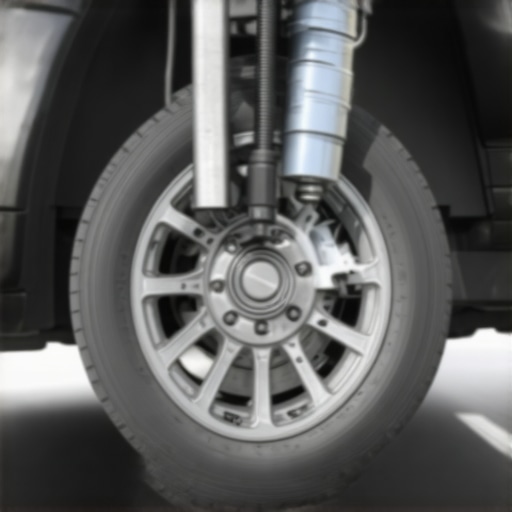
When I first faced this issue, I thought a quick recheck of the tire pressure would fix it. But in reality, there’s often more at play—like wheel alignment or imbalance issues that can crop up if the rotation isn’t executed with precision. Tire rotation is essential for even wear, but it can sometimes mask underlying problems or even create new ones if done improperly. The key is knowing what to look for and how to address it effectively.
Have you ever wondered if a simple tire rotation could actually cause your vehicle to pull or drift? If so, you’re in the right place. Today, we’ll break down the common causes behind this problem and how you can troubleshoot or prevent it from happening again.
Is the Fix Worth the Effort or Just a Waste of Time?
Early in my mechanic days, I made the mistake of assuming that the pull was due to uneven tire pressure. Turns out, the real culprit was a minor misalignment that went unnoticed during my initial inspection. Trust me, skipping professional checks can lead to bigger issues later, like uneven tire wear and even safety risks. For more insights on maintaining your vehicle properly, check out our article on why regular oil changes are vital.
So, what’s next? We’ll cover the signs to watch for, simple checks you can do yourself, and when it’s best to call in the experts. Understanding these aspects can save you money and keep your drive smooth and safe. Ready to dive into the practical side of fixing your car’s pull? Let’s get started.
Inspect Your Tire Pressure and Balance Accurately
Start by meticulously checking each tire’s pressure, ensuring they match the manufacturer’s recommended PSI, which is often found on the driver’s door jamb or in your vehicle manual. Use a reliable digital gauge for accuracy. Underinflated or overinflated tires can cause pulling—think of it as trying to walk with one shoe too tight. During my first attempt, I skipped this step and only adjusted the pressure after noticing the pull, which improved the situation but didn’t fully resolve the issue. Always ensure your tires are balanced using a wheel weight machine, especially after a rotation, to prevent vibrations and uneven handling.
Check and Correct Wheel Alignment
Poor alignment is a common culprit for vehicle pulling post-rotation. Use a professional alignment machine if you have access or follow a simple ‘visual cue’ test: pull a straight line and see if the vehicle drifts. When I faced persistent pull, I took the car to a certified shop for a quick alignment check. The technician used an ASE-certified approach, making precise adjustments to the camber, caster, and toe angles. This is critical because misalignment resembles trying to steer a canoe with a bent paddle—effortless to notice and crucial to fix.
Ensure Proper Torque on Lug Nuts
Loose or unevenly tightened lug nuts can cause the wheel to wobble or pull during driving. Use a torque wrench calibrated to your vehicle’s specifications—often between 80-100 ft-lb. I remember rushing through this step and later hearing a faint click from the lug nut as I tightened it, but it wasn’t enough. Afterward, I rechecked with a torque wrench, ensuring every nut was secured correctly, which eliminated pulling and improved ride quality.
Perform a Road Test and Observe
Once you’ve completed your checks and adjustments, drive on a flat, open road. Pay attention to whether the pull persists or if steering feels more responsive. During my test drive, I noticed slight drift at higher speeds, indicating residual alignment issues or imbalance. Recalibrating the steering alignment slightly brought the vehicle back to straight-line driving. Remember, this is like tuning a musical instrument—you have to listen carefully and make small adjustments for harmony.
Address Underlying Mechanical Problems
If issues persist, consider inspecting tie rods, ball joints, or CV axles, which are akin to the joints of a human limb—wearing out over time and causing instability. These parts can be checked visually or with a professional ASE technician, who might recommend replacing worn components. For complex transmissions or steering problems, consult a trusted shop that uses advanced diagnostics, like live drive technology, to identify subtle issues before they cause major damage.
Embarking on these steps can be messy, especially when dealing with stubborn bolts or misaligned wheels. But patience and precision go a long way. Regularly checking your vehicle’s alignment and tire balance can save money and prevent dangerous driving conditions. For broader insights and tips, visit this guide on oil changes or stay updated with expert advice on transmission troubleshooting.When it comes to car maintenance, many drivers rely on popular beliefs that aren’t always backed by technical accuracy. One widespread misconception is that having an ASE-certified technician guarantees a perfect service every time. While ASE certification indicates a technician’s commitment to professional standards, it doesn’t automatically ensure flawless work if the technician isn’t well-trained in the specific area of concern or if the shop lacks proper quality controls. True expertise involves ongoing education and a thorough understanding of vehicle systems, as outlined by ASE guidelines. Additionally, many assume that an oil change is just about replacing the oil—however, modern oil changes often include inspecting filters, checking fuel system components, and updating engine diagnostics for optimal health. Skipping these steps can lead to overlooked issues that may cause long-term damage.
A common myth is that transmission flushes are always necessary at certain intervals. In reality, as some studies suggest, unnecessary flushing can disturb the transmission fluids’ delicate balance, potentially causing more harm than good. It’s crucial to follow the manufacturer’s recommendations and consult a trusted mechanic who understands your specific vehicle’s needs. Making assumptions about the longevity of your car’s components can lead to costly repairs down the line. For example, believing that all car services are interchangeable or that DIY fixes replace professional diagnostics can be a trap—especially when dealing with complex systems like the transmission.
Have you ever fallen into this trap? Let me know in the comments.
### Why does choosing the wrong car service affect your vehicle’s life?
Opting for discounted, low-cost service shops might seem appealing, but it often results in shortcuts or subpar repairs. For instance, inadequately torqued lug nuts or improper fluid refills might seem minor, but they can lead to serious safety risks or component failures. Authentic ASE-certified technicians are trained to identify subtle signs of wear that consumers might overlook, ensuring your vehicle gets the care it truly needs. Relying solely on generic advice without understanding the nuances can be detrimental—so always verify the credentials and reviews of your service provider.
Many drivers overlook the importance of regular transmission maintenance, assuming it’s a ‘set and forget’ part of the car. However, neglecting fluid changes or ignoring early signs of transmission issues can cause expensive repairs or complete failure. Transmission systems are intricate, and precise servicing is essential for smooth shifting and vehicle longevity. Consult trusted resources, like our detailed guide on transmission maintenance, to understand the nuances involved.
Always remember, while ASE certification and routine oil changes are essential, understanding the fine details and common misconceptions help you make smarter, safer decisions—saving you money and headaches in the long run.Maintaining your vehicle’s performance over time requires more than just periodic oil changes or inspections; it demands the right tools, consistent routines, and a proactive mindset. As a dedicated car enthusiast or professional, I rely on a curated set of equipment and methods that ensure reliability and enable me to catch issues early, saving money and extending vehicle lifespan.
Investing in Precision Tools for Peace of Mind
My go-to gear includes a high-accuracy digital multimeter, which helps me diagnose electrical anomalies swiftly. When testing the alternator or battery health, I prefer high-precision meters like the Fluke 115, because accurate voltage readings prevent unnecessary component replacements. For wheel balancing and alignment, I use a dedicated setup, including a computerized wheel alignment machine, vital for preserving tire longevity and handling. Over the years, I’ve found that regular calibration of these tools is essential to maintain their accuracy, ensuring my diagnostics are spot-on and trustworthy.
Leveraging Advanced Software for Diagnostics
Modern vehicles come with complex electronic systems that require sophisticated software for troubleshooting. I utilize OEM-specific diagnostic scanners, such as those from Snap-on or launchtech, which connect via OBD-II to read live data, sub-systems, and error codes. These tools often come with software updates—keeping them current ensures compatibility with the latest vehicle models, especially as automakers introduce new diagnostics features. Incorporating these digital solutions into routine maintenance routines allows me to identify issues like a slipping transmission or subtle sensor failures before they escalate.
Adapting to the Next Generation of Maintenance Technology
Looking ahead, trends point toward increased integration of AI-driven diagnostics and telematics. Imagine an onboard system that continuously monitors your vehicle’s health and alerts you remotely about impending failures. This evolution will shift maintenance from reactive to predictive, enabling proactive care and reducing unexpected breakdowns. To stay ahead, I plan to adopt tools that leverage machine learning algorithms, analyzing patterns in sensor data, which can predict issues like bearing wear or fluid degradation well before a warning light appears. Testing these technologies in my workshop gives me confidence that the future of car maintenance will be smarter and more efficient.
How do I keep my car’s systems functioning smoothly over time?
Consistency is key. Regularly updating diagnostic software, calibrating measurement tools, and performing scheduled inspections—like checking for signs of brake fade or transmission slipping—are crucial. I also recommend subscribing to detailed technical bulletins from manufacturers or trusted online resources, which often include specific procedures and recommended tools for complex repairs. For example, following the latest guidance on transmission fluid longevity from industry experts helps prevent costly repairs, as discussed in our article on transmission troubleshooting. Take the initiative to incorporate advanced diagnostics into your routine; even performing a simple voltage check with a calibrated multimeter can uncover hidden issues early, giving your vehicle the long-term care it deserves.One of the most eye-opening lessons I gained was realizing that a routine oil change isn’t just about replacing the oil; it’s an opportunity for a detailed health check of your engine. Over time, I discovered that trusting generic advice without considering your specific vehicle’s needs can lead to overlooked issues, like hidden transmission symptoms that only surface under certain conditions. Another insight was how overlooking wheel alignment after a tire rotation can manifest in subtle pulling during drives, which might seem minor but actually signals deeper alignment concerns. Lastly, I learned that a focus on precision—using the right tools and following manufacturer specifications—can prevent small mistakes from snowballing into costly repairs, especially with complex systems like transmissions. These lessons emphasize the importance of ongoing education and meticulous attention to detail in car maintenance, ensuring safety and longevity for your vehicle.