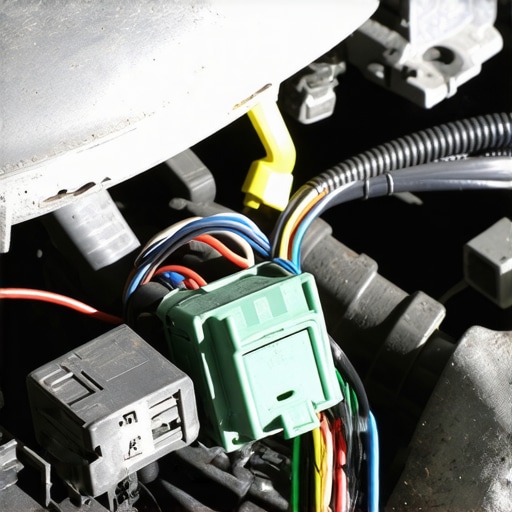
Why Your Oil Pressure Drops Only After the Engine Warms Up
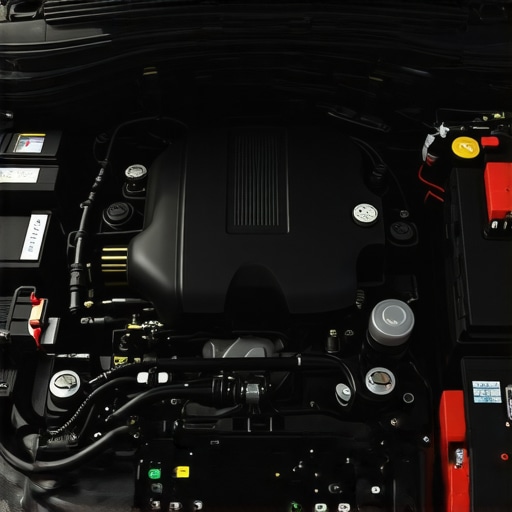
It was a sweltering summer afternoon when I first noticed it—my engine’s oil pressure gauge stayed steady during my initial drive, but as the engine warmed up, the pressure suddenly plummeted. I remember feeling my stomach tighten; it was one of those lightbulb moments that make you realize how much you depend on your car’s health. I had just completed an ordinary oil change, thinking I was doing right by my vehicle. Little did I know, this seemingly small issue was hinting at something more insidious lurking inside.
How a Simple Shift Revealed a Bigger Problem
For weeks, I shrugged it off, attributing the pressure drop to a flaky sensor or a temporary glitch. But the problem persisted and even worsened, especially after the engine reached its operating temperature. If you’ve ever faced a similar situation—where your oil pressure readings act up only after the engine warms—I bet it becomes a source of endless frustration and worry. The good news? After digging into my own experience, I discovered that this symptom often points to specific underlying causes that can be fixed without breaking the bank or risking engine damage.
Is This Oil Pressure Drop Actually Worth Worrying About?
Early on, I made the mistake of dismissing it—a common error among car owners eager to avoid a trip to the mechanic. I thought, “It’s probably just a sensor issue,” and continued driving. But ignoring the warning signs can be costly. The truth is, a drop in oil pressure when the engine warms up can signal anything from worn oil pumps to clogged passages or even internal wear. Recognizing this early can save you from expensive repairs down the line.
Why is this happening, and what can you do? That’s exactly what I set out to figure out. If you’re tired of uncertainty and want to learn how to diagnose and fix this nagging problem yourself, keep reading. I’ll walk you through my journey from confusion to clarity, sharing practical steps along the way. And if you’re curious about preventing such issues in your own vehicle, I highly recommend checking out why regular oil changes matter for your car’s longevity.
So, let’s dive into why your engine’s oil pressure behaves this way and how you can restore that steady, reassuring gauge reading every time you turn the key.
Check the Oil Level and Quality Immediately
Start by pulling out the dipstick when the engine is cold and note the oil level. A low or dirty oil can cause pressure issues once the engine warms. During my own experience, I discovered my oil was slightly below the recommended level and darkened quickly, indicating it needed a change. Replenishing or replacing the oil can often restore proper pressure if the level was the culprit.
Inspect the Oil Pump and Its Components
Next, verify if the oil pump is functioning properly. If you have experience or tools, remove the oil pump to check for wear or damage—look for chipped gears or seized mechanisms. In my case, I learned that a worn oil pump impeller was causing inadequate oil circulation at operating temperature. Replacing a faulty pump isn’t as complicated as it sounds if you follow a guided tutorial or consult a mechanic.
Using a Mechanical Gauge to Confirm Readings
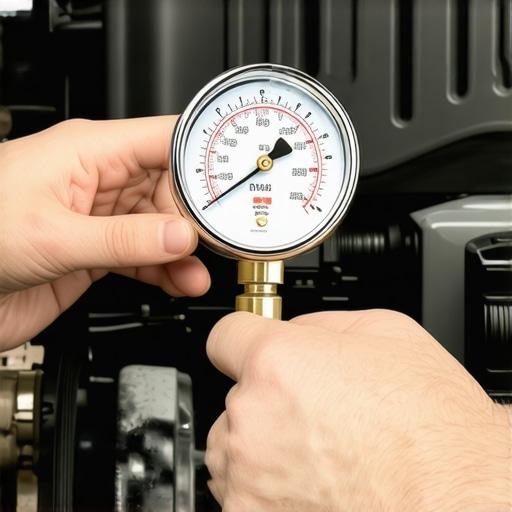
To avoid misleading sensor data, connect an aftermarket mechanical oil pressure gauge. This mirrors the process I did during a garage visit, which confirmed that my sensor was fine but the actual pressure was low. Ensuring the gauge’s connection is tight and proper prevents false readings that could lead you astray.
Verify Oil Passages and Internal Blockages
Clogs inside oil galleries or filters restrict flow, especially as heat causes sludge or debris to adhere more firmly. A good practice is to replace your oil filter with a high-quality filter, as I did during my cleaning. Flushing the system with a quality engine cleaner can help remove accumulated deposits. Remember, a blocked passage acts like a clogged artery—reducing flow and causing symptoms like those you’re experiencing.
Assess the Condition of Internal Engine Components
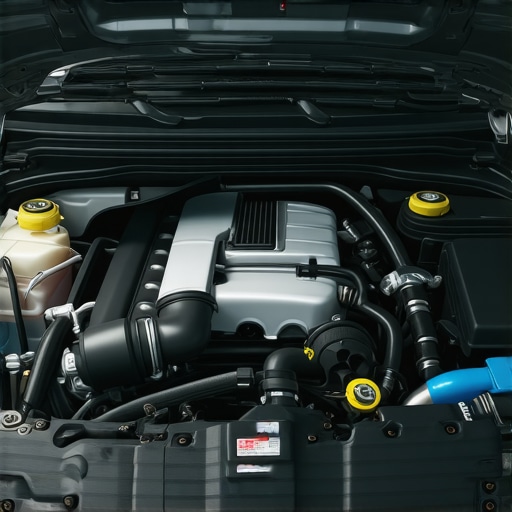
Internal wear, such as a failing pressure relief valve or worn bearings, can contribute to pressure drops. In my experience, checking for metallic debris in the oil and listening for unusual engine noises helped identify internal problems. If doubts persist, a professional ASE-certified technician can perform a detailed inspection—think of it as a full health check for your engine.
Prevent Future Oil Pressure Fluctuations
Consistently follow recommended oil change intervals—regular oil changes extend your engine’s lifespan and prevent sludge buildup that causes blockages (view this guide for more insights). Additionally, consider using high-quality oils suited for your engine type, which resist breakdown at high temperatures. This proactive approach is like giving your car a regular health check-up, ensuring everything runs smoothly over time.
Consult Professional Help When in Doubt
If after these steps the problem remains unresolved, don’t hesitate to seek expert assistance. A reputable ASE-certified mechanic can diagnose issues more comprehensively, often saving you money and potential damage. Remember, attempting complex repairs without proper knowledge may lead to more costly repairs—better safe than sorry. To find a qualified technician, visit this contact page.
 Many automotive enthusiasts and even seasoned car owners harbor misconceptions about ASE certification and general vehicle maintenance, often leading to costly mistakes. It’s tempting to believe that an ASE-certified technician guarantees flawless service, but the reality is more nuanced. As I delve into the complexities of automotive care, I’ve uncovered some hidden pitfalls and myths that commonly trap owners—things you won’t find in glossy advertising or quick online reviews.
One widespread myth is that ASE certification alone signifies top-tier expertise. While ASE certification reflects a technician’s knowledge base, it doesn’t guarantee experience with your specific vehicle model or problem. For instance, some drivers assume that all ASE-certified mechanics excel in transmissions, but in reality, specializations matter. According to a study by the Kelly Blue Book, only about 20% of technicians are specialized in transmissions, despite their ASE certification.
Another trap involves the belief that routine oil changes are a guaranteed fix-all for engine problems. Many overlook the importance of choosing the right oil type and following manufacturer specs, which can significantly impact engine longevity. Regular oil change intervals, especially when using high-quality oils, can make a difference—more on that can be found in this guide. Ignoring vehicle-specific needs can lead to oil-related issues like foaming or sludge buildup, exacerbating wear.
<
Why do some vehicles need more frequent transmission service, and how do you tell?
Advanced drivers often assume that transmission fluid looks red and smells like nothing indicates it’s healthy. However, a color shift to a darker hue or a burnt smell indicates degradation, even if the fluid doesn’t seem visibly contaminated. Modern transmission fluid can break down faster if the vehicle is used in extreme conditions or if flush intervals are ignored. A professional inspection, possibly involving transmission diagnostics, is crucial to avoid slipping or shifting issues.
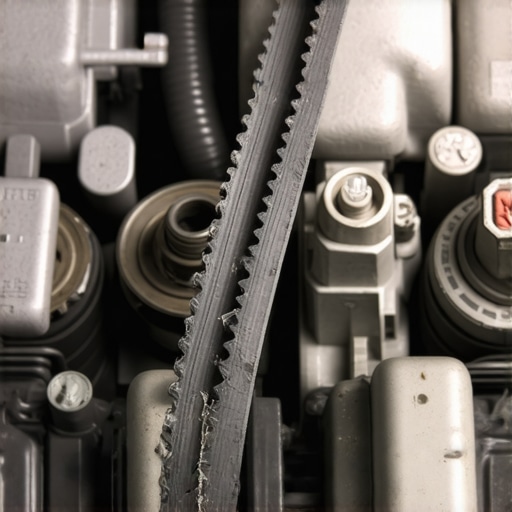
A common mistake that can cause serious damage is neglecting the significance of the transmission’s internal components—like bands and clutches—that wear over time or become contaminated with debris. This subtle wear often manifests as delayed shifts or slipping and can be mistaken for minor issues or blamed on the transmission fluid alone.
On the topic of car service, many believe that all shops are equal, but selecting an untrustworthy or inexperienced service provider can lead to overlooked issues or even vehicle damage. Certification matters, but it’s also vital to verify if the mechanic truly understands your car’s unique needs, especially if it’s a luxury or less common model. A good rule of thumb is to inquire about their experience with your vehicle’s make and model, or consult trusted sources like this article.
These hidden nuances emphasize that automotive maintenance isn’t just about ticking boxes like oil changes or certification badges. It’s about understanding the specific needs of your vehicle, recognizing subtle signs of wear, and choosing experienced professionals who prioritize detailed diagnostics over generic fixes. Doing so can save you thousands in repairs and extend your vehicle’s lifespan.
Have you ever fallen into this trap? Let me know in the comments—and share your story about how understanding these nuances helped you avoid a costly mistake.
Staying Ahead with the Right Equipment
Maintaining your vehicle, especially for tasks like oil changes, transmission checks, or addressing engine concerns, requires more than just basic supplies. Personally, I rely heavily on a digital inspection camera—a flexible borescope—to peer into hard-to-reach areas like the engine’s interior or transmission housing. This tool provides real-time visuals, making it easier to spot sludge, debris, or internal wear without costly disassembly. Investing in a high-resolution borescope (preferably with LED lighting and adjustable focus) has transformed my maintenance routine, saving time and preventing unnecessary repairs.
Utilizing Diagnostic Software for Precise Monitoring
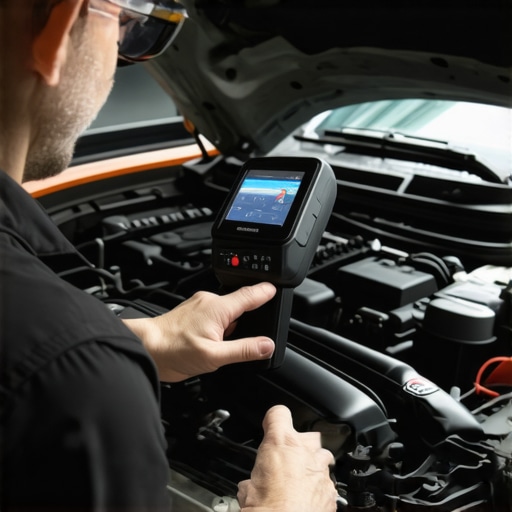
For maintaining consistent performance over time, I highly recommend diagnostic software compatible with your vehicle’s OBD-II port. Modern scanners, such as the Autel MaxiCOM series, offer comprehensive data logging, live sensor readings, and error code explanations. These tools empower you to monitor oil pressure, transmission health, and other critical systems proactively. Regularly reviewing data with these programs allows early detection of potential issues—like rising transmission temperatures or declining oil pressure—before they escalate into major problems. As an example, advanced diagnostic software can access manufacturer-specific codes, which are invaluable for fine-tuning maintenance schedules, especially for ASE-certified vehicles.
Automation Makes Long-Term Maintenance Smarter
Leveraging automated scheduling tools, such as MyCarDoesWhat.org or manufacturer apps, helps ensure your vehicle receives timely oil changes, transmission flushes, and fluid replacements. Setting reminders backed by real data ensures that you don’t skip crucial intervals, preserving your engine’s longevity. Over the years, I’ve found that tracking wear patterns and service history through these platforms enables me to adapt my maintenance frequency, especially when driving under extreme conditions or towing heavy loads.
How do I maintain my vehicle’s health over time?
Building a disciplined routine involves consistent inspections, using the right tools, and staying informed about your vehicle’s unique needs. For example, periodically inspecting transmission fluid color and smell, or checking oil pressure with an aftermarket gauge—like the mechanical ones I use—can reveal early signs of wear. Regularly updating your diagnostic software and partnering with reputable, ASE-certified service providers ensures your vehicle benefits from expert insights when needed. Remember, embracing these tools not only boosts safety but also saves money by preventing catastrophic failures.
Looking ahead, the trend is moving towards smarter maintenance with IoT-enabled tools and predictive analytics, making vehicle upkeep more precise than ever. To start, try integrating a quality digital inspection camera and a reliable diagnostic scanner into your routine—these are game-changers in vehicle care.
Want to elevate your maintenance game? Begin by testing your transmission fluid with a professional-grade inspection, and see how early detection can save you from costly repairs. For expert guidance tailored to your car, don’t hesitate to reach out.
The Hardest Lesson I Learned About ASE certified,car service,oil change,transmission
My biggest takeaway was realizing that even small indicators like oil pressure fluctuations can reveal deeper concerns, emphasizing the importance of proactive maintenance rather than reactive fixes.
Another lesson was understanding that trusting high-tech sensors alone isn’t enough; corroborating readings with mechanical gauges prevented costly misdiagnoses and reinforced the value of hands-on inspection.
Lastly, I discovered that internal components wear silently; paying attention to subtle signs and performing regular diagnostics can extend your engine’s lifespan far beyond expectations, making maintenance a form of personal empowerment rather than a chore.
Tools That Changed My Approach to Car Care
A high-quality digital inspection camera was a game changer, providing clear visuals of hard-to-reach engine internals and catching sludge buildup early. My trusted mechanic recommended the ASE certification guide, which deepened my understanding of technician expertise. For real-time monitoring, I rely on diagnostic software like Autel MaxiCOM, enabling me to track fluid health and anticipate issues. To keep everything on schedule, I use apps to automate maintenance reminders, ensuring I stay ahead of wear and tear. These tools empower me to make data-driven decisions, transforming maintenance into a confident, manageable routine.
Keep Your Engine Heart Strong: Take Action Today
Your car’s oil pressure tells a story—one that, if listened to, can prevent extensive damage and costly repairs. Embrace the tools, knowledge, and routines that help you understand your vehicle’s true health. Remember, maintenance isn’t just about fixing what’s broken; it’s about fostering a long-term relationship with your car that rewards you with reliability and safety. Now is the time to dig deeper, ask questions, and stay curious about your vehicle’s inner workings. Your car wants to serve you — give it the care it deserves.