Why Your ASE Tech Prefers OEM Filters Over Budget Options
I remember the first time I brought my car in for an oil change, confidently opting for a cheaper, off-brand filter. I thought I was saving a few bucks, but a week later, my check engine light flickered on, and I was scrambling to figure out what went wrong. That was my lightbulb moment. It wasn’t just about the price; it’s about quality, reliability, and protecting my engine. Since then, I’ve seen firsthand how cheap filters can cause more harm than good.
The Hidden Cost of Cutting Corners on Filters
Is Saving a Few Dollars Actually Worth the Risk?
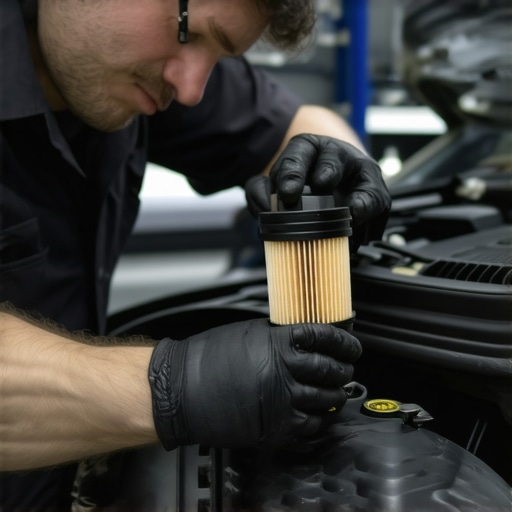
Many car owners are surprised to learn that the filter you choose during an oil change can significantly impact your vehicle’s health. I used to think all filters performed the same—until I watched my ASE-certified mechanic carefully examine a cheap filter I brought in and shake his head. He explained how OEM (Original Equipment Manufacturer) filters are designed specifically for the make and model of your vehicle, ensuring precision fit and optimal filtration.
Early in my career, I made the mistake of thinking any filter would do. Turns out, that mindset can lead to engine wear, decreased fuel efficiency, and even costly repairs down the line. The truth is, consistent use of OEM filters can help your engine run smoother and last longer.
According to a study by the Society of Automotive Engineers (SAE), using high-quality filters can extend engine life and improve fuel economy—saving you money in the long run. If you’re interested in learning how regular maintenance can dramatically boost your vehicle’s lifespan, check out [this guide on why regular oil changes matter](https://autofixclinic.com/why-regular-oil-changes-extend-your-cars-lifespan).
Are you tired of dealing with recurring engine problems that seem to crop up after cheap parts? Do you want to know what truly makes a difference in your vehicle’s health?
Let’s dive into how you can make smarter choices at your next oil change and protect your ride for the miles ahead.
Inspect and Select High-Quality Filters
Start by removing your current filter and examining its condition. Use a clean glove or cloth to handle it. Look for signs of dirt, damage, or wear. When purchasing a new filter, opt for OEM (Original Equipment Manufacturer) brands rather than generic off-brand options. I remember once buying an off-brand filter and experiencing engine roughness after just a few hundred miles; switching back to OEM resolved the issue. To confirm your choice, consult your vehicle’s manual or visit [this guide on choosing suitable car services](https://autofixclinic.com/choosing-the-right-car-service-for-your-vehicles-needs).
Properly Replace the Filter Step-by-Step
Prepare Tools and Safety Measures
Gather necessary tools such as a wrench, oil catch pan, and gloves. Park your car on a level surface, engage the parking brake, and turn off the engine. Allow the engine to cool to avoid burns. I once rushed through this step without letting the engine cool; I got a minor burn but learned to wait patiently for safety.
Remove Old Filter Carefully
Locate the filter housing, typically near the engine top or side. Use the wrench if needed to loosen any bolts. Gently pull out the old filter, avoiding debris falling into the intake. Inspect the housing for dirt or damage. I once neglected to clean the housing before installing a new filter, which led to contamination. Keep it clean for optimal filtration. If uncertain about the location or removal process, check [this detailed transmission maintenance guide](https://autofixclinic.com/transmission-troubles-expert-insights-for-smooth-shifting), which shares similar steps for different components.
Install the New Filter Correctly
Apply a light coat of engine oil to the new filter’s seal to ensure a proper fit and prevent leaks. Insert the filter into the housing, making sure it sits snugly. Tighten bolts securely but avoid over-tightening, which can damage the seal. I once over-tightened a filter, causing a crack; subsequent leaks led to engine oil loss. Always follow torque specifications from your manual or OEM recommendations. For a comprehensive understanding of engine care, visit [this article on extended engine lifespan](https://autofixclinic.com/why-regular-oil-changes-extend-your-cars-lifespan).
Check and Reset System Indicators
Start the engine and observe for any warning lights or leaks. Shut off the engine after a few minutes to allow oil to settle. If your vehicle has a maintenance indicator, reset it following the manual instructions. I learned this the hard way when my dashboard warning remained lit, prompting me to revisit the installation. For guidance on other essential maintenance routines, browse [top oil change tips](https://autofixclinic.com/top-oil-change-tips-for-safe-driving-in-2025). Keep in mind that proper filter selection and installation are crucial for engine health, just as selecting the right transmission fluid is vital for shifting smoothness, detailed in [transmission care](https://autofixclinic.com/transmission-troubles-expert-insights-for-smooth-shifting).Many automotive enthusiasts and even seasoned car owners often believe they understand the essentials of vehicle maintenance—regular oil changes, ASE certifications, proper transmission care. However, there’s a layer of nuance that’s frequently overlooked, leading to costly mistakes or incomplete understanding. Let’s cut through some common myths and reveal what most people get wrong about these critical aspects.
Myth: All ASE Certifications Equal True Expertise
Many assume that ASE certification guarantees top-notch competence across all vehicle types. In reality, ASE certifications are specialized; a mechanic might be certified in brakes but not necessarily have in-depth knowledge of modern transmissions or turbocharged engines. Relying solely on the ASE badge can give a false sense of security. To truly ensure quality, investigate a mechanic’s experience with specific vehicle models or systems. For a clearer picture of what ASE certification entails, check out [here](https://autofixclinic.com/what-does-an-ase-certification-mean-for-your-cars-maintenance).
Advanced Mistake: Misunderstanding Transmission Fluid Degradation
A prevalent misconception is that transmission fluid lasts indefinitely, provided the vehicle isn’t heavy-duty. While traditional wisdom suggested replacements at fixed intervals, modern research indicates that fluid quality depends heavily on driving conditions and fluid type. Conventional ATF can foam, oxidize, and lose its viscosity prematurely if subjected to frequent stop-and-go traffic. The critical mistake is assuming a simple drain and fill suffices—many overlook the importance of a complete flush and using high-quality synthetic fluids. This oversight accelerates wear and can cause shifting issues. Experts recommend consulting detailed maintenance guides like [this](https://autofixclinic.com/the-secret-to-making-your-transmission-last-300000-miles).
How Do Oil Choices Impact Long-Term Engine Health?
Everyone talks about synthetic versus conventional oil, but few appreciate the nuances. Synthetic oils, especially those formulated for turbocharged engines, offer superior lubrication and oxidative stability. Using the wrong oil, such as a low-viscosity oil not approved for your engine, might provide short-term fuel economy but risks increased wear and engine deposits over time. Another common error is neglecting to update oil viscosity recommendations as engines age or as environmental conditions change. This detail can make a significant difference in engine longevity. For advanced insights, see [this piece](https://autofixclinic.com/why-synthetic-oil-is-the-only-choice-for-modern-turbo-engines).
Why Overlooking Systematic Maintenance Can Cost More
Many car owners believe that sticking to scheduled oil changes and basic inspections suffices. However, neglecting transmission fluid analysis, coolant condition, or even subtle signs like unusual vibrations can lead to breakdowns. Modern vehicles integrate complex electronic systems that depend on precise maintenance. Overlooking the interconnectedness of systems risks lamination of issues that escalate over time. The real trick is understanding what advanced diagnostics can reveal early—something that specialists in ASE-certified shops excel at. If you’re curious about deep diagnostics, visit [this resource](https://autofixclinic.com/why-your-fleet-vehicles-are-burning-through-tires-prematurely).
Have you ever fallen into this trap of oversimplification or overlooked these nuanced details? Leave a comment and share your experience. Remember, in vehicle maintenance, the devil is in the details. Staying informed ensures your car remains a reliable partner for miles to come.
Keeping It Working: Essential Tools and Techniques
Maintaining your vehicle’s optimal performance over time demands more than basic knowledge; it requires reliable tools and a strategic approach. I personally recommend investing in a high-quality code scanner, such as the BlueDriver Bluetooth Professional OBD2 Scanner, because it allows me to diagnose issues quickly and accurately from my smartphone, saving time and money. Additionally, a digital torque wrench ensures I tighten bolts to precise specifications, preventing leaks and damage. For fluid analysis, I use a refractometer to assess oil quality during routine checks, ensuring I catch potential issues before they escalate.
When it comes to software, I rely on OEM-specific diagnostic programs like Toyota Techstream or Ford IDS, which provide in-depth system diagnostics that generic tools can’t match. These tools help me identify problems early, particularly with complex systems like transmissions, where early detection can save thousands. Predictive maintenance tools are also on the horizon; future developments in AI-driven diagnostics promise even more proactive vehicle care.
For long-term results, establishing a routine maintenance schedule using these tools is key. Regular oil analysis with a refractometer, combined with comprehensive diagnostics, helps me understand wear patterns and plan interventions proactively. Remember, quality tools are an investment in your vehicle’s longevity, and using them properly can extend your car’s life well beyond factory expectations.
How do I maintain my vehicle’s health over time?
One effective method I recommend is scheduling periodic fluid analyses and system diagnostics, especially before long trips or seasonal changes. This approach uncovers hidden issues and ensures your transmission fluid and engine oil remain in optimal condition. Always stay ahead of problems—it’s better to prevent costly repairs than to fix them after a breakdown. For more insights, visit this guide on how regular oil changes extend your vehicle’s lifespan. Embracing these advanced techniques positions you as a proactive vehicle owner who truly understands the importance of consistent care, much like certified ASE technicians do. Don’t hesitate—try integrating a diagnostic scanner into your routine and see how it transforms your maintenance experience.
Lesson from the Garage Floor That Changed Everything
One of my most profound insights came after witnessing a seasoned ASE-certified mechanic meticulously inspecting a brand new filter. It dawned on me that genuine quality isn’t just about brand labels—it’s about understanding the subtle signs of well-made components. Recognizing the difference between a filter that merely fits and one that truly protects has transformed my approach to vehicle care. The real lesson? Never underestimate the power of educated choices, especially when it involves your engine’s life.
My Go-To Arsenal for Vehicle Vigilance
Over the years, I’ve found that investing in tools like a top-notch code scanner—like the BlueDriver Bluetooth OBD2 Scanner—has been invaluable. It empowers me to catch issues early, saving money and preventing breakdowns. A digital torque wrench ensures I tighten bolts precisely, safeguarding against leaks or damage. For analyzing oil health, a simple refractometer offers quick insights. These tools have become my trusted allies, turning routine maintenance into proactive protection. For deeper understanding, exploring OEM diagnostic software such as Toyota Techstream can be a game-changer, ensuring you’re ahead of potential problems.
Embrace the Power of Informed Car Care
Taking command of your vehicle’s health isn’t just about following schedules—it’s about cultivating confidence in your decisions. Remember, the key lies in understanding the nuances that manufacturers and mechanics often overlook. Whether it’s choosing the right filter or recognizing early signs of fluid degradation, your proactive attitude can extend your car’s lifespan significantly. Don’t wait for warning lights—be vigilant, be prepared. For ongoing tips on maintaining your vehicle’s peak performance, check out [this guide on how regular oil changes extend your vehicle’s lifespan](https://autofixclinic.com/why-regular-oil-changes-extend-your-cars-lifespan). Keep learning, keep caring, and your car will thank you for miles to come.