Why Your Engine Vibrates Specifically When You Shift into Drive
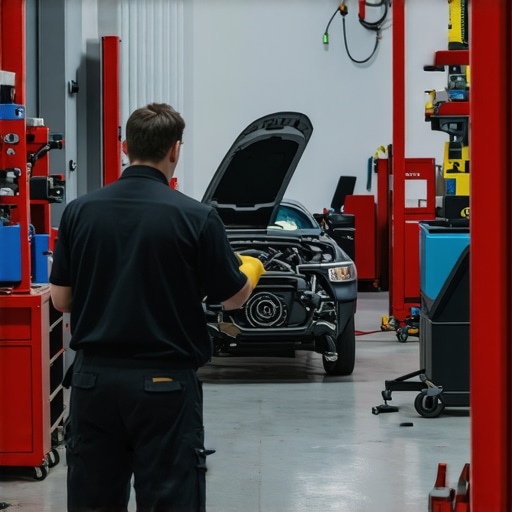
I’ll never forget the moment I realized my car’s strange shaking when I shifted into drive. It was a crisp morning, and I was eager to get to work. As I moved the gear lever from park, my vehicle jolted, vibrating like a tuning fork gone rogue. That lightbulb moment made me realize: something’s seriously off. And honestly, I had no clue where to start looking. Have you experienced that sudden, unsettling shake every time you hit ‘Drive’? If so, you’re not alone. This problem may seem small, but it often points to underlying issues that, if ignored, can lead to costly repairs.
Why Your Car Shakes When You Shift into Drive
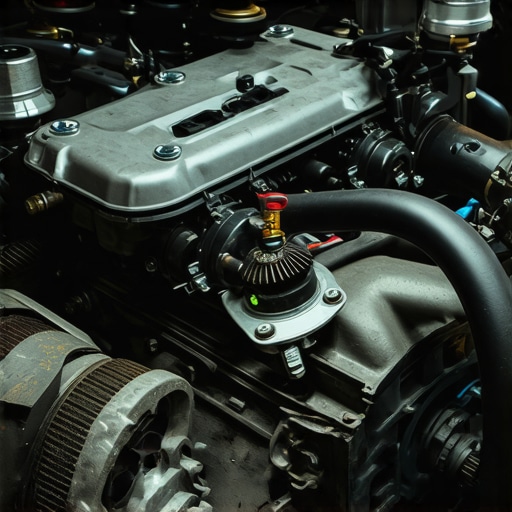
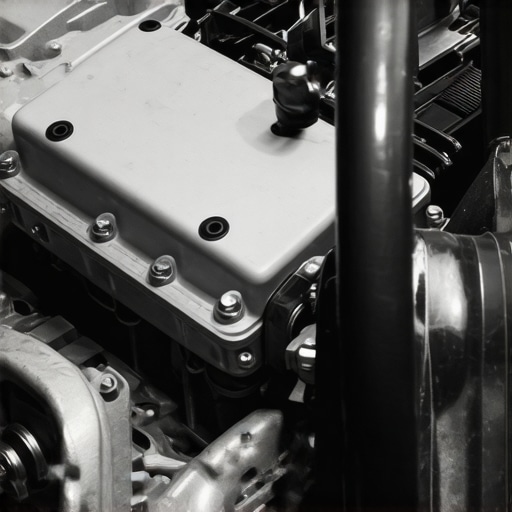
This phenomenon often puzzles drivers because it happens right at that simple moment of shifting gears. It’s tempting to dismiss it as normal or just a quirk of the vehicle. But in reality, it’s often a sign that your transmission, engine mounts, or drivetrain components need attention. For example, a worn-out engine or transmission mount can cause excess movement when you engage drive, leading to that jittery feeling. Additionally, poor engine tuning or dirty fuel injectors can contribute to uneven engine operation, making shifts feel rough. Understanding these components can help you identify whether your car’s vibrations are just an annoyance or a red flag you shouldn’t ignore. If you’d like to dive deeper into maintenance basics, check out how to spot a failing alternator before your battery dies, as it often connects to overall engine health.
Are you worried this might be a more serious problem? That worry is justified. A small vibration can sometimes mask bigger issues that, if left unaddressed, might cause breakdowns or expensive repairs. The good news is, pinpointing the cause is often straightforward—once you know what to look for. So, let’s explore what might really be causing your engine to dance when you shift into drive, and what steps you can take to smooth things out.
Is Fixing This Problem Really Worth the Effort?
Early on, I made a mistake by assuming a rough shift was just a normal part of aging. Spoiler alert: it isn’t. Addressing these issues early saves you money and stress down the line. If you’re hesitant about tackling the problem yourself, know that understanding the root cause can empower you and help communicate effectively with your mechanic. And if you’re curious about how to avoid further engine troubles, consider reading about the risks of following a high-mileage oil interval, which can lead to sludge buildup and performance issues. It’s all connected — timely maintenance prevents minor vibrations from becoming major disasters.
Inspect Engine and Transmission Mounts
Start by locating your engine and transmission mounts—these are the rubber or hydraulic supports holding your engine and transmission in place. To check, open the hood and securely block the wheels. Use a jack to slightly lift the engine, then observe the mounts for signs of cracking, tearing, or excessive movement. During a test drive, if you notice a pronounced shake when shifting into drive, it’s often due to worn mounts letting the engine move excessively. I once replaced mine following a YouTube tutorial, and the difference was immediate—the engine sat more solidly, eliminating the shake.
Check for Unbalanced or Worn Tires
Uneven tire wear or imbalance can cause vibrations that worsen during acceleration or gear engagement. After jacking up your car safely, inspect the tires for uneven tread wear or bulges. Use a tire balancing machine or visit a shop for a quick check—unbalanced tires can be a culprit. Remember, even new tires can be misbalanced if not installed correctly. Once, I had a set of new tires that caused vibrations until I had them properly balanced, which smoothed out the ride significantly.
Assess Engine Performance and Fuel System
Rough engine operation often contributes to shifting vibrations. Check your spark plugs—they should be clean, properly gapped, and free of fouling. Dirty or worn plugs cause misfires, leading to uneven engine power and rough shifts. Also, consider fuel injectors; clogged ones hinder proper fuel delivery. I took my car to a mechanic for a fuel system clean, which restored smoothness. For a DIY approach, use a fuel injector cleaner additive—it’s a quick fix for minor clogs. Proper fuel system maintenance is vital for a stable engine, preventing vibrations that are mistaken for transmission issues.
Examine Transmission Fluid and Components
Low or degraded transmission fluid can cause shifting shudders or jitters. Locate the transmission dipstick—consult your owner’s manual—and check the fluid level, ensuring it’s between the marked high and low points. Also, assess the fluid condition; it should be red and translucent. If it smells burnt or has particles, a fluid change is needed. Be aware that some vehicles, especially modern CVTs, require specialty fluids—using the wrong type can cause shifting problems. I once performed a transmission fluid drain and fill, following manufacturer specs, which significantly reduced shifting vibrations. For precise guidance, see this detailed article.
Look Into Wheel Alignment and Suspension
Misaligned wheels will cause uneven handling and vibrations. Have your alignment checked—poor alignment can lead to uneven tire wear and shaking at certain speeds. Also, inspect suspension components like shocks and struts for leaks or damage. Worn shocks can exaggerate vibrations, especially during acceleration. I once replaced the worn shocks myself, sourcing parts from a trusted supplier, which eliminated the shaking. Proper alignment and suspension health are crucial for smooth shifts and safe driving.
Test and Replace When Necessary
If you’ve gone through these steps and still experience shaking, systematic testing is essential. Use a diagnostic scanner to check for any error codes related to engine or transmission sensors. If codes point to misfires or sensor failures, replace or repair accordingly. For instance, defective engine mounts or failing CV joints often show specific codes or symptoms. Remember, addressing these issues promptly prevents further damage. If unsure, consulting an ASE-certified mechanic can save you time and money. This hands-on troubleshooting process not only restores comfort but also extends your vehicle’s lifespan, keeping it running smoothly.
When it comes to automotive repairs and maintenance, many drivers assume that an ASE certification guarantees flawless service or that all mechanics with the badge are experts in every aspect of car care. But let’s dig deeper into this assumption. Contrary to popular belief, not all ASE certification proves comprehensive expertise; sometimes, a mechanic may have a limited focus or outdated skills. For instance, the rise of advanced transmission systems, such as CVT transmissions requiring specialized fluids, has challenged the traditional ASE testing scope, leaving some certified technicians less prepared for these modern complexities. Therefore, relying solely on ASE credentials may give a false sense of security, especially when dealing with intricate systems like transmissions or engine controls. Surprisingly, many drivers overlook that the certification process itself doesn’t guarantee ongoing competence; mechanics are required to recertify regularly, but not everyone stays current with the newest technologies.
Another common misconception is that a simple oil change or basic service is a quick, low-risk task. But here’s the catch: the quality of the oil filter, for instance, can drastically affect engine health. You might think you replaced it properly, but as shown in this article, some shops wipe existing filters clean or install counterfeit parts. This sneaky trick can lead to increased engine wear over time, particularly if the filter is not genuine or correctly fitted. So, the ‘quick oil change’ can turn into a silent enemy if you’re not vigilant about parts quality and proper procedure. Additionally, many underestimate the importance of correctly assessing the transmission fluid, especially with modern transmissions that demand exact specifications, such as warming up before shifting properly. Shifting issues often originate from overlooked fluid degradation or incorrect fill levels.
Is Your Car’s Service Actually Up to Date? What You Might Be Missing
One advanced nuance that many skip over involves the age and condition of critical components like engine sludge-prone parts. Even with regular oil changes, neglecting system cleaning or inspection can result in degraded performance. For example, inadequate maintenance of the cooling system may cause engine overheating, which isn’t immediately obvious but can cause severe damage. Moreover, drivers tend to believe that a baseline service, like oil and filter replacement, suffices for longevity. Yet, neglecting to check or replace heart components such as catalytic converters or water pumps can snowball into costly repairs. Always question whether the mechanic considers the entire vehicle’s health, especially parts that silently fail. Keeping this in mind helps avoid the trap of assuming that basic services are enough with today’s complex and technology-packed vehicles.
In summary, understanding the nuances behind ASE certification, the importance of high-quality parts, and comprehensive vehicle assessment can save you money and prevent unexpected breakdowns. Don’t fall into the trap of complacency—regularly ask questions about your vehicle’s systems and insist on quality parts. Have you ever fallen into this trap? Let me know in the comments and share your experiences with overlooked car maintenance details.
Keep Your Car Running Smoothly with the Right Tools
Maintaining your vehicle over the years requires more than just basic knowledge; it demands reliable, precise tools that allow you to diagnose and address issues effectively. For instance, I personally rely on a diagnostic scanner like the Autel Maxisys Elite, which provides comprehensive ECU readings and live data. It’s invaluable for identifying small problems before they escalate, especially in modern cars equipped with complex electronic systems. This article emphasizes the importance of using certified diagnostics to ensure accurate troubleshooting.
Another staple in my toolkit is a digital multimeter. I use it to check battery voltage, sensor signals, and continuity on wiring harnesses. When diagnosing a failing alternator or battery issues, a multimeter simplifies the process, saving me time and money. For example, before replacing a battery, I verify its resting voltage and charge rate—steps that help determine if a replacement is truly necessary. In cold climates, proper battery testing becomes even more critical, as colder temps dramatically reduce battery capacity. You can learn more about this in this detailed guide.
Why Precision Matters in Maintenance Tools
Using calibrated, high-quality tools not only ensures safety but also prolongs your vehicle’s lifespan. Weekly tests, such as checking your oil pressure with a reliable gauge, confirm that your engine’s internal components are adequately lubricated. Similarly, inspecting your brake fluid with a dedicated tester prevents dangerous situations. Regular tool calibration keeps your diagnostics accurate, minimizing guesswork and ensuring that you address real problems—not just symptoms.
Anticipating the Future of DIY Car Care
With the rapid evolution of vehicle technology, tools like wireless diagnostic OBD-II adapters integrated with smartphone apps are becoming standard. These devices allow you to monitor vehicle health remotely and perform basic resets without spending hours in a shop. I foresee the trend moving towards more AI-powered diagnostic aides that interpret sensor data and suggest repairs in real time, making maintenance more accessible for enthusiasts and professionals alike.
How do I maintain my tools over time?
Proper care of your diagnostic and measuring instruments ensures their longevity. Store your multimeter and scanner in a clean, dry place, and regularly check their calibration accuracy. Some tools, like the fuel pressure tester, require periodic rebuilds or replacements of sealing components. Also, keep firmware and software up to date—especially for advanced diagnostic tools—to unlock new features and improve reliability. Remember, a well-maintained toolkit translates into more accurate diagnostics and efficient repairs. Try calibrating your multimeter today and see how much more precise your readings become, guiding you to better maintenance decisions.
Hidden Pitfalls: What I Wish I Knew About ASE Certification and Modern Repair
One of the most eye-opening lessons I learned was that an ASE certification isn’t a magic badge guaranteeing expertise across all vehicle systems. The technological leaps in transmissions and engine controls mean some certified mechanics may lack up-to-date training, especially in specialized areas like CVT fluid requirements or hybrid systems. Relying solely on credentials can lead to missed nuances and overlooked issues, making ongoing education essential for true mastery.
Another insight involves the significance of authentic parts and proper procedures. I once encountered a shop using counterfeit filters, which subtly compromised engine health over time. Regularly verifying parts quality and trusting reputable suppliers prevents such pitfalls. Delving into how to tell if your oil filter was actually replaced (see this guide) can empower you to avoid sneaky shortcuts and maintain engine longevity.
Finally, the importance of comprehensive vehicle assessment can’t be overstated. Neglecting components like the cooling system, differential fluid, or engine sludge traps—even when performing basic oil changes—can snowball into serious damage. Regularly questioning whether your mechanic considers the entire vehicle’s health helps you stay ahead of costly surprises.
Tools That Changed How I Tackle Car Service
My trusted diagnostic scanner, the Autel Maxisys Elite, has become indispensable for early issue detection. It provides real-time data and ECU insights that save me from unnecessary repairs and drive home the importance of staying proactive. Pairing this with a high-quality digital multimeter has allowed me to verify things like battery health and sensor signals with confidence. Using tools like a fuel pressure tester or properly calibrated gauges ensures accuracy, preventing guesswork from dictating repairs.
Investing in your toolkit is worth it—calibration and maintenance of these instruments keep diagnostics precise. For example, regularly checking your brake fluid with a dedicated tester (this method) helps you spot issues before brake performance deteriorates, especially in demanding conditions.
Seize Your Moment with Car Care Confidence
Embracing the intricacies of ASE certified, transmission, and oil change best practices empowers you to be the guardian of your vehicle’s health. Each step you take—be it verifying fluid levels, inspecting mounts, or using the right tools—builds a foundation of confidence and safety. Remember, the journey of car maintenance is ongoing; the more you learn, the better your rides will perform over the miles.
What has been your biggest revelation in understanding your vehicle’s maintenance needs? Share your story below and inspire others to take control of their car care journey!