The mistake of trusting ‘lifetime’ spark plugs past their prime
It was a chilly morning when my engine suddenly sputtered, and I was faced with the dreaded check engine light. I had always believed in the hype of ‘lifetime’ spark plugs—after all, manufacturers claimed I wouldn’t need to replace them for ages. But that morning, reality hit hard. My car hesitated, rough idling took over, and I knew I’d missed an important detail. Have you ever trusted those shiny, advertised-as-permanent spark plugs only to find your engine misfiring when you least expect it? If so, you’re not alone.
Why Relying on ‘Lifetime’ Spark Plugs Can Be a Costly Trap
The idea of a spark plug that lasts forever sounds like a miracle, right? It’s understandable—who wants to keep replacing something they believe should be good for a lifetime? Yet, this mindset can lead to overlooked maintenance that ends up harming your engine more than you’d think. When I first bought my car, the dealer emphasized those lifetime spark plugs, promising I’d never need a replacement. But early on, I noticed a slight decrease in engine performance, which I dismissed as normal wear.
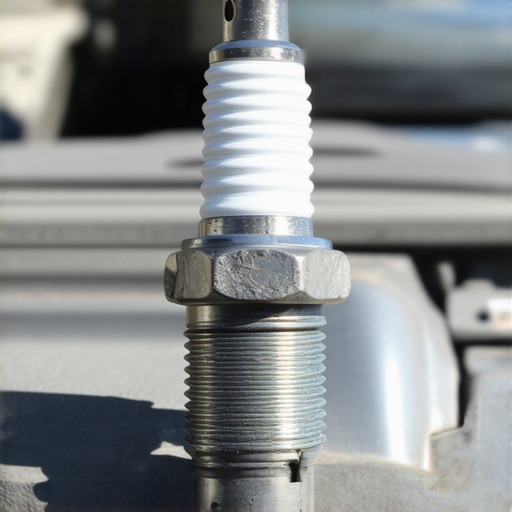
Understanding the real lifespan of spark plugs is crucial. According to the Motorist.org research, spark plugs typically last between 30,000 to 100,000 miles, depending on the type and driving conditions. The catch? ‘Lifetime’ often means the duration of the original manufacturer’s warranty, not your engine’s actual needs. Over time, deposits build up, the electrodes wear down, and they become less efficient, causing misfires or idling issues.
I made my first mistake early—assuming the ‘lifetime’ stamp meant I could ignore regular checks or replacements. That oversight cost me a lot out of pocket when my engine misfired during a critical drive. Since then, I’ve learned the hard way that embracing regular maintenance—rather than blind faith in marketing claims—is the best way to keep your engine healthy and your wallet happy.
Are you still trusting those ‘lifetime’ spark plugs without a second thought? If so, read on. Today, I’ll share what you need to know to avoid my mistake and keep your engine running smoothly long past the warranty period.
Performing Regular Inspection of Spark Plugs
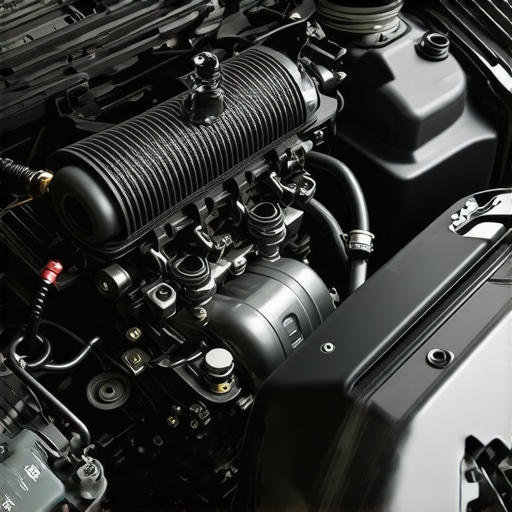
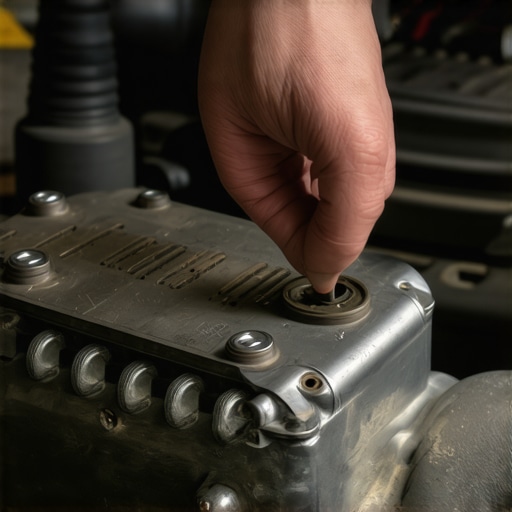
Start by gathering the necessary tools: a spark plug socket, ratchet, and gap gauge. Locate the spark plugs, which are typically accessible through the engine cover or ignition coils. Carefully remove each plug, noting its condition. When I last tried this on my vehicle, I used a flashlight to examine the electrode and insulator for signs of wear or damage—this simple step saved me from a costly misfire issue later.
Checking and Adjusting the Spark Plug Gap
The gap between the electrodes affects combustion efficiency. Measure the gap using a feeler gauge according to your vehicle’s specifications, found in the owner’s manual or service guide. If the gap is too wide or narrow, use the gauge to gently adjust the electrode. During my last tune-up, I discovered my plugs were slightly under-gapped—adjusting them improved my engine’s smoothness noticeably.
Choosing the Right Replacement Spark Plugs
Not all spark plugs are created equal. Consider the type specified for your vehicle—copper, iridium, or platinum. Each has different lifespan and performance traits. I once replaced factory plugs with aftermarket ones, which initially seemed fine, but shortly after, I experienced rough idling due to incompatible plugs. Doing research or consulting a certified mechanic can prevent such mistakes.
Replacing Spark Plugs Step-by-Step
Insert the new, gapped spark plugs into the ignition coils or spark plug holes. Tighten them to the manufacturer’s torque specifications—over-tightening can damage the threads, leading to leaks or compression loss. When I replaced my spark plugs, I used a torque wrench, ensuring the correct tightness, which prevented future misfires and prolonged their lifespan. Remember, always attach the ignition wires or coils securely afterward.
Testing and Confirming Proper Installation
Once all plugs are replaced, start the engine and listen for smooth operation without hesitation or misfire sounds. Use your scan tool if available to check for any pending codes. After my recent job, I took my car for a test drive, paying attention to acceleration and idling. The engine ran quieter and more responsive, confirming the success of my repair. Regular maintenance like this can prevent costly breakdowns.
Schedule Professional Inspection When Needed
If you notice persistent issues or feel unsure about performing these steps yourself, consult an ASE-certified technician. They can perform a comprehensive check, including inspecting the ignition system, wires, and other related components. For expert assistance, contact professionals at AutoFix Clinic. Regular inspections extend beyond spark plugs; maintaining your entire vehicle ensures reliability and safety on the road.
When it comes to maintaining your vehicle, there’s a common misconception that all car services are pretty much the same. Many car owners believe that simply trusting a quick oil change or an ASE-certified technician guarantees their vehicle’s health, but in reality, the nuances are far more complex. Let’s examine some of the most overlooked aspects that can make or break your car’s longevity and performance.
How Cutting Corners Can Backfire on Your Transmission
One critical area often misunderstood is transmission maintenance. While a simple fluid change might seem sufficient, many underestimate the importance of a complete transmission flush or detailed inspection. Some shop technicians recommend a flush every 30,000 miles, but recent studies, including insights from transmission experts, suggest that depending on your driving habits and vehicle model, more nuanced approaches may be necessary.
Failing to address subtle signs like shuddering shifts or delayed engagement can lead to catastrophic failure down the line. The key is recognizing early warning signals and understanding that superficial fixes might mask issues until they become expensive repairs. This is where an experienced, ASE-certified technician with a thorough inspection approach can detect underlying problems, preventing costly repairs later.
Does Oil Quality Really Make or Break Your Engine?
Many drivers stick to regular oil changes but overlook the importance of choosing the right type of motor oil. Conventional wisdom says that changing oil regularly keeps the engine healthy, yet the debate over synthetic versus conventional oils remains active among experts. According to industry studies, synthetic oils often provide superior lubrication at high temperatures and under heavy loads, which is especially important for turbocharged engines.
Moreover, the quality of oil filters and the frequency of oil changes are equally vital. Using cheap filters or delaying oil changes can result in sludge buildup, which is a hidden enemy causing wear and tear. Don’t fall into the trap of thinking that simply changing the oil is enough; selecting the appropriate oil for your vehicle’s specific needs and understanding how it interacts with modern engine technology can significantly extend your engine’s lifespan.
Common Myths About ASE Certification
A lot of vehicle owners assume that ASE certification guarantees a mechanic’s competence in all aspects of car repair. However, the reality is more nuanced. An ASE certification indicates that the mechanic has passed industry-standard exams, but it does not necessarily reflect specialization in every make or model. For example, some technicians excel in American domestic cars but may lack expertise in European or Asian vehicles.
To ensure you are receiving the highest level of service, ask technicians about their specific experience with your vehicle type. Visit this detailed guide to understand what ASE certification truly covers and how it influences service quality.
Protect Yourself from Hidden Maintenance Traps
One often-overlooked mistake is neglecting routine inspections beyond just oil and filter changes. For instance, failing to inspect the transmission fluid, coolant levels, or brake components regularly can lead to unexpected breakdowns. A comprehensive review, ideally performed by an ASE-certified professional, ensures that minor issues are caught early, saving you money and stress in the long run. If you want a trusted partner in your vehicle’s maintenance journey, contact AutoFix Clinic for expert advice.
Have you ever fallen into this trap? Let me know in the comments. Remember, trusting the right expertise and understanding the subtleties of vehicle maintenance can keep your car running smoothly for years to come.Maintaining your vehicle’s performance over time requires more than just a basic set of tools; it demands precision, quality, and the right approach. One of my personal favorites is a high-quality digital diagnostic scanner like the Autel MaxiCOM. I use this device because it provides comprehensive real-time data, allows me to read and clear trouble codes quickly, and helps me monitor vital parameters such as transmission temperature and fluid status—crucial for preventing issues before they escalate.
Additionally, investing in a reliable torque wrench, like the GearWrench Click Torque, ensures that spark plugs, bolts, and other critical components are tightened to manufacturer specifications, preventing damage and ensuring long-term reliability. I prefer a torque wrench with a click mechanism because it provides consistent torque application, which is essential when dealing with sensitive parts like engine head bolts or transmission drain plugs.
How do I keep my car running smoothly over the long haul?
Regularly scheduled diagnostic checks are vital. Using your scanner, you can spot subtle issues—such as slight misfires or minor fluid temperature anomalies—that might not trigger a dashboard light but can cause significant damage if left unchecked. I recommend scheduling a comprehensive inspection every 10,000 miles, especially since modern engines often operate with tight tolerances, and small deviations can lead to costly repairs.
Beyond digital tools, quality consumables like OEM-grade oil filters and coolant are essential. I always rely on trusted brands like Mahle for filters because their precision manufacturing reduces contamination risks. Similarly, for coolant, I prefer using a trusted synthetic blend that resists breakdown under high operating temperatures, especially for turbocharged or high-mileage engines.
Maintaining detailed records of all services performed, including parts and software updates, also helps track your vehicle’s health. Modern maintenance management software like AutoXcel integrates vehicle-specific data, reminding you of upcoming service intervals and potential recalls. Using such tools can streamline your maintenance routine and prevent forgetfulness that might otherwise lead to neglect.
Looking ahead, the trend is moving toward integrated diagnostic platforms that connect directly to your smartphone, providing real-time insights and preventative alerts. Embracing these innovations will make vehicle care even more accessible and effective. For example, connecting a Bluetooth-enabled scanner to your phone can give you instant status updates while on the go.
If you’re serious about keeping your vehicle in top shape, I recommend trying an advanced diagnostic scan with a tool like the Autel MaxiCOM. It’s a game-changer for proactive maintenance, helping identify potential issues before they become costly repairs. Regularly utilizing such technology and quality tools ensures your car remains dependable, safe, and ready for any journey. Remember, the key is consistent, informed upkeep—your vehicle’s long-term health depends on the tools you trust today.
The Lessons That Changed My Approach to Car Care
One of the biggest surprises I faced was realizing that trusting marketing claims like “lifetime” spark plugs often led me down a costly path. I discovered that regular inspection and proactive maintenance save money and prevent breakdowns—lessons I wish I learned sooner.
Another insight was understanding that not all ASE certification guarantees a mechanic’s expertise with your specific vehicle. Digging deeper into their experience and asking the right questions can make a huge difference in service quality and vehicle longevity.
Finally, I learned that embracing modern diagnostic tools and quality parts transforms routine maintenance into an investment in reliability. It’s about being informed, prepared, and proactive—approaches that truly safeguard your vehicle’s future.