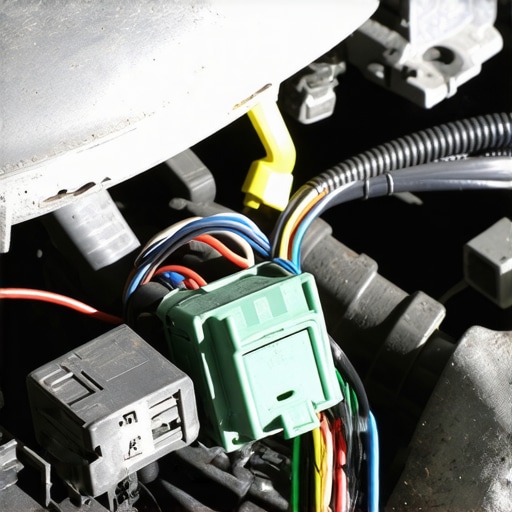
The hidden drain on your car’s electrical system
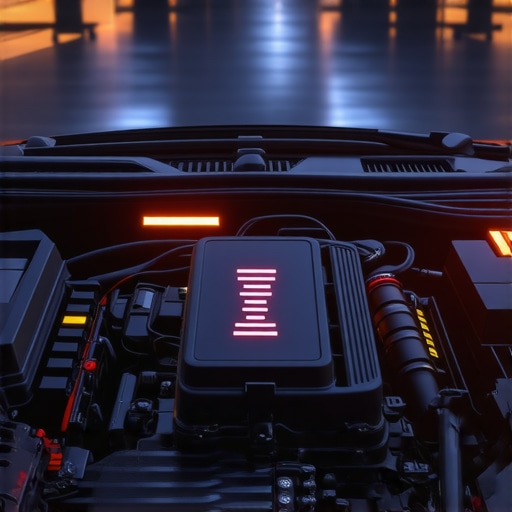
It was a chilly Sunday afternoon when I turned the key, expecting my usual smooth start. Instead, I was met with an agonizing click and a dead battery. That sinking feeling — I’ve been there more times than I care to admit. It wasn’t just the inconvenience; it was the realization that something wasn’t right behind the scenes. That was my lightbulb moment: discovering a sneaky drain lurking in my car’s electrical system, quietly sapping power and causing endless headaches.
Why Hidden Electrical Drains Can Cost You Big Time
What many car owners overlook is how insidious these drains really are. They don’t cause immediate failures, but over time, they wear down your battery and strain your electrical components. You might think a faulty alternator or an aging battery is to blame, but often, an unnoticed parasitic draw is the real culprit. These little power leaks can be triggered by a variety of issues—faulty switches, corroded wiring, or even aftermarket accessories. Left unchecked, they threaten to leave you stranded and rack up costly repairs.
Are you experiencing unexplained battery problems despite regular maintenance? If so, you’re not alone. Early in my own journey, I made the mistake of assuming every electrical hiccup was just part of aging. However, I realized that some of these issues could be addressed with a bit of detective work, saving me hundreds in repairs.
Is Your Car’s Electrical Drain Overhyped or a Real Threat?
Initially, I skeptically questioned whether these hidden drains were worth worrying about. After all, how much power could a few faulty relays or corroded contacts really steal? Well, according to automotive electrical experts, a parasitic drain exceeding 50 milliamps can discharge your battery in just a few days—an alarming rate that can leave you stranded (source: Auto Fix Clinic). Recognizing this, I understood I needed to double down on diagnostics rather than replace parts blindly.
My early mistake was dismissing small electrical issues as minor quirks. I ignored flickering interior lights and slow engine cranks, chalking them up to worn-out batteries. But these were signs of a deeper problem. Learning to identify and eliminate parasitic draws not only saved me money but also gave me peace of mind.
Now, as we dive into the practical steps, I’ll share my personal approach, combined with expert tips, to track down and fix that hidden drain. If you’ve ever wondered why your car’s electrical system acts up unexpectedly, this guide is about to become your best friend.
Disconnect the Battery and Prepare Your Tools
Before diving into diagnostics, ensure your vehicle is parked, turned off, and the keys are removed. Gather a digital multimeter, screwdrivers, and access to your vehicle’s fuse box. Think of this step as turning off your home appliances before troubleshooting—prevents further damage and ensures safety.
Locate and Inspect Fuses
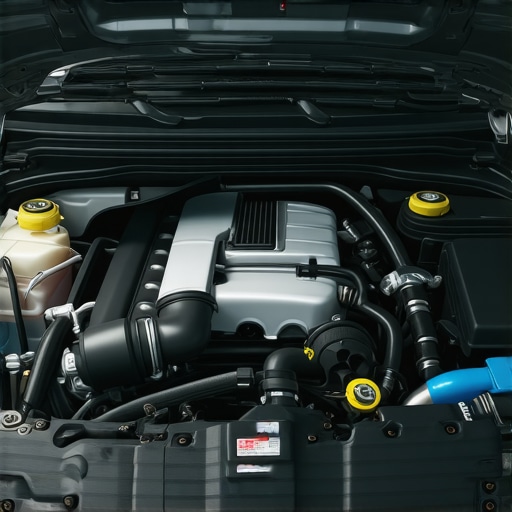
Start by identifying your vehicle’s fuse box, often under the dashboard or hood. Remove fuses one by one, inspecting for signs of corrosion or damage. Use your multimeter set to ohms to check each fuse’s continuity—no continuity indicates a blown fuse, which might hint at a short circuit acting as a drain.
Apply the Multimeter Correctly
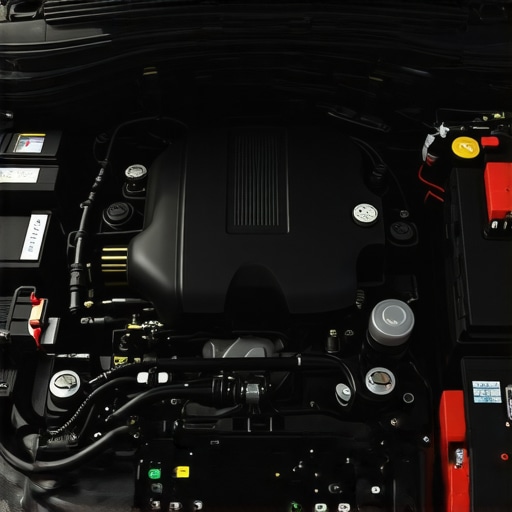
Set your multimeter to measure current (amps). Connect the black lead to a grounded point and the red lead inline with the positive battery terminal. This setup allows you to measure the parasitic current drain directly. Remember, a healthy drain should be below 50 milliamps; higher readings suggest a parasitic draw that needs investigation.
Test for Parasitic Drain
With everything turned off, observe the multimeter reading. If the current exceeds recommended levels, start pulling fuses one at a time, watching for the reading to drop. When a fuse removal causes the current to decrease significantly, you’ve identified the circuit responsible for the drain.
Identify and Fix the Culprit Circuit
Once you’ve pinpointed the problematic circuit, consult your vehicle’s wiring diagram—similar to an electrical map—to find the components involved. Check relays, switches, and devices on that circuit for faults, corrosion, or damage. For example, a faulty relay might stick in the ‘on’ position, continuously drawing power even when the vehicle is off.
Address the Issue
Replace or repair damaged components. For instance, if a relay is malfunctioning, swapping it out with a known good one can resolve the drain. After repairs, re-measure the current to ensure the parasitic draw falls within safe limits, giving your battery a chance to last longer and eliminating those surprise dead starts.
Test the Repair and Confirm
Reassemble your fuse box, reconnect the battery, and run a thorough check. Observe the vehicle’s systems for proper operation. This process mirrors a thorough transmission service: diagnose, repair, and verify—ensuring your electrical system operates smoothly and efficiently.
By following these concrete steps, you move from guesswork to certainty, saving money and avoiding unexpected breakdowns. Regularly performing these checks, akin to routine oil changes, will keep your vehicle’s electrical health in top shape.
Many car owners operate under misconceptions when it comes to vehicle maintenance, particularly regarding transmission work, ASE certification standards, and routine oil changes. A common myth is that all car services are interchangeable or that paying for a well-known brand guarantees quality. However, from my experience, understanding the subtle differences and advanced nuances can make a significant impact on your vehicle’s longevity. For instance, not all ASE-certified technicians are equally skilled—some focus on quick repairs rather than thorough diagnostics. It’s crucial to look beyond the badge and consider their specialization, which can be verified through detailed certifications like the ASE Master Technician credentials. Additionally, many overlook the importance of precise transmission servicing. While a typical flush might be sufficient in some cases, complex transmission issues often require a nuanced approach, including a full fluid analysis and component inspection, as detailed in expert guides found at transmission maintenance insights. Regarding oil changes, the widespread belief that any oil grade fits all engines is outdated. Modern engines depend on specific oil formulations, and neglecting this can lead to increased wear and even engine failure. The move towards synthetic oils offers superior oxidation stability and better performance, especially in high-stress scenarios, but only if used appropriately—a nuance emphasized in this detailed analysis. Here’s a key pitfall to avoid: many wait until the warning lights turn on or the engine warning beeps, which can be too late. Regular oil analysis, a sophisticated technique requiring specialized equipment, uncovers underlying issues before they escalate, as supported by recent industry research. Don’t fall into the trap of dismissing routine maintenance as unnecessary; instead, stay informed about the advanced techniques that keep your vehicle in optimal condition. Make sure your service provider understands these nuances—this isn’t just about ticking boxes but ensuring comprehensive care. Would you trust a technician who only performs superficial checks? Probably not. Invest in the right expertise, and your vehicle will reward you with reliable performance and extended lifespan. Have you ever fallen into this trap? Let me know in the comments.Maintaining your vehicle’s optimal performance requires having the right tools and a disciplined approach to routine care. I personally rely on high-quality diagnostic equipment, specifically a digital multimeter with a milliamps range, because it allows me to precisely measure parasitic electrical draws without guesswork, as discussed in expert maintenance guides. A test light is handy for quick circuit checks, but for detailed diagnostics, nothing beats a multimeter that can measure voltage, current, and resistance. Additionally, a software-based OBD2 scanner like the BlueDriver or FIXD connects wirelessly to my smartphone, providing real-time data and stored fault codes, which is invaluable for tracking long-term issues and preventing costly repairs. These tools aren’t just optional extras—they’re becoming essential as vehicles evolve with more complex electronic systems and support predictive maintenance, ensuring that small problems don’t escalate. Continuous training through reputable courses, such as ASE certification programs, also enhances my understanding and keeps me updated with the latest industry standards, especially for critical systems like transmissions. Looking ahead, I predict that diagnostic tools will increasingly incorporate AI-driven analytics, offering proactive recommendations based on historical data, which will revolutionize how we manage vehicle health.
How do I maintain my vehicle’s electrical system over time?
Regular inspections using a multimeter for parasitic drains help prevent unexpected failures. Ensuring your vehicle’s software is up-to-date and performing routine oil changes with the recommended synthetic oils, as highlighted in this article, maintains engine efficiency and prolongs component life. Properly diagnosing and addressing small electrical issues early not only saves money but also preserves the vehicle’s overall health. Remember, investing in quality tools and ongoing training are critical steps in moving toward a future where your car can tell you when it needs attention before a breakdown occurs. Don’t hesitate to try out a detailed parasitic draw test with your multimeter this week—it’s a straightforward skill that can save you from costly surprises and keep your car running smoothly for years to come.
Lessons That Shift My Perspective on Car Care
One of the most eye-opening lessons I learned is that not all car issues are as straightforward as they seem; sometimes, a small electrical drain silently robs your battery, leading to unexpected breakdowns. Recognizing this taught me the importance of regular parasitic draw tests, which saved me both time and money by catching problems before they escalate.
I also discovered that trusting certifications alone isn’t enough—delving into the technician’s specialized training, like ASE Master Technician credentials, provided peace of mind that my vehicle was in capable hands. This insight redefined how I choose service providers, emphasizing expertise over reputation alone.
Another lightbulb moment was realizing the critical difference between synthetic and conventional oils. Reading authoritative sources like this article changed my routine, convincing me to switch to synthetic oils for better engine longevity—and it’s made a noticeable impact.
Tools and Resources That Accelerated My Learning Curve
Equipping myself with a quality digital multimeter designed for automotive diagnostics revolutionized my ability to detect electrical issues. Paired with a reliable OBD2 scanner like BlueDriver, I could monitor real-time data and catch faults early. These tools, recommended by industry experts, are game-changers for DIY enthusiasts and seasoned technicians alike.
Additionally, I found valuable insights in books like Automotive Electrical Handbook and trusted online communities where experienced professionals share troubleshooting techniques. Their combined knowledge helped me approach vehicle maintenance more methodically and confidently.
Fuel Your Drive: Take Action Today
Your vehicle’s health is a reflection of consistent, informed care. By embracing expert advice and staying proactive—with diagnostic tools and ongoing education—you can prevent costly repairs and enjoy reliable performance for years to come. Remember, the power to keep your car running smoothly starts with small, deliberate steps today.
Have you ever uncovered a seemingly minor issue that saved you from bigger problems? Share your experiences below—I’d love to hear how routine maintenance made a difference in your journey.