Why your radiator hoses feel hard as a rock
Ever had that sinking feeling when you open your hood and notice your radiator hoses are as stiff as a piece of steel? I remember the first time I felt that crunch when trying to squeeze one of those hoses—my heart sank. It’s one of those surprises that catches you off guard, especially when you’re just trying to get your car ready for a road trip or a quick fix before work. That moment of realization made me wonder: what am I overlooking that could turn into a costly repair?
Understanding the Hard Hose Mystery
Why Would Radiator Hoses Turn Rigid?
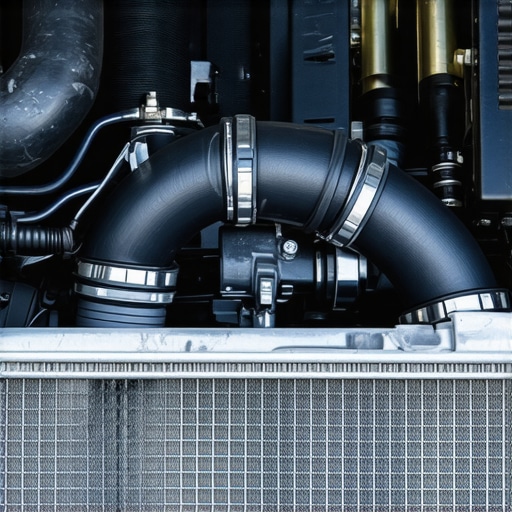
First off, let’s clear up the mystery. Radiator hoses are supposed to be flexible—so why do they sometimes feel rock hard? It turns out that over time, exposure to heat, coolant changes, and environmental factors can cause the rubber to age prematurely. When rubber gets old or degraded, it loses elasticity and becomes stiff, sometimes even brittle. This isn’t just a minor inconvenience; it can lead to serious cooling issues or even hose failure if not caught early.
I’ve made the mistake early on of ignoring the signs, thinking a little hardness wasn’t a big deal. But what I learned the hard way is that hardened hoses are a red flag indicating underlying problems—like coolant leaks or corrosion—that need immediate attention. Implementing regular inspections can help catch these warning signs early. For more on keeping your vehicle in top shape, check out Why regular oil changes extend your car’s lifespan.
What We’ll Cover Today
So, if your radiator hoses are feeling like they could snap at any moment, don’t panic. In this post, I’ll walk you through how to identify if those hoses are shot, what causes the hardening, and most importantly, how to fix or replace them effectively. Whether you’re a seasoned DIY mechanic or just trying to keep your vehicle reliable, understanding these signs can save you a bundle and keep you on the road without unexpected breakdowns.
Will Replacing Hoses Solve Everything? The Common Skepticism
I get it—some folks worry that replacing hoses might be a waste of time if the engine or cooling system has other issues. Early in my own journey, I made the mistake of replacing a hose without checking the radiator core or coolant quality, which only led to more problems down the line. Trust me, addressing the hoses alone isn’t a magic fix; it’s part of a bigger picture that includes proper system maintenance. To ensure your car’s cooling system functions flawlessly, consider consulting a professional or reading up on the best maintenance practices at Choosing the right car service for your vehicle’s needs.
Prepare Your Tools and Workspace
Start by gathering essential tools: a set of screwdrivers, pliers, a socket wrench, and new radiator hoses. Park your vehicle on a flat surface, ensure the engine is cool, and disconnect the negative terminal of the battery to prevent electrical hazards. Proper preparation makes the job smoother and reduces the risk of mistakes.
Drain the Coolant System
Locate the radiator drain petcock or lower radiator hose clamp—depending on your vehicle model—and place a container beneath to catch the coolant. Carefully open the petcock or loosen the clamp to drain the coolant into the container. Remember, coolant is toxic; handle it with gloves and dispose of it responsibly or recycle it.
Tip: Use an old towel around the drain area to catch minor leaks and prevent spills. I once forgot to do this and ended up with coolant splattered all over my engine bay, which took extra cleaning. Being meticulous speeds up the entire process and keeps your workspace clean.
Remove the Old Hoses
Loosen the clamps securing the radiator hoses with a screwdriver or pliers. Gently twist the hoses to break the seal and slide them off the fittings. If they’re stuck, a little bit of WD-40 can loosen corroded clamp segments or hardened rubber. Be cautious not to damage the radiator fittings—damaged connections can lead to leaks.
Inspect and Prepare New Hoses
Compare the old and new hoses to ensure correct sizing. Before installation, prime the new hoses by flexing them gently to regain flexibility and check for defects. This step, similar to how an ASE tech inspects replacement parts, ensures reliability and longevity. Reference: Understanding ASE Certification.
Install the New Hoses
Slide the new hoses onto the fittings, ensuring they sit fully and correctly. Tighten the clamps securely but avoid over-tightening, which can damage the hose or fittings. Imagine it like tightening lug nuts—proper torque is essential to prevent leaks without risking damage. Once installed, double-check all clamps and connections.
Refill and Bleed the Cooling System
Close the drain or tighten the petcock securely, then refill the radiator with the appropriate type and amount of coolant as specified in your vehicle’s manual. To remove air pockets that can cause overheating, bleed the system by running the engine with the radiator cap off and the heater on high. Watch for bubbles escaping; this indicates trapped air is escaping.
Pro Tip: Keep an eye on the temperature gauge during this process. If it spikes, shut down immediately to prevent engine damage. I learned this costly lesson when I ignored rising temp indicators and had to replace a warped cylinder head—a mistake best avoided with patience and careful monitoring.
Test Your Work
Start the engine and let it run until reaching the operating temperature. Inspect for leaks around the hoses and fittings, and check the coolant level again, topping off if necessary. Take a short drive to ensure the system maintains proper pressure and temperature. Regularly inspecting your hoses and coolant levels—similar to how an ASE-certified technician would—can prevent costly overheating issues down the line.
When it comes to car maintenance, many car owners and even some technicians operate under assumptions that can be misleading or outright wrong. One common misconception is that replacing a transmission fluid is always unnecessary if the vehicle shifts smoothly, but in reality, many modern transmissions benefit from scheduled fluid changes to prevent costly failures, as highlighted in expert insights on transmission troubleshooting. Similarly, there’s a persistent myth that all ASE certifications guarantee the best mechanic, but in my experience, the nuances lie in the technician’s ongoing education and specialization, which explain in detail.
Keep It Going: Essential Tools for Reliable Vehicle Care
Maintaining your vehicle’s performance over the long haul requires more than just basic knowledge; it demands the right tools paired with disciplined routines. I personally swear by a quality digital multimeter and a scan tool like the BlueDriver Bluetooth OBD2 scanner. These devices allow me to pinpoint electrical issues and monitor sensor data in real time, saving hours of guesswork and potentially avoiding costly repairs. The BlueDriver app syncs with my phone, offering detailed diagnostics comparable to professional-grade equipment, which is invaluable for an enthusiast wanting assurance without frequent trips to the shop.
For fluid analysis, I rely on a hydrometer designed specifically for transmission fluid. This simple yet effective tool helps me determine fluid viscosity and contamination levels, guiding my decisions on when to schedule a fluid change before symptoms escalate. Regular use of such devices aligns perfectly with recommendations from ASE-certified technicians, ensuring that ongoing maintenance aligns with industry standards. To learn more about what ASE certification signifies for your vehicle’s care, visit this detailed guide.
Predictions for the Future of Car Maintenance
Looking ahead, the integration of smart diagnostics and AI-driven maintenance systems is poised to revolutionize vehicle care. Cars will increasingly come equipped with self-monitoring sensors that communicate directly with service centers or even owners’ smartphones, enabling predictive maintenance that prevents breakdowns before they happen. As these technologies evolve, mastering digital diagnostic tools will become a core skill for both DIY enthusiasts and professional technicians, positioning you at the forefront of automotive innovation.
How do I maintain transmission health over time?
To keep your transmission shifting smoothly and avoid premature failure, follow a disciplined fluid change schedule, checking fluid condition regularly with a dedicated testing kit. Remember, transmission fluid isn’t just for lubrication—it’s a heat regulator and a cleaner, as highlighted in expert insights on transmission troubleshooting. Additionally, consulting a trusted, ASE-certified technician can help you interpret fluid analysis results and schedule necessary repairs, ultimately extending your transmission’s lifespan. Try testing your transmission fluid this month with a reputable fluid analysis kit—it’s a straightforward step that pays off in the long run.
Lessons Only The Best Mechanics Discover About Transmission and Oil Care
Over the years, I’ve learned that some of the most impactful lessons in car maintenance come from mistakes made in the heat of the moment or shortcuts taken early on. One of my biggest lightbulb moments was realizing that ignoring the subtle signs of transmission wear or neglecting regular oil analysis doesn’t just risk a breakdown—it erodes trust in your vehicle’s longevity. That deep understanding transformed how I approach routine checks, reminding me that a little extra effort today saves costly surprises tomorrow. Knowledge like choosing the right car service, as discussed here, is vital for every owner wanting peace of mind.
Invaluable Gear for Vehicle Vigilance
One tool I rely on heavily is a high-quality scan tool like the BlueDriver Bluetooth OBD2 scanner. It’s made me more proactive in diagnosing issues before they escalate, giving me insights comparable to professional diagnostics without ever leaving my driveway. For fluid testing, a simple hydrometer has saved me from premature transmission failures by alerting me to early contamination. These resources, combined with trusted books on ASE standards, have reshaped my maintenance routine. If you’re serious about taking control, these tools and understanding ASE certification details are where to start.
The road to a reliable vehicle isn’t paved with guesswork—it’s built on data, discipline, and a willingness to learn. The future of car maintenance is evolving rapidly, with AI-driven diagnostics and smart sensors becoming the norm. To stay ahead, I encourage you to incorporate regular fluid analysis into your vehicle care routine, and consider upgrading your toolkit with digital diagnostics. Curiosity and consistency are your best allies. Are you ready to elevate your car care game and prevent costly repairs, especially when it comes to transmission and oil health? Remember, small steps today create a smoother ride tomorrow.