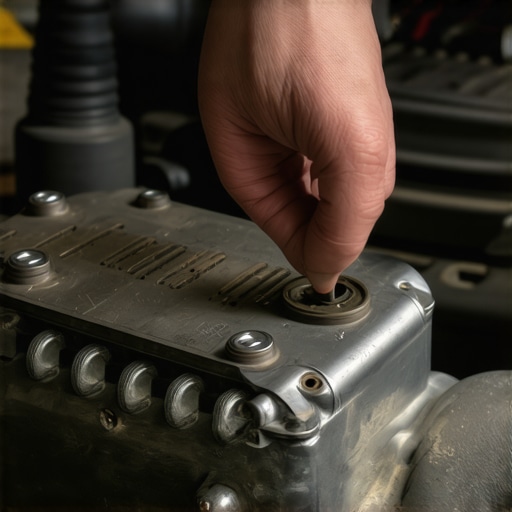
The Metallic Tapping Sound That Signals Engine Trouble
Imagine this: I was halfway through a long drive, feeling great, when suddenly, a sharp metallic tapping echoed from my engine. My stomach sank. I thought, “Oh no, not now!” Turns out, that tap was more than just noise—it was a warning sign that I was inching closer to a major engine problem. Early on, I ignored a similar sound, assuming it was just ‘normal’ or harmless. Big mistake. That oversight cost me time, money, and some definitely stressful moments.
Why That Unsettling Metal Tap Could Be Your Engine Crying Out
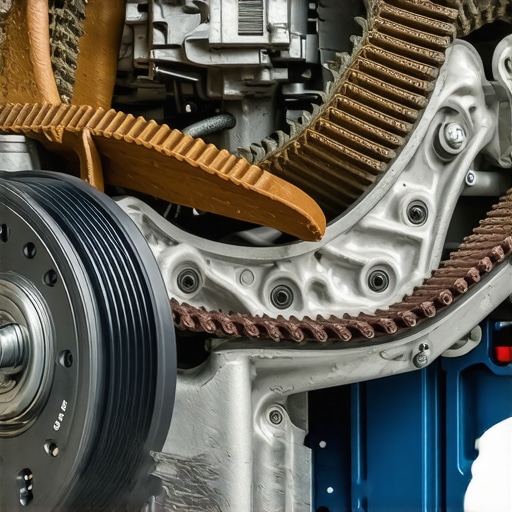
The metallic tapping sound beneath the hood is more than just an annoying noise—it’s your engine’s way of signaling trouble. I’ve learned from personal experience and years of tinkering that understanding what that sound means can save you from costly repairs. It’s tempting to dismiss the tap as a minor issue, but in reality, it’s often an early warning that something is amiss—like worn push rods, loose valves, or even deeper internal issues. Addressing it early can be the difference between a quick fix and a complete engine overhaul.
Is Your Engine Trouble Sign Worth the Hype?
When I first heard that persistent tap, I thought, “Is this really serious?” Turns out, I made the classic mistake of dismissing the warning, hoping it’d go away on its own. Early errors like this are common—many car owners ignore odd sounds until they’ve escalated into full-blown breakdowns. Trust me, checking out that noise sooner rather than later can make all the difference. Don’t wait until your engine sputters or refuses to start. For more insights on engine health, I recommend reading this article to understand what engine symptoms can tell you about your vehicle’s condition.
So, if that metallic tap has been bothering you, you’re not alone. And the sooner you identify its cause, the better your chances of avoiding major repairs. Ready to learn how I tackled this problem head-on? Let’s dive into the steps to decode that telltale sound and keep your engine running smoothly.
Pull Over Safely and Prepare for Inspection
First, turn on your hazard lights and find a safe spot to stop your vehicle. Engage the parking brake to prevent rolling. Don’t just turn off the engine; keep it running to listen carefully and locate the noise source. Remember, elevated engine temperatures can be dangerous, so proceed cautiously.
Open the Hood and Assess the Situation
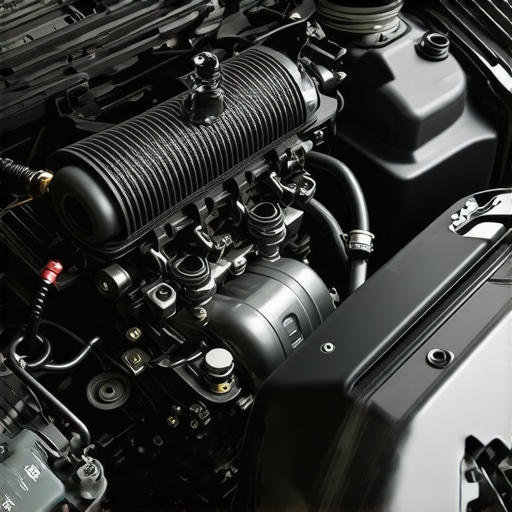
Wear gloves and safety glasses if available. Visually inspect the engine compartment for obvious signs: loose belts, damaged hoses, or shiny metal shavings. I once noticed a loose valve cover bolt that was causing a faint tap—tightening it resolved the issue instantly. Use a flashlight if necessary, and check for oil leaks or debris that could contribute to abnormal sounds.
Identify the Source of the Tap
Carefully listen around the engine bay. Rub your hand lightly on the valve cover and other components to feel for vibrations or rattles. Using a mechanic’s stethoscope or a long screwdriver pressed gently against different engine parts can help pinpoint the exact location of the noise. For instance, a tapping near the timing chain could indicate worn tensioners, requiring timely attention.
Check the Oil Level and Condition
Locate the dipstick, pull it out, wipe it clean, and reinsert fully. Remove it again and observe the oil level—if it’s low, top up with the recommended oil type, often found in your owner’s manual or on the oil filler cap. Also, assess oil quality; if it’s dark and gritty or resembles a chocolate milkshake, it signals internal issues needing professional diagnosis. Regular oil analysis can prevent severe engine damages.
Change the Oil if Necessary
Based on the oil condition and mileage, consider an oil change. Use quality oils, such as synthetic or synthetic blends, especially for high-mileage, turbocharged, or modern engines. Following top oil change tips helps extend engine lifespan and improves performance. A fresh oil change can reduce internal friction and eliminate noises caused by sludge or worn parts.
Inspect and Test Engine Components
Check the spark plugs, belts, and pulleys for wear or misalignment. If you notice cracked belts or loose components, replace or tighten them. For complex issues like worn valve lifters or camshaft wear, a professional ASE-certified mechanic can perform a precise diagnosis. They may use specialized tools to test compression, valve timing, or perform a cylinder leak-down test, similar to the method used in certified diagnostics.
Address the Issue or Seek Expert Help
If you identify a simple cause—like a loose bolt or low oil—address it immediately. For internal engine wear, abnormal tapping that persists after basic fixes indicates a deeper problem. Don’t hesitate to consult a trained, ASE-certified technician who can perform advanced diagnostics, such as cylinder pressure tests or inspecting valvetrain components. Visit contact us for trusted professional assistance.
Document and Monitor
After repairs or adjustments, start the engine and listen again—does the tapping persist? Recording sound via your phone can help you compare before-and-after states or relay the issue to your mechanic. Continual monitoring ensures early detection of recurring problems, preventing costly future repairs. Remember, regular vehicle check-ups and maintenance, like scheduled oil changes, keep your engine running smoothly and help catch issues before they escalate.
In the world of automotive maintenance, many believe they understand how things work, but some prevalent myths persist that can lead to costly mistakes. One common misconception is that all oil changes are created equal—that any oil is sufficient as long as the engine runs. In reality, selecting the right oil, especially for modern turbocharged engines, requires understanding the nuances between synthetic, synthetic blend, and conventional oils. According to automotive experts, using high-quality synthetic oils can significantly extend engine life and improve performance, particularly in high-stress conditions. Proper oil choice isn’t just a routine; it’s a critical component ofAdvanced vehicle longevity.
Another widespread myth is that transmission fluid is a maintenance item that can be ignored until symptoms appear. Many drivers wait until they notice slipping or rough shifting, which often indicates internal wear. Yet, proactive transmission maintenance, including regular fluid checks and flushes, can prevent catastrophic failure. Notably, some believe that a transmission fluid change is a simple drain and refill; however, a comprehensive transmission flush involves clearing out all old fluid and contaminants, ensuring the system operates smoothly.
Are ASE Certifications Just a Marketing Gimmick Or Do They Matter When Choosing a Mechanic?
Many car owners assume that all mechanics are equally qualified, but an ASE certification is an industry benchmark indicating a technician’s expertise in specific areas like diagnostics or drivetrain repairs. Studies have shown that ASE-certified technicians tend to perform repairs more accurately and efficiently, reducing the risk of misdiagnosis and unnecessary parts replacement. The certification process involves rigorous testing, which ensures that the technician is proficient in modern vehicle systems. Relying on ASE-certified shops helps safeguard your vehicle’s health, especially with complex systems like transmissions and engine management.
But here’s the oops factor—some shops may claim ASE certification but lack genuine expertise. Always verify a shop’s ASE credentials through the official ASE directory before scheduling repairs. This extra step can save you from worse problems down the road.
Now, let’s challenge the common belief that all car service providers are equal. The truth is, not every shop follows manufacturer guidelines or invests in the latest diagnostic tools. Educating yourself about the nuances, such as the significance of regular scheduled maintenance and understanding technician credentials, allows you to make smarter choices. Have you ever fallen into this trap? Let me know in the comments.
Tools That Make Maintenance Easier and More Accurate
Maintaining your vehicle over the long term requires precision, and the right tools are essential for achieving professional-level results at home. I personally rely on a digital automotive stethoscope, such as the Cornwell YST200, because it allows me to pinpoint noises like engine taps or squeals with remarkable clarity, saving me time and guesswork. Additionally, a high-quality OBD-II scanner, like the BlueDriver Bluetooth Pro, provides real-time fault codes and live data streams, enabling me to diagnose issues before they escalate into costly repairs.
Beyond diagnostic tools, I invest in a good set of hydraulic jack stands and a torque wrench calibrated within a 2% margin of error. Precision torque application ensures that critical components like wheel lug nuts or transmission drain plugs are tightened to manufacturer specifications, which is vital for safety and longevity. I also keep a set of mechanic-grade gloves and a detailed service manual tailored to my vehicle model, making the maintenance process safer and more straightforward.
Implementing Effective Maintenance Methods
Routine maintenance isn’t just about changing fluids; it’s about adopting systematic checks. I schedule oil changes based on the manufacturer’s recommendations and use high-quality synthetic oils as advised in top oil change tips—it prolongs engine life and reduces internal wear. Additionally, regularly inspecting and replacing transmission fluid, especially in older or high-mileage vehicles, is critical; I follow the guidance from expert insights to maintain smooth gear shifts.
One method I swear by is periodic coolant system flushing using a quality flushing agent like the Prestone Radiator Flush. Many overlook this step, but it helps prevent corrosion and heater core blockages. For spark plugs, I adhere strictly to the torque specs outlined in the manufacturer’s manual, using my calibrated torque wrench—this small step greatly improves combustion efficiency and engine smoothness.
Long-Term Results and Scaling Up
Practicing disciplined maintenance with these tools and methods leads to significant benefits over time: improved fuel economy, fewer breakdowns, and a longer vehicle lifespan. As I gradually get more comfortable, I’ve begun exploring aftermarket parts that meet OEM specs, which often offer better durability and value. For fleet managers or those with multiple vehicles, investing in an advanced diagnostic tablet that syncs with cloud-based maintenance records can streamline scheduling and history tracking, ensuring consistency across your fleet.
How do I keep my car maintenance effective over time?
Consistent scheduled check-ups, using the right parts and fluids, and leveraging technology like OBD-II scanners and digital stethoscopes allow you to catch issues early. Regularly reviewing your service history, staying compliant with manufacturer-recommended intervals, and consulting trustworthy resources—like these tips—help maintain optimal vehicle health. As vehicle systems become more complex, staying informed and investing in proper diagnostic tools will be essential. A good starting point is trying out a simple diagnostic scan after your next oil change; it can reveal hidden issues before they grow into bigger problems. For expert guidance, don’t hesitate to reach out.
How a Small Sound Can Teach Big Lessons About Car Maintenance
One of the most valuable insights I’ve gained is that ignoring subtle engine sounds can lead to costly repairs down the line. That persistent metallic tap I once dismissed was a wake-up call that transformed my approach to car care. Learning to recognize and act on these warning signs early saved me thousands of dollars and stress.
Why Trusted Mechanics and ASE Certification Matter Beyond the Surface
My experience taught me that not all certifications are equal. An ASE certification isn’t just a badge; it signifies a mechanic’s real expertise in diagnostics and repairs. Relying on certified professionals, especially when dealing with intricate issues like transmission troubles, has made a huge difference in the longevity and safety of my vehicle. Verifying these credentials through resources like the official ASE directory ensures you’re in competent hands.
What I Wish I Knew Before Attempting DIY Repairs
Taking on maintenance tasks with limited tools and knowledge can backfire. Investing in essential tools like a mechanic’s stethoscope or a quality OBD-II scanner, such as the BlueDriver Bluetooth Pro, allows for more accurate diagnostics. These tools helped me identify hidden issues early, preventing small problems from escalating. Remember, when in doubt, professional help from trusted technicians often saves time and money.
Long-Term Maintenance Strategies That Keep Cars Running Smoothly
I learned that consistent scheduled checks, like regular oil changes with high-quality synthetic oils, and transmission fluid maintenance are key. Using resources like top oil change tips, I maintained optimal engine performance. Coupled with periodic coolant system flushes and precise torque application on critical components, these practices significantly extended my vehicle’s lifespan.
My Top Resources for Car Care Confidence
Over time, I’ve curated a set of trusted sources and tools that empower my maintenance routine:
- Digital automotive stethoscope: Pinpoints unusual noises accurately.
- High-quality OBD-II scanner: Real-time diagnostics, preventing surprises.
- Official manuals and guides: For model-specific procedures and torque specs.
These investments have transformed my DIY approach into a more professional-level maintenance process, giving me peace of mind and saving money.
Take Charge of Your Car’s Future Today
Recognizing the signals your engine gives and investing in proper maintenance tools can dramatically improve your vehicle’s reliability. Don’t wait for that mysterious tap to turn into a major fault—act proactively. Your car will thank you for the care, and you’ll enjoy driving with confidence. Ready to start implementing these strategies? Your path to better car health begins now!
What’s the first small step you’re going to take to understand your engine better? Share your plans below—I’d love to hear your journey towards more reliable car service!