Why Your Gears Grind Even Though the Clutch is All the Way Down
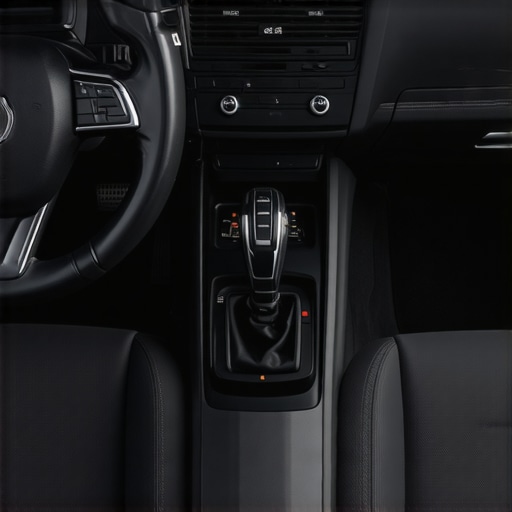
I remember sitting at a busy intersection in my old pickup, sweat beads forming on my forehead. The light turned green. I buried the clutch pedal into the carpet and tried to slide the stick into first gear. Instead of a smooth engagement, I got a violent crrrr-crunch that vibrated through my entire arm. It sounded like I was throwing a handful of gravel into a blender. I was humiliated. I knew I had the pedal down, so why was my truck acting like I didn’t know how to drive a stick? That moment was a wake-up call that changed how I look at transmission troubles forever. Today, I want to help you figure out why that metal-on-metal scream is happening to you, because trust me, ignoring it is the fastest way to turn a small fix into a massive bill.
Your Foot is Down but the Gears are Still Spinning
When you push that pedal, you expect the connection between the engine and the wheels to be severed. But sometimes, they stay ‘married’ just enough to cause chaos. I made the classic mistake early on of thinking that if the pedal felt heavy, it must be working. It turns out that mechanical components don’t care about your feelings. If your hydraulic fluid is old or air has snuck into the lines, that pedal travel is essentially wasted movement. I once spent three days trying to ‘bench bleed’ a master cylinder with a piece of old garden hose and a prayer. It was a mess, and it didn’t solve a thing. That is why understanding what an ASE certification means for your technician is so important; they have the right tools to see what we miss. According to the Car Care Council, neglected vehicle fluid maintenance is a primary driver of premature part failure, and your clutch hydraulics are usually the first to be ignored during a standard car service visit.
Is My Entire Transmission About to Explode?
It is the fear we all have when we hear that grinding noise. You start calculating the cost of a full rebuild in your head while you are still rolling down the road. But here is the reality: most of the time, the gears themselves aren’t the problem—it is the system that is supposed to stop them from spinning. If the clutch disc is ‘dragging’ even slightly, the input shaft keeps turning. When you try to force it into gear, you are asking the synchronizers to do a job they weren’t designed for. Have you ever felt that distinct resistance where the shifter just refuses to go in without a fight? That is your car begging for a check-up. You should also take a peek at what your transmission fluid color is trying to tell you, as burnt or dark fluid can be a major red flag for internal heat damage. We are going to dive into the specifics of hydraulic leaks, warped pressure plates, and even the pilot bearing, which is a tiny part that causes a massive headache.
Hunt for Air in the Lines First
If your car is grinding even with the pedal buried, the hydraulic system is the most likely culprit. Think of it like drinking through a straw with a hole in it; you are sucking air instead of the milkshake. You need to inspect the master and slave cylinders for any signs of weeping. I remember a Saturday afternoon spent under a friend’s Civic where we swore the clutch was gone. After two hours of frustration, we realized a tiny leak at the slave cylinder was preventing full travel. We replaced it, and the shifts became butter-smooth. It is why choosing the right car service for your vehicles needs is critical—sometimes it is a fifty-dollar part, not a two-thousand-dollar transmission. Check for any ‘sponginess’ in the pedal. If it does not offer resistance until it is halfway to the floor, you have air in the system or a failing seal.
The Tiny Bearing That Ruins Everything
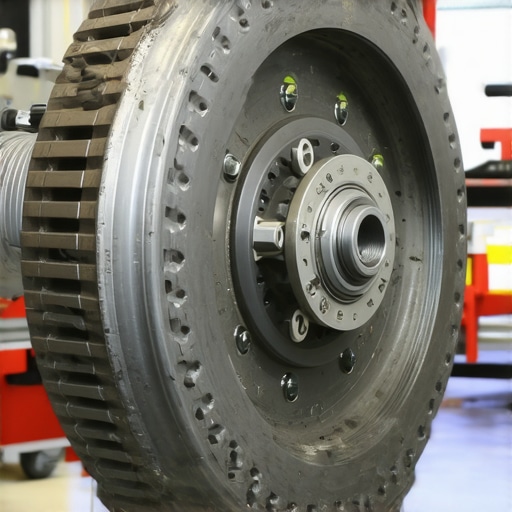
Sometimes the hydraulic system is perfect, yet the grind remains. This is where the pilot bearing comes in. This little guy sits in the end of the crankshaft and supports the input shaft of the transmission. If it seizes or gets ‘crunchy,’ it will physically spin the transmission’s internals even when the clutch is fully disengaged. It is like trying to stop a merry-go-round while someone is still pushing it. If you have ever noticed why your transmission makes a loud whine in neutral that goes away when you press the clutch, you are likely looking at a bad throw-out bearing or pilot bearing. Failing to catch this early is how people end up needing to properly break in a newly rebuilt transmission much sooner than they expected.
Warped Pressure Plates and Dragging Discs
Imagine a record player where the needle will not quite lift off the vinyl. That is what happens when your pressure plate fingers get heat-warped. Even if you push the pedal to the floor, the plate does not move back far enough to fully release the clutch disc. This ‘clutch drag’ is the silent killer of synchronizers. I once worked on a truck that only ground gears after a long highway haul. It turned out the heat from the heavy load was causing the pressure plate to distort just enough to keep the disc spinning. It is the kind of intermittent transmission shudder that only surfaces during a live drive, making it a nightmare to diagnose in a stationary shop bay. If you are dealing with this, you have to be careful about who you trust with the repair; knowing how to spot a fake ASE certification can save you from a technician who just wants to throw parts at the problem without finding the root cause.
Flush Out the Grit and Grime
Do not overlook the fluid itself. While we often talk about how regular oil changes extend your cars lifespan, transmission fluid is just as vital. Old, degraded gear oil loses its ability to help the synchronizers do their job. Synchronizers act like tiny brakes that match the speed of the gears before they lock together. If the fluid is thin or contaminated, those ‘brakes’ cannot grab, and you get that nasty metal-on-metal sound. You should always tell if your mechanic actually replaced the transmission filter and fluid during service. If you see the reason your transmission fluid turned brown in just six months, it is a sign of extreme heat or internal wear that needs immediate attention. An ASE certification ensures your tech knows the difference between simple old fluid and a systemic mechanical failure.
You will often hear old-timers say that if your gears are crunchy, you just need to swap to a thicker gear oil to cushion the impact. In my experience, that is one of the most dangerous myths in the garage. Modern synchronizers are essentially tiny cone clutches that need specific friction coefficients to work. Adding thick, honey-like oil can actually prevent the synchronizers from grabbing the gear at all, making the grind even worse. This is why I always tell people that transmission troubles require a surgical approach, not a bucket of thick oil. If you are chasing a ghost in your drivetrain, start with the factory-spec fluid before you assume the hard parts are dead.
Why does the shifter fight back only when the car is hot?
This is a question I get from advanced DIYers all the time. When the metal in your transmission and clutch linkage heats up, it expands. If your clutch fork is slightly bent or your pivot ball is worn down, that heat expansion can be just enough to reduce your ‘throw’ by a fraction of an inch. That tiny loss of travel means the clutch doesn’t fully disengage. According to the National Institute for Automotive Service Excellence (ASE), nearly 70% of complex drivetrain issues are misdiagnosed because technicians fail to account for thermal expansion during a test drive. This is exactly what an ASE certification means for the quality of your repair; it’s the difference between a guess and a data-driven fix. 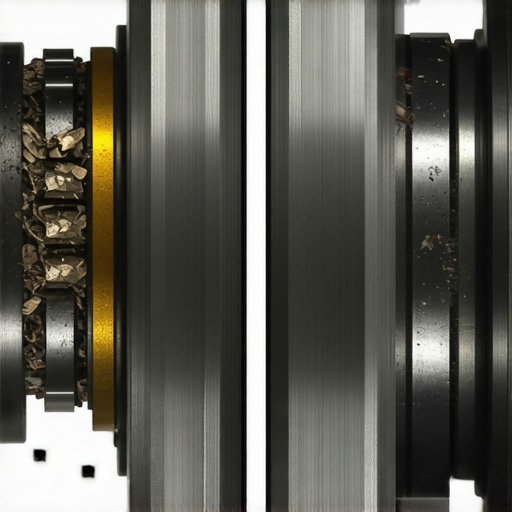
The Overfilling Trap and Non-OEM Risks
One major ‘oops’ factor I see involves basic maintenance gone wrong. Some drivers think that if a little oil is good, more must be better. However, the danger of overfilling your engine oil by just one quart can lead to aeration, where the crankshaft whips the oil into a foam that can’t lubricate your bearings. The same logic applies to your gearbox. Furthermore, I’ve seen countless turbos ruined because of the hidden cost of using non-oem oil filters that don’t have the correct bypass valve pressure. When you are choosing the right car service for your vehicles needs, ensure they aren’t cutting corners with ‘will-fit’ parts. These small details are what keep you from needing to properly break in a newly rebuilt transmission prematurely. Have you ever fallen into this trap of thinking a thicker fluid or a cheaper filter wouldn’t matter? Let me know in the comments. To stay ahead of these issues, always check top oil change tips for safe driving in 2025 to ensure your maintenance routine is up to date.
I have spent way too many hours chasing a ‘spongy’ pedal only to realize that my manual bleeding method was leaving a tiny air bubble trapped in a high loop of the line. Now, I never touch a hydraulic system without my Motive Products Pressure Bleeder. It uses a hand pump to pressurize the master cylinder reservoir, pushing fluid through the system without you ever needing to touch the pedal. This is the level of precision you get when you look for transmission troubles solutions that actually work. Manual pumping often aerates the fluid, creating the very bubbles you are trying to remove. If you want to see how the pros do it, look at what an ASE certification means; it signifies a technician who understands that fluid dynamics require more than just a heavy foot and a ‘good enough’ attitude.
Stop Pumping the Pedal and Use Pressure Instead
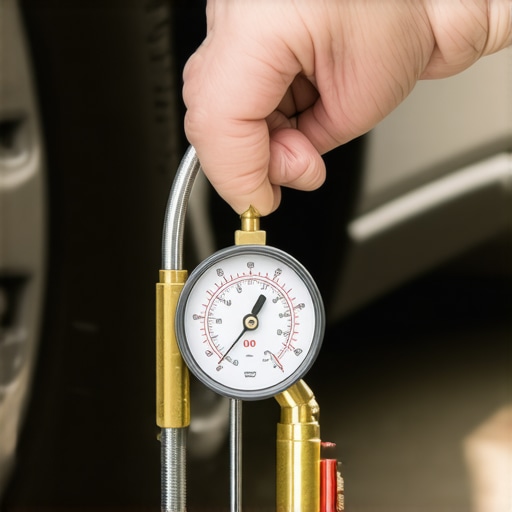
In my garage, the pressure bleeder is the holy grail. By keeping the system under a constant 10-15 PSI, you force the fluid into every nook and cranny of the slave cylinder. It is how I achieved that crisp engagement on my old pickup after years of sloppy shifts. If you are struggling with a grind that will not go away, stop the ‘pump and hold’ routine. It is inefficient and often fails to clear the line. According to TREMEC’s official technical documentation on high-performance manual transmissions, even a 0.050-inch loss in clutch travel can prevent a clean release, leading to accelerated synchronizer wear. This is why having the right car service partner is vital; they use the equipment that ensures every millimeter of pedal travel translates to actual clutch movement.
How Can I Keep My Shifting Smooth for Years?
Consistency is your best friend when it comes to gearbox longevity. I treat my transmission fluid with the same reverence as my engine oil. While most people ignore it until a problem arises, I follow top oil change tips for safe driving in 2025 and apply that logic to my drivetrain. I change my gear oil every 30,000 miles, regardless of what the ‘lifetime fluid’ stickers say. Over time, heat cycles break down the additives that help your synchronizers grab. By keeping the fluid fresh, you are ensuring those tiny internal brakes can do their job without the metal-on-metal violence we talked about earlier. We have seen that regular oil changes extend your cars lifespan, and the same principle applies to your transmission internals. If you are running a business, you should also look into how to get more miles out of your fleets transmission through proactive scheduling.
The Future of Shifting Involves Fewer Gears
As we look toward 2030 and beyond, I predict we will see a shift toward even more specialized synthetic lubricants designed specifically for the higher torque loads of hybrid-manual setups. The ‘one-size-fits-all’ gear oil is dying. We are entering an era where your transmission fluid will be as specific as a medical prescription. To stay ahead, I highly recommend checking your clutch fork and pivot ball for wear during your next major service. A worn pivot ball can ‘sink’ into the fork, stealing just enough travel to cause a grind even if your hydraulics are perfect. Try this today: the next time your car is off, shift through the gears. If it feels notched or heavy without the engine running, your problem might be the linkage rather than the clutch itself.
Lessons I Paid for in Cracked Knuckles and Empty Wallets
After decades under the hood, I’ve realized that the most expensive repairs usually start with a tiny bit of neglect. Here are the three truths that changed how I approach my own driveway projects:
- Fluids are not forever: That ‘lifetime’ sticker on your gearbox is a marketing tactic, not a mechanical reality. Fresh fluid is the cheapest transmission troubles insurance you can buy.
- Hydraulics are picky: Even a microscopic speck of dirt in your slave cylinder can cause enough seal wear to introduce air, leading to that dreaded grind.
- The right pro matters: There is a massive difference between a ‘parts swapper’ and a tech who understands load-bearing dynamics; that is why I always check what an ASE certification means before handing over my keys.
The Gearhead Gear I Won’t Work Without
If you want to move beyond guessing, you need the right reference material and tools. I personally rely on Factory Service Manuals (FSM) because they provide the exact torque specs and clearances for your specific model. For bleeding lines, the Motive Products Pressure Bleeder is my go-to; it eliminates the human error of the two-person pump method. Finally, I keep a digital log of every car service performed to track patterns over time. When you combine high-quality tools with knowledge, even a complex manual gearbox becomes manageable.
Take Back Your Smooth Shifts
Don’t let a crunchy first gear steal the joy of driving. Whether it is a simple fluid swap or a more involved hydraulic bleed, addressing these issues early keeps your car on the road and money in your pocket. Just as regular oil changes extend your cars lifespan, proactive drivetrain maintenance ensures every shift feels as crisp as the day it left the factory. Staying informed with top oil change tips for safe driving in 2025 is a great way to keep your entire vehicle in peak condition. You have the knowledge now—it’s time to get your hands a little dirty and fix that grind for good.
What is the most frustrating noise your car has ever made while shifting? Let me know in the comments below!