How to tell if your transmission slip is mechanical or electronic
It happened on a chilly morning, just as I was leaving for work. My car hesitated, then lurched forward in a jerky motion. I thought, “Great, another thing to fix.” Turns out, that feeling—like someone flicking a switch—can be caused by the transmission, and deciphering whether it’s a mechanical or electronic slip was a real lightbulb moment for me. Understanding this difference saved me time, money, and a whole lot of stress.
Why Knowing the Cause of Your Transmission Slip Matters
Is Worrying About Misdiagnosing Worth It?
If you’re unsure about your situation, consulting a professional can be a game-changer. For more insights, check out this guide on transmission troubleshooting.
Assess the Symptoms Carefully
Start by observing how your car slips. Engage the gears and note if the slipping happens during acceleration, shifting, or idle. Recall a time I noticed my vehicle hesitating during hill starts; I immediately checked the RPM gauge and felt a slight delay. This immediate observation helped me determine if the issue was persistent or occasional, guiding my next steps.
Perform a Visual Inspection of Transmission Components
Open the hood and examine the transmission fluid level and condition. Look for leaks, burnt smell, or dark coloration—these are signs of contamination or low fluid. A quick oil change, like I did when the fluid appeared dark, can resolve minor issues if caught early. Remember, clean, properly filled transmission fluid is vital for smooth shifting; see top oil change tips.
Check Electronic Components and Sensors
Use an OBD-II scanner to read any fault codes. Codes related to speed sensors, solenoids, or valve bodies can point towards electronic faults. I borrowed a scanner from a friend and discovered a sensor fault; replacing it facilitated a quick fix without extensive repairs. For accurate diagnosis, ensure your mechanic is ASE certified—this credential assures expertise in handling such issues. Learn more about what ASE certification means.
Test Drive to Confirm Symptoms
After initial checks and fluid top-ups, take the vehicle for a test drive. Accelerate gently and observe if the slipping persists or worsens. Pay attention to unusual sounds or vibrations. I once failed to notice a slipping clutch until I gave a gentle test drive—quickly, I realized it was more than just a sensor issue.
Perform Basic Maintenance Steps First
Change the transmission fluid and filter if necessary. Use a reputable brand and follow the manufacturer’s specifications—similar to how I used the correct oil grade for my car. This simple step often resolves minor slip issues caused by contaminated or degraded fluid. Check out why regular oil changes matter.
Consult a Professional for Persistent Problems
If symptoms continue despite these steps, it’s time to seek professional help. A qualified ASE technician will perform a detailed diagnosis, which might include measuring line pressure, inspecting clutch packs, or scanning for deeper electronic faults. I once faced a stubborn slip; the mechanic replaced a faulty solenoid, restoring smooth shifting. You can find trusted services at our contact page.
Consider the Long-Term
If your transmission is severely worn, repair or replacement may be necessary. Regular maintenance, such as consistent fluid changes and inspections, can extend your transmission’s lifespan—saving you money and unexpected breakdowns. Remember, proactive care is key, much like how I schedule routine check-ups for my vehicle to prevent costly repairs down the line.
Beyond the Basics: Spotting the Real Nuances in Car Maintenance
Is an ASE Certification Always a Guarantee of Expertise?
The Oops Many Make with Service Timing and Equipment
Regular maintenance also means using the right software to keep track of service intervals. I utilize Fleetio because it syncs with my vehicle data and sends proactive reminders for oil changes, fluid flushes, and diagnostics. Consistent record-keeping isn’t just about compliance; it’s about understanding your vehicle’s unique needs and planning long-term care effectively. Looking ahead, I believe the trend is moving toward smarter, connected diagnostics—integrating IoT sensors that continuously monitor critical systems and predict failures before they happen. This proactive approach minimizes downtime and saves money.
How can I maintain transmission health over time
To keep your transmission and engine running optimally over the years, routine diagnostics combined with a keen eye on fluid quality are crucial. Regularly inspecting transmission fluid condition—checking for dark color or burnt smell—and replacing it according to manufacturer guidelines can prevent slip issues and gear clunking. When I notice signs of wear, I schedule a professional fluid flush, utilizing tools like the MOL merge machine, which allows for a more thorough and controlled clean than basic service methods. This approach ensures maximum transmission longevity, especially in high-mileage vehicles.
While DIY techniques are helpful, complex systems like electronic transmission controls require a trained eye. That’s why I strongly recommend seeking ASE-certified technicians for persistent issues. An ASE certification isn’t just a badge; it signifies a depth of knowledge that can catch subtle electronic faults or internal mechanical wear—issues often missed by less experienced technicians. Regular checkups can help identify early signs such as inconsistent shifting or sensor faults, which, if addressed promptly, can save thousands in repairs. Learn more about why ASE certification matters.
Don’t forget the value of digital tools—using diagnostic apps in tandem with professional help can optimize maintenance efforts. For example, many modern transmission issues are electronic and can be diagnosed remotely with the latest software updates. Implementing these technologies now sets your vehicle up for trouble-free operation in the future, and I encourage you to try out a diagnostic app today that suits your car’s make and model.
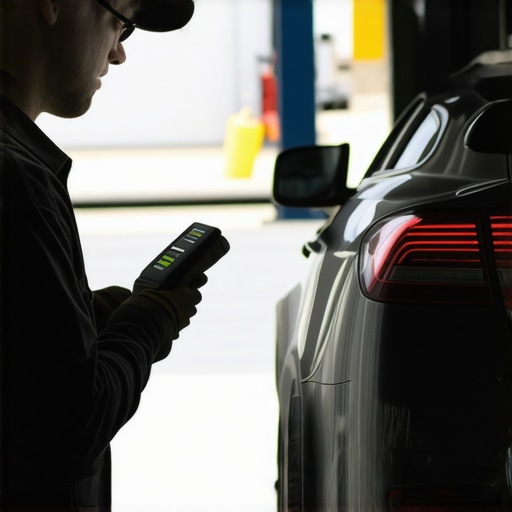
Image illustrating a mechanic using a high-end diagnostic scanner connected to a vehicle’s OBD-II port, emphasizing the importance of modern tools in vehicle maintenance.
The Hardest Lesson I Learned About Car Service, Transmission, ASE Certified, Oil Change
3 Myths About Transmission Maintenance That Held Me Back
What Mechanics Don’t Tell You About ASE Certification
How I Keep My Fleet Running Smoothly Without Surprises
Stay Ahead, Drive Smarter and Safer
Similar Posts
How to spot transmission shudder before it ruins the car
One morning, as I pulled out of my driveway, I felt a strange jolt in my car’s transmission that I hadn’t noticed before. It was subtle—just a slight shudder every time I shifted gears—but enough to set off alarm bells in my mind. I realized then that I’d missed the early signs of transmission trouble,…
Why Your Transmission Hunts for Gears on Long Inclines
One dreary morning, as I was inching up a steep hill with my car struggling to find the right gear, it hit me—transmission issues can turn a simple drive into a nerve-wracking ordeal. That moment of hesitation, feeling like my car was hunting for gears, is something I haven’t forgotten. It’s a surprisingly common problem,…
Why Your Transmission Overheats While Towing Up Small Grades
There I was, crawling up a gentle incline on a weekend trip, my heart sinking as I watched the transmission temperature gauge spike unexpectedly. My hands tightened around the steering wheel, and I could feel a flicker of panic. After years of regular oil changes and trusted mechanics, I thought I had everything under control—but…
How to tell if your mechanic actually replaced the transmission filter
Ever sat in a mechanic’s garage, watching your car get service, and wondered silently, “Did they really do what I paid for?” I remember the light bulb moment when I realized after a transmission service that my vehicle still shifted rough—turns out, not all mechanics follow through with the same diligence. That little nagging doubt…
The secret to making your transmission last 300,000 miles
I remember the first time my transmission started slipping on a chilly winter morning. It was that gut-wrenching moment when your car jerks unexpectedly, and you realize how vulnerable your vehicle truly is. I was frustrated, worried, and honestly a bit naïve about what it takes to keep a transmission humming for the long haul….
Why your transmission feels like it’s slipping in third gear
It was a usual Tuesday afternoon when I stepped on the accelerator, only to feel that unmistakable jolt — like the car was hesitating, reluctant to shift smoothly into third gear. The engine revved a little too high, and I knew something wasn’t right. That lightbulb moment hit me hard: my transmission wasn’t behaving. At…