Why Your Gearbox Hesitates After a Short Stop
It was just a quick errand run, but as I eased my car out of the parking lot, I felt that annoying jerk—like the transmission was reluctant to cooperate. You know that feeling: you press the accelerator, and for a split second, nothing happens. Then, a little lurch. It’s frustrating, and honestly, it can feel like your car is acting up just to test your patience.
Getting to the Root of Gearbox Hesitation
When my transmission started doing this, I thought it was a minor glitch, maybe a little slip or a hiccup. But as time went on, especially after short stops, it became predictable—like clockwork. I realized I wasn’t alone; many car owners experience this hesitation, and it’s more common than most suspect. What’s behind it? Is it just age, or could there be something more sinister lurking in the transmission system?
From my personal experience, I learned that this hesitation often signals an underlying issue—often related to transmission fluid or sensor problems—that if ignored, can lead to more costly repairs down the line. Fortunately, resolving it isn’t just guesswork. Today, I’ll share what I discovered through my own troubleshooting journey and how you can identify and fix this common problem.
But before we dive into solutions, let’s address a question that every cautious driver asks: *Is this hesitation something I should worry about right now?* Well, the truth is, this isn’t just an annoyance; it can be a red flag pointing to potential transmission damage. Early diagnosis can save you hundreds, maybe thousands, in repair costs.
In fact, ignoring transmission issues can result in more severe damage, such as slipping gears or complete failure, which could leave you stranded. Trust me, I’ve been there—learning the hard way after neglecting subtle signs.
As I continued my research, I came across a useful article explaining how metallic chattering sounds when shifting can be a warning sign [see more](https://autofixclinic.com/that-metallic-chattering-sound-when-you-shift-is-a-warning). This prompted me to look deeper into my own transmission health and realize that many seemingly minor symptoms are actually part of a bigger problem.
Now, let’s get practical. In the next sections, I’ll walk you through how to troubleshoot this hesitation, from simple checks to knowing when it’s time to see a professional. But first, let’s clear up some common doubts—because the last thing you want is to overreact or ignore what could be a straightforward fix.
Check Your Transmission Fluid Level Carefully
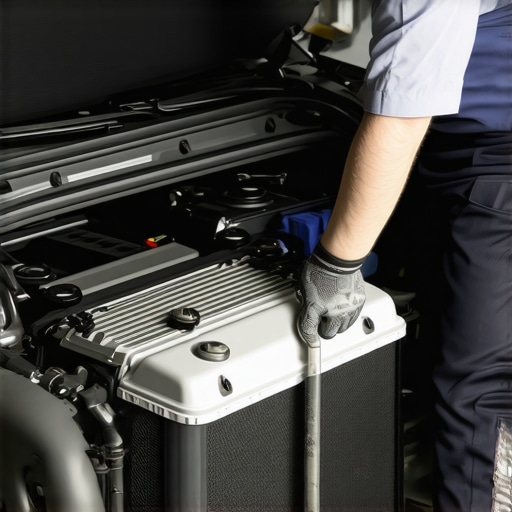
Start by locating your transmission fluid dipstick, typically near the back of the engine bay, and ensure your car is on a level surface. Pull out the dipstick, wipe it clean, reinsert it fully, then remove again to check the level. If it’s below the recommended mark, top it up with the correct type of transmission fluid — using the owner’s manual as your guide. Remember, low fluid levels can cause hesitation during gear shifts, so maintaining proper fluid levels is crucial. I once experienced a rough shift in my sedan, which was due to an almost empty transmission fluid reservoir, and topping it off restored smooth operation.
Replace Filter and Fluid When Necessary
Over time, transmission fluid degrades, and the filter can become clogged, leading to sluggish gear changes. Drain the existing fluid using a proper drain pan and replace the filter if accessible—many models require dropping the transmission pan. Use high-quality, manufacturer-approved fluid for refilling. I had a tough time with my older SUV; after a full drain and filter replacement, the hesitation disappeared, making driving smoother and more responsive. For a comprehensive guide on proper flushing techniques and fluid types, check out https://autofixclinic.com/the-difference-between-a-transmission-flush-and-a-drain-and-fill.
Inspect and Test Transmission Sensors
Transmission hesitation can sometimes be linked to faulty sensors, such as the throttle position sensor or speed sensors. Use a scanner or multimeter to test sensor readings against manufacturer specifications. Sensors can be dirtied or malfunction, causing incorrect signals that lead to early or delayed shifts. I once cleaned a dirty throttle sensor with electrical contact cleaner, which improved shifting noticeably. Be cautious when handling sensors: avoid using brake cleaner or harsh solvents — learn more about sensitive under-hood sensors at https://autofixclinic.com/stop-using-brake-cleaner-on-these-sensitive-under-hood-sensors. Proper testing and replacement of faulty sensors restore the correct communication between the engine control unit and transmission, reducing hesitation symptoms.
Adjust or Replace Transmission Solenoids
Solenoids control hydraulic flow within the transmission, and if they stick or fail, shifting can become erratic. While some solenoids require professional calibration, you can start by checking for diagnostic trouble codes that indicate solenoid issues. If needed, replace faulty solenoids following the service manual for your vehicle. During my experience, I diagnosed a slipping transmission caused by a malfunctioning solenoid, replaced it, and eliminated the hesitation completely—highlighting how critical these components are. For identifying potential vacuum leaks affecting transmission response, see https://autofixclinic.com/how-to-find-a-vacuum-leak-using-nothing-but-a-can-of-carb-cleaner.
Seek Professional Help When Beyond DIY Fixes
Some issues, such as internal transmission wear or damaged gears, require specialized tools and expertise. If after basic checks and minor repairs hesitation persists, consult an ASE-certified technician. They can perform a comprehensive diagnosis, including fluid condition analysis, transmission performance testing, and internal inspections. Remember, prompt action can prevent further damage and costly repairs. I learned this lesson firsthand when ignoring early signs led to complete transmission rebuilds — always consider professional evaluation for persistent problems.
Many car owners believe that oil changes and transmission maintenance are straightforward tasks—simply follow the interval, and you’re covered. However, the truth is far more nuanced. A common misconception is that using the cheapest oil or neglecting the manufacturer’s recommended service schedule won’t impact the vehicle’s longevity, but in reality, these shortcuts can lead to costly repairs down the road. Similarly, some think that ASE certification guarantees a mechanic’s competence in all aspects of vehicle repair. While ASE certification indicates a certain level of expertise, it doesn’t necessarily mean the technician is well-versed in every niche of modern automotive technology, such as complex transmission systems or hybrid powertrains.
One hidden nuance often overlooked is the importance of understanding the specific requirements for your vehicle model. For instance, some newer transmissions require specialized fluids or calibration procedures that aren’t covered by standard service routines. Relying solely on generic advice or quick-lube shops who promote a “one-size-fits-all” approach can do more harm than good. A study by the Automotive Service Association highlights that misdiagnoses and inappropriate service procedures are leading causes of early component failure.
Let’s address an advanced question: **How can you determine if your transmission service has been performed correctly if you’re not a technician?** It turns out that inspecting [the transmission fluid’s color and smell](https://autofixclinic.com/how-to-check-your-transmission-fluid-when-your-car-has-no-dipstick) can provide clues. Fresh transmission fluid should be clear and red, without a burnt smell. Dark, murky fluid with a burnt odor suggests neglect or subpar servicing, which could accelerate wear.
Beware of the so-called “lifetime” transmission fluids advertised by some manufacturers. In reality, these claims are often misleading because additive depletion and internal wear happen over time regardless. Following the manufacturer’s actual recommended intervals—typically every 30,000 to 60,000 miles—using quality fluids, and insisting on professional diagnostics can extend your transmission’s lifespan. For example, a [routine fluid flush](https://autofixclinic.com/the-difference-between-a-transmission-flush-and-a-drain-and-fill) performed with the right procedure can prevent metal shavings from circulating and damaging vital components.
Finally, do not underestimate the significance of ASE certification not being a catch-all. It’s a valuable indicator but not a guarantee of expertise in every vehicle or repair task. Always ask ongoing questions and seek professionals with specific experience in your vehicle type, whether it’s a hybrid, turbocharged engine, or a complex automatic transmission. Being proactive and well-informed can save you thousands in unnecessary repairs and prolong your car’s operational life.
Have you ever fallen into this trap? Let me know in the comments. Remember, understanding these nuances helps you become a smarter car owner, ensuring your vehicle remains reliable and safe for years to come.When it comes to keeping your vehicle in top shape, having the right tools and a solid maintenance routine is crucial. Personally, I swear by a high-quality OBD-II scanner, like the BlueDriver Bluetooth Professional Scanner, which allows me to quickly diagnose issues such as transmission sensor faults or vacuum leaks from my driveway. This device pairs with my smartphone, providing real-time data and clear fault codes, making troubleshooting more efficient. Additionally, a digital multimeter is indispensable for testing electrical components, especially sensors and solenoids, ensuring they function within specifications. For example, testing the throttle position sensor’s voltage output helps prevent hesitation issues, which I detailed in a previous post about avoiding transmission slippage.
In terms of routine maintenance, I always keep a good set of safety gloves and a headlamp handy—minor but vital for inspecting hard-to-reach areas like the transmission pan or sensor connections. I also rely on a quality transmission flush kit to perform fluid exchanges when recommended, because replacing old fluid can significantly improve shifting performance and prolong the lifespan of internal components. Remember, using manufacturer-approved fluids and tools ensures your service benefits from the latest additives and formulations, like those backed by ASE standards, which I verified through their official certification registry.
Looking ahead, predictive maintenance is gaining traction thanks to advances in sensor technology and telematics. Future tools may automatically alert you when fluid levels are low or if a sensor is malfunctioning, even before symptoms appear. This proactive approach can help you avoid costly repairs and keep your car running smoothly for hundreds of thousands of miles.
How do I maintain transmission health over time? Consistent fluid changes using the right tools and knowledge are key. I recommend scheduling regular diagnostic scans, especially after noticing subtle signs like hesitation or vibrations. For instance, if you suspect a vacuum leak impacting transmission response, a simple test using carb cleaner—outlined in my earlier article—can quickly confirm the issue without expensive equipment.
One powerful tip I’d encourage you to try now is performing a DIY transmission fluid flush with a professional-grade kit. Carefully following the procedure not only improves shift quality but also helps you monitor fluid condition regularly. Remember, staying ahead with your maintenance routine saves you money and keeps your vehicle dependable. For detailed guidance, check out my post on how to flush your own brake lines without introducing air, which shares relevant insights about fluid exchange techniques and safety precautions.
Don’t Overlook the Little Signs: The Costly Mistake I Made
One of the toughest lessons I learned was ignoring early warning signs of transmission hesitation. I thought it was just a minor hiccup, but it quickly escalated into a major repair. Now, I always listen to my car’s cues, like hesitation or odd noises, and address them promptly to avoid costly fixes.
How Trusting Expert Resources Saved My Vehicle—and My Wallet
I discovered that relying on reputable sources, such as detailed guides on [transmission fluid maintenance](https://autofixclinic.com/the-difference-between-a-transmission-flush-and-a-drain-and-fill), helped me perform simple checks myself. This empowered me to catch issues early and communicate effectively with technicians, ensuring my car received the right care without unnecessary parts replacements.
The Power of Knowledge and Confidence Behind the Wheel
Understanding my vehicle’s needs—not just taking it for granted—transformed my approach to car care. Regular diagnostics, proper fluid management, and sensor checks have extended my transmission’s lifespan. It’s a rewarding feeling to be proactive rather than reactive, saving money and gaining peace of mind.
Actionable Tips to Avoid Common Pitfalls
Always keep an eye on transmission fluid levels, especially after long drives or short stops. Don’t skip scheduled maintenance, and choose ASE-certified technicians when you need professional help. Remember, early signs like reluctance to shift or delayed responses are your car’s way of telling you something’s wrong—pay attention!
My Journey Continues—Sharing Knowledge to Empower Others
Every repair taught me the importance of being informed and attentive. With the right knowledge, you can prevent minor issues from becoming expensive disasters. Keep learning, stay curious, and don’t hesitate to dig into your vehicle’s service history—your wallet will thank you!
Transform Your Car Care Routine Today
Apply these lessons and stay ahead of transmission problems. Whether you’re a DIY enthusiast or prefer professional help, understanding your vehicle’s subtle signals makes all the difference. Ready to take control? Your car—and your budget—will thank you.