Why Your Car Lunges Forward When You Shift into Drive
I remember pulling out of my driveway one morning, eager to start my day, only to be jolted forward unexpectedly. My heart skipped a beat—it was as if my car had a mind of its own. That sudden lurch when shifting into drive caught me off guard and made me wonder: Is my transmission failing? As a car enthusiast and someone who once missed a crucial oil change, I know that feeling of helplessness all too well. It’s a moment that prompts many car owners to ask, “Why is my car lunging forward?” and, frankly, it can be unsettling.
Getting to the Root of the Sudden Forward Thrust
Understanding why your vehicle lunges forward as you shift into gear isn’t just about satisfying curiosity—it’s about safety and saving money. That aggressive jerk can hint at underlying transmission issues or outdated maintenance habits, and ignoring it might lead to more costly repairs down the line.
One thing I learned early on from my own experiences is that neglecting regular fluid changes can cause your transmission to behave unpredictably. The transmission fluid acts as the lubricant and hydraulic fluid that makes gear shifts smooth. Over time, it can degrade or become contaminated, leading to harsh shifting or, worse, your car’s sudden move. A mistake I made was trusting a quick oil change session without insisting on a transmission check—an oversight I now advise every car owner to avoid.
Addressing this problem is not just about adding fluid; it’s about diagnosing whether your transmission’s guts are healthy or if replacement is looming. Fortunately, with the right knowledge and routine maintenance, you can significantly extend your transmission’s lifespan and keep your drives smooth and safe.
Is It Really Worth the Fuss? Or Just a Quirk?
Many skeptics brush off sudden car lunges as normal or minor quirks—well, I used to think so too. But convincing myself that each jerk was just part of the character of my vehicle was a costly mistake. Early on, I ignored subtle signs until one day, my transmission started slipping. That painful lesson taught me that such issues shouldn’t be dismissed.
For more insights into transmission health and how to avoid unexpected surprises, check out our comprehensive guide on [transmission troubles](https://autofixclinic.com/transmission-troubles-expert-insights-for-smooth-shifting). Understanding these signs can help you catch problems early and save a significant amount on repairs.
Now, before we dive into troubleshooting steps and preventive tips, ask yourself—have you experienced that forward lurch while shifting? If yes, don’t ignore it. Your vehicle’s health is worth the attention. Let’s explore how you can diagnose and address this issue before it turns into a major headache.
Check Your Transmission Fluid First
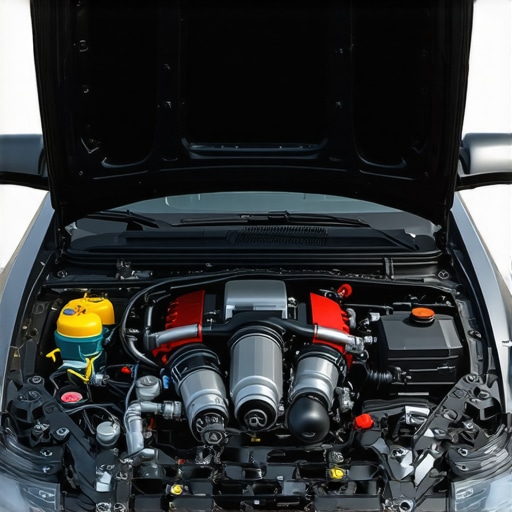
Start by locating your transmission fluid dipstick—usually near the back of the engine bay—and assess its condition. Pull it out, wipe it clean, reinsert it fully, then remove again to check the fluid level and color. If the fluid is dark, smells burnt, or is low, it’s a sign you need to top it up or replace it. Remember, regular fluid changes are crucial, as neglecting this can lead to harsh shifting and sudden lunging—an issue you can often prevent by following proper maintenance routines like those outlined in top oil change tips.Many car owners believe that all auto repairs and maintenance are straightforward, trusting flashy advertisements or generic advice without understanding the nuances that truly differentiate quality service. A common misconception is that ASE certification guarantees excellent workmanship across the board; in reality, it signifies a standardized level of knowledge but doesn’t necessarily reflect a technician’s current expertise or familiarity with your specific vehicle model. According to automotive industry experts, ongoing training and specialization matter more than badge recognition alone.
Another widespread myth is that frequent oil changes are unnecessary or that cheaper, synthetic oils are just as good as premium options. While regular oil changes are vital—especially using the right type of oil for high-mileage or turbocharged engines—the choice between synthetic and conventional oils depends on driving habits and engine specifics. Skipping preventative oil changes can lead to sludge buildup, increased wear, and unexpected breakdowns, a point emphasized in our detailed guide.
One critical nuance often overlooked is that transmission maintenance is not solely about fluid levels. Many vehicle owners underestimate the importance of recognizing early signs of transmission deterioration, such as subtle shifts or lingering roughness, which experts warn against ignoring. Relying solely on routine fluid checks can be misleading, as some issues require advanced diagnostics—like those performed by ASE-certified technicians—to uncover internal component wear or electronic control problems. A common trap is assuming that a transmission fluid flush will always fix shifting issues; however, if internal damage exists, this might temporarily alleviate symptoms but not address the root cause.
Make sure you’re learning to differentiate between regular maintenance and problem diagnosis, especially for complex systems like transmissions. For instance, inspecting the transmission fluid’s color and smell can provide clues, but it should be part of a comprehensive assessment from a qualified mechanic. I recommend consulting reputable sources and seeking expert advice to prevent costly mistakes, like in our transmission troubleshooting article.
It’s tempting to think that car service involves only superficial checks, but in reality, advanced diagnostics and attention to detail are what separate amateur fixes from professional repairs. Always question if your mechanic is just performing basic routines or truly investigating underlying issues. Remember, neglecting these nuances can lead to accelerated wear, unexpected breakdowns, or even safety hazards. For any uncertainties on choosing the right service, visit our comprehensive guide.
Have you ever fallen into this trap? Let me know in the comments.
Investing in Quality Tools for Long-Term Reliability
Having the right tools is crucial for effective vehicle maintenance, especially when dealing with transmission or oil systems. I personally rely on a high-grade digital multimeter, such as the Fluke 115, because it provides quick, accurate readings of electrical components, essential for diagnosing sensor issues like those that can cause erratic shifting. Additionally, a dedicated transmission fluid exchange machine, like the BG Quick Clean, allows me to perform thorough fluid changes without the mess and with confidence that internal components are receiving proper lubrication. Using specialized equipment ensures that maintenance routines are precise and that potential problems are caught early, ultimately saving time and money.
The Role of Diagnostic Software in Modern Car Maintenance
Modern vehicles are equipped with numerous sensors and electronic control units. I recommend investing in a reliable OBD-II scanner such as the Autel MaxiCOM MK808 for comprehensive diagnostics. This tool enables me to identify trouble codes related to transmission, engine, and emissions before they turn into costly repairs. Coupled with professional diagnostic software like AutoEnginuity, it provides deep insights into system performance, helping to determine whether a simple oil change or more intensive repairs are needed. As automotive technology evolves, integrating software tools into your maintenance routine is becoming indispensable, and I predict that this trend will continue to grow, making DIY diagnostics more accessible.
How do I maintain vehicle systems over time?
Consistent maintenance is key, and scheduling routine checks is easier than ever with digital reminders set through apps like Carcierge or my own custom calendar. Regularly inspecting fluid levels, listening for unusual noises, and using diagnostic tools periodically can help prevent breakdowns. For example, I check my transmission fluid color and smell every few thousand miles using a simple testing method that doesn’t require a dipstick. This proactive approach aligns with recommendations from ASE-certified technicians, highlighting the importance of ongoing vigilance. Embracing these tools and habits ensures your vehicle remains dependable over the years and even as you scale your maintenance efforts for multiple vehicles or fleet operations.
Scaling Your Car Maintenance Efforts
If you manage a fleet or multiple vehicles, investing in centralized maintenance tracking software and professional ASE-certified technicians is vital. Regular training on the latest diagnostic techniques helps keep everyone sharp, ensuring longevity and safety. Additionally, obtaining certifications, such as those discussed in this guide, confirms that your team is up-to-date with current standards. Whether you’re a hobbyist or managing a fleet, embracing advanced tools like transmission analyzers and cloud-based maintenance software will prepare you for the future. Start by trialing a diagnostic scan using your current OBD-II device, and viewing detailed reports—this small step can significantly improve your maintenance routine and vehicle uptime.
What I Wish I Knew About Transmission Health Before It’s Too Late
One of the most valuable lessons I learned in my journey as a car enthusiast is that early signs often whisper before they scream. Recognizing subtle shifts or minor jolts can mean the difference between a quick fix and a costly overhaul. Trust me, neglecting these hints can lead to a loss of control and wallet. It’s about cultivating an intuitive eye—thinking beyond just fluid levels and embracing diagnostics that reveal internal wear. My lightbulb moment was understanding that a healthy transmission is built on proactive care, not reactive repairs.
Tools and Techniques That Became My Secret Weapons
Over time, I discovered that relying solely on basic checks isn’t enough. Investing in a quality OBD-II scanner and diagnostic software transformed my approach. The Autel MaxiCOM MK808, for example, opened my eyes to hidden codes and system performance trends that I would have otherwise missed. Pairing that with a transmission fluid exchange machine like the BG Quick Clean ensures my vehicle gets the thorough attention it deserves. These tools aren’t just gadgets—they’re game-changers that can prevent major breakdowns and save money. Combining proper diagnostics with routine maintenance creates a synergy that keeps your transmission silky smooth for miles.
Fuel for Thought: Deepening Your Car Care Wisdom
Beyond the technical, I realized that mastering vehicle care is also an emotional journey. It’s about trust—trusting experts, your intuition, and the value of ongoing learning. Choosing a certified mechanic, understanding the nuances of oil types, and staying curious about your car’s behaviors elevate your role from casual driver to confident owner. Remember, every minor delay or shortcut taken adds up. I encourage you to seek knowledge continuously, question assumptions (like that quick oil change myth), and embrace the responsibility that comes with car ownership. Your vehicle isn’t just a machine; it’s part of your life—treat it with intentional care.
Where Your Next Step Can Lead
If these insights resonate, consider reviewing your maintenance habits today. Maybe it’s time for a diagnostic scan or a fluid exchange check. Reach out to qualified ASE-certified technicians to tailor a plan suited to your vehicle’s age and use—don’t settle for placeholder services or neglect signs of fatigue. Remember, investing in quality tools and expertise now can extend your vehicle’s life and ensure your safety on every trip. Whether you’re planning future upgrades or simply want peace of mind, beginning with informed decisions and proactive care is your best bet. Stay curious, stay vigilant, and let your journey towards superior car care begin now.