The secret to making your transmission last 300,000 miles
I remember the first time my transmission started slipping on a chilly winter morning. It was that gut-wrenching moment when your car jerks unexpectedly, and you realize how vulnerable your vehicle truly is. I was frustrated, worried, and honestly a bit naïve about what it takes to keep a transmission humming for the long haul. That lightbulb moment made me dig deeper, and what I found changed everything—not just for my car, but for my peace of mind.
Why Your Transmission Deserves More Attention Than You Think
Many car owners assume that once they’re out of warranty, transmission issues are a matter of time. But here’s the truth—your transmission can easily hit the 300,000-mile mark if you know what to do. The secret isn’t some rare part or a complicated fix; it’s consistent, informed maintenance and a little know-how. Delaying transmission care can lead to costly repairs, and trust me, I’ve learned this the hard way. According to a study by the Car Care Council, neglecting transmission fluid changes can reduce its lifespan by up to 60%. That’s a lot of miles lost to oversight.
If you’re wondering whether your current maintenance routine is enough—or if you’re unknowingly doing more harm than good—I’ve been there too. But here’s the good news: with simple habits and a few expert tips, you can extend your transmission’s life well beyond typical expectations.
Is Routine Maintenance Overhyped or Actually Essential?
Let me be honest—a mistake I made early on was trusting that the transmission would just run forever, so I skipped the regular fluid changes. That was a costly misconception. Now, I know better, and I want to share what works so that you won’t have to learn the hard way. Regularly checking and replacing transmission fluid, for instance, can prevent overheating and component wear. Curious about what signs to watch for or how to perform these simple checks yourself? Stick with me, because next, we’ll dive into actionable steps that could keep your transmission running smoothly for hundreds of thousands of miles.
If you’ve faced a similar scare or want to keep your vehicle on the road longer, let’s make sure you’re armed with the right knowledge. Reliable transmission maintenance isn’t rocket science—it’s consistent, informed care. Ready to find out how? Let’s go!
,
Check and Replace Transmission Fluid Regularly
Start by locating your vehicle’s transmission dipstick—most accessible in front-wheel-drive cars, while others may require lifting the vehicle. Pull out the dipstick, wipe it clean with a rag, reinsert it fully, then remove again to check the fluid level and condition. The fluid should be crimson red and smell slightly sweet; if it appears dark, murky, or smells burnt, it’s time for a change. I once ignored this step on my old sedan, assuming the fluid was fine, only to face costly repairs months later. That experience taught me the critical importance of routine checks. When replacing, use a high-quality transmission fluid that meets your car manufacturer’s specs—this prevents overheating and reduces wear. For precise procedures, consult your owner’s manual or visit this guide on oil changes.
Perform a Transmission Flush with Caution
A flush involves removing old fluid and replacing it entirely, which can be more effective than a simple drain. This process helps clear out debris and prevents sludge buildup that impairs shifting. During my first flush, I watched a professional mechanic perform the task; it was messy, but the smooth shifts afterward confirmed the benefit. Always choose a reputable shop equipped with the right tools—like a transmission cooler flush machine. Improper flushing can dislodge debris that damages delicate components, so if you’re unsure, consider booking an appointment with a certified tech through trusted service centers.
Tackle Leaks Before They Grow
Leaking transmission fluid is a silent enemy that accelerates wear. Regularly inspect under your vehicle for puddles or stains, especially after long drives. A small drip might seem insignificant, but over time, it can lead to low fluid levels and overheating. I caught a slow leak early by noticing a reddish stain on my driveway, which prompted an immediate visit to the mechanic. Addressing leaks early with proper gasket and seal replacements saves money and prevents breakdowns. If you’re unsure about issues like slipping or delayed shifts, resources like this article on skipped services emphasize the importance of timely repairs.Many car owners believe that regular oil changes are the sole key to transmission health, but in reality, the nuances run much deeper. A frequent misconception is that all transmission fluids are interchangeable; however, using the wrong type can accelerate wear and lead to costly repairs. It’s a trap to assume that a quick flush or fluid top-up suffices, when in fact, understanding the specific needs of your vehicle’s transmission—especially in modern, complex systems—is essential. One overlooked aspect is the importance of verifying whether your mechanic is truly ASE certified, particularly in advanced diagnostics like L1 certification, which signals expertise in complex electrical and transmission issues. Relying solely on non-certified shops may result in misdiagnosis or incomplete repairs, leading to persistent problems. Make sure you explore this article on what ASE certification really signifies to avoid deceptive practices.
A common myth is that transmission fluid never degrades if the car seems to shift smoothly. But internal components suffer from micro-abrasions and sludge buildup, which are invisible but damaging. That’s why regular inspections and understanding the subtle signs of deterioration can save thousands. Be cautious of shops that promote unnecessary transmission “flushing” without understanding whether the older fluid is genuinely degrading. An improper flush can dislodge debris that damages delicate valves and solenoids—an advanced mistake many amateurs make. When in doubt, consulting expert resources, like transmission troubleshooting tips, helps you identify genuine issues versus money-making schemes.
Another hidden nuance involves the type of oil used in your vehicle. Many overlook that synthetic oils typically outperform conventional options, especially in high-performance or turbocharged engines. This subtle choice impacts not just engine longevity but also the transmission’s cooling effectiveness. As highlighted in this guide on oil change best practices, selecting the correct, manufacturer-recommended oil is crucial for overall vehicle health.
Finally, a mistake I see often is ignoring the signs of early transmission failure, such as delayed engagement or slipping gears, which are often dismissed as minor glitches. Recognizing these symptoms upfront and acting fast can prevent complete transmission overhaul. Advanced vehicle owners should consider diagnostics beyond the basics—perhaps even requesting data logging or live sensor readings from a qualified expert. For more on making sure your diagnostics are thorough, visit fleet maintenance tips.
Have you ever fallen into this trap or overlooked a subtle warning? Let me know in the comments.
Top Tools for Transmission Maintenance You Can Trust
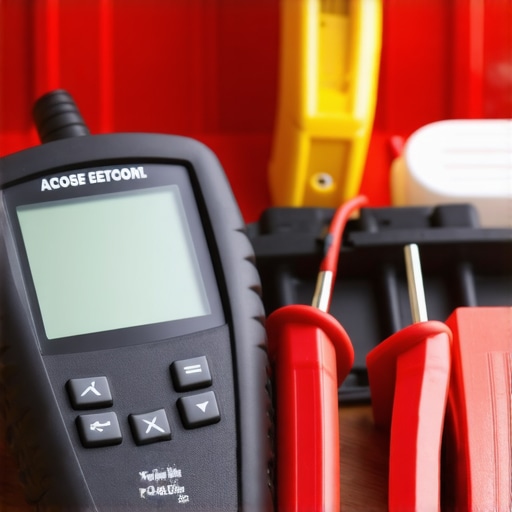
Performing routine transmission checks and maintenance requires reliable equipment. I swear by a high-quality scan tool like the Autel MaxiSys MS908, which offers advanced diagnostics that go beyond basic code reading. It helps me identify lurking electrical issues or sensor failures before they escalate. Paired with a digital pressure gauge for fluid systems, I can accurately assess pressures and catch problems early. Investing in a radiation-safe mechanical repair magnifier allows me to examine seals and small components carefully during fluid replacements or inspections. These tools aren’t just gadgets—they’re vital for ensuring long-term transmission health.
Streamlining Maintenance with Software
Beyond physical tools, I depend heavily on specialized software like Mitchell 1 for comprehensive vehicle histories and maintenance schedules. Such programs help me track fluid change intervals based on manufacturer recommendations, ensuring I never miss critical updates. Additionally, apps like their oil lifecycle manager give timely alerts, which I find invaluable for scheduling oil and fluid services proactively. As vehicle electronics evolve, embracing these smart tools will become even more crucial in maintaining complex systems.
Establishing a Long-Term Maintenance Routine
Consistency is key. I set reminders for fluid changes—usually every 30,000 miles or as recommended—using a dedicated maintenance tracker app. Regularly inspecting for leaks and abnormal noises keeps problems from snowballing. I also make it a habit to verify ASE certification when choosing a service provider; certified technicians, especially those with L1 diagnostics, are more likely to catch nuanced issues early, saving me money and headaches.
Planning for Future Growth and Scaling
As my skills and tools improve, I plan to incorporate data logging devices that monitor transmission temperature, pressure, and shifting patterns in real time. This data-driven approach allows me to detect subtle tendencies toward failure and schedule preventive measures. Predictive maintenance isn’t just a fad; it’s where the industry is heading, especially with the advent of connected vehicle technology. By building this knowledge base and investing in scalable equipment, I can extend my vehicle’s lifespan even further. For insights into the future of such tech, check out this article.
How do I keep my transmission working over time?
The best approach involves a combination of regular physical inspections, proactive fluid management, and leveraging advanced diagnostic tools. Consistent oil and fluid testing, alongside software monitoring, helps me identify issues early and address them before they cause costly damage. I recommend trying a comprehensive fluid analysis with a certified ASE technician—this step can reveal micro-level wear and contamination that visual inspections might miss. Remember, investing in quality tools and staying informed can dramatically extend your transmission’s lifespan, ensuring smooth shifts mile after mile.