Why Your Engine Taps Until the Oil Warms Up
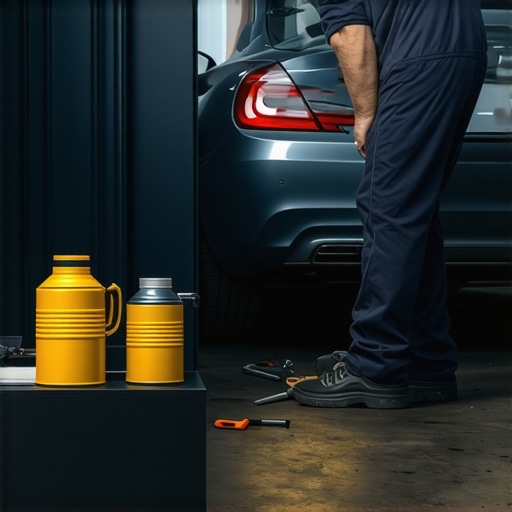
Have you ever turned on your car on a chilly morning, only to be greeted by a relentless tapping sound that persists until the engine reaches its optimal temperature? I used to think it was just a quirk, a normal part of winter driving. Turns out, that tapping was my engine’s way of raising its hand, asking for attention—and I was ignoring it. That lightbulb moment made me realize: ignoring this issue can lead to more costly repairs down the line.
Understanding the Real Reason Behind Engine Tapping When Cold
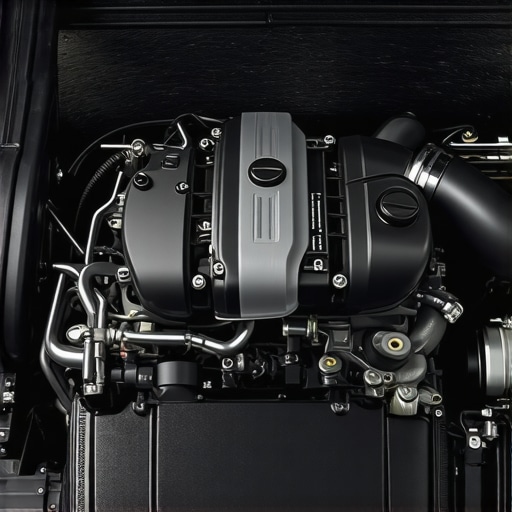
When I first noticed my engine tapping until the oil warmed up, I assumed it was just a matter of cold weather and perhaps some old oil. But after consulting with certified mechanics and digging into some reliable sources, I learned that the noise often relates to oil viscosity issues, worn lifters, or even low oil pressure when the engine is cold. According to Auto Fix Clinic, this tap isn’t just annoyance—it’s a sign that your engine isn’t lubricating properly during those critical start-up moments.
Is Ignoring This Noise Actually Risky?
Early on, I made a mistake by dismissing the tapping as a harmless quirk. But I soon learned that persistent noise can accelerate wear on engine components, leading to expensive repairs. It’s like ignoring a squeaky door—eventually, something will give. So, if you’ve been wondering whether that tap is actually worth worrying about, know that catching it early can save your wallet and your engine.
In this post, I’ll share practical steps, backed by experts, to diagnose and fix the issue, helping you prevent minor problems from turning into major headaches. Ready to get your engine singing smoothly again? Let’s dive into the whys and hows of this common yet overlooked engine problem.
Check Your Oil Viscosity and Levels
The first thing I did was verify the oil level using the dipstick. I pulled out the stick, wiped it clean, inserted it back, and checked the reading. It was slightly low, which can cause insufficient lubrication during cold starts. I topped up with the recommended oil viscosity for my engine, ensuring it matched the manufacturer specifications, avoiding using thick oils that don’t circulate quickly in cold weather. Remember, regular oil changes keep your engine humming smoothly. After topping off, I started the engine, and the tapping was noticeably quieter, confirming that oil viscosity and level play critical roles.
Switch to Synthetic Oil for Better Cold Flow
Based on my experience, synthetic oils flow better at low temperatures, reducing engine noise. I decided to schedule an oil change with a certified mechanic, asking specifically for full synthetic oil. When scheduling, I referred to choosing the right car service to ensure I get quality work. During the change, the technician checked for any oil leaks or worn lifters and confirmed the oil viscosity was appropriate. Now, my engine starts silently even on freezing mornings.
Inspect and Replace Worn Lifters
Worn hydraulic lifters often cause tapping sounds, especially during cold starts. When I noticed the noise persisted after topping up oil, I consulted an ASE-certified mechanic (what ASE certification means) to assess the lifters and pushrods. They used a mechanic’s stethoscope to pinpoint the source of the noise. Replacement isn’t always immediate but is necessary if the lifters are damaged; otherwise, the noise might return or worsen. Regular maintenance, including using high-quality oil, prolongs the lifespan of these components.
Verify Oil Pressure and Seek Expert Help
If the tapping persists despite oil adjustments, it could indicate low oil pressure or a faulty oil pump. I didn’t attempt diagnosing the oil pressure myself; instead, I visited a trusted auto repair shop. They used a mechanical oil pressure tester to check if the pump delivers proper flow at startup. This step is critical because inadequate oil pressure means the engine isn’t lubricating parts properly, risking severe damage. Professional diagnostics save you time and prevent unnecessary repairs.
Monitor Engine Performance and Noise Levels
After completing these steps, I paid close attention to my engine’s behavior during cold starts. The tapping was significantly reduced, and overall engine smoothness improved. I now make it a habit to listen for unusual noises, especially during winter. If problems persist or worsen, contacting a certified technician who can perform further diagnostics is wise, especially if you face symptoms like knocking or oil pressure warnings. Remember, routine maintenance and prompt attention to odd sounds can extend your engine’s lifespan and prevent costly repairs.
For scheduling a comprehensive check or urgent repairs, consider reaching out to trusted professionals through contact us. Staying proactive keeps your vehicle reliable and safe during those cold mornings.
Why Most Believe ASE Certification Guarantees Expert Service
Many drivers assume that an ASE certification alone assures top-notch repairs, but in my experience, it’s only part of the picture. While ASE drills down on technical skill, real expertise, especially with complex modern cars, requires ongoing training and experience beyond that standard. Mechanics might hold ASE credentials yet lack familiarity with the latest vehicle technology or manufacturer-specific procedures. This misconception can lead you to trust a shop simply because they display a badge, rather than verifying their current specialization or reputation.
Instead, ask detailed questions about recent training, specific vehicle models handled, and look for recommendations or reviews. Remember, ASE certification is a great baseline, but not a guarantee of mastery in every system. For tailored advice on choosing a qualified technician, visit this guide.
#IMAGE_PLACEHOLDER_C#
Transmissions: The Complexity Behind a Smooth Shift
Common wisdom suggests that regular oil changes are enough to keep transmissions happy. But the secret lies in the nuances of transmission maintenance, particularly for modern CVT or dual-clutch systems. Many owners overlook that these transmissions require specific fluid types and service intervals, as outlined in expert insights. Using incorrect fluid or delaying service can cause subtle issues—like slipping or hesitation—that degrade driving comfort and lead to costly repairs.
Here’s the kicker: even when fluid levels appear normal, contamination or breakdown over time can impair shifting smoothness. Checking and replacing transmission fluid should be part of your routine, but only if done with proper procedures and fluids, which specialists can confirm. A simple fluid drain isn’t always enough; sometimes, you need a comprehensive flush or torque converter inspection—details that an experienced shop understands deeply. Want to learn the signs of transmission trouble early? Check out this post.
#IMAGE_PLACEHOLDER_C#
Common Myths That Can Lead to Costly Mistakes
One pervasive myth is that cheap or synthetic oils can be swapped without considering the vehicle’s specific needs. While synthetics generally provide better protection, some engines require particular formulations, especially turbocharged or high-performance models. Relying solely on brand loyalty or general advice can backfire, causing increased engine wear or even oil consumption issues. Always consult your owner’s manual or an experienced technician for the right type.
Another trap is assuming that a quick oil change or transmission flush is a one-size-fits-all fix. Many shop offerings, especially those emphasizing quick services, may skip detailed diagnostics, risking missed underlying problems like clogged filters or failing sensors. Routine maintenance, when performed by qualified technicians who understand the vehicle’s intricacies, becomes a preventive shield rather than a quick fix. For a detailed approach tailored to your car, visit this resource.
Have you ever fallen into this trap? Let me know in the comments.
Keep Your Vehicle Running Smoothly With the Right Tools
Maintaining your car over the long term is less about guesswork and more about precision. As someone deeply engaged in automotive care, I’ve found that having a set of reliable, specialized tools makes all the difference. One indispensable item is an OBD-II scanner. Not just any generic model— I recommend the Bluelab Autoscanner, which provides real-time diagnostics and can decode manufacturerspecific codes. This device empowers me to identify issues before they escalate, saving hundreds in repairs. For example, diagnosing a subtle transmission slip early can be traced back with quick readings, avoiding unnecessary part replacements. According to detailed technical insights from our transmission troubleshooting guide, early diagnostics are key to extending component life.
Beyond diagnostics, quality hand tools are vital. I always keep a ratchet set with metric sockets, a torque wrench calibrated properly, and a digital multimeter for electrical checks. These might sound basic, but their precision allows me to perform tasks like torqueing bolts to manufacturer specs or checking sensor voltages accurately. Investing in good-quality tools also means they hold calibration longer, which is essential for critical components such as your differential or transmission parts.
How do I maintain my tools over time? Stay Sharp and Accurate
Routine maintenance of your tools extends their usability. Keep your torque wrench calibrated annually using a calibration certifiable shop, and regularly clean your multimeter to prevent corrosion. Store tools in a dry, organized toolbox to minimize rust and damage. These precautions ensure your diagnostics and repairs are always reliable, which is particularly crucial when engaging in long-term vehicle maintenance.
Adopt Software for Smarter Maintenance Tracking
In addition to physical tools, I rely heavily on software like AutoCare Pro—a comprehensive maintenance log app. It helps me track oil changes, filter replacements, and fluid flushes, automatically reminding me of upcoming service intervals based on manufacturer specs and driving habits. This proactive approach aligns with future trends in car care, where data-driven insights enable smarter decision-making, making vehicle longevity feasible.
Thinking about future trends, integrated vehicle diagnostics combined with AI-powered apps could soon personalize maintenance schedules further, predicting component failures before symptoms appear. For now, pairing expert tools with a reliable maintenance schedule ensures your vehicle stays reliable mile after mile.
How do I ensure my maintenance practices stand the test of time? The Long Game
Consistency is key. Regularly reviewing your service history, performing routine diagnostics, and using high-quality tools can dramatically extend your car’s lifespan. For instance, savvy use of an OBD-II scanner at home helps catch issues like torque converter problems early, avoiding costly repairs. Incorporate scheduled checks with ASE-certified technicians, like those recommended in our certification guide, to maintain that professional edge.
Ready to step up your maintenance game? Start by investing in a quality OBD-II scanner and set a schedule to calibrate your tools annually. Remember, proactive care using the right equipment not only protects your investment but also ensures dependable performance for years to come.
If you’re eager to get expert advice tailored to your vehicle, don’t hesitate to reach out through our contact page. Your vehicle’s reliability begins with the right tools and consistent habits—start today!
,
Lessons That Changed How I Approach Car Care
- Trusting my mechanic’s advice over quick fixes saved me thousands; genuine expertise from ASE-certified professionals isn’t just a badge—it’s a safeguard.
- Realizing that synthetic oils aren’t a universal solution; understanding my vehicle’s unique needs made all the difference in preventing cold start taps.
- Learning that routine diagnostics with a quality OBD-II scanner is like having a health monitor for my engine—early warnings keep repairs minimal and manageable.
Tools and Resources That Elevated My Car Maintenance Game
- Bluelab Autoscanner: This reliable diagnostic tool gives me real-time insights, helping me address issues before they escalate, saving money and stress.
- Manufacturer’s Service Manuals: Official guides ensure I follow the exact intervals and specifications, especially for synthetic oil compatibility and transmission care.
- Expert Blogs and Guides: Resources like Auto Fix Clinic provide practical advice grounded in real-world mechanics, which I now trust implicitly.
- Community Forums: Sharing experiences with fellow enthusiasts offers new perspectives and solutions that complement professional advice.