The Hidden Reason Your Engine Oil is Foaming Like a Latte
It was a typical Saturday morning, or so I thought. I was about to do my routine oil change when suddenly I noticed something strange—my engine oil looked frothy, just like a cappuccino. At first, I panicked. Could I have made a mistake? Was I damaging my engine? That lightbulb moment hit me hard: there’s a hidden reason why your engine oil might foam up, and understanding it saved my car’s life—and maybe yours too.
The Surprising Truth Behind Foamy Engine Oil
If you’ve ever checked your dipstick and seen a bubbly, latte-colored film, you’re not alone. Many car enthusiasts stumble upon this issue, often mistaking it for a simple problem like overfilling or dirty oil. But the real culprit is frequently related to either water contamination or a misfiring PCV (Positive Crankcase Ventilation) system. This foam doesn’t just look weird; it impairs proper lubrication, leading to increased wear and tear.
One thing I learned early on is how critical it is to use the right oil and maintain proper seal checks. A small mistake, like relying solely on a quick oil top-up without identifying water intrusion, can cause foam that eventually damages engine components. For instance, you might think regular oil changes are enough, but neglecting issues like coolant leaks or improper crankcase ventilation can falsely escalate the problem.
Research shows that contaminated or water-laden oil reduces lubrication efficiency by up to 50%, accelerating engine wear—as reported by the AutoFix Clinic. That’s a warning sign you shouldn’t ignore. So, how do you know if your oil is foaming due to water or other factors? And what steps are needed to fix the root cause? We’ll delve into that in the next sections, but first, let’s tackle the common fears and doubts you might have about tackling this issue yourself.
Drain and Inspect the Oil Correctly
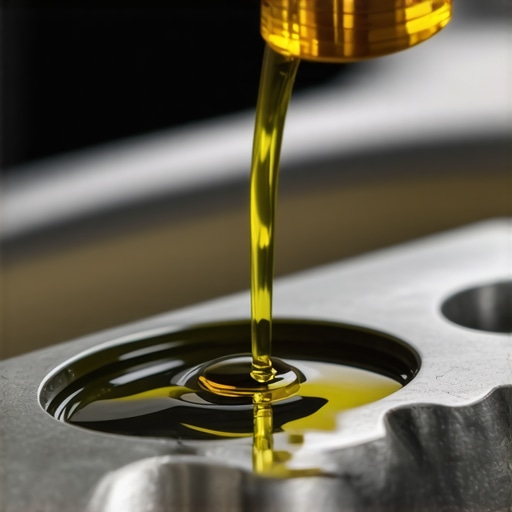
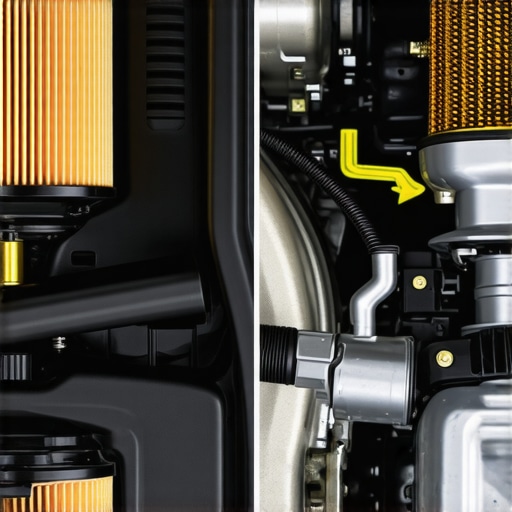
Start by safely lifting your vehicle on a flat surface using jack stands or a lift. Locate the drain plug underneath your engine, and place a drain pan beneath it. Carefully loosen the drain bolt with a wrench, letting the old oil, which might be foamy or contaminated, fully drain out. This was my initial move during a messy Saturday—oil splattering everywhere as I learned to handle a container of gross, bubbly oil. Once drained, check the oil filter for signs of water contamination or debris, replacing it if necessary. Use a high-quality, recommended oil (see our oil change guide) to ensure proper lubrication moving forward.
Identify Water Intrusion Sources
Water gets into engine oil through leaks or condensation; similar to a leak in a pipe causing water to mix with the lubricant. Turn your engine on briefly to circulate the new oil, then turn it off and check beneath the oil fill cap and dipstick for milky, frothy residues—these indicate water presence. During my troubleshooting, I found a small coolant leak near the valve cover gasket, which was allowing water to seep into the oil. Replace any worn seals or gaskets immediately to prevent recurring contamination. Additionally, review your engine’s ventilation system, like the PCV valve, to ensure it’s functioning properly to prevent misfiring or excess moisture buildup.
Address Water Contamination and Repair Damage
Once water ingress is confirmed, flush the engine with fresh oil and perform an oil change to remove residual moisture. If froth persists, consider using an engine flush product designed to clear out water and sludge—following instructions meticulously. After flushing, replace the oil filter with a certified one—like those recommended by ASE-certified experts—and refill with clean, high-grade oil. In my experience, catching the issue early prevents costly engine repairs. For critical components, consult with a professional mechanic to inspect for internal damage—bad bearings or piston rings may need replacement if water contamination was severe.
Prevent Future Foaming with Proper Maintenance
Regularly check for leaks, especially after a coolant system service or weather changes. Use a trusted maintenance schedule, like our routine oil changes, to keep the engine healthy. Also, be cautious with the type of oil you use; synthetic oils offer better resistance against moisture and temperature fluctuations. Remember, using high-quality oils and maintaining seal integrity significantly reduces water intrusion—saving you from unexpected foamy surprises during your next oil check. Incorporate these steps into your routine, and your engine will thank you for years to come.Even seasoned car owners often believe that an oil change is just about swapping out old lubricant. However, many overlook the nuanced details that distinguish a vehicle maintained well from one slowly deteriorating. Contrary to the myth that any certified mechanic guarantees perfect service, the concept of ASE (Automotive Service Excellence) certification is frequently misunderstood. Many assume that ASE-certified technicians are infallible, but in reality, their expertise covers broad areas, and not all certifications ensure the technician’s focus aligns with your specific needs. For instance, knowing whether your car requires a transmission flush or a simple drain can make a significant difference in longevity and performance, as explained in the transmission maintenance guide. One common trap is assuming that all car services adhere strictly to manufacturer recommendations. This is misleading because some shops use generic intervals that may not suit your vehicle’s unique usage patterns or climate conditions, which can accelerate wear or lead to unnecessary repairs. An often overlooked nuance is the importance of understanding the different types of oil—conventional, synthetic, and blends—and selecting the right one. Using inferior oil or neglecting oil quality standards, like those detailed in top oil change tips, can result in increased engine wear, even if the oil change appears correctly performed.
What advanced signs should prompt you to question your service provider?
While many rely on visual cues like oil color or engine noise, experts suggest paying attention to subtle symptoms such as irregular shifts, dashboard warning lights, or a gradual decrease in fuel efficiency. These signs often point to overlooked issues like transmission fluid degradation or neglected engine tune-ups. A comprehensive approach involves not only trusting certifications but also understanding the specific procedures performed during each service. For example, a simple oil change isn’t complete without inspecting the condition of filters, seals, and lubrication of other critical components. Skipping this depth can trap you into recurring issues, costing hundreds of dollars over time. According to a recent industry study, neglecting these nuanced aspects contributes significantly to unexpected breakdowns, which can be avoided by informed maintenance decisions. Want to optimize your vehicle’s lifespan? Always inquire about the specifics of your service and ensure your technician’s expertise matches your vehicle’s demands. Don’t fall into the trap of oversimplified maintenance—delve deeper and take control of your car’s health. Have you ever fallen into this trap? Let me know in the comments.
Stay Equipped for Reliable Car Care
Maintaining your vehicle’s health over the years requires more than just good intentions; it demands the right tools and a strategic approach. I personally rely on a few key pieces of equipment that have consistently proved their worth in diagnosing and preventing issues before they become costly repairs.
One indispensable tool I recommend is a high-quality OBD-II scanner, like the BLUEPARK OBD2 Scanner. It allows me to quickly read and clear error codes, especially useful for monitoring transmission trouble codes, which can be subtle yet damaging if ignored. According to transmission maintenance experts, early diagnostics with an effective scanner can prolong your gearbox’s lifespan significantly.
Another critical piece of equipment is an infrared thermometer. I use it to check coolant temperatures and assess engine component overheating, which can warn me of leaks or cooling system failures. Being proactive about these signs helps keep the engine running smoothly and avoids expensive repairs down the line.
Alongside hardware, I incorporate diagnostic software like AutoEnginuity, which interfaces with the vehicle’s ECU. This software provides deeper insights into engine tuning, sensor readings, and live data streams. It’s particularly valuable when troubleshooting intermittent transmission shifts or engine hesitation, as discussed in transmission diagnostics guide.
Predicting Future Trends in Car Maintenance Tools
The future points toward smarter, connected diagnostics—think cloud-based data logging and AI-powered predictive maintenance systems. These advancements will enable vehicle owners to receive real-time health updates via smartphone apps, dramatically reducing unexpected failures.
How do I maintain my tools for long-term reliability?
My approach involves regular calibration of diagnostic equipment and proper storage to prevent damage from dust or moisture. Keeping firmware updated ensures I have access to the latest vehicle protocols, which is crucial as car electronics become increasingly sophisticated.
For instance, regularly updating your scan tool’s firmware, as recommended by ASE-certified experts, guarantees compatibility with newer models and systems. This small step can make a big difference in catching issues early, saving money, and maximizing your vehicle’s lifespan.
If you haven’t already, I suggest trying out that infrared thermometer on your next oil change or coolant check. It’s a simple investment that often reveals hidden problems before you notice any symptoms on the road. Remember, being equipped with the right tools is half the battle won in proactive car maintenance, and staying ahead can prevent preventative issues from turning into emergencies.
The Hardest Lesson I Learned About Oil Change and Car Service
Early in my journey as a car enthusiast, I believed that sticking to a basic oil change schedule was enough. But a close call with engine wear taught me that understanding the nuanced differences between certified technicians and DIY procedures can make all the difference. Now, I prioritize deeper knowledge, especially about the significance of using the right oil and trusting ASE-certified experts for complex repairs.
What Experts Won’t Tell You About Transmission Maintenance and Car Service
I discovered that not all transmission issues are obvious at first glance. Hidden signs like subtle shifts or dashboard warning lights often reveal problems that general mechanics might overlook. Delving into specialized resources, like transmission diagnostics, has helped me avoid costly repairs and extend my vehicle’s lifespan.
The One Myth About ASE Certification That Could Hold You Back
I used to assume that ASE certification was a guarantee of perfect service. However, I learned that certifications indicate broad expertise but don’t replace asking detailed questions or ensuring the technician’s familiarity with your specific vehicle model. This insight prompted me to become more proactive in my car maintenance conversations, ensuring equipment like ASE-certified professionals truly meet my needs.
My Secret Weapon for Reliable Car Care
Investing in tools like a quality OBD-II scanner, infrared thermometer, and diagnostic software has transformed how I approach maintenance. These devices help me identify issues early, especially for complex systems like transmission and engine electronics. Regular use and calibration of my tools, guided by experts, keep me prepared for surprises on the road, aligning with insights from preventive maintenance tips.
Your Next Step in Engine Excellence
Diving deeper into the details of car service, from choosing the right oil to understanding the nuances of certified technicians, empowers you to make smarter decisions. Remember, proactive care is the best investment you can make in your vehicle’s longevity. So, take charge, keep learning, and enjoy the smoother rides ahead.
Have you ever questioned the expertise of your mechanic or felt unsure about your maintenance routine? Let me know below—I’d love to hear your experiences and tips for staying ahead in your car care journey.