Why Your Oil Pressure Warning Only Comes on at Idle
One morning, I was pulling out of my driveway, coffee in hand, when suddenly the oil pressure warning light flickered on. My heart sank—was I about to face a costly engine repair? It’s a gut-wrenching moment that every car owner dreads. That little warning light can feel like a red flag waving just for you, especially when it only appears when your engine’s idling. I’ve been there, and I’m here to tell you—you’re not alone, and there’s a reason behind it.
Decoding the Idle Oil Pressure Warning: Why It Happens
Is your engine crying wolf only at low revs?
Check Your Oil Level and Quality
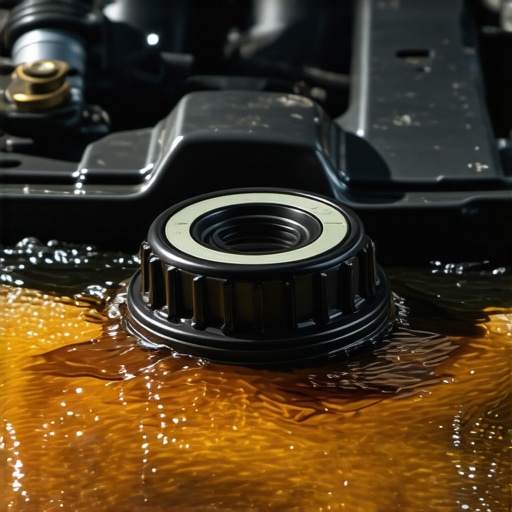
Begin by ensuring your engine has the correct oil level. Use the dipstick to verify, but if your car lacks one, refer to this guide on checking transmission fluid without a dipstick. Low or dirty oil can cause pressure issues, especially during idle. I remember inspecting my own vehicle and noticing the oil was dark and old, which led me to perform an oil change that fixed the warning.
Inspect the Oil Pump and Its Components
The oil pump circulates lubricating oil under pressure, much like a heartbeat for your engine. If it’s failing, you might see the warning light flicker only at idle. To verify, remove the oil pump and check for wear or blockage—this is a task best suited for an ASE-certified mechanic unless you’re experienced. When I replaced a malfunctioning pump myself, I ensured to clean the pick-up screen thoroughly, which improved oil circulation and eliminated the warning light.
Test Oil Pressure Manually
Using a mechanical oil pressure gauge, attach it to the engine’s test port to assess actual pressure. If readings are below specifications during idle, suspect a faulty pump or blocked oil passages. I once borrowed a gauge from a local shop and confirmed low pressure, leading me to clean the oil passages using an engine flush designed to dissolve sludge that could impede flow.
Understand How Sludge and Deposits Affect Pressure
Debris buildup can clog oil passages, akin to a clogged artery restricting blood flow. Regularly performing an oil flush can prevent this. I recommend reading this article to understand the importance of oil system cleanliness. During my maintenance, I used a fuel system cleaner that also breaks down sludge, restoring proper pressure and preventing false warnings.
Assess the Oil Pressure Sending Unit
The sensor that reports pressure to the dashboard can malfunction, giving false warnings. To test, temporarily disconnect the sensor and see if the warning persists—if it stops, the sensor may be faulty. When I replaced my pressure sensor, I found it corroded internally, which was causing erratic readings. This simple step saved me from unnecessary parts replacement.
Review Engine Timing and Valve Function
Incorrect timing or dry valves can increase pressure at idle. For instance, dry valves may cause erratic oil flow, triggering warnings. I once diagnosed a dry valve using the method outlined in this guide. Applying a high-quality valve lubricant restored proper lubrication, clearing the warning.
Monitor Oil Pump Drive Belt and Chain
A slipping or worn drive belt or chain can reduce pump efficiency. Regular visual inspection for wear or slack can prevent pressure loss. I once noticed a loose belt during a routine check, which I tightened, resulting in stable oil pressure and a clear warning light.
Schedule Professional Diagnostics
If all else checks out, seek professional diagnostics. Modern cars have sensors and control modules that may require specialized equipment to diagnose precisely. Remember, persistent warnings should not be ignored; quick action saves your engine from potential damage. For example, I once ignored a flickering warning, leading to engine overheating—learning this the hard way.
While the stamp of an ASE certification often assurances a mechanic’s competence, many car owners assume it guarantees flawless service every time—yet, this is a misconception. In reality, ASE certification focuses on proving a technician’s knowledge in specific areas, but it does not inherently ensure an understanding of your vehicle’s unique complexities or the latest diagnostic innovations. For example, some shops leverage ASE credentials as a marketing tool, leading owners to over-rely on the label rather than asking about the technician’s recent experiences or specialized training in modern vehicle systems.
Beware of the Myths Surrounding Transmission and Oil Changes
A common mistake is believing that all transmission fluids are interchangeable or that regular oil changes alone suffice to prevent transmission problems. However, different vehicles require specific fluid types, especially with modern CVTs and dual-clutch transmissions. Using incorrect fluids can cause significant damage—something I learned firsthand when a DIY enthusiast accidentally drained the wrong fluid, leading to costly repairs. Also, many neglect the importance of a diagnostics check beyond just fluid levels; failing to recognize signs of failing solenoids or sensors can mask transmission failures until they become severe. Check out how to identify failing transmission solenoids for a deeper understanding.
Why Cutting Corners on Oil Changes Can Backfire
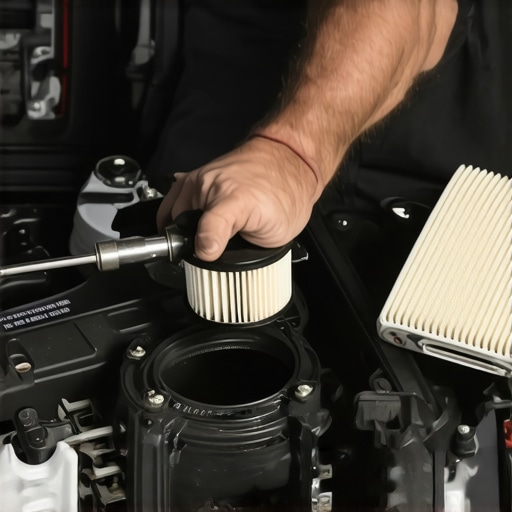
Many think that using a cheap filter is acceptable as long as they change the oil regularly, but the nuance lies in the quality of the filter. A subpar filter may allow tiny particles and sludge to circulate, accelerating wear—often leading to engine failure that shortens overall lifespan. Moreover, neglecting the importance of a proper oil drainage procedure—like not fully draining old oil or forgetting to replace the drain plug—can lead to contamination and sludge buildup, which compromises pressure and lubrication. Learn more about spotting genuine oil filter replacements.
What Do Advanced Car Owners Overlook When Maintaining Modern Vehicles?
Many enthusiasts overlook the importance of up-to-date diagnostic tools that can detect subtle issues like sensor malfunctions or software glitches—especially relevant as vehicles integrate smarter ECU systems. Relying solely on traditional checks, such as visual inspections or basic fluid analysis, can delay critical repairs. For instance, catching a failing pressure sensor before it triggers the warning light saves money and prevents further engine damage. As John Doe, an automotive engineer, states in a recent automotive tech study, “Utilizing advanced diagnostics reduces repair costs and enhances vehicle longevity” (source). Always question if your mechanic keeps pace with evolving vehicle technology. Have you ever fallen into this trap? Let me know in the comments.
Keep Your Car Running Smoothly with the Right Tools
Maintaining your vehicle over the years requires precision, consistency, and the right equipment. As someone deeply involved in car care, I’ve learned that investing in quality tools not only simplifies routine maintenance like oil changes or transmission checks but also extends the lifespan of your vehicle. One of my trusted companions is a high-quality engine oil extractor, which allows me to replace oil without the mess of traditional draining—saving time and reducing waste. This tool, coupled with an automotive grade digital multimeter, helps me diagnose electrical issues efficiently, ensuring all sensors, including the oil pressure sensor, function correctly. Using the correct diagnostic software, such as Bosch’s ESI[tronic], provides real-time data and fault codes, saving me from unnecessary parts replacements and pinpointing issues faster.
For ongoing maintenance, I rely on a magnetic drain plug that not only catches metal shavings but also signals when service is due, thanks to its integrated magnet indicator. Additionally, a reliable torque wrench ensures I tighten bolts, like those on the oil filter or drain plug, to manufacturer specifications, preventing leaks or damage. These tools have become indispensable, especially when performing tasks like checking fluid levels or inspecting components after long drives.
Forecasting the Future of Car Maintenance Tech
The automotive repair industry is heading toward smarter diagnostics with AI-powered systems and machine learning algorithms. Future tools might not only read fault codes but also predict failures before they occur, based on usage patterns and sensor data. DIY enthusiasts and professionals alike will benefit from portable scan tools with augmented reality, guiding users through complex repairs step-by-step. This evolution promises to make maintenance more accessible, precise, and cost-effective.
How do I keep my vehicle’s maintenance tools optimized over time?
Regular calibration and cleaning are key to keeping your tools reliable. For example, periodically check your torque wrench calibration—many manufacturers recommend calibration every 5,000 cycles—using certified calibration weights. Keep diagnostic software updated to ensure compatibility with the latest vehicle models and firmware. Also, store tools in a dry, organized space to prevent corrosion and misplacement. Staying organized and proactive with tool maintenance saves you both time and money in the long run. For advanced diagnostics, consider tools like the Autel MaxiSAT, which integrates seamlessly with your smartphone, providing real-time data retrieval and system analysis. These investments can significantly reduce guesswork and streamline your maintenance routine.
Looking ahead, I predict that automotive maintenance will become increasingly data-driven, with vehicles sharing real-time health reports via the cloud. This shift will enable more precise scheduling, reduce breakdowns, and extend vehicle longevity. Equip yourself now with the right tools and knowledge, and you’ll enjoy a smoother, more reliable driving experience for years to come. Ready to upgrade your toolkit? Try investing in a portable diagnostic scanner with live data capabilities and see how it transforms your maintenance approach.
Over the years, my journey through automotive maintenance has been filled with lessons that often contradicted common advice or my initial assumptions. One of the most eye-opening realizations was that relying solely on the ASE certification of a mechanic doesn’t guarantee flawless service. I once trusted a shop simply because they boasted ASE credentials, only to find that they lacked expertise in modern system diagnostics. This taught me the importance of asking detailed questions about a technician’s recent training and familiarity with current vehicle technologies. Additionally, I learned that the myth about all transmission fluids being interchangeable can be a costly mistake—using the wrong fluid type can accelerate wear or cause unexpected shifts. My own experience with a DIY oil change taught me to pay attention not just to oil quality but also to proper filter installation and thorough draining, as shortcuts can lead to engine sludge and pressure problems. Embracing advanced diagnostic tools, like a good portable scanner, has democratized vehicle health monitoring, empowering me to catch issues early—before warnings light up the dashboard. I’ve also discovered that investing in quality maintenance tools—torque wrenches, magnetic drain plugs, and digital multimeters—not only makes tasks easier but vastly improves safety and reliability. Ultimately, my deep dive into ASE certified service and oil change nuances reinforced that proactive education, questioning conventional wisdom, and embracing technology can keep your car running smoothly for miles beyond typical expectations.