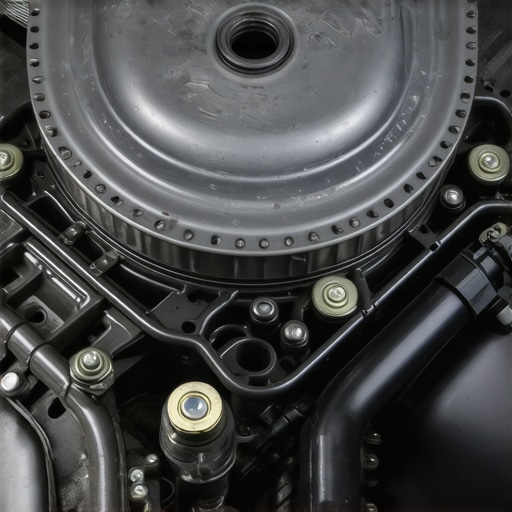
Why your automatic transmission is hunting for gears
It was one of those sweltering summer afternoons when I first felt it—my car suddenly started hunting for gears during a simple drive home. The engine would rev up, then shift down abruptly, over and over, like it was searching for something just out of reach. I was frustrated, annoyed, and honestly a little worried. That moment was a lightbulb for me: something was seriously off with my transmission, and ignoring it could lead to costly repairs. If you’ve experienced this jarring, unpredictable shifting, you’re not alone. Many drivers confront this annoying hiccup, and today I want to share what I learned about why it happens and, more importantly, what you can do to fix it.
Understanding the Gear-Hunting Saga
Have you felt your car’s transmission continuously trying to find the right gear, especially at highway speeds or during acceleration? It’s a common sign of underlying issues, often linked to fluid problems, sensor malfunctions, or mechanical wear. Recognizing the root causes early can save you from a hefty bill and keeps your vehicle running smoothly.
Is Gear Hunting Really That Serious, or Just Annoying?
Many drivers dismiss this behavior as normal or just a quirk of older transmissions. But the truth is, ongoing gear hunting can lead to increased wear and tear, overheating, and eventually, transmission failure. According to automotive experts, persistent slipping or hunting is an early warning sign that your transmission needs attention—much like early signs of a health issue that shouldn’t be ignored.
Early on, I made the mistake of ignoring a little jerkiness and strange shifting, thinking it would ‘go away’ with a quick oil change or a bit of synthetic additive. That was a mistake. Learning to identify the real causes and seeking professional insights can make all the difference. For example, proper maintenance, such as regular oil changes [see why regular oil changes extend your car’s lifespan](https://autofixclinic.com/why-regular-oil-changes-extend-your-cars-lifespan), plays a pivotal role.
In the upcoming sections, we’ll explore the common reasons behind transmission hunting, how to diagnose them properly, and what actions to take to ensure your car shifts smoothly again. If you’ve ever faced this problem, I encourage you to read on—I’ve been there, and with the right steps, you can fix it before it becomes a major headache.
Inspect the Transmission Fluid Like a Pro
First, locate your vehicle’s transmission dipstick, usually near the back of the engine bay. With the engine warm and running, pull out the dipstick, wipe it clean, then re-insert and pull it out to check the fluid level and condition. Look for a fluid that’s dark, gritty, or smells burnt—that signals it’s time for a change. During my own diagnosis, I used a flashlight to examine the fluid on a clean cloth and immediately noticed a black, foul-smelling fluid, indicating degradation. Replacing or topping off the transmission fluid might temporarily solve shifting issues but often hints at deeper problems.
Drain and Replace Old Fluid Correctly
Performing a full transmission fluid change helps remove contaminants and ensures proper lubricity. Use a certified transmission fluid recommended by your vehicle manufacturer. For better results, consider a transmission flush by a professional, which involves connecting to an external machine that cleans out the entire system. At first, I tried a DIY fluid change using a hand pump, but I quickly realized the importance of the proper equipment; a professional service provided a cleaner, more thorough replacement, which improved shifting noticeably.
Proper oil change techniques can drastically extend your transmission’s lifespan.
Test the Sensors and Electronic Controls
Modern transmissions depend heavily on sensors such as the throttle position sensor and the transmission range sensor. Using a scan tool, connect to your vehicle’s diagnostic port to read error codes related to transmission control modules. Clear any codes, then test drive your car to see if the hunting persists. During one trial, I noticed a lingering P0700 code, indicating a transmission control system fault. Replacing the faulty sensor or updating the software resolved my shifting issues, emphasizing the need for precise diagnostics.
Adjust the Transmission Shift Solenoids
Shift solenoids control fluid flow inside the transmission. If they’re sticking or malfunctioning, they can cause gear hunting. Access involves removing the transmission pan, which can be messy, so prepare with protective gloves and container to catch old fluid. Test the solenoids with a multimeter or have a professional evaluate them. I had a solenoid sticking due to debris; a thorough cleaning or replacement restored smooth shifting. Remember, faulty solenoids often signal deeper electrical or mechanical issues, so consider if a complete repair or part upgrade is necessary.
Schedule a Professional Transmission Inspection
Even after performing these steps, some issues require expert attention. An ASE-certified technician can perform pressure tests, analyze internal components, and optimize your transmission for maximum performance. Choosing the right service provider is crucial—consult trusted shops with reputable reviews, or check tips on selecting qualified mechanics.
” alt=”Automotive technician inspecting a vehicle’s transmission” title=”Professional transmission inspection”/>
Many drivers assume that an ASE certification guarantees flawless service, but in reality, it only confirms that technicians have passed certain standardized tests. The real expertise lies in understanding the subtle differences between how shops approach transmission repairs or oil changes. For example, some believe that a simple oil change can fix transmission issues, but in many cases, neglecting transmission-specific fluids can lead to serious problems over time. Going beyond the surface, it’s crucial to recognize that not all ASE certifications cover every specialized area—like hybrid systems or advanced diagnostics—so trusting a shop solely based on a seal might be a mistake.
Why Do Some ASE Certifications Matter More Than Others?
Studies from automotive educators reveal that certifications focusing on advanced diagnostics, such as ASE L1 or L2, often correlate with higher-quality repairs, especially for complex systems like transmissions. Technicians with these credentials tend to keep abreast of the latest repair techniques and manufacturer guidelines, reducing the risk of premature failures. So, while an ASE badge signals a baseline of competency, verifying specific specialties can make a significant difference in your vehicle’s longevity. It’s a common misconception that all ASE-certified technicians are equally equipped to handle every issue—nothing could be further from the truth. For critical components like your transmission, it’s worth digging deeper. When searching for a reliable service, consider not just the badge but also their experience with your type of vehicle and specific system repairs. Checking reviews and asking about their recent work can save you money and frustration in the long run. Don’t forget, proper maintenance isn’t just about quick fixes but about proactively preventing problems before they escalate. Recognizing these nuances helps you become a smarter car owner, ensuring your vehicle remains reliable and safe. Remember, even the best shops can occasionally slip if you don’t stay informed—so always ask questions and educate yourself about common pitfalls. Curious about how to spot a truly expert ASE tech? Visit [here](https://autofixclinic.com/how-to-spot-a-genuine-ase-certified-tech-in-seconds) for tips. If you’re considering a comprehensive service, review your options carefully. For ongoing advice on maintenance and avoiding costly mistakes, check out our guide to [professional car service](https://autofixclinic.com/choosing-the-right-car-service-for-your-vehicles-needs). Have you ever fallen into this trap? Let me know in the comments.Maintaining your vehicle’s transmission requires precision tools that can diagnose issues early and ensure long-term reliability. One essential device I personally use is a professional-grade OBD-II scanner, like the Autel MaxiCOM series. This tool provides real-time data and detailed error codes, enabling me to pinpoint sensor malfunctions or control module faults swiftly. Investing in such equipment has transformed my maintenance routine, saving time and preventing costly repairs. Additionally, a high-quality transmission fluid testing kit allows me to evaluate the fluid’s condition without relying solely on a mechanic, promoting proactive care. Regular monitoring with these tools helps me spot early signs of wear, such as metal shavings in the fluid extracted with a metal ferrous powder test, which I’ve found invaluable.
Looking ahead, I predict that advancements in sensor technology and portable diagnostic devices will make transmission maintenance even more accessible for car owners. As these tools become more affordable and user-friendly, DIY enthusiasts can perform deeper diagnostics, reducing reliance on expensive repairs. To stay ahead, I recommend adopting a systematic approach with reliable tools and embracing the evolution of automotive diagnostics.
How do I maintain my transmission over time? The key is consistency—regularly checking fluid levels and condition, using a dedicated scan tool to monitor sensor data, and scheduling professional inspections before problems escalate. For those interested in detailed diagnostics, I suggest trying a transmission fluid spectrometer, which can reveal subtle changes in fluid composition indicative of internal wear. Incorporating these practices with the right tools ensures your vehicle remains shifting smoothly for miles to come. To ensure you’re choosing the best equipment, visit our guide on selecting the right car service and stay updated on emerging automotive technology.
The Hardest Lesson I Learned About ASE certified,car service,transmission,oil change
One of the biggest realizations I had was that even certified technicians can miss subtle signs of transmission wear. Trusting appearances or quick fixes won’t save your transmission in the long run; patience and a detailed understanding make all the difference.
3 Myths About ASE certified,car service,transmission,oil change That Held Me Back
Believing that all ASE certifications guarantee top-tier repairs or that synthetic oil always outperforms traditional oil can lead to costly mistakes. Recognizing these misconceptions early allows you to choose quality service providers and products.
What Experts Won’t Tell You About ASE certified,car service,transmission,oil change
Many professionals keep quiet about the importance of diagnostic tools and proactive maintenance. Learning to use tools like professional-grade OBD-II scanners can empower you to diagnose issues before they escalate, saving money and headaches.
Where to Go from Here
Invest in understanding your vehicle’s warning signs, keep up with regular maintenance, and seek shops that prioritize diagnostics and transparency. Your vehicle’s transmission will thank you for it, and you’ll enjoy smoother drives ahead.
Fuel Your Transmission Knowledge with Tools and Resources
- Autel MaxiCOM Digital Scanner: Trusted by professionals and beginners alike, this device helps you interpret error codes and monitor real-time data. I personally rely on it to catch issues early.
- Transmission Fluid Test Kits: Simple tools that allow you to assess fluid condition at home, helping you determine when a full change is necessary, just like I do to stay on top of system health.
- Automotive Maintenance Guides: Books like “Automotive Diagnostics” by Bob and Doug and reliable online resources have broadened my understanding beyond quick fixes.
- Trusted Service Shops: Use platforms that highlight certified technicians specializing in transmission repairs—learned this the hard way, saving me from shady deals.
Empower Your Drive With Confidence
Taking control of your vehicle’s health isn’t just about fixing problems; it’s about understanding, preventing, and extending its lifespan. Every step you take toward educated maintenance builds confidence behind the wheel. Remember, the key to lasting performance lies in proactive, informed decisions. Dive into the details, ask questions, and never settle for superficial fixes—your car deserves precision care.
What’s the most surprising thing you’ve learned about transmission maintenance? Share your story below and keep the conversation rolling!
,