How to Tell if Your Oil Pressure Sensor is Lying to You
It was a cold Tuesday morning when I fired up my trusty sedan, only to be greeted by a flickering oil pressure warning on my dashboard. My stomach sank. The last thing I needed was a false alarm or, worse, an actual problem masked by a sensor gone rogue. I’ve been around the block enough times to know that these sensors can be tricky—sometimes honest, often mischievous. And let me tell you, realizing that your oil pressure sensor might be giving you false readings can save you a lot of grief and costly repairs.
Why Your Oil Pressure Sensor Might Be Lying to You
Subjects like car maintenance can sometimes feel overwhelming, especially when a tiny sensor signals danger at the most inconvenient moments. You’ve probably experienced the anxiety of seeing that ominous warning light and rushing to the mechanic, only to find out it was a false alarm. This kind of situation is more common than many realize, mainly because oil pressure sensors are prone to wear and tear, and can sometimes send misleading signals. It’s essential to know how to interpret these alerts correctly. After all, an accurate oil pressure reading is vital for your engine’s health, and ignoring it can lead to serious damage, like engine overheating or complete failure.
Early in my own automotive journey, I made the mistake of taking these dashboard warnings at face value—assuming they were always spot-on. That oversight cost me a costly engine repair, which could have been avoided with just a little more attention and knowledge. This experience taught me that understanding the ins and outs of these sensors can be a game-changer. Curious whether your sensor is honest or pulling a fast one? We’ll walk through concrete steps to test and verify the truth behind those blinking lights, keeping your engine safe and your wallet intact.
Ever faced this frustrating dilemma and wondered if your warning lights were legitimate or just a false alarm? You’re not alone. Many car owners fall into the trap of trusting faulty sensors, which is why I recommend learning to verify their accuracy rather than panic at the first sign of trouble. For more on proactive maintenance, check out [why regular oil changes extend your vehicle’s lifespan](https://autofixclinic.com/why-regular-oil-changes-extend-your-cars-lifespan). Now, let’s dive into how you can determine whether that O2 warning is the real deal or just a sensor mischief-maker, so you can make informed decisions and avoid unnecessary repairs.Double-Check the Basics
Start by confirming the oil level with a clean dipstick, ensuring the engine is cool to get an accurate reading. If the oil is low, top it up with the recommended grade to restore proper pressure. Remember, a simple oversight like low oil can mimic sensor faults, leading to unnecessary worries.
Perform a Sensor Test
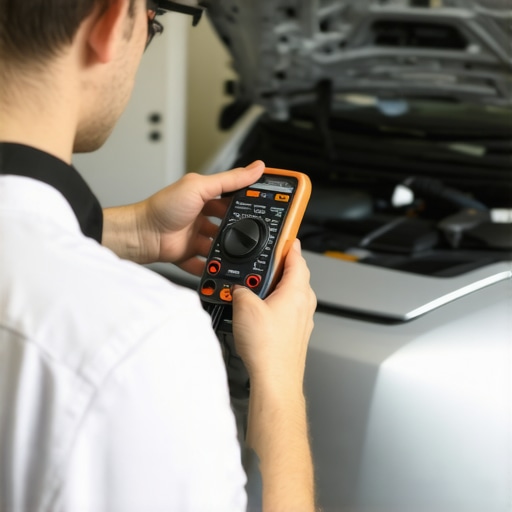
Disconnect the oil pressure sensor connector carefully—think of it like unplugging a delicate connector you might find in a high-precision ASE certified mechanic’s toolkit. Then, using a multimeter, check for resistance following your vehicle’s service manual. A reading outside the recommended range indicates a faulty sensor, much like a broken link in a chain.
Use a Mechanical Gauge
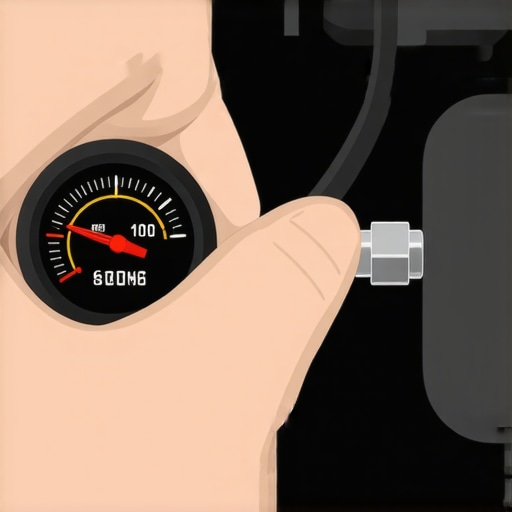
For a definitive answer, attach a mechanical oil pressure gauge directly to the sensor port. Turn on the engine and observe the gauge—if readings are steady and within specifications for your car’s make and model, then the sensor might be the culprit, not the actual oil pressure. Remember, testing like this is akin to having a trusted mechanic perform a diagnostic, but done at home with basic tools.
Inspect Wiring and Connectors Carefully
Look for signs of corrosion, frayed wires, or loose connections—these electrical hiccups can cause intermittent signals. Use a flashlight and gentle probing to ensure all contacts are clean and secure. Think of it as troubleshooting a faulty electrical connection in your home wiring, where dirt or corrosion mimics more significant problems.
Harness External Factors
Sometimes, extreme engine temperatures or electrical interference can lead to false warnings. Consider ambient conditions and recent repairs. If your vehicle recently had electrical work, verify nearby sensors and modules are properly isolated to prevent interference similar to static noise in audio equipment.
Consult Your Vehicle’s Manual or Database
Refer to the manufacturer’s specifications—these are your roadmap, like a trusted ASE certified technician’s guide. Most manuals provide specific resistance and voltage ranges for sensors, enabling precise testing. If you’re unsure, many online resources or professional diagnostics can verify sensor health without guesswork, helping you avoid unnecessary replacements.
Practice Regular Maintenance
Prevent false alarms by sticking to scheduled oil changes and inspections. Regular maintenance keeps sensor readings accurate and extends the lifespan of vital components. As I learned from my own experience, proactive steps like this are your best defense—review why regular oil changes extend your vehicle’s lifespan.
By systematically eliminating simple causes and verifying with reliable tools, you can confidently determine whether your oil pressure sensor is genuine or misleading—saving time, money, and frustration in the process.
 Many car enthusiasts and everyday drivers alike often fall prey to misconceptions about routine maintenance, especially concerning oil changes, car service, transmissions, and ASE certified repairs. While a regular oil change is universally recommended, the common belief that simply swapping out the oil every 3,000 miles is enough is misleading. In reality, modern synthetic oils and engine technologies require more nuanced care—consider factors like oil type, driving habits, and the vehicle’s age to optimize performance.
Are All Mechanics Truly ASE Certified, or Is It Just a Badge?
While ASE certification indicates a technician’s proficiency, it doesn’t guarantee perfection. Some shops might have uncertified staff executing complex diagnostics, risking mishandled repairs. Relying solely on the badge without assessing a workshop’s reputation can be a costly mistake. An expert understanding, as highlighted in industry studies, shows that continuous training and experience significantly impact repair quality, often more than certifications alone.
Many drivers underestimate the importance of transmission maintenance, assuming that just checking fluid levels suffices. But neglecting to listen for subtle signs—like slipping or shuddering during shifts—can lead to catastrophic failures. Transmission fluid degradation isn’t always visible but can be detected early with professional diagnostics, preventing costly rebuilds. Don’t forget, like engine oil, transmission fluid needs regular replacement to prevent buildup of wear-inducing contaminants. Learn the importance of proper transmission care from detailed guides like this expert insight on transmission troubleshooting.
Why Is Your Car Service Routine Sometimes Counterproductive?
Conventional wisdom suggests that frequent visits to the mechanic keep your car in top shape, but over-servicing or unnecessary procedures can actually cause more harm than good. For example, unnecessary belt replacements or fluid flushes might introduce risk if done prematurely. It’s essential to follow manufacturer guidelines supplemented with professional advice tailored to your specific vehicle and driving conditions. A study from the Society of Automotive Engineers (SAE) emphasizes that targeted maintenance extends vehicle life and improves safety, rather than blanket replacements.
Don’t fall into the trap of thinking that more frequent maintenance always equals better care. Instead, focus on diagnostic-based servicing, which detects issues early without unnecessary interventions. This approach not only saves money but also preserves your vehicle’s integrity long-term. If you’re unsure about what your car actually needs, consulting tools and resources like this guide on selecting proper service can help.
What Advanced Mistakes Do Drivers Make When Maintaining Their Vehicles?
One common error involves ignoring the subtle signals your vehicle gives—like irregular noises, warning lights, or slight handling changes. Many drivers dismiss these symptoms, assuming they’re insignificant, yet they often point to underlying issues like worn-out sensors or transmission fluid problems. Advanced drivers realize that neglecting these signs accelerates damage and escalates costs. For instance, a mild shudder during acceleration could be a sign of impending transmission failure, which can be mitigated with early diagnosis. Learning to interpret these nuances elevates your maintenance game from basic to expert level. As proven in automotive research, timely intervention based on detailed diagnostics and understanding complex vehicle behaviors can extend your car’s lifespan and reliability. Remember, staying educated and attentive is the best way to protect your investment. Have you ever fallen into this trap? Let me know in the comments.
Investing in the Right Equipment for Long-Term Maintenance
Staying on top of your vehicle’s health requires more than just a good eye—having the right tools can make all the difference. Personally, I rely heavily on a quality automotive code reader like the BlueDriver Bluetooth Pro. It connects effortlessly to my smartphone and provides real-time diagnostics, including engine trouble codes, sensor errors, and even ABS system alerts. Knowing exactly what’s wrong before rushing to a mechanic saves time and money. For transmission health, I swear by a digital transmission fluid tester. This tool measures the fluid’s color and scent, giving early indications of wear and tear that might not be obvious during routine checks. Regularly monitoring these parameters helps prevent costly repairs, aligning with the advice found in professional insights on transmission maintenance.
Beyond diagnostics, I also invest in a mechanic’s creeper and a battery tester. The creeper makes under-car inspections comfortable, enabling me to check for leaks or rust without the hassle of awkward positions. The battery tester provides immediate insights into battery health, helping me decide whether a replacement is imminent—especially critical during harsh winter starts. These tools form a core part of my maintenance routine, promoting proactive care rather than reactive repairs.
How do I maintain consistency with tools over time?
The key is calibration and regular updates. For digital tools, I follow the manufacturer’s instructions meticulously, recalibrating sensors or updating firmware when prompted. It’s a small step that ensures readings remain accurate, which is vital for making correct maintenance decisions. Also, I keep a dedicated logbook—digitally or physically—that records tool readings, vehicle issues, and service dates. This habit allows me to spot patterns and predict potential failures before they become critical, turning maintenance into a strategic process rather than an occasional chore.
Looking ahead, I predict that the integration of advanced diagnostic apps with AI capabilities will become mainstream, offering real-time assessments and personalized maintenance advice. Vehicle data will seamlessly sync with your smartphone or smart home system, alerting you to issues the moment sensors detect anomalies. For now, however, investing in reliable, specific tools tailored to your vehicle’s needs can dramatically improve your ability to keep it running smoothly. Don’t hesitate—try using a digital transmission fluid tester today to assess your vehicle’s health and get ahead of potential problems. It’s a small step that could save you a lot in the long run.
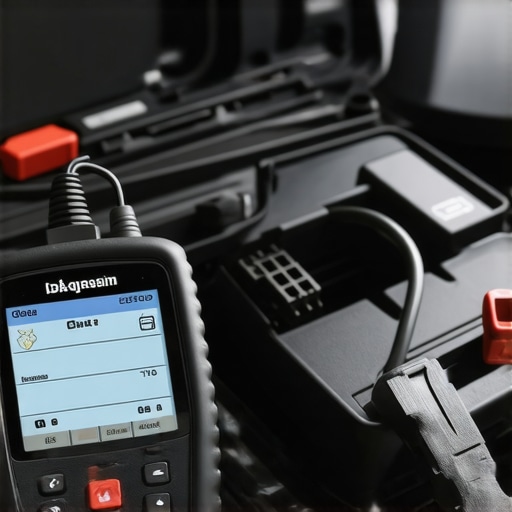
Image prompt: Close-up of an automotive diagnostic code reader connected to a car’s diagnostic port, with a mechanic’s toolkit in the background, illustrating proactive car maintenance.
Secrets Only the Pros Know About Oil Pressure Sensors
Over the years, I’ve realized that trusting your vehicle’s warning lights blindly can lead to unnecessary repairs or misses that cause costly damage. The real lesson is that a nuanced approach—combining proper testing methods, understanding sensor behavior, and regular maintenance—can save your engine and wallet. Learning from seasoned mechanics and tech enthusiasts, I’ve uncovered insights that go beyond basic troubleshooting, empowering you to make smarter decisions. For example, knowing how to differentiate between a faulty sensor and actual oil pressure issues can be the difference between a quick fix and an engine rebuild. This insider wisdom is a game-changer for any driver committed to preserving their vehicle’s longevity.
Tools and Tips That Changed My Maintenance Game
Throughout my journey, I’ve relied on specific tools that deliver trustworthy diagnostics—such as a quality multimeter for sensor testing and a mechanical oil pressure gauge for definitive readings. These aren’t just gadgets; they are extensions of your knowledge, enabling you to verify sensor accuracy without guesswork. I also recommend investing in a digital transmission fluid tester, which has helped me monitor other vital components effectively. Combining these tools with careful inspection of wiring, connectors, and engine conditions—plus referring to manufacturer specs—provides a comprehensive picture of your vehicle’s health. These resources have become my trusted allies, guiding maintenance decisions that keep my engine running smoothly for years.
Embracing Hands-On Confidence: Your Car Deserves It
Now, it’s your turn to take control. Regularly checking your sensors and understanding their signals fosters a deep sense of confidence and reduces dependence on costly mechanic visits. The more you learn to interpret warning lights and perform simple tests, the more proactive you become about your vehicle’s well-being. I encourage everyone reading this to embrace the DIY approach—armed with the right tools and knowledge, you can tackle sensor issues before they escalate. Remember, maintenance isn’t just about fixing problems; it’s about cultivating a proactive mindset that extends your car’s lifespan and enhances safety. So why wait? Start testing your oil pressure sensor today and see the difference it makes in your driving experience.