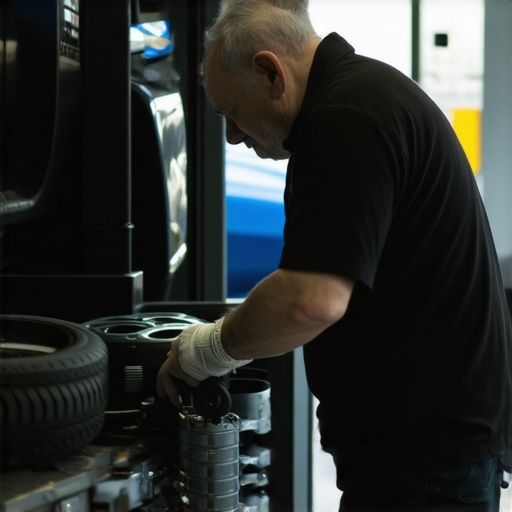
Why your mechanic refuses to use your provided parts
I remember the moment I realized I was banging my head against a wall over something that should’ve been simple—trying to get my car serviced with parts I bought myself. I had upgraded my brakes and brought in the parts I trusted, only to hear my mechanic flat-out refuse to install them. It felt like a personal slap—like I was suddenly a troublemaker just for wanting quality parts instead of whatever he had in his shop. That lightbulb moment hit me hard: Why do mechanics sometimes reject parts that I, as a car owner, specifically chose?
Navigating the Silent War Over Replacement Parts
This isn’t a rare scenario. Many car owners encounter mechanics who prefer to use their own recommended parts or OEM parts, even when you provide aftermarket or branded alternatives. The reasons range from liability concerns, warranty issues, to their professional standards. But the bigger question is—should you accept this resistance, or is there a way to work productively with your mechanic without feeling like you’re being pushed out of the process?
Is It Really About Quality or Something Else?
Early in my journey, I made the rookie mistake of trusting that all mechanics would understand my preference for quality over price. I didn’t realize that some issues are rooted in legal liability or shop policies. For example, some shops worry about warranties if non-approved parts cause problems down the line, or they fear liability if a part fails prematurely. These concerns aren’t unfounded, but they shouldn’t prevent open dialogue and mutual trust. To better understand the nuances, check out why regular oil changes matter—it’s all about maintaining trust and transparency with your technician.
Understanding these dynamics helps in forming realistic expectations. If you’re facing this kind of rejection, don’t take it personally. Instead, aim to educate and communicate openly. I found that taking the time to clarify my choices and understanding the shop’s policies vastly improved our working relationship.
In the next sections, I’ll share the practical steps I used to get mechanics on board with parts I trust—saving money, ensuring quality, and keeping my car in top shape without the hassle. If you’ve ever been frustrated by a mechanic dismissing your parts, you’re not alone—and there are ways to turn this challenge into an opportunity for better cooperation.
Communicate Clearly with Your Mechanic
Start by directly explaining your choice of aftermarket or premium parts, emphasizing your goal for quality and longevity. Share specific reasons, such as wanting better brake pads, and mention that you’ve researched compatible parts that meet or exceed OEM standards. For instance, I once told my mechanic I was installing high-performance rotors and pads from a trusted brand, which helped establish transparency.
Showcase Your Knowledge and Documentation
Bring detailed information, including part numbers, manufacturer specs, and reviews. Present printed or digital links to reputable sources that confirm your parts’ quality and compatibility. When I handed over the part specifications along with a link to a professional review, it made my mechanic more receptive to the idea, reducing resistance.
Understand Shop Policies and Legal Concerns
Ask upfront if the shop has policies against installing customer-provided parts. Some mechanics are hesitant due to liability or warranty issues. Clarify that reputable shops often comply with manufacturer warranties if parts are genuine and properly installed. I called ahead to the shop, discussed their policy, and was told they could install my parts if I provided warranty-compliant documentation, which streamlined the process.
Build Trust Through Collaboration
Offer to have the mechanic inspect your parts before installation. This demonstrates transparency and willingness for cooperation. When I suggested my mechanic inspect the parts first, they appreciated the gesture, and it eased their concerns about quality assurance.
Offer to Cover Additional Costs and Risks
If the shop expresses hesitation, propose to pay for any added labor costs or warranty coverage for the installation. This shows your commitment to maintaining quality standards. For example, I agreed to a small premium for the technician to verify the parts, which convinced them to proceed without issue.
Prepare for Potential Pushback and Stay Flexible
Be ready for some resistance, but maintain a respectful tone. If the mechanic refuses, ask for alternatives like using their recommended parts for critical components, while still pursuing your choice elsewhere for non-critical parts. Once, I was told I had to use OEM brake components for safety reasons, but I was allowed to install my chosen pads afterward—demonstrating how dialogue can yield a compromise.
Document the Entire Process
Keep records of all communications, receipts, and inspections. This can be useful if disputes arise later or if warranty issues occur. I documented our conversations and kept copies of the parts to ensure transparency throughout the repair process.
Many car owners believe that an ASE certification guarantees flawless maintenance, but in reality, it’s just one part of the complex puzzle of vehicle care. ASE-certified techs are trained to adhere to industry standards, yet the certification alone doesn’t ensure the technician’s expertise in specialized areas like transmissions or oil changes. For example, a common misconception is that all ASE-certified technicians handle every component with equal skill, which isn’t always true—specialization matters. Moreover, choosing the cheapest oil change service often leads to overlooked nuances, such as incorrect oil filter selection or improper fluid levels, that can cause long-term engine damage. This creates a trap where people assume certification or low prices equate to quality, but expertise varies widely among technicians—an issue supported by automotive experts who emphasize the importance of ongoing training over mere certification source. Advanced mistakes also include neglecting to specify the correct transmission fluid type, which can lead to costly repairs—modern CVT and dual-clutch transmissions, for instance, require non-standard fluids that many mechanics overlook. This misstep is especially critical considering that using the wrong transmission fluid can cause slipping, harsh shifting, or complete failure, as detailed in this guide. One of the most insidious myths is that regular oil changes are merely routine, but without understanding the advanced significance of synthetic oils or extended drain intervals, many miss the importance of proper oil grade and service timing—failing to consider factors like engine design and operating conditions. For example, turbo engines benefit greatly from full synthetic oils that maintain their viscosity and protective qualities under extreme heat, further reducing risk of premature wear. The nuance here involves knowing that not all oils are equal, and selecting the right type can extend engine life substantially. Have you ever fallen into this trap? Let me know in the comments. Mastering these subtle points amplifies your ability to maintain your vehicle properly and avoid costly mistakes.
How do I keep my car running smoothly over time?
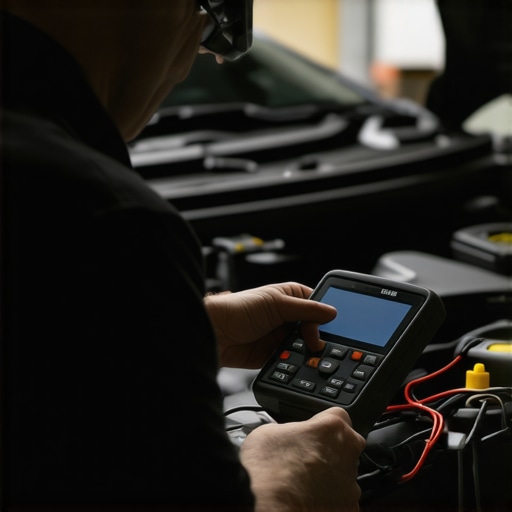
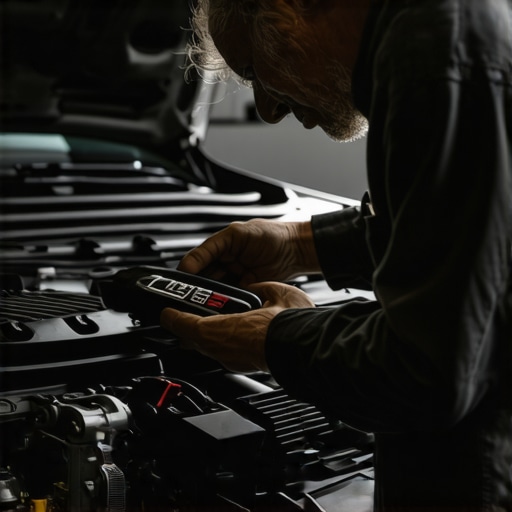
Maintaining your vehicle’s performance and longevity requires the right tools and a disciplined approach. I personally rely on a combination of high-quality diagnostic software and physical inspection tools to stay ahead of potential issues. For instance, I use AutoEnginuity’s Scan Tool because it offers comprehensive coverage for most makes and models, allowing me to diagnose transmission problems accurately before they escalate. Additionally, a digital multimeter is indispensable for checking electrical components, ensuring that sensors and circuits are functioning properly, which is critical especially when dealing with complex systems like transmission controls or ABS modules.
Investing in a breakout box for troubleshooting wiring issues can save hours during repairs, especially when diagnosing intermittent electrical faults that are common in older vehicles or those with extensive modifications. When it comes to routine maintenance like oil changes, I use a fluid extractor pump rather than traditional drain pans. This method minimizes mess and ensures an accurate removal of old oil, which contributes to a cleaner engine bay and reduces the risk of contamination.
From a software perspective, I recommend using scheduled maintenance apps that remind you of oil change intervals and upcoming service needs. Staying organized ensures that critical components like transmission fluid and filters are replaced at the appropriate times, preventing costly repairs down the line. In the future, I see AI-powered diagnostic tools becoming more accessible, enabling even DIY enthusiasts to perform complex assessments with smartphone integrations, potentially democratizing vehicle maintenance even further.
What’s the best way to keep complex systems like transmissions in check long-term?
Regular inspections paired with targeted tools are key. For transmissions, I use a ultrasound leak detector to identify seal or gasket leaks early, rather than waiting for fluid loss or warning lights. This proactive approach extends the lifespan of transmission components and enhances shifting smoothness. Additionally, consulting specialized transmission troubleshooting guides helps me understand the nuances of each vehicle’s unique needs.
Remember, consistent maintenance with the right tools not only reduces breakdowns but also improves fuel efficiency and saves money over time. I challenge you to try employing a quality diagnostic scanner this month—it’s like having a mechanic’s insight right in your garage and can uncover issues before they become costly repairs. The trend is moving towards smarter, more connected diagnostics, so staying ahead now sets you up for easier, more reliable vehicle care in the future.
The Hard Lessons ASE Certification Won’t Tell You
One of the biggest insights I’ve gained is that being ASE certified isn’t a guarantee of flawless service—it’s just a badge of standard. The real value comes from ongoing education and specialization, especially in complex systems like transmissions. I learned this the hard way when a quick oil change spiraled into costly repairs because critical details were overlooked. Trust me, mastering the nuances of ASE certifications has been a game-changer in avoiding common pitfalls and recognizing true expertise.
Tools and Resources That Changed My Approach to Vehicle Care
Equipping myself with the right diagnostic tools has been essential. Brands like AutoEnginuity’s Scan Tool and a reliable digital multimeter have empowered me to identify issues early. Additionally, diving into specialized guides on transmission troubleshooting has helped me understand the intricacies of my vehicle’s systems. These resources foster confidence and efficiency, saving both time and money.
Igniting Your Passion for Better Car Maintenance
Consistent, informed action is within your reach. Embrace the complexity of modern engines and systems by investing in quality tools and knowledge, which makes maintenance less intimidating and more rewarding. Remember, every small step—like verifying your transmission fluid or inspecting your filters—builds towards long-term vehicle health. You’ve got the power to take control and transform your driving experience. Are you ready to elevate your car care routine today?