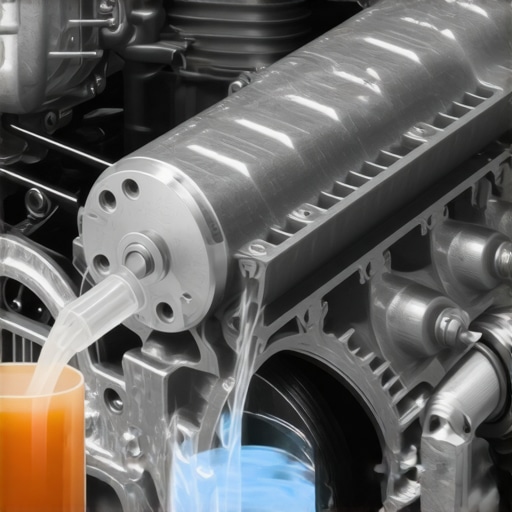
The truth about engine flush chemicals and your seals
It was a cold Tuesday morning when I realized my trusty car was suddenly coughing and sputtering during my commute. Despite my regular oil changes and proper maintenance, something felt off. That’s when a mechanic recommended an engine flush, claiming it would ‘clean out’ years of grime. I hesitated, feeling a mix of trust and skepticism gnawing inside me. Later, I learned that not all engine flush chemicals are created equal—and some could even harm my engine seals more than help.
Why Engine Flush Chemicals Can Be Both a Friend and Foe
When I first heard about engine flushes, I thought, “Sounds like a quick fix to prolong my engine’s life.” But the reality is a little more complex. These chemicals claim they can dissolve sludge, improve oil flow, and restore engine performance. Sounds great, right? The catch is, many of these products contain harsh solvents that can strip away vital deposits. While some engines benefit from a gentle flush—especially during major repairs—others risk damage to seals and gaskets if the chemicals are too aggressive or used improperly.
Early on, I made the mistake of rushing into an engine flush without understanding what it was doing to my engine’s seals. That oversight nearly led to leaks and costly repairs. Since then, I’ve dug into the science and spoken with ASE-certified technicians—who emphasize that judicious use of engine flushes can be beneficial if matched with the right product and application. Otherwise, you might be inviting leaks, oil consumption, or worse.
Understanding the ins and outs of engine flush chemicals is essential, especially if you’re like me—someone who cares about their car’s health but also wants to avoid unnecessary risks. In this post, I’ll share my insights and experiences, helping you decide whether an engine flush is worth the gamble and how to do it safely. Do you find yourself questioning whether this procedure is right for your vehicle? Let’s explore together.
Is All the Hype About Engine Flush Chemicals Justified?
Just a few years ago, I believed that engine flushes were a magic bullet. Later, I discovered that many professionals view them with skepticism, especially when used indiscriminately. Some products may do more harm than good, especially if your engine seals are already weakened. This early mistake made me realize that not every engine needs a chemical overhaul—sometimes, simple oil changes and regular maintenance are enough. To truly grasp the potential pitfalls or benefits of engine flush chemicals, I consulted with ASE-certified specialists, who shared that choosing the right product and applying it correctly could make all the difference. Want to learn which engine flush products are safest and most effective? Check out this article for tips on preventive maintenance that keeps your engine running smoothly without risky chemicals.
Prepare Your Vehicle and Gather Supplies
Before starting, ensure your engine is cool and parked on a flat surface. Gather a high-quality engine flush chemical approved for your engine type, new oil, and a compatible oil filter. Personally, I once attempted an engine flush on a hot engine, which caused the chemical to bubble excessively and made the process messier—not recommended. Check your vehicle manual for recommended products or consult an ASE-certified technician for guidance.
Drain the Old Oil and Remove the Oil Filter
Start by draining the existing oil: loosen the drain plug with a wrench and let the oil flow into a container. Replace the drain plug securely, then remove the old oil filter using an oil filter wrench. Remember, carefully dispose of used oil following local environmental regulations or consult a service center like AutoFixClinic. My first attempt was hurried, which resulted in some spillage, highlighting the importance of patience during this step.
Add Engine Flush Chemical and Run the Engine
Pour the recommended amount of engine flush into the oil filler cap. Start the engine and let it idle for the duration specified on the product, typically 5-10 minutes. During this time, the chemical circulates and dissolves sludge. I once rushed this step, leaving the engine running for only three minutes; the chemical didn’t circulate fully, and I missed out on cleaning deeper deposits. Patience here ensures thorough cleaning.
Drain the Flush-Contaminated Oil and Reassemble
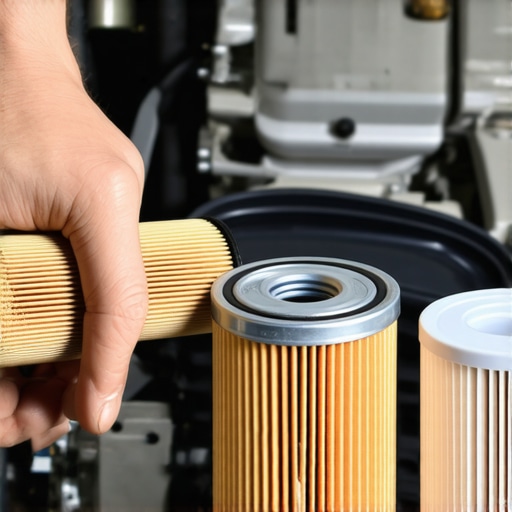
Turn off the engine and carefully drain the mixture, which will be darker and more watery. Replace the drain plug, then install a new oil filter—preferably a high-quality one that suits your vehicle, as recommended by professional mechanics. Remember, some engines benefit from a second flush or oil change for optimal cleanliness. My mechanic advised me that multiple short oil changes after the chemical flush can remove residual contaminants more effectively.
Refill with Fresh Oil and Check for Leaks
Pour the appropriate amount of new oil, matching the manufacturer’s specifications. After topping up, start the engine and let it run briefly—then, turn it off and inspect around the filter and drain plug for leaks. Confirm the oil level with the dipstick, adding more if necessary. I once overlooked a minor leak at the drain plug; a quick tightening fixed it and prevented future issues. Properly sealing components after the flush is crucial for engine safety.
Verify Operation and Maintain Regular Service
With everything reassembled, take your vehicle for a short test drive to ensure smooth operation. Check for unusual noises or warning lights. Regular oil changes and scheduled tune-ups, like recommended maintenance, help sustain engine health. I learned that neglecting routine oil service can lead to sludge buildup, making engine flushes more necessary—and more risky if not done properly. Consult your ASE-certified technician if uncertain or for any signs of engine trouble.
” alt=”A mechanic performing engine oil change with tools and engine components visible” title=”Mechanic performing engine oil change demonstrating proper technique”/>Many car owners believe they understand the basics of vehicle maintenance, yet misconceptions still abound—often leading to costly mistakes. One widespread myth is that all transmission issues can be solved with simple fluid top-offs or basic repairs, but the reality is more nuanced. Transmission systems are complex, and neglecting detailed diagnostics can result in worsening problems, such as shuddering or slipping. Consulting an ASE-certified technician, who has the training to diagnose subtle symptoms, can save you money and prevent breakdowns. It’s also a misconception that regular oil changes are optional if the car seems fine; however, experts emphasize that consistent oil maintenance not only extends your engine’s lifespan but also prevents silent damage that could lead to failure. Scrutinizing your service records and understanding the specific oil types suitable for your vehicle—given recent advances in synthetic oils—can make a tangible difference. Moreover, many assume that ASE certification is just a badge of honor, but in fact, it signifies a mechanic’s proficiency in comprehensive vehicle maintenance, including the latest technological updates. Recognizing these nuances helps you avoid complacency and makes your maintenance routine more effective. For example, some drivers delay oil changes until the oil is visibly dark, but modern oils are engineered to resist breakdown longer—yet the owner’s manual provides critical interval guidance. Beware of the ‘one-size-fits-all’ approach; vehicles with turbocharged engines or hybrid systems require tailored service strategies.
How can you distinguish between a technician’s genuine expertise and superficial fixes?
Expert advice suggests checking their certifications, reviews, and whether they follow manufacturer-recommended procedures. Relying on a trusted, ASE-certified professional reduces the risk of unnecessary repairs and ensures your car gets the specialized attention it deserves. For those interested in deepening their understanding, exploring detailed guidance at this resource can be enlightening. Remember, proactive education about your vehicle’s needs is the best defense against costly mistakes. Have you ever fallen into this trap? Let me know in the comments.
Maintaining your vehicle’s health over time requires more than just routine oil changes; it demands the right tools and a strategic approach. One essential piece of equipment I swear by is a high-quality digital multimeter. I use it to periodically check battery health and alternator output, which tells me early if there are charging system issues before they turn into roadside problems. For engine diagnostics, an OBD-II scanner like the BlueDriver Bluetooth scanner is invaluable. It provides real-time data and helps pinpoint trouble codes accurately, saving me time and money. Personally, I favor diagnostic tools that connect seamlessly with my smartphone app, enabling quick scans during routine inspections or unexpected check-engine alerts.
When it comes to oil maintenance, I rely heavily on a fluid extractor pump. This allows me to perform oil changes without crawling under the vehicle—especially handy for trucks or lifted SUVs. The precision of these pumps reduces mess and ensures I remove the correct amount of old oil, which is crucial for maintaining engine longevity. Pairing this with a top-tier synthetic oil like Mobil 1, recommended by ASE-certified technicians, further enhances engine performance and extends intervals between changes. I also keep a set of high-quality torque wrenches to ensure that drain plugs and filters are tightened to manufacturer specifications, avoiding leaks or damage.
For long-term results, I invest in a reliable engine degreaser for periodic cleaning of the engine bay. It prevents buildup of grime that can cause overheating or obscure leaks. Additionally, I schedule regular transmission fluid checks, especially for fleet vehicles, because clean transmission fluid is vital for smooth shifting—the benefits of which I detailed in this article. Using a dedicated funnel with a flexible spout allows for cleaner, more precise refilling, reducing spill risks. And for those wanting to take a proactive stance, an infrared thermometer is a game-changer; it helps monitor critical components like wheel hubs and exhaust headers for signs of overheating that could forecast impending failures.
How do I keep my car performing well over time?
The secret is consistency and the right diagnostics. I recommend establishing a maintenance schedule aligned with your vehicle’s manual, but also incorporating regular checks with an OBD-II scanner—so you catch issues early. Many cars now integrate advanced sensors that communicate directly with diagnostic tools, making early detection easier. As technology evolves, I predict that software-based predictive maintenance will become standard, alerting owners to potential problems before symptoms even appear. This trend will significantly reduce unexpected breakdowns and repair costs. To get started, try using your diagnostic scanner not just when the check engine light comes on, but periodically as a preventive measure. It’s a simple step that can save you a lot of grief.
” alt=”A mechanic inspecting vehicle diagnostics with a Bluetooth scanner” title=”Using a Bluetooth OBD-II scanner for proactive vehicle maintenance”/> Remember, staying ahead with the right tools and strategies is key to longevity and performance. If you need expert advice tailored to your vehicle, don’t hesitate to reach out. Regular check-ups, combined with smart diagnostics, are your best allies for keeping your car running smoothly for years to come.
Learning the Hard Way: Lessons from My Car Care Journey
One of the most eye-opening lessons I gained was realizing that not all engine flushes are suitable for every car. Rushing into a chemical treatment without understanding your engine’s condition can lead to leaks and costly repairs—trust me, I learned this the hard way. Now I know that consulting with an ASE-certified technician before proceeding is a wise move, ensuring you choose the right product and application method. Additionally, I’ve discovered that regular maintenance, including oil changes using quality synthetic oils, can significantly reduce the need for aggressive chemical cleanups—saving you time and money in the long run.
Tools and Resources That Keep My Car in Top Shape
Over time, I’ve come to depend on specific tools that make maintenance more effective and less stressful. An OBD-II scanner like BlueDriver has transformed the way I detect issues early, often preventing major problems. For routine oil changes, a good fluid extractor pump helps me avoid messes and ensure complete drainage, which improves engine longevity. I also rely on a high-quality torque wrench to tighten components precisely, preventing leaks or damage. These tools, coupled with trusted resources like educational articles, empower me to keep my vehicle performing optimally.
Your Drive to Better Car Care Starts Today
Taking charge of your vehicle’s health is not just about avoiding breakdowns—it’s about feeling confident every time you turn the key. Whether you’re considering an engine flush or just want to stick to routine maintenance, remember that knowledge and preparation are your best allies. Embrace the tools, consult the experts, and stay proactive—your car will thank you with years of reliable service. Are you ready to take control of your car care routine and make smarter maintenance decisions? The journey begins now—your vehicle’s best days are ahead.