Why your engine oil smells like it’s burning after a short trip
It happened to me just last month. I was eager to hit the road for a quick run, only to be greeted by a pungent, burning scent wafting from under the hood midway through my trip. That unmistakable aroma sent a chill down my spine. Was it a sign of something serious? I knew I had to get to the bottom of it before it turned into a costly repair. If you’ve ever experienced this perplexing smell after just a short drive, you’re not alone. Many car owners find themselves puzzled, wondering whether it’s a normal occurrence or a red flag signaling potential engine trouble.
Understanding Why Your Engine Oil Smells Like Burning
Is Burning Oil Actually Normal or a Sign of Trouble?
Initially, I thought a little burning smell was just part of aging engines or a minor leak, but I soon learned otherwise. The smell of burning oil during short trips often points to problems such as oil leaks, burning deposits, or even overheating components. These issues can cause engine oil to reach higher temperatures, vaporize, and produce that characteristic smell. Interestingly, according to experts at AutoFix Clinic, engine oil begins to break down and emit foul odors when subjected to excessive heat or contamination.
One mistake I made early on was ignoring minor oil spots on my driveway, convincing myself it was nothing serious. Turns out, small leaks can escalate if left unchecked, leading to more significant issues and more intense burning smells. Recognizing the signs early and maintaining proper engine care can save you from costly repairs down the line.
So, what exactly causes this smell after a short trip? It could be due to oil leaks seeping onto hot engine parts, worn-out valve seals, or even a clogged PCV valve that causes greasy deposits to burn. The key is understanding that such odors are often early warnings—ignoring them might lead to engine damage or breakdowns. Stay tuned, because I’ll guide you through practical steps to diagnose and fix the source of that smelly, burning oil soon.
Start with a Visual Inspection of Your Engine
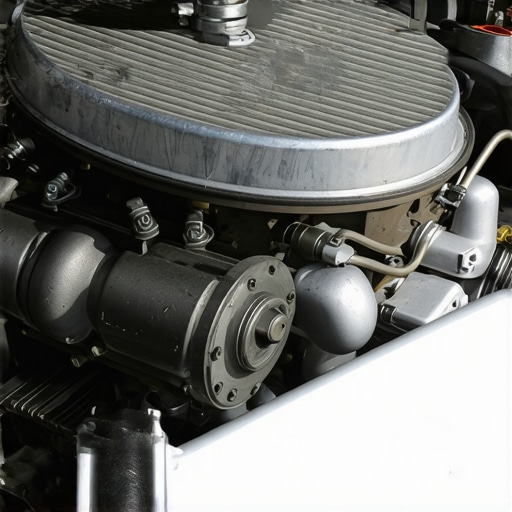
First, open your hood and look for obvious signs of oil leaks or residue on engine components. Use a flashlight if necessary to spot any oily spots that could be burning on hot parts. Remember, even minor leaks can cause burning odors over time. I once found a small oil spot near the valve cover gasket after a short drive, which was overlooked until I examined closely—promptly replacing the gasket stopped the smell.
Check Your Oil Levels and Quality
Pull out the dipstick and assess the oil level. If it’s low, top it up with the recommended oil. Also, inspect the oil’s color and consistency; if it looks dark, gritty, or has a burnt smell, an oil change is overdue. Regular oil maintenance, like following oil change tips, can prevent many issues related to burning oil odors.
Replace Worn Valve Seals and PCV Valve
Worn valve seals allow oil to seep into combustion chambers, leading to burning smells. Similarly, a clogged PCV (Positive Crankcase Ventilation) valve causes oil vapors to build up and burn on hot engine parts. If you’re comfortable with basic repairs, replace these components—this can significantly reduce odors. I replaced my PCV valve myself after watching a detailed DIY guide, which eliminated the smell and improved engine performance.
Inspect and Clean Your Engine Components
Over time, oily deposits can accumulate on engine surfaces, burning when exposed to heat. Use a degreasing spray designed for engines to clean these deposits carefully. Be cautious to avoid electrical components. After cleaning, run the engine and observe if any oily residue burns again. Regular cleaning—ideally during oil changes—helps keep engine parts free of buildup that can cause odors.
Address Oil Leaks Promptly
If you detect leaks, such as oil seeping from gaskets, seals, or the oil pan, schedule repairs immediately. Oil leaks not only cause burning odors but also pose a risk to engine health. For persistent or complex leaks, consult an ASE-certified technician—certifications like ASE certification ensures your mechanic has proven expertise. During my own experience, a gasket replacement resolved a recurring leak that caused burning oil smell.
Ensure Proper Ventilation and Cooling
Overheating amplifies burning odors. Check your cooling system for signs of malfunction: coolant levels, radiator condition, and fan operation. Replace old coolant using quality product, avoiding cheap coolants. Also, verify that your cooling fans turn on when needed. A properly cooled engine minimizes the risk of oil vaporization and burning smells.
Many car owners are under the misconception that sticking to basic maintenance schedules is sufficient to keep their vehicles running smoothly. However, the automotive world is filled with often-overlooked nuances that can significantly impact your car’s longevity and performance. For instance, while everyone advocates for regular oil changes, few realize that simply replacing oil without addressing underlying issues like clogged PCV valves or worn-out valve seals can lead to continued engine odors and damage. According to a study by the Society of Automotive Engineers, proactive diagnostics and understanding advanced system interactions reduce long-term costs and enhance reliability. Another common myth is that ASE certification guarantees a perfect repair—yet, in reality, understanding the technician’s specialty, experience, and attention to detail is crucial. Rushing into a transmission flush without inspecting transmission fluid condition can cause foaming and further damage, especially if debris isn’t properly cleaned beforehand. It’s essential to recognize that high-quality parts and precise diagnostics matter more than just routine procedures. Knowing how to identify subtle signs—like irregular shifts or faint whines—can prevent costly breakdowns. Remember, exclusive reliance on generic advice can be dangerous; tailored diagnostics, considering all systems like cooling, transmission, and engine components, ensure comprehensive care. For example, addressing minor coolant leaks promptly can prevent overheating issues that accelerate oil breakdown or transmission wear. Always question the common belief that cheap, quick fixes are sufficient; instead, invest in expert diagnostics and strategic repairs. Make your maintenance efforts count by understanding that sophisticated problems often require nuanced solutions. Want to dig deeper into diagnosing complex issues? Visit our contact page to book a consultation. Have you ever fallen into this trap? Let me know in the comments.Maintaining your vehicle beyond basic routines requires the right tools and a strategic approach. Personally, I rely on a combination of specialized diagnostic equipment and trusted software to ensure my car stays in peak condition. One essential piece of gear I use is a high-quality OBD-II scanner, such as the BlueDriver Bluetooth Pro, which connects seamlessly to my smartphone. This device allows me to quickly identify engine issues, monitor transmission performance, and even clear error codes without visiting the shop. Regularly referencing the scanner’s live data helps preempt potential problems, especially with complex systems like transmission control modules.
For deeper diagnostics, I recommend investing in a professional-grade infrared thermometer. This allows me to spot overheating components early, preventing costly repairs down the line. For example, if the transmission fluid or coolant hoses are running hotter than normal, it’s a sign something’s amiss—addressing these issues early can extend the life of your vehicle and improve safety.
Alongside hardware, I use vehicle-specific diagnostic software provided by certified mechanics—tools like AutoEnginuity or Snap-on diagnostics software. These platforms are invaluable for reading manufacturer-specific codes, resetting maintenance indicators, and performing calibration tasks, especially after replacing parts like valve seals or transmission sensors.
When it comes to routine maintenance, I always follow a precise schedule for oil changes, as recommended in detailed guides like this article. Consistency here is vital to prevent contaminants from damaging transmission components and engine internals. Additionally, I prefer synthetic oils, which maintain their viscosity over longer intervals, offering superior protection.
Looking ahead, I predict that diagnostic tools will become increasingly AI-driven, enabling even more accurate early warnings of system failures before symptoms manifest. This evolution will further empower car owners to manage maintenance proactively rather than reactively.
How do I keep my transmission performing optimally over time? Regular transmission fluid analysis, using advanced testing kits, can reveal foaming or contamination early—preventing potential slips or rough shifts. For example, checking for foaming on the dipstick can alert you to issues like fluid breakdown or excessive aeration, which if caught early, can be addressed before costly repairs are necessary. Incorporating such detailed maintenance upfront saves money and prolongs component lifespan.
Don’t forget, engaging with ASE-certified technicians ensures your tools and methods are aligned with industry standards. If you’re interested in upgrading your diagnostic approach, consider trying an advanced scanner like the Autel MaxiCOM series—I’ve found their comprehensive diagnostic coverage invaluable. Ready to give your car the professional attention it deserves? Book a consultation through our contact page and start protecting your investment today.
The Hardest Lesson I Learned About Oil Change, ASE Certified, and Car Service
One of my biggest lightbulb moments was realizing that relying solely on routine maintenance schedules without understanding the actual condition of my vehicle components can be costly. A simple oil change isn’t enough if your filters, seals, or transmission fluid are on their last legs. Proactively diagnosing issues with tools like an advanced diagnostic scanner has saved me from unexpected breakdowns.
My Surprising Insight Into ASE Certifications and Quality Repairs
Initially, I believed that an ASE certification guaranteed top-tier service. Turns out, it’s a valuable indicator, but not a safety net. The real difference lies in the technician’s experience and attention to detail. Asking questions about their specialty and how they approach diagnostics can prevent a lot of frustration and unnecessary repairs. I now prefer to work with shops that demonstrate ongoing learning and transparent service practices.
The Unexpected Value of Deep Engine Cleaning and Component Inspection
Over time, I found that engine deposits and oil leaks often mimic more serious issues. Regular cleaning of engine parts, combined with close inspection for signs of wear, can identify problems before odors or performance declines become noticeable. I trust products like engine degreasers designed for automotive use to maintain peak cleanliness and prevent issues caused by buildup.
Why Quick Fixes Are Sometimes Dangerous
Quick, cheap repairs might seem appealing, but they often hide bigger underlying issues. For example, delaying the replacement of worn valve seals to save money can lead to burning oil smells and engine damage. Investing in thorough diagnostics and quality parts, even if they cost more upfront, pays off in the long run.
Transform Your Maintenance Routine and Save Big in the Long Run
My journey taught me that mastering the art of detailed inspection—using tools like a reliable ASE-certified diagnostic—can dramatically reduce repair costs and improve vehicle longevity. Don’t wait for warning signs; become proactive by understanding your car’s unique needs.
Resources That Changed My Approach to Car Care
One book that reshaped my perspective is The Car Whisperer—it emphasizes listening to your vehicle and recognizing subtle cues before failure happens. Also, online communities like trusted forums connect me with real-world insights from experienced mechanics. Additionally, investing in a quality OBD-II scanner, such as the best diagnostic tools, keeps me ahead of potential issues.
Your Turn to Try Repairs and Diagnostics at Home
Taking charge of your vehicle’s health isn’t reserved for mechanics. With some basic knowledge and the right tools, you can catch problems early and prevent costly repairs. Whether it’s inspecting for oil leaks or swapping out a worn PCV valve, your proactive approach will reward you with peace of mind and savings. Are you ready to start trusting your judgment and knowledge? Share your experiences below and ask questions—let’s learn together!