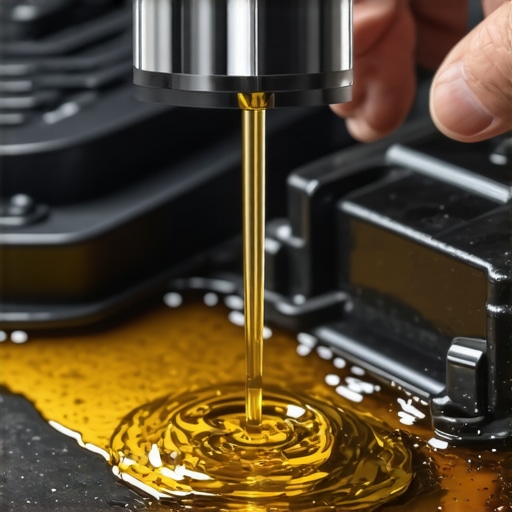
Why Your Engine Oil Level Keeps Growing Between Changes
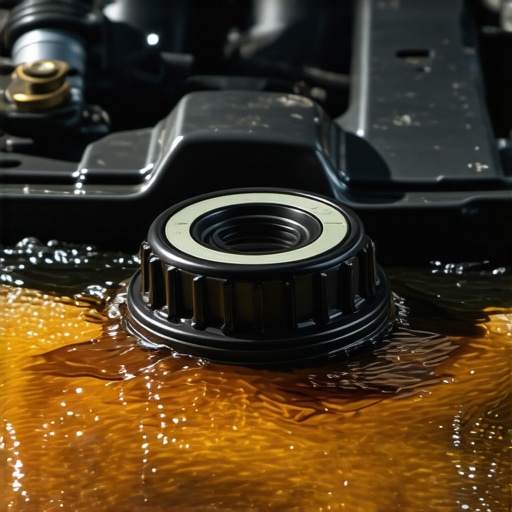
Last month, I was under my car, tightening a stubborn oil drain plug after a routine oil change, when I noticed something strange: my oil dipstick kept showing a higher level than expected. I thought I had overfilled it, but nope — the level just kept climbing, week after week. It was a frustrating, nerve-wracking moment because, honestly, who expects their engine oil to grow like a science experiment gone wrong? I felt like I was starring in a mystery novel, trying to crack the case of the ever-growing oil in my engine.
Understanding the Real Reasons Behind the Rising Oil Levels
Is Your Engine Trying to Tell You Something?
Early on, I made a mistake I see many others make: I blamed myself for overfilling during the oil change. But after a bit of digging, I realized that an increasing oil level isn’t just about improper filling — it’s often a sign of a deeper issue, like coolant leaking into the oil, or worse, internal engine problems. What’s key here is recognizing that this isn’t a problem to ignore. It can lead to serious engine damage if left unchecked, including hydrolock or oil dilution, which can cause costly repairs. Did you know that engine oil can actually increase in volume due to coolant mixing in, forming a milky emulsion? According to experts at AutoFixClinic, this is a classic sign of a head gasket failure or a crack in the cylinder head—problems that require prompt attention. So, what’s causing your oil to grow? It could be coolant seeping in, fuel contaminating the oil, or a broken piston ring causing internal leaks. I’ll walk you through how to diagnose these issues step by step, but first, let’s tackle why many people dismiss this as just an annoyance instead of a warning sign who needs immediate care.
Check the Oil Cooler and Seals
Start by inspecting the oil cooler for leaks, especially if your vehicle has a dedicated oil cooler. A cracked or failing seal can allow coolant to mix with oil, causing the level to rise. To do this, remove the cooler and examine for signs of coolant seepage or cracks. I once detected a tiny crack in my oil cooler after noticing a milky substance on the cooler’s surface, which alerted me to a potential leak before it affected the engine.
Perform a Compression Test
This test helps determine if internal engine components like piston rings or valves are compromised. Remove the spark plugs, insert a compression gauge into each cylinder, and crank the engine. Low compression readings on one or more cylinders could indicate worn piston rings or valve issues allowing coolant or fuel to contaminate the oil. I personally performed this test when I noticed the oil’s milky appearance and found uneven compression readings, confirming internal damage requiring professional repair.
Inspect the PCV Valve
The Positive Crankcase Ventilation (PCV) valve recirculates gases from the crankcase back into the intake manifold. A clogged or sticking PCV valve can lead to increased pressure and oil leaks, along with higher oil levels. Remove the PCV valve, shake it to listen for clicking, or inspect for sludge buildup. Replacing a faulty PCV valve is a quick fix that can prevent excess oil from accumulating unexpectedly. During my experience, a dirty PCV valve caused oil blow-by, which I cleared by replacing it with a new one.
Check for Coolant Leaks and Gasket Failures
Inspect the head gasket, cylinder head, and surrounding areas for coolant leaks or white smoke during engine operation. A blown head gasket can allow coolant to seep into the combustion chamber or oil passages, increasing oil volume with milky contamination. Using a UV dye and a black light can help detect leaks. I once used this method to identify a tiny head gasket crack, which explained the rising oil level and prevented further engine damage.
Monitor Oil Consumption and Look for Fuel Contamination
Fuel leaks into the oil, often from a leaking fuel injector or faulty seal, cause the oil level to rise and become overly thin. Check for strong fuel smell on the oil filler cap or dipstick. Conduct a simple test by taking a small sample of oil, placing it on a paper towel, and observing if it spreads or smells strongly of gasoline. If contaminated, replacing injectors, seals, or performing a professional cleaning can resolve the issue. I caught this problem by noticing a sweet smell in the oil—prompting me to have the injectors tested.
Seek Professional Diagnosis if Issues Persist
When in doubt, consult an ASE-certified mechanic. They can perform advanced diagnostics like leak-down tests or engine block inspections. Remember, ignoring these signs can lead to severe engine damage, like hydrolock or complete engine failure. My experience taught me that timely diagnosis combined with targeted repairs saves money and extends your engine’s lifespan. Regularly visiting a qualified ASE-certifiedtech ensures your vehicle remains in top condition and helps catch hidden issues early, preventing costly repairs later.
Many car owners assume that an ASE certification guarantees a technician’s absolute expertise or that all vehicle services are equally reliable. However, this misconception can lead to overlooked issues and subpar repairs. **First**, while ASE certification indicates that a mechanic has passed particular tests and possesses certain skills, it doesn’t automatically mean they excel in every niche or advanced diagnostics. For instance, a technician might be certified in general maintenance but lack specialization in modern transmissions, leading to misdiagnosis or inadequate repairs. To verify a technician’s proficiency, consider reviewing their specialty certifications at this resource.
**Second**, many don’t realize that some oil changes can do more harm than good, especially if cheap or incompatible oils are used. A common mistake is relying solely on the lowest price, ignoring oil viscosity and additives, which can affect engine performance and longevity. This ties into a broader myth that ‘every oil is the same,’ but in fact, using the right oil is crucial, particularly for high-mileage engines. Learn how to choose the proper oil in this article.
**Third**, a prevalent misunderstanding surrounds transmission servicing. Many believe that a simple fluid flush is sufficient for transmission health; however, this can sometimes dislodge debris that causes blocking or leaks. Advanced maintenance might involve partial or complete disassembly, especially for high-mileage or problematic units. An example of a hidden nuance is that some newer CVTs require specific non-standard fluids, as discussed here.
**Avoiding the trap of complacency is vital.** The false sense of security from superficial repairs or certifications can lead to expensive consequences down the line. Stay informed about the true intricacies of car maintenance, and always question the ‘quick fix’ solutions often presented by unqualified shops. Have you ever fallen into this trap? Let me know in the comments.
**Why do some ASE-certified techs still miss complex electrical or hybrid issues?** While certifications cover fundamental skills, rapidly evolving vehicle technology demands ongoing education. Recognizing specialized ASE certifications, such as L1 for advanced diagnostics, can make all the difference. This point underscores why continuous learning is non-negotiable. You can spot a genuinely experienced tech by their commitment to ongoing training, detailed in this guide.
Equip Yourself for the Long Haul
Maintaining your vehicle beyond basic oil changes and inspections requires investing in targeted tools and adopting strategic practices. Personally, I rely on a digital vacuum pump for brake bleeding, such as the Audiovox Brake Bleeder, because it ensures a complete fluid change without introducing air bubbles, which can compromise braking performance. For engine diagnostics, an OBD-II scanner like the BlueDriver offers reliable readings, especially when confirming issues like irregular oil pressure warnings here. These tools empower you to catch problems early, saving money and extending your engine’s life.
When it comes to software, vehicle-specific diagnostic apps such as OBDeleven for VW/Audi or BlueDriver for multiple makes have proven invaluable in my personal maintenance routine. They let me access manufacturer-specific codes and reset service intervals, ensuring that maintenance like synthetic oil applications or transmission fluid checks are performed according to exact model needs.
Consistent checks of vital components make all the difference. Using a laser borescope helps me inspect engine internals like pistons or valves without costly disassembly. Plus, I always keep a high-quality digital multimeter, which I use to verify electrical connections—critical for diagnosing complex issues that might cause transmission slips or engine misfires here.
How do I keep maintenance effective over time?
Establishing a routine schedule combined with these advanced tools ensures longevity. I suggest integrating regular diagnostics every 10,000 miles, especially for older vehicles, and keeping records of all services. Many modern engines, like GDI setups, require carbon cleaning at specific intervals to prevent buildup that could impair oil flow and combustion efficiency. Experts recommend using specialized tools like the GDI carbon cleaning machine for this purpose, which can be performed effectively at home or a trusted shop.
Looking ahead, I predict that automotive maintenance will shift increasingly toward predictive analytics, where software monitors engine health in real time and advises proactive repairs. This evolution is already underway with telematic systems and smart sensors. To stay ahead, invest in diagnostic tools capable of interfacing with these new systems, and consider learning how to interpret relevant data yourself.
If you want to boost your vehicle’s long-term performance, start with the simple step of regularly checking your oil pressure with a reliable gauge and confirming that your oil levels stay consistent. Remember, small, consistent maintenance efforts—like using quality oil filters and lubrication tools—can significantly prolong your engine’s life. For example, professional-grade oil filters prevent early wear and startup issues, especially for high-mileage engines. Give one of these tools a try today, and watch your car run smoother longer.
The Hardest Lesson I Learned About ASE Certified,Transmission,Car Service,Oil Change
One key insight I gained is that certifications like ASE are merely a starting point; ongoing experience and specialization matter immensely. Trusting a technician requires more than a badge — it’s about their dedication to continuous learning and understanding the nuances of modern vehicles. This became evident when I realized that even certified mechanics can overlook complex hybrid or electric systems if they haven’t kept pace with technology.
3 Myths About ASE Certified,Transmission,Car Service,Oil Change That Held Me Back
- Myth 1: All ASE certifications guarantee perfect expertise — not true. Real expertise comes from continuous education and practical experience in specific areas like transmissions or high-mileage engines.
- Myth 2: Regular oil changes are always enough — but using the wrong oil or neglecting other components can negate their benefits.
- Myth 3: Cheap parts or filters save money long-term — in reality, they often cause more wear and require frequent replacements, ending up costing more over time.
What Experts Leave Out About Routine Car Maintenance
Many overlooked lessons revolve around the critical importance of proper diagnostics and the tools needed to perform them. For instance, a quality oil pressure gauge can reveal subtle issues before they become major problems. Recognizing that ongoing education in tools like advanced diagnostics is vital, especially as cars evolve with more electronics and sensors, has been a game-changer for me.
Curated Pathways for Your Vehicle’s Longevity
- Invest in a Quality OBD-II Scanner: Devices like BlueDriver or OBDLink help you fetch detailed codes, enabling early detection of issues and ensuring that your mechanic has precise information.
- Explore Exhaust and Emission Test Tools: These help verify if your engine runs cleanly, which is crucial after significant repairs or oil changes to prevent future problems.
- Learn About Specialty Fluids and Filters: Not all oils are created equal. Using high-quality synthetic oils and compatible filters, like those recommended in this guide, prolongs engine health and saves money.
- Stay Updated on Model-Specific Maintenance: As vehicle tech advances, so should your knowledge. Resources like manufacturer websites and forums can guide you on service intervals and necessary repairs.
Your Next Move Starts Today
Don’t let the complexities of modern car maintenance intimidate you. Embrace continuous learning, invest in the right tools, and choose trusted professionals who prioritize ongoing education. Your vehicle’s health depends on proactive care that goes beyond the basics. Remember, staying vigilant about issues like rising oil levels is not just about avoiding repairs—it’s about safeguarding your investment and enjoying peace of mind.
Have you ever caught an early sign of transmission or oil trouble? Share your experiences below and let’s learn together how to keep our cars running smoothly for miles to come!