The Tiny Metal Shavings in Your Oil That Actually Don’t Matter
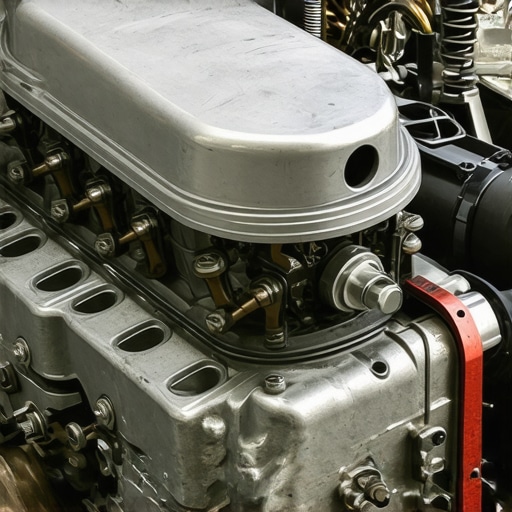
It was a chilly Saturday morning when I popped the hood of my trusted daily driver, already half-expecting to see another minor issue on the list. But what caught my eye wasn’t a leaky hose or a cracked belt—no, it was tiny, shimmering metal shavings swirling in my engine oil. At first, I freaked out. My mind raced through worst-case scenarios—did I just destroy my engine? But after some digging and a bit of experience, I realized something surprising: those minuscule metal flecks often don’t spell disaster.
Unveiling the Metal Shavings Mystery
For years, I believed that any metal in the oil was a sign of engine doom. That was until I learned that most engines shed tiny particles during normal wear and tear. The secret lies in understanding whether these shavings are a sign of serious damage or just a natural process. Today, I’ll share what I’ve discovered about tiny metal shavings and how you can tell if they matter or are just part of your engine’s tiny metal shuffle. Should you just change your oil and ignore the tiny shavings, or is it time for a deeper inspection? Stick around, because I’ve got some insights based on my own missteps and success stories.
What I Wish I Knew Earlier About Metal Shavings
Early in my mechanic journey, I made a big mistake—ignoring those small metal specks, assuming the worst. That oversight almost led me to a costly engine rebuild. Now, I know better. Not all metal means your engine is dying. Sometimes, it’s just minor contact between moving parts, like the piston rings or camshaft bearings, shedding tiny bits over thousands of miles. Still, careful observation is key. If you’re curious about whether those shavings are a red flag or just a normal part of engine life, you’ve come to the right place. Ready to learn how to decode the meaning behind those metallic specks, and avoid unnecessary panic? Let’s dive into the truth. If you want to see how expert mechanics approach this, check out this article on engine wear patterns. Read more about engine wear.
Why Metal Shavings Usually Don’t Mean Catastrophe
According to industry experts, it’s common for engines to shed tiny particles during normal operation. In fact, a study published by SAE International explains that most engines lose a small amount of metal over their lifespan, which is typically flushed out during regular oil changes. This process is often subtle and harmless, especially in well-maintained engines. The key is recognizing when these shavings are part of the norm—and when they point to serious problems, like bearing failure or piston damage. If neglected, though, ignored metal particles can lead to bigger issues, turning a minor annoyance into a costly repair.
Have you noticed small metallic debris in your oil? If so, may be an early indicator of normal aging or something to be concerned about. The trick is learning how to tell the difference—and that’s exactly what I’ll help you do next.
Identify the Source of Metal Particles
Start by draining a small sample of your engine oil into a clear container and inspecting it under good lighting. Look for metallic flecks and note their size and color. During my own experience, I found tiny silver specks that resembled fine glitter, which initially caused concern. Recognizing the type of metal can hint at the issue—suspiciously shiny and irregularly shaped particles might suggest wear from specific engine components. If you’re unsure, consult a professional mechanic for a microscopic analysis or send a sample for testing. For detailed guidance on analyzing oil samples, check out this article on engine vibrations.
Why Most People Miss the Depth of Proper Transmission Care
Many vehicle owners and even some technicians believe that following the manufacturer’s recommended service intervals is all that’s needed for a healthy transmission. This misconception ignores the real nuances—such as driving habits, climate conditions, and vehicle age—that demand customized maintenance approaches. For instance, a car driven daily in stop-and-go traffic may need more frequent fluid changes than the standard 60,000 miles guideline. Relying solely on generic schedules can lead to overlooked issues or unnecessary services, which can accelerate wear or create false alarms. According to a detailed SAE study, proactive, condition-based service tailored to individual use cases significantly extends transmission lifespan. You might hear that transmission fluid never needs changing, but that’s a dangerous myth, as fluid degradation due to heat and oxidation is inevitable. Be sure to look at this article for deeper insights on why transmission fluid care requires more than just a clock.
Oil Changes: The Hidden Trap of Routine without Reason
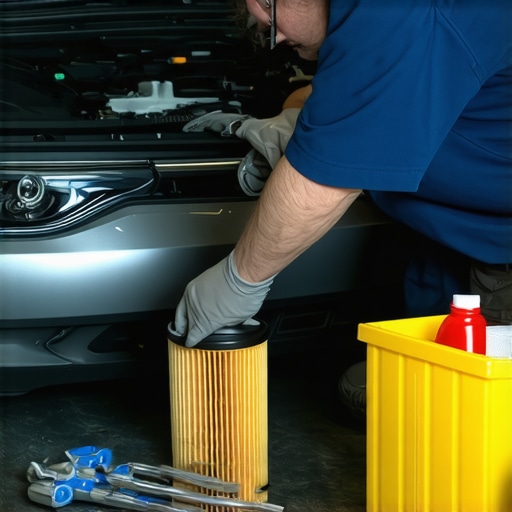
Everyone says change your oil every 3,000 miles, but the real world proves otherwise for many modern engines. Using the wrong type of oil filter, for example, can cause significant issues—some filters are not designed for high-flow or high-pressure systems found in newer engines, leading to inadequate filtering or even oil starvation. The myth that every oil change should be done prematurely is costly both economically and technically. It’s critical to understand that synthetic oils and advanced filtration systems have shifted the paradigm; sometimes, extending the interval up to 10,000 miles with high-quality oil and proper filters, as recommended by automakers, offers better protection. It’s a trap to fall for quick-lube sales pitches pushing for unnecessary changes or upselling low-quality filters, which can starve your turbocharger or damage your seals. For more on selecting the right filter, see this article.
Car Service Certifications: Do They Guarantee Quality?
Many people assume that an ASE Blue Seal or similar certification confirms the technical proficiency of a repair shop. While these certifications signal a certain standard, they don’t necessarily guarantee that every technician is an expert in every niche of vehicle maintenance—especially with the rapid evolution of vehicle technology like hybrid or electric drivetrains. A common myth is that ASE-certified shops are always better, but the truth is that ongoing specialization and hands-on experience matter just as much. Some shops may pursue certification as a marketing tool without maintaining cutting-edge skills for complex diagnostics. Being aware of the actual expertise behind the certification can help you avoid costly misdiagnoses or unnecessary repairs. For a detailed explanation of what ASE certifications entail and their limitations, check this article. Have you ever fallen into this trap? Let me know in the comments.
Invest in Quality Tools for Reliable Maintenance
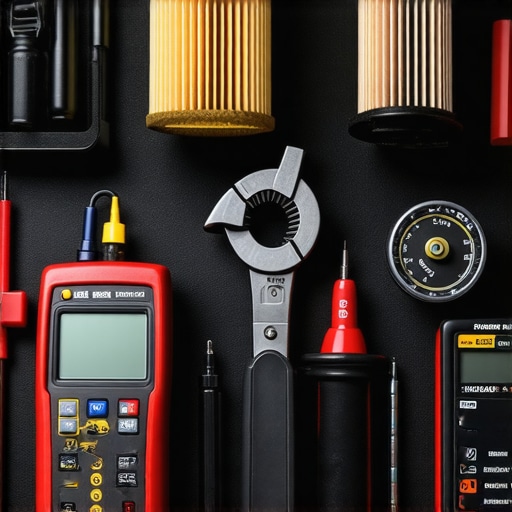
When aiming for long-term vehicle health, having the right tools is crucial. I personally swear by a high-grade engine vacuum tester to accurately diagnose leaks and vacuum-related issues, saving time and preventing unnecessary repairs. A professional-grade OBD-II scanner, like the BlueDriver, provides deeper insights into engine performance codes, enabling me to address problems before they escalate. For oil changes, a precision oil filter wrench ensures proper fitment, especially with modern filters that are often tricky to remove by hand. Remember, using the correct tools not only prolongs the life of your vehicle but also fosters confidence in your DIY repairs.
Streamline Your Maintenance Routine
Establishing a consistent schedule based on the manufacturer’s recommendations—and tailoring it to your driving conditions—can significantly extend the lifespan of your car. For example, I recommend tracking oil change intervals closely, especially if your vehicle is leased or operates under heavy load. In the future, predictive maintenance powered by onboard diagnostics and telematics will become the norm, allowing vehicle owners to receive alerts for fluid degradation or component wear before issues arise.
Focus on Long-Term Results with Proper Oil and Filter Choices
Choosing the right oil and filter combination is key for durability. Synthetic oils, while costlier upfront, offer superior thermal stability and flow characteristics, leading to cleaner engines over thousands of miles. I recommend opting for oil filters that meet OEM specifications and are compatible with modern engines—many standard filters aren’t suitable anymore, as explained in this detailed article. Regular oil analysis can also reveal early signs of engine wear, allowing for timely intervention.
Scalability: Preparing Your Vehicle for Future Demands
If you own a fleet or plan to keep your vehicle for the long haul, investing in diagnostic tools that scale is essential. Modular scan tools, like Autel MaxiDAS or ThinkCar’s systems, can be expanded with software updates to handle emerging technologies such as hybrid or electric systems. This proactive approach minimizes downtime and ensures your vehicle remains roadworthy amid evolving industry standards. As OEMs introduce more complex systems, staying ahead with adaptable tools is more important than ever.
How do I maintain engine health over time?
Implementing routine oil changes with the correct synthetic oil, using high-quality filters, and regularly inspecting crucial components can dramatically improve long-term performance. For instance, staying vigilant about transmission fluid condition—checking for burnt smell or straw-colored appearance—helps prevent costly repairs, as discussed in this article. Additionally, scheduling periodic diagnostics with advanced tools can catch wear signs early, safeguarding your investment.
Try setting up a system that alerts you when fluid or component parameters drift from normal ranges; this proactive approach benefits your vehicle’s longevity. Remember, quality tools and consistent routines aren’t just for quick fixes—they’re investments in your car’s future success.
Uncovering the Hidden Gems in My Maintenance Journey
One of the most valuable lessons I learned was that not all metal shavings signal imminent disaster; sometimes, they’re just part of the engine’s natural aging process. Recognizing this saved me from unnecessary repairs and deepened my understanding of engine health. I also discovered that relying solely on routine intervals without considering driving conditions can be misleading—personal experience and condition-based maintenance make all the difference. Finally, investing in quality diagnostic tools transformed my approach from reactive to proactive, allowing me to catch issues early and avoid costly fix-ups.
Tools and Resources That Changed My Approach
For anyone serious about engine maintenance, the BlueDriver OBD-II scanner became my go-to device for quick diagnostics. The OEM-recommended oil filters and synthetic oils have proven essential for long-term durability. Additionally, books like Automotive Maintenance & Repair provided foundational knowledge that empowered me to interpret oil analysis reports and understand wear patterns more confidently. These resources aren’t just tools—they’re gateways to smarter, more informed vehicle care.
Your Path to Confident Car Maintenance Starts Here
Embracing the nuances of engine care is an ongoing journey, but every step you take toward understanding your vehicle earns you confidence and peace of mind. Whether you’re monitoring oil quality or choosing the right tools, each action contributes to longer-lasting, smoother rides. Remember, the key isn’t perfection but awareness. So, are you ready to take control of your car’s health and turn maintenance from a chore into a craft? Share your experiences or questions below—let’s learn together!