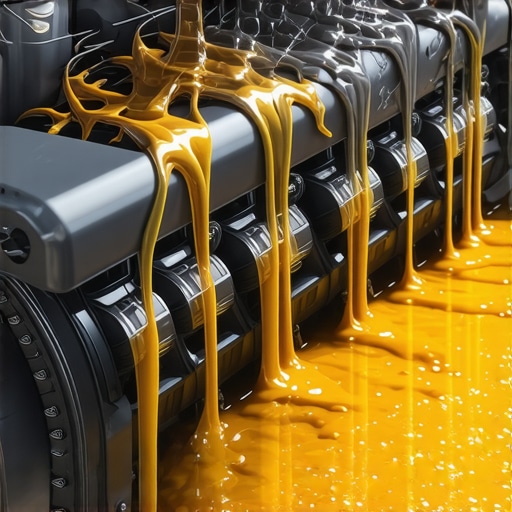
The hidden danger of overfilling your engine oil
It was one of those mornings when I casually popped into the garage for a simple oil top-up, but what I didn’t realize was that I had overfilled my engine oil. Within minutes, my engine started making strange noises, and I felt that sinking feeling of ‘Did I just mess up my car?’ That lightbulb moment taught me a vital lesson about a mistake many drivers unknowingly make: overfilling the engine oil.
Why Too Much Oil Can Be Just as Harmful as Too Little
Engine oil is the lifeblood of your vehicle, keeping every moving part lubricated and cool. However, filling it beyond the recommended level can create a sneaky array of problems—serious ones, even. When there’s excess oil, it can foam and lose its lubricating properties, leading to increased wear and tear. Worse, it can cause pressure build-up, which might lead to oil leaks or damage to engine seals. Trust me, I learned this the hard way, and early in my career, I made the mistake of simply topping off without checking the level carefully—something I strongly advise against. For more on maintaining healthy engine fluids, check out this guide on regular oil changes.
Is Overfilling Really That Big of a Deal?
Absolutely. Many drivers dismiss it as just a minor oversight, but it can accelerate engine wear, reduce fuel efficiency, and even lead to catastrophic engine failure if left unchecked. The key is to always measure your oil with the dipstick and stick to the manufacturer’s recommended levels. Not sure how to do that or want some expert tips? I’ve got you covered in the upcoming sections.
Double-Check Your Oil Level Before Adding More
Always use a clean, flat surface to park your car, turn off the engine, and wait at least five minutes to let the oil settle. Remove the dipstick, wipe it clean with a rag, then reinsert it fully and pull it out again. Check the oil level—aim for the sweet spot between the minimum and maximum marks. During my own experience, I once hurriedly added oil without checking, resulting in overfill and engine noise. Ensuring the correct level saves you from costly damage later.
Use the Correct Oil Type and Quantity
Refer to your vehicle’s owner manual or the oil cap for recommended oil specifications. Using the wrong type or too much oil increases the risk of foaming, pressure buildup, and leaks. When topping off, pour oil slowly while monitoring the level on the dipstick—adding small amounts incrementally reduces the chance of overfilling. I learned this lesson after a messy overfill caused cleanup and engine concern. For detailed guidance, visit this resource.
Fill Oil in Multiple Small Steps
Rather than pouring a large amount at once, add in several small increments, pausing to check the level each time. This micro-adjustment method prevents accidental overfill and gives you precise control. During my first oil topping, I mistakenly poured too quickly, which resulted in an overfill. Now, I add oil gradually, checking frequently, ensuring the level stays within the recommended range. This practice can prolong your engine’s health and prevent leaks.
Pay Attention to the Oil Container and Pouring Technique
Use a funnel to direct oil accurately into the fill port, reducing spillage. Before pouring, gently shake or invert the oil bottle to make sure you get the last drop, maximizing the use of your container. When I started doing this, I avoided messes and ensured the oil went exactly where it should. Proper pouring techniques also decrease the chance of overfilling, especially if your car’s fill neck is tight or small.
Seek Expert Help When Unsure
If you’re nervous about overfilling or unfamiliar with your vehicle’s oil capacity, consult a professional technician. An ASE-certified mechanic can quickly verify your oil level and advise on the right maintenance practices: check this guide for more details. During one of my first topping-up experiences, I visited a trusted auto shop after a wrong pour and learned proper techniques from a technician, saving me future headaches.
Many car owners believe that routine service checks, like oil changes or transmission fluid replacements, are straightforward tasks. However, even seasoned drivers often get the details wrong, unknowingly risking long-term engine health. For example, a common myth is that “if the engine runs smoothly, nothing needs attention,” but experts warn that subtle signs often precede major failures. In fact, focusing solely on basic maintenance ignores the nuanced realities of modern vehicles—such as the importance of precise fluid levels, specialized service intervals, and understanding the limits of common diagnostics. Did you know that overfilling or underfilling oil can cause as much damage as neglecting a scheduled change? This is where ASE-certified technicians come into play, offering the advanced knowledge necessary to prevent costly mistakes. Their training equips them to spot early signs of issues that less experienced mechanics might overlook, like transmission irregularities or microscopic engine wear. But here’s an often-missed trap: relying purely on the vehicle’s dashboard alerts can lead to complacency. Studies show that many drivers dismiss subtle warning signs, assuming they’re harmless, when in fact they indicate deeper underlying problems. For example, a slight hesitation during acceleration could signal transmission wear—something an ASE performance specialist is trained to diagnose before it turns catastrophic.
How Can You Identify a True Expert Beyond Certification?
Certification alone isn’t enough; a technician’s ability to interpret complex diagnostic data and their proactive approach truly set them apart. According to a recent industry analysis, vehicles today incorporate sophisticated sensor networks that generate a vast amount of data, which trained professionals know how to analyze effectively. Ignoring these nuances could escalate minor issues into major repairs. For instance, small fluctuations in transmission temperature or inconsistent oil viscosity might seem insignificant but can reveal impending failures. Therefore, regular, nuanced checks—like transmission fluid analysis or engine compression tests—are vital. Want to stay ahead of the curve? Learning the subtle signs of wear and understanding the advanced protocols can save you thousands. For expert guidance tailored to your vehicle, visit this contact page. Remember, routine maintenance is more than just sticking to a schedule; it’s about understanding and respecting the intricate mechanics of your car. So, have you ever fallen into this trap? Let me know in the comments.
Keeping Your Car in Peak Condition with the Right Tools
Maintaining your vehicle over the long term requires more than just basic knowledge; it demands the right equipment and methods to ensure durability, optimal performance, and safety. Personally, I rely on a set of specific tools that have transformed my approach to car maintenance, especially when dealing with oil changes and transmission issues.
One essential tool I swear by is a high-quality digital oil tester. Unlike traditional dipsticks or color checks, this device provides an immediate reading of oil viscosity, contamination levels, and temperature, helping me decide precisely when and what oil to top up or replace. Using this has significantly extended the intervals between oil changes, aligning perfectly with the latest recommended practices.
For transmission health, I invest in an automotive scan tool with transmission diagnostics. This piece of gear connects to your vehicle’s OBD-II port and offers real-time data and trouble codes specifically for transmission issues. I find it invaluable for early detection of slipping or overheating symptoms, enabling me to address problems before they escalate.
Regarding fluid analysis, I utilize a fluid exchange pump with precise flow control. This allows me to perform quick and clean transmission fluid replacements, crucial for prolonging transmission lifespan, especially in high-mileage fleets. A good pump, paired with expert knowledge (see this resource), ensures that I’m not just guessing but acting based on actual fluid health.
How do I sustain effective maintenance over time?
Long-term car care hinges on consistent, scheduled use of these tools in combination with expert advice. I make it a point to record each maintenance session, noting oil and fluid change dates, test results, and any anomalies detected. Implementing digital tracking via specialized apps or vehicle-specific software can make this process seamless, ensuring nothing slips through the cracks. As vehicles evolve with complex electronics, staying updated with diagnostic kits becomes even more critical.
Looking ahead, the trend points toward more integrated tools — such as AI-powered diagnostic systems that predict failures before sensors detect them. Investing early in advanced diagnostic technology not only saves money but also guarantees peace of mind, knowing that your vehicle is being cared for proactively rather than reactively.
If you’re eager to start applying this advanced approach, I recommend trying a high-quality digital oil tester combined with your existing routine. It provides instant insights that can be game-changers for extending your vehicle’s lifespan. Ready to upgrade your car maintenance arsenal? Visit this page to explore professional tools and expert guidance.
Unearthing Hard-Earned Lessons That Shaped My Approach
One of the most profound lessons I learned about car maintenance is the importance of patience and precision—rushing through oil top-offs can cause overfilling, which is as damaging as neglecting oil changes altogether. Another revelation was understanding that even the smallest oversight, like not double-checking the oil level, could lead to costly repairs down the road. These lightbulb moments emphasized the value of deliberate, informed actions rather than shortcuts. Lastly, trusting only the basics isn’t enough; leveraging advanced tools and expert advice ensures you stay ahead of potential issues, a strategy that has saved me from unnecessary headaches and expenses.
My Trusted Arsenal for Vehicle Care
To keep my vehicles in top condition, I rely on a curated set of tools and resources. A high-quality digital oil tester has transformed my routine, providing instant insights into oil viscosity and contamination levels—crucial data for making informed decisions. I also work with an automotive scan tool with transmission diagnostics, which detects early signs of transmission wear that are often missed by standard checks. For fluid analysis, a fluid exchange pump ensures precise and clean transmission fluid replacements, prolonging component lifespan. Lastly, I stay updated with trusted information from sources like this comprehensive guide on oil maintenance, which complements my hands-on approach to vehicle health.
Fuel Your Drive with a Heart Full of Confidence
Your dedication to responsible car maintenance makes a real difference—not just for the longevity of your vehicle but for your peace of mind on every journey. Embracing surgical precision, staying curious about new tools, and seeking expert advice when in doubt are habits that pay dividends in safety and savings. Remember, maintaining your vehicle isn’t just a task; it’s a lifestyle choice that reflects your respect for the machinery that keeps you moving. So, gear up, stay vigilant, and keep learning—your car and your wallet will thank you. Are you ready to take your routine to the next level? Share your thoughts below, and let’s grow together in our automotive journey.