Why Your Oil Cap Has a White Milky Substance Underneath
I’ll never forget the moment I popped open my car’s hood and saw that strange white, milky film underneath the oil cap. It was a cold morning, and I was racing against time to get to work, just like I have countless times. But that day, my heart sank. What was this weird gunk, and more importantly, should I panic?
Cracking the Mystery of the Milky Oil Cap
If you’ve ever opened your hood to find a white, creamy substance around the oil cap, you’re not alone. That sticky mess can be unsettling, and honestly, it had me wondering if I was about to need a costly repair. The truth is, this is a common issue among vehicle owners who neglect regular maintenance or who use the wrong type of oil. Today, I promise to help you understand why this happens, how serious it might be, and what steps you can take to keep your engine healthy.
Is This Factory Perfect or a Sign of Trouble? Here’s the Real Scoop
Early in my car-owning days, I made a crucial mistake—ignoring that milky buildup, thinking it was just dirt or temporary grime. Turns out, I was overlooking a warning sign that could lead to engine damage if left unchecked. According to automotive experts, this substance, often called “engine coolant contamination,” can develop when water mixes with the engine oil, creating a milky emulsion. This can occur for various reasons, from a blown head gasket to condensation buildup, especially if your vehicle sits unused for extended periods. Understanding the root cause is essential, and my goal is to guide you through identifying whether it’s a minor hassle or a more serious problem waiting to happen.
If this issue sounds familiar, or you’ve recently noticed that strange film, keep reading. We’ll explore the common causes, how to diagnose the problem correctly, and when to seek professional help. Don’t let this silent killer damage your engine — addressing it early could save you hundreds in repairs and extend your vehicle’s lifespan. Curious if your situation matches this description? Well, you’re in the right place to find out how to tackle this head-on, just like I eventually did after learning a few hard lessons. Want to dive deeper into car maintenance tips? Check out top oil change tips for safe driving to keep your engine running smoothly.
Keep reading — we’re about to uncover what your car’s telling you and how to fix it before it becomes a bigger headache.
Start with a Thorough Inspection of Your Engine
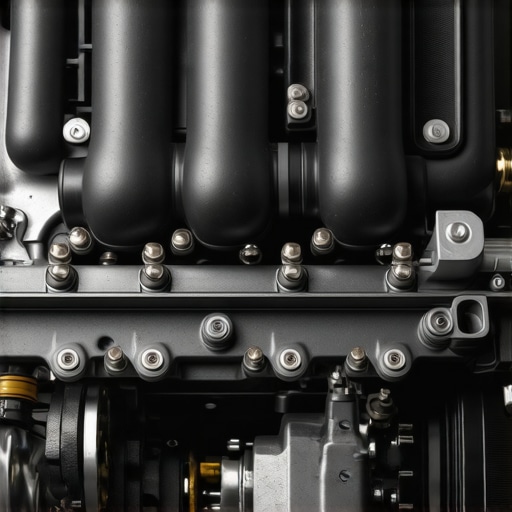
Before jumping into repairs, turn off your engine and let it cool completely. Open the hood and carefully remove the oil fill cap. Examine the surrounding area; a milky film indicates water contamination, which might be caused by a faulty head gasket or condensation. Use a clean rag to wipe the oil cap and check for any additional signs of leakage or corrosion. A visual inspection here is crucial—ignore it, and you might overlook a developing issue.
Drain and Replace Your Engine Oil Properly
Once inspected, proceed to drain the contaminated oil. Use a socket wrench to remove the drain plug and collect the used oil in a suitable container. Be cautious to avoid spills, as used motor oil is hazardous. After draining, replace the drain plug securely. Fill the engine with fresh, high-quality oil of the correct grade, as recommended by your vehicle manufacturer. For guidance on choosing the right oil, check this expert-approved oil change guide. Regular oil changes with proper filters can prevent future issues and keep your engine running smoothly.
Use a Certified Mechanic for Critical Repairs
If the milky substance persists despite oil change, it’s time to consult an expert. An ASE-certified mechanic can accurately diagnose issues like a blown head gasket or coolant leak. These professionals use specialized tools and techniques to pinpoint problems without unnecessary disassembly. For peace of mind and long-term safety, always verify your mechanic’s credentials, ideally through resources like this detailed explanation of ASE certification.
Address Underlying Causes to Prevent Recurrence
Replacing oil alone won’t fix the root problem. If coolant is leaking into the oil system, you might need a head gasket repair or cooling system overhaul. A professional inspection can also reveal if water condensation is a recurring problem, especially in climates with significant temperature swings or if the vehicle sits idle for long periods. Keeping the engine compartment clean and ensuring proper maintenance schedules are key—learn more about scheduling from choosing suitable car services.
Prevent Future Water Contamination with Routine Checks
Regularly inspect your oil cap and oil level, particularly after drives through humid environments or cold weather, which promote condensation. Drive your vehicle at least once a week if stored for extended periods; this helps heat up the engine and reduce water buildup. Incorporating routine maintenance, like timely oil changes and coolant system checks, keeps water intrusion at bay. Find handy tips for maintaining your vehicle at these essential maintenance tips.
Consider Professional Transmission and Engine Diagnostics
If despite all efforts, issues persist or symptoms worsen, advanced diagnostics may be necessary. Modern cars have sensors and control modules that can detect coolant leaks or oil contamination early. Rely on ASE-certified technicians or transmission specialists—like those at transmission troubleshooting experts—to ensure your engine is in top condition. Remember, early detection of leaks or contamination saves money and prevents breakdowns.

When it comes to vehicle transmissions and routine car service, many car owners rely on common beliefs that might do more harm than good. As a seasoned automotive enthusiast and technician, I want to share some of the nuanced truths that often get lost in the noise. Contrary to popular opinion, not every “expert” advice is foolproof, and understanding the deeper mechanics can save you thousands.
Are ASE Certifications Really a Guarantee of Quality?
Many drivers assume that an ASE-certified technician is automatically the best choice for their car. While ASE certification indicates a technician’s competence, it doesn’t necessarily reflect their specialization or experience with your specific vehicle model. In my experience, some shops rely heavily on certificates while neglecting ongoing training or hands-on expertise. Learn more about ASE certification here to understand its true value. The key is to find a technician who combines certification with specialized knowledge pertinent to your car, especially for complex systems like transmissions.
Don’t be swayed by sticker badges alone; ask about their experience with your vehicle’s make and model. Remember, routine oil changes are foundational—yet, they are often misunderstood. Many believe that regularly changing oil is enough for transmission longevity, but in reality, oil changes primarily protect your engine. Transmission fluid, on the other hand, requires specific attention and should be checked and replaced with precision—not just on a routine schedule, but based on driving habits and conditions.
Avoid the Trap of “Set It and Forget It”
One of the biggest pitfalls I see is owners assuming that a single service session will keep their transmission healthy forever. This is a myth. Modern vehicles, especially those with complex transmission systems, depend heavily on regular diagnostics and fluid condition checks. For example, many new cars have sealed transmissions, leading owners to believe these systems are maintenance-free. Expert insights reveal that even sealed transmissions benefit from proactive monitoring, especially as mileage increases.
Overlooking the nuance of transmission maintenance can lead to costly repairs. As a rule of thumb, always adhere to manufacturer guidelines but also consider your driving environment—stop-and-go city driving, hauling loads, or frequent short trips can accelerate wear. Ignoring these factors might cause you to miss early signs of trouble, such as shuddering shifts or delayed engagement, which are often mistaken for normal operation.
Why Most People Overlook the Importance of Proper Fluid Levels
It might surprise you to learn that many transmission problems originate from something as simple as incorrect fluid level or quality. Many assume that adding more fluid is always better, but overfilling can cause increased pressure and damage seals. Conversely, low fluid levels diminish lubrication and cooling, driving wear. This simple mistake is often compounded by reliance on dipstick readings that are inaccurate or taken under improper conditions. Advanced diagnostics now enable real-time monitoring of fluid status, which is becoming a game-changer for preventive maintenance.
Moreover, many drivers are unaware that the quality of transmission fluid deteriorates over time, especially under high temperatures. Using a low-quality or incompatible fluid can accelerate internal component degradation. Always follow the manufacturer’s specs and opt for high-quality, OEM-approved fluids to ensure maximum lifespan.
Let me leave you with a final thought: Don’t fall for the misconception that modern cars are maintenance-free. The truth is, understanding these hidden nuances—like the importance of specialized ASE training, accurate fluid management, and proactive diagnostics—can dramatically extend your vehicle’s life and performance. Recognize the traps, stay informed, and treat your car as an investment, not just a machine.
Have you ever fallen into this trap? Let me know in the comments, and for personalized advice on your vehicle’s needs, reach out to us.
Keep Your Vehicle Running Smoothly with the Right Tools
Maintaining your car’s transmission and overall service needs a tailored approach, and having the right tools makes all the difference. As an enthusiast and technician, I rely on proven equipment that ensures precision, efficiency, and long-term reliability. One essential tool I personally use is the OBD-II scan tool with advanced capabilities, such as the BlueDriver. This device not only reads trouble codes but also provides detailed sensor data, which helps me diagnose issues like delayed shift engagement or slipping gears promptly. Its comprehensive reports save me diagnostic time and prevent unnecessary repairs.
For fluid analysis, I opt for a transmission fluid refractometer. This instrument allows me to assess fluid contamination or degradation accurately without needing lab tests. Regular checks with a refractometer enable early detection of issues, such as burned fluid scent or dark coloration, which could be harbingers of costly breakdowns. It’s a small investment that pays off by extending transmission lifespan and maintaining smooth operation.
Another vital piece of equipment is the torque wrench. Proper torque specifications are critical when replacing transmission components or performing oil pan gasket repairs. I use a calibrated torque wrench to ensure that bolts are tightened precisely according to manufacturer specs, preventing leaks or component damage. Trusted brands like GearWrench provide reliable, durable wrenches, essential for technicians aiming for perfection.
How do I maintain these tools over time?
To keep tools like my scan devices and torque wrenches in optimal condition, I follow manufacturer maintenance guidelines. Calibration of torque wrenches should be performed annually, or after a specified number of uses, to ensure consistent accuracy. For electronic tools, regular software updates from the manufacturer help keep diagnostics precise and compatible with the latest vehicle models. Storing tools in a clean, dry environment prevents corrosion and wear, ensuring longevity and reliable performance for years to come. As trend predictions suggest, I believe diagnostic tools will continue to evolve with AI integrations, offering more predictive insights to prevent transmission failures before they happen.
By investing in specific, high-quality tools and maintaining them diligently, you can elevate your vehicle service game. For example, using a refractometer regularly has helped me catch early signs of transmission fluid issues, avoiding costly repairs. I recommend trying this technique—it’s a game-changer for proactive maintenance and can be easily integrated into your routine. To learn more about enhancing your maintenance strategy, check out this resource on oil-change best practices. Stepping up your toolkit today can make all the difference in keeping your car in top shape for years to come.
Lessons Learned in the Garage That Changed My Approach
- Don’t Overlook the Details: I once thought a milky oil cap was just a minor inconvenience, but it turned out to be a sign of deeper issues like coolant leaks. Paying attention to small symptoms saves a lot of money and stress later.
- Proper Maintenance Is a Moving Target: Relying solely on the calendar or mileage for oil changes is a misconception. Regularly inspecting your vehicle’s specific needs, like fluid condition, has helped me stay proactive instead of reactive.
- Certifications Help, But Experience Matters More: An ASE certification is a great marker, yet hands-on experience with your vehicle type builds true confidence. I’ve learned that asking mechanics about their experiences with similar models makes a real difference.
- Tools Are Just as Important as Knowledge: Using advanced diagnostic tools like a transmission refractometer or an OBD-II scanner can reveal issues before symptoms appear. Investing in the right equipment is a game changer for DIY diagnostics.
- Listening to Your Car’s Voice: Unusual vibrations, noises, or shifts are your vehicle’s way of telling you something’s wrong. Developing this sensitivity has helped me catch problems early, often before they escalate.
Strategic Resources That Elevate My Maintenance Game
- Top Oil Change Tips for Safe Driving: A comprehensive guide that covers when and how to choose the right oil, which I trust because it’s detailed and up-to-date.
- Understanding ASE Certifications: Knowing what this means helps me evaluate which mechanics truly have the expertise for complex issues.
- Transmission Troubleshooting Insights: A must-read for anyone facing shifting problems; I’ve used these tips to diagnose and address transmission issues efficiently.
- Choosing the Right Car Service: Finding trusted shops that believe in transparency and quality has been vital to maintaining my vehicle’s longevity.
Your Car Deserves Attentive Care—Start Today
Taking control of your vehicle’s health with informed, proactive steps is empowering. Remember, every symptom or oddity is a chance to learn and improve — not just a problem waiting to happen. Embrace the knowledge, invest in the right tools, and never be afraid to ask questions. Your car will thank you with smoother rides and fewer surprises. So, what small step will you take today to better understand your vehicle’s needs? Share below—your journey to expert-level car care begins with one simple move.