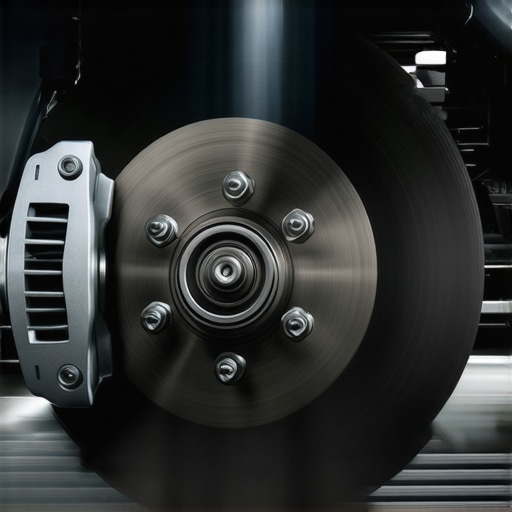
Why your brakes pulse even after a professional turn
Ever had that sinking feeling when the brake pedal pulsates under your foot, even after a professional turn or brake job? I remember the first time it happened to me—everything seemed fine at the shop, yet the vroom-vroom of my brakes was still there, making me wonder if I’d wasted my money. It was frustrating, and I couldn’t figure out why the smooth stop I paid for wasn’t happening. That lightbulb moment, realizing this isn’t just an annoyance but a sign of a deeper issue, led me down a path of learning and fixing.
In this post, I’ll share what I’ve discovered about why your brakes might pulse even after a professional turn, and more importantly, how you can identify whether it’s an easy fix or a sign of something more serious. If you’ve faced this problem, you’re not alone—many drivers experience the same, and the good news is that understanding the root cause can save you time, money, and potential safety risks.
The Simple Explanation: Warped Brake Rotors Are Usually the Culprit
Could It Still Be Your Rotors? Here’s Why It Matters
Inspect the Brake Rotors for Warping
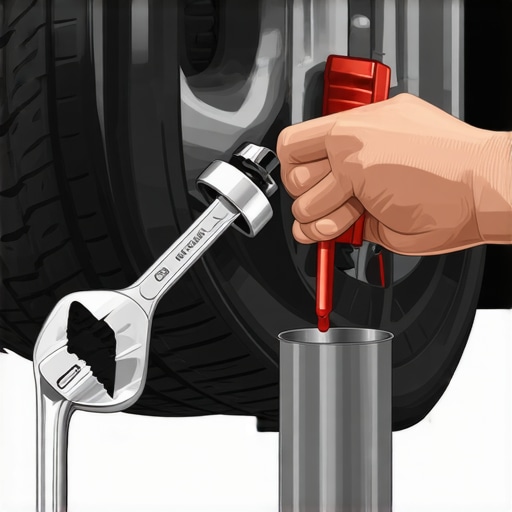
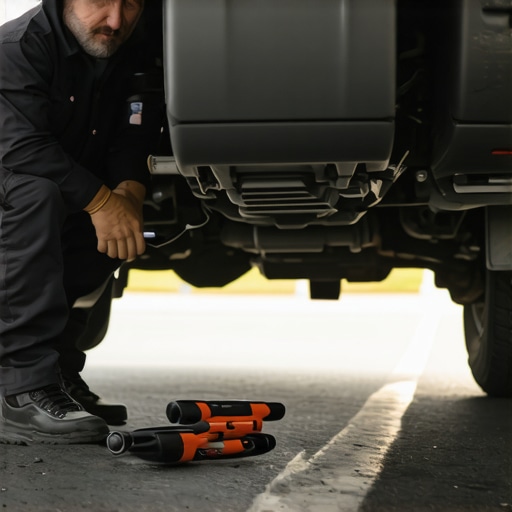
Begin by assessing whether your rotors are warped, which commonly causes pulsating brakes. Use an expert method or visually check for uneven surfaces. During a personal experience, I jacked up my car, removed the wheels, and used a dial indicator to confirm the warping. The result was a new set of rotors, significantly improving brake feel.
Remove and Clean the Rotors Thoroughly
Next, remove the rotors carefully, noting their condition. Clean the contact surfaces with brake cleaner and an abrasive pad to eliminate surface contaminants. Doing this prevents uneven pad wear and ensures proper seating of new parts. I once cleaned rotors at home, which temporarily alleviated the pulsation, buying me time before a professional replacement was necessary.
Resurface or Replace Causing Components
If the rotors can’t be cleaned effectively, consider resurfacing or replacing them altogether. Resurfacing involves removing a thin layer to eliminate warping, but often requires precise machining. When I faced this issue, I opted for replacement after confirming minimal serviceable thickness. Always verify your vehicle’s specifications to prevent brake failure from thin rotors.
Check Brake Pads for Uneven Wear
Uneven or worn pads can exacerbate pulsation. Remove the pads, inspect for uneven thickness or glazing—a shiny surface indicates overheating, which can lead to warping. Replacing worn pads along with rotors is a proactive step. In my case, a set of high-quality, certified pads improved overall braking performance.
Properly Install and Bed-in the New Parts
Installation must be done with correct torque specifications. Use a torque wrench to tighten lugs and hardware evenly, preventing additional warping. After installation, perform a bedding-in process—this involves applying steady brake pressure from moderate speeds to create a uniform transfer layer between pad and rotor, resulting in smoother braking. Following this process restored my confidence in braking performance and reduced pedal pulsation.
Schedule a Professional Alignment and Inspection
Finally, after completing the mechanical work, consider a professional alignment, especially if the pulsation is linked to suspension or steering components. Proper wheel alignment ensures even brake force distribution. Regular maintenance, including inspections with ASE-certified technicians, can prevent future issues. Learn more about what ASE certification guarantees.
If you prefer professional assistance, contact autofix clinic to schedule expert brake servicing.
Many drivers operate under misconceptions about essential vehicle maintenance, often leading to expensive mistakes. One common myth is that simply changing your oil is enough to keep your engine healthy, but in reality, the type of oil and service intervals matter more than many realize. An adequate oil change schedule tailored to your vehicle’s specific needs can significantly prolong engine life, especially when using synthetic oils designed for high performance.
A frequent trap is believing that all transmission issues stem solely from low or old fluid. However, untreated or contaminated transmission fluid, even if present in adequate quantity, can cause slipping and shifting problems. Regular transmission maintenance including fluid analysis and filter replacement, is crucial to avoid costly repairs.
Another misconception involves the role of ASE certification. Many think that ASE-certified technicians are infallible. While ASE certification indicates a high level of expertise, it’s important to recognize that not all certified mechanics have the same specialization. For instance, some are advanced engine specialists, while others excel in electrical systems. As research suggests, selecting the right technician for your specific issue leads to better diagnostics and repairs. To make an informed choice, consider consulting resources on what ASE certification guarantees.
Misunderstanding the scope of car service can lead to skipping important preventative procedures. Routine inspections, including checking brake systems, suspension, and cooling systems, often get overlooked because drivers think only major repairs matter. However, regular professional service can identify early signs of wear, saving money and ensuring safety.
Beware of the hidden nuances, like the importance of exact fluid specifications or torque settings, which are vital for optimal performance. For example, using the wrong transmission fluid type can cause long-term damage—this detail is often missed by DIYers. Experts recommend always consulting your vehicle’s manual or a qualified technician to confirm specifications.
Lastly, avoid the mistake of neglecting minor symptoms such as strange noises or vibrations, which, if addressed early, prevent expensive repairs. For example, timely diagnosing a subtle transmission shudder or abnormal oil consumption can extend your vehicle’s lifespan. Want to ensure your vehicle remains reliable? Regularly checking fleet maintenance tips may give you an edge.
Have you ever fallen into this trap? Let me know in the comments.Achieving long-term vehicle health requires not just knowledge but also the right tools and a systematic approach. As a DIY enthusiast or professional mechanic, I rely on high-quality equipment and software that provide precision and durability. One indispensable tool I personally use is the digital torque wrench, which ensures that every bolt, especially when working on critical components like wheel hubs or transmission mounts, is tightened to manufacturer specifications. This minimizes the risk of over-tightening or under-tightening, both of which can lead to costly repairs down the line.
For diagnostic work, I prefer the latest OBD-II scan tools that connect seamlessly with my smartphone or tablet. I recommend models like the BlueDriver or Autel MaxiSYS, as they provide comprehensive codes and live data analysis. These tools have become vital for early detection of issues, such as misfires or sensor failures, which could otherwise escalate into major problems. Regularly updating their firmware is crucial for compatibility with new vehicle models and emission standards.
Long-Term Results with Proper Maintenance Software
Using professional-grade maintenance management software like Mitchell1 or ALLDATA enhances record keeping and scheduling. I track every oil change, transmission fluid replacement, and service interval to ensure nothing slips through the cracks. These systems often include reminders based on your vehicle’s mileage and condition, helping extend the lifespan of vital components.
Investing in quality parts from reputable suppliers guarantees compatibility and reliability. For example, when replacing the transmission filter, I choose OEM or OEM-equivalent parts to prevent premature failure and ensure smooth shifting. It’s vital to verify that the replacement parts meet or exceed OEM standards, especially for critical systems like cooling and braking.
Preparing for Scale and Future Trends
Looking ahead, the integration of IoT and AI in car maintenance will revolutionize how we sustain vehicle health. Future tools may predict failures before they happen through real-time data analysis. For now, adopting a proactive maintenance mindset—regular inspections, using certified parts, and leveraging advanced diagnostic tools—sets the foundation for reliable long-term operation.
### How do I maintain transmission health over time?
Consistent transmission care begins with monitoring fluid condition and pressure. Regular fluid analysis can detect contamination early, preventing issues like slipping or harsh shifts. Using down-to-earth methods such as manual transmission fluid tests or professional lab analysis ensures the fluid remains clean and at the correct level. Remember, the transmission is among the most complex and sensitive systems in your vehicle. If you notice symptoms like delayed engagement or shuddering, consulting an ASE-certified technician is advisable, as they can perform detailed diagnostics and suggest the appropriate repairs. To make an informed decision about your vehicle’s needs, consider reading about what ASE certification guarantees.
Don’t forget, regularly scheduled service not only preserves your vehicle’s performance but also enhances safety and resale value. Try adopting a monthly check of basic components like belts, hoses, and fluid levels; this simple habit can save you from unexpected breakdowns. Explore advanced tools and methods to optimize your vehicle’s longevity and peace of mind—your car will thank you for it.
Lessons That Changed My Approach to Car Maintenance
- Sometimes, the most obvious fix—like a new rotor—masks a deeper issue that only an experienced eye can catch. My aha moment was realizing that a pulsating brake pedal isn’t just about warped rotors but could involve subtle suspension misalignments, emphasizing the importance of comprehensive diagnostics.
- Overlooking small symptoms can lead to costly repairs. I learned to listen to every squeak, vibration, or change in pedal feel, understanding that early detection saves both money and safety. Trusting your instincts, combined with regular professional inspections, makes all the difference.
- I’ve discovered that every vehicle responds differently—what works for one might not for another. Personal experience has taught me to keep detailed maintenance logs and consult with specialists for tailored advice, especially when dealing with complex systems like transmissions or brakes.
Tools and Knowledge That Keep My Vehicle Running Smoothly
- High-quality diagnostic tools like the BlueDriver Bluetooth scan tool or Autel MaxiSYS have become essential in my arsenal. They provide real-time data that helps me catch issues before they escalate, aligning with the advice on regular oil changes and proactive maintenance.
- Keeping an updated repair manual such as Haynes or Factory Service Manuals offers invaluable insights into specific models and troubleshooting steps. Combining these resources with OEM parts ensures longevity, especially for critical components like your transmission or brakes.
- Routine use of maintenance software to schedule services and review past repairs helps me avoid missed intervals, reinforcing the idea that organized records lead to better vehicle health, just as discussed in the importance of professional service selection.
Empower Your Drive: Take Action Today
Remember, understanding the nuances of vehicle care, from recognizing brake pulsation to maintaining transmission health, empowers you to keep your vehicle reliable and safe. Embrace a proactive mindset—schedule those inspections, invest in quality tools, and stay informed. Your vehicle is an extension of you, deserving the best care possible. Ready to take control? Explore more about fleet performance tips or contact autofix clinic for expert guidance in maintaining your vehicle’s peak condition.