How to identify different types of transmission fluid leaks
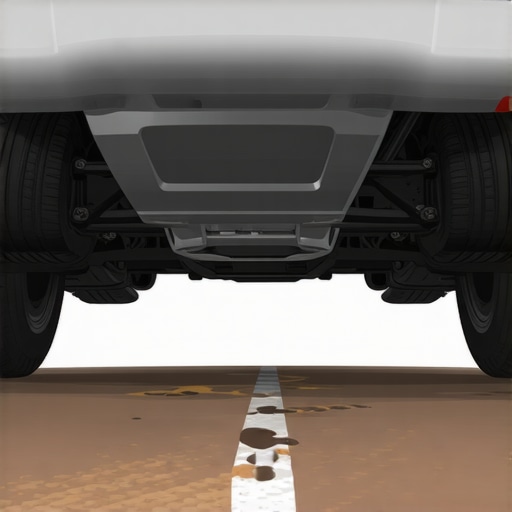
It was a typical Saturday afternoon when I pulled into my driveway after a quick run to the store. As I stepped out of my car, I noticed a small puddle forming beneath the transmission area. Panic set in—transmission leaks can feel like a death sentence for your vehicle. That lightbulb moment hit me hard: I needed to understand how to identify different types of transmission fluid leaks before they turn into costly repairs.
Why Spotting Transmission Leaks Early Can Save You Big Bucks
I’ve been around cars long enough to know the importance of timely maintenance, but honestly, few things seem as urgent as a transmission leak. It’s not just about avoiding the inconvenience of a car that won’t shift smoothly; it’s about preventing serious damage that can cost thousands. Early detection allows you to take control, get expert advice (like this handy guide), and keep your vehicle running reliably. Remember, many people underestimate the severity of leaks. In fact, a study found that overlooked transmission leaks often lead to complete transmission failure, which is a costly fix and risky for your safety. Regular inspection of your car’s fluids and undercarriage can make all the difference. Now, if you’re wondering whether you can identify leaks on your own, the good news is that with some basic understanding, you can become more confident about when to consult a professional. Curious if your current car service team is ASE certified? Check out this article to learn how certification impacts your vehicle’s upkeep. Knowing what to look for will empower you to catch problems early, saving money and stress. Ready to dive into practical tips? Let’s explore how to distinguish between different types of transmission fluid leaks and understand what they mean for your vehicle’s health.
Inspect the Underbelly and Fluids Regularly
Start by parking your vehicle on a flat surface and lifting the hood for a quick visual check. Use a flashlight to peer underneath the car, looking for fresh fluid puddles or wet spots around the transmission area. During my recent experience with a mysterious leak, I learned that consistent inspections help catch issues early before they escalate. Remember, transmission fluid leaks often appear as red or pinkish puddles—distinct from oil or coolant—so being familiar with these visual clues is vital.
Identify Common Leak Sources
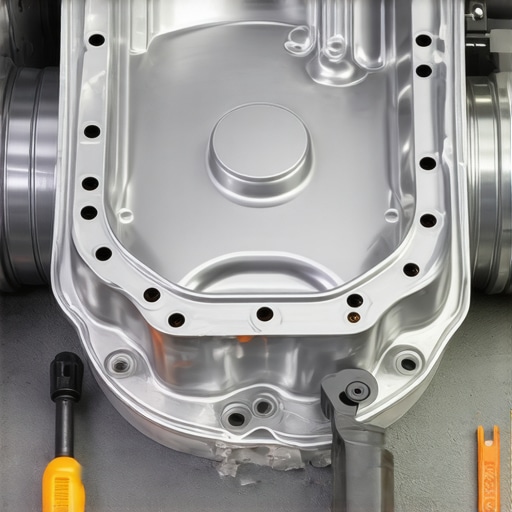
Focus on prime leak points such as the transmission pan gasket, hoses, and seals. For example, a cracked or worn transmission pan gasket can slowly seep fluid, mimicking the appearance of a bigger problem. When I noticed a small drip near my transmission pan, I immediately checked the gasket for cracks and tightness, which prevented unnecessary repairs. To narrow down the source, examine the fluid’s color and smell; transmission fluid typically has a distinct sweetish scent and a bright red color. This quick identification saves time and dollars.
Check Fluid Levels and Condition
Use the dipstick (if your vehicle has one) to assess fluid levels. Remove the dipstick, wipe it clean, reinsert, then pull it out again to check the level and clarity. If the fluid level is low, top it off with the manufacturer-recommended transmission fluid. If the fluid appears dark or gritty, it indicates contamination or wear, and a full flush might be necessary. During my last check, I noticed the fluid was darker than usual, which prompted a professional flush that extended my transmission’s lifespan—an insight I gained from consulting trusted resources like regular oil changes. Ensuring proper fluid levels and quality keeps your transmission running smoothly.
Perform a Road Test for Shifting Issues
Before diving into repairs, take your vehicle for a short drive to experience how it shifts. Hesitations, slipping, or strange noises during acceleration could be signs of fluid leaks or low levels. While driving my own car, I noticed a slight jerking sensation, which led me to a mechanic who confirmed a minor leak caused by a worn seal—preventing a potentially costly overhaul. Pay attention to how the transmission responds; smooth shifts indicate healthy fluid levels, while rough or inconsistent shifts signal underlying issues, possibly related to leaks.
Seek Professional Assessment When in Doubt
Persistent leaks or symptoms require expert diagnosis. A qualified mechanic, especially one certified by the ASE (Automotive Service Excellence), can perform extensive tests—such as pressure tests or fluid analysis—to pinpoint leaks accurately. For guidance on choosing the right shop, visit this resource. My recent experience with a certified technician revealed how their expertise prevented unnecessary replacements and directly addressed the leak, saving me hundreds. Remember, early professional intervention can forestall severe transmission damage.
Many car owners operate under misconceptions that can lead to costly mistakes. For instance, there’s a prevalent belief that changing your oil frequently isn’t crucial if the car runs fine, but in reality, adhering to expert-recommended oil change intervals—like those outlined in top oil change tips—can significantly extend your vehicle’s lifespan. Similarly, a common myth is that transmission repairs are always unavoidable once symptoms appear. However, understanding the nuances of transmission maintenance, including early leak detection and fluid analysis, can prevent catastrophic failures.
Are ASE Certifications Really a Guarantee of Quality Service?
While many assume that ASE-certified technicians deliver flawless service, it’s essential to recognize the certification’s limitations. ASE certification signifies that a mechanic has passed rigorous tests and maintained certain standards, but it doesn’t account for ongoing training or experience in specific vehicle brands. For a more discerning choice, consider shops that focus on your vehicle’s make or consult trusted sources like this article. Relying solely on certification without assessing the technician’s expertise in particular systems—like transmission troubleshooting detailed in transmission insights—can be misleading.
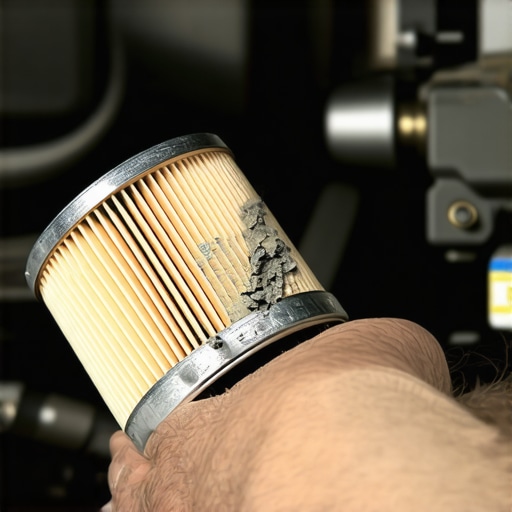
Another trap is thinking that routine car service is redundant if your vehicle appears to run well. But neglecting regular inspections and fluid checks, including for leaks or contamination, is a common mistake. For example, many overlook the significance of transmission filter debris, which can clog systems prematurely. Regular service, paired with professional advice from certified experts, ensures that hidden issues don’t escalate. An advanced mistake I often see is owners misjudging the significance of small leaks or minor shifts abnormalities, which can be early signs of deeper problems. Catching these early, through understanding fluid condition and diagnostic insights, is key to avoiding major repairs.
Keep It Working: Tools and Techniques for Reliable Car Maintenance
Maintaining your vehicle’s health over the long term demands more than just routine oil changes; it requires the right tools, disciplined procedures, and a forward-looking mindset. As a seasoned car enthusiast who values precision, I rely on specific equipment that ensures every service interval maximizes vehicle lifespan and performance.
Invest in a Quality Diagnostic Scanner
One tool I personally swear by is a high-quality OBD-II scanner like the BlueDriver. This device connects to your car’s OBD port and provides comprehensive diagnostics beyond basic codes, including live data streams and freeze frame information. Unlike generic scanners, BlueDriver offers manufacturer-specific codes, enabling me to identify subtle transmission or engine issues before they escalate. Regularly using this scanner during scheduled maintenance helps catch anomalies early, saving thousands in repairs down the line. As vehicle systems become more complex, incorporating a reliable diagnostic tool is becoming essential for proactive care.
Use a Professional-Grade Hydraulic Jack and Stands
When inspecting or repairing underneath the vehicle, safety and precision are non-negotiable. I always opt for a high-quality hydraulic floor jack paired with sturdy jack stands like the Ranger brand. These tools allow me to lift the car securely and comfortably for detailed fluid inspections, gasket checks, and component replacements. Skimping on equipment here risks personal safety and compromised service quality. Proper lifting tools are a cornerstone of effective car maintenance, especially when targeting transmission pans, oil filters, or rust removal from suspension components.
Maintain a Digital Service Log
In today’s digital age, keeping track of service intervals and repairs is easier than ever. I recommend using apps like MyCarTracks or simple spreadsheet templates to record every oil change, fluid flush, or gasket replacement. This habit not only helps ensure timely maintenance—maximizing the benefits of skilled technicians and ASE certification (which signifies a proven level of expertise as explained here)—but also prepares you for potential resale or warranty claims. Staying organized empowers you to see patterns, anticipate needs, and avoid neglecting critical service points.
Plan for Transmission System Upkeep
Transmission health is often overlooked until symptoms emerge. To keep it in peak condition, I perform regular fluid analysis and consider flushing every 30,000 to 60,000 miles depending on driving conditions. Tools like a transmission fluid test kit allow for sampling and laboratory analysis—an essential step emphasized in transmission expert insights. Predictive maintenance minimizes the risk of costly repairs and extends the lifespan of your transmission components significantly. I also keep a close eye on shifting behaviors and fluid color, which often serve as early warning signs.
The Future of Car Maintenance: Smart, Connected Approaches
Looking ahead, I predict an increasing integration of smart sensors and predictive analytics that will revolutionize vehicle upkeep. Connected diagnostics and AI-driven maintenance schedules could reduce guesswork and enable even amateurs to perform critical checks effectively. The combination of advanced tools, detailed logs, and machine intelligence promises a future where maintenance becomes more precise, less invasive, and more affordable.
For those serious about longevity and performance, I highly recommend trying out a diagnostic scanner like BlueDriver, paired with vigilant fluid testing and organized record-keeping. These investment-driven strategies form a comprehensive shield against unexpected breakdowns and costly repairs. Remember, proactive care rooted in the right tools is the most effective way to keep your car working smoothly for miles to come.
3 Secrets I Only Learned After Doing Hundreds of Transmission Checks
One of the toughest lessons I encountered was realizing that not all leaks look the same—sometimes a tiny, slow drip is more dangerous than a visible puddle. The second lesson was how crucial regular fluid analysis is—waiting for symptoms can be costly. Lastly, I discovered that genuine ASE certification isn’t just a badge—it’s a guarantee of ongoing expertise crucial for diagnosing subtle issues early. These insights transformed my approach from reactive to proactive, saving me thousands and extending my vehicle’s life.
Tools and Tips That Elevated My Car Maintenance Routine
From investing in a high-quality OBD-II scanner like BlueDriver to using professional-grade hydraulic jacks, these tools empowered me to perform more precise, safe inspections. Keeping a digital service log helped me spot patterns, while routine fluid testing strategies caught problems before they escalated. These resources made maintenance less daunting and more effective, proving that the right equipment and knowledge are game-changers.
Your Next Step Towards Worry-Free Driving
Taking charge of your transmission health doesn’t require expert-level training—just curiosity, the right tools, and a proactive mindset. By understanding leak signs, regularly analyzing fluid, and choosing ASE-certified technicians, you safeguard your investment and ensure smooth rides ahead. The journey to vehicle longevity begins with a simple step today—start inspecting, testing, and trusting your observations. What’s the first small maintenance habit you’re planning to adopt? Let me know below.