Why your transmission feels like it’s slipping in third gear
It was a usual Tuesday afternoon when I stepped on the accelerator, only to feel that unmistakable jolt — like the car was hesitating, reluctant to shift smoothly into third gear. The engine revved a little too high, and I knew something wasn’t right. That lightbulb moment hit me hard: my transmission wasn’t behaving. At first, I brushed it off as a minor glitch, but as the days went on, it became clear that ignoring it could lead to bigger, more expensive problems.
Snapping Out of Denial: Recognizing the Real Struggle
Let’s be honest — if you’ve ever experienced your vehicle slipping in third gear, you know how unsettling it can be. Maybe it’s happened during highway acceleration or when you’re trying to merge into traffic, and suddenly, there’s that feeling of loss of power. It’s not just annoying; it’s a potential sign that your transmission needs attention.
I want to assure you, this isn’t a case of your car throwing a tantrum for no reason. Often, it’s a cue from your vehicle that something needs checking — and better sooner than later.
Today, I’ll walk you through an approach I wish I had when I first noticed the problem. We’ll explore the common causes behind a slipping transmission in third gear, how to diagnose it, and most importantly, practical steps you can take to keep your car shifting smoothly. And if you’re worried about whether this is a major repair, remember: many issues related to transmission slippage can be resolved in a simple, cost-effective manner with expert guidance.
Could This Be More Than Just a Bad Shift?
Before we dive into solutions, I want to address a concern I initially overlooked — the fear that this might mean a total transmission rebuild. Trust me, I’ve seen people panic over this, but often, the root cause is something more manageable, like worn-out sensors or low transmission fluid. An important lesson I learned early on was to avoid jumping to conclusions without proper diagnosis. A quick inspection can reveal whether a sensor is malfunctioning or if the fluid needs changing. It’s a mistake I made: trying to fix everything myself without proper knowledge or tools, which often led me to unnecessary replacements.
If you’re facing this issue, I recommend reaching out to professionals who understand transmission systems inside out. You can check out some insightful tips on transmission troubleshooting. But first, let’s look at the common culprits behind slipping gears, especially in the critical third one, so you’ll have a clearer idea of what might be causing your vehicle’s struggles.
Drain and Replace Transmission Fluid
Start by safely lifting your vehicle and locating the transmission pan. Use a drain pan to catch old fluid, then unscrew the drain plug with a wrench. Be prepared for fluid to spill out—this is normal. Once drained, remove the pan and inspect the filter. Replacing old transmission fluid improves lubrication and can resolve slipping issues, much like changing oil keeps an engine running smoothly. Remember, old, degraded fluid can cause slips and rough shifts.
Check and Replace Worn Out Sensors
Next, focus on sensors such as the throttle position sensor or speed sensors, which provide critical data to the transmission control module. Using a multimeter, test sensor outputs following your vehicle’s service manual. If readings are inconsistent or out of range, replace the faulty sensor. This step is akin to replacing a faulty speedometer cable—restoring accurate signals helps the transmission shift properly.
Inspect Transmission Bands and Clutches
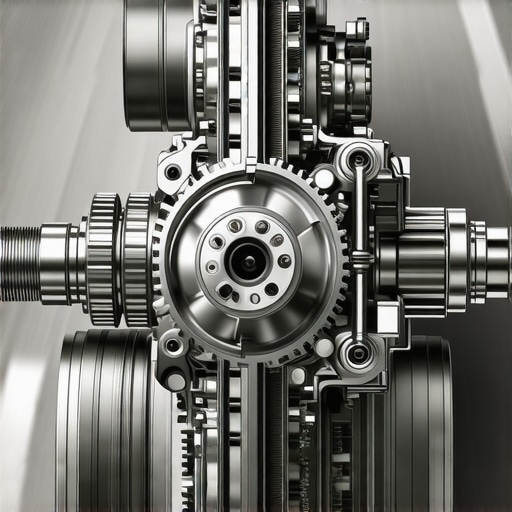
Inside the transmission, worn bands and clutches cause misfires and slipping. To access these parts, remove the necessary transmission components following manufacturer procedures. Carefully check for signs of wear, such as burnt or frayed clutches. Replacing or adjusting these components can dramatically improve shifting quality. Think of it as replacing worn brake shoes—restoring grip ensures safety and efficiency.
Assess Transmission Solenoid Functionality
Transmission solenoids control fluid flow within the system. Use a scan tool compatible with your vehicle to run activation tests on the solenoids. If a solenoid fails to activate or responds erratically, replace it. This process is like replacing a stubborn valve—directly restoring the flow guarantees proper gear engagement and prevents slipping.
Perform a System Diagnostic with ASE Certification Knowledge
Finally, perform a comprehensive diagnostic check using an ASE-certified technician’s expertise. An advanced scan may reveal hidden problems, such as internal wiring issues or PCM errors. This ensures you’re not just fixing symptoms but addressing root causes. Think of this as a health check-up—prevents future breakdowns and keeps your transmission in peak condition.
Remember, each step can be performed with proper safety precautions and appropriate tools. If in doubt, consulting professional service providers like experts here can save time and prevent costly mistakes.
Many vehicle owners believe that regular oil changes and basic car servicing are straightforward tasks easily handled at any quick-lube shop. However, this oversimplification can lead to costly mistakes and missed opportunities for more effective maintenance. Let’s uncover some common myths and explain nuanced insights that even experienced drivers often overlook.
One widespread misconception is that all oils are created equal, or that synthetic oil always outperforms conventional oil in every scenario. While synthetic oils do offer benefits like better temperature stability and longer intervals, choosing the right oil depends heavily on your vehicle’s specific needs, driving conditions, and manufacturer recommendations. An ASE-certified technician can help tailor your oil choice, ensuring you maximize engine longevity. Remember, as detailed in this resource, proper oil selection is crucial for extending your car’s lifespan.
Another myth is that frequent oil changes are unnecessary if your car runs smoothly. This could not be further from the truth. Contaminants, sludge, and degraded oil can silently damage engine components, even if the vehicle appears fine on the surface. The real secret lies in understanding your vehicle’s unique operating environment. Short city trips, extreme temperatures, or towing can all accelerate oil degradation—factors that require more frequent attention. Professional diagnostics, especially with an ASE-certified technician, can reveal hidden issues like sludge buildup or abnormal oil pressure here.
Wading into transmission maintenance, many believe that a transmission flush or fluid change is always risky or unnecessary. In practice, neglecting transmission fluid health is one of the most overlooked causes of slipping gears and shuddering shifts. However, the timing and method matter greatly. Using the wrong fluid or performing a flush without proper expertise can cause internal damage, especially in modern sealed transmissions. Always consult an ASE-certified technician who understands the nuances before proceeding.
A crucial point many drivers miss involves the importance of precise diagnostics. Relying solely on visual inspection or generic advice can leave you blind to underlying issues. Advanced diagnostic tools can detect sensor malfunctions, internal leaks, or electrical anomalies that traditional checks might not reveal. For example, a failing transmission sensor might mimic the symptoms of low fluid, leading to unnecessary fluid changes or parts replacements. Such insights are accessible only to trained professionals with proper equipment and knowledge.
Challenges like these highlight the necessity of ongoing education about your vehicle’s complexities. The automotive world continues to evolve, with newer systems and technologies demanding more specialized attention. If you want to make informed decisions, I recommend familiarizing yourself with what ASE certification truly signifies. It’s a mark of professionalism and technical competence that can save you money and frustration.
Have you ever fallen into this trap of oversimplifying car maintenance? Share your experiences in the comments—I’d love to hear your insights or questions about managing your vehicle’s health effectively.
Investing in Precision Tools for Long-Term Performance
When it comes to maintaining your vehicle, especially for critical systems like the transmission, precision tools are non-negotiable. I personally rely on a high-quality digital multimeter, such as the Fluke 115, because its accuracy in testing sensors and electrical connections is unmatched. This allows me to diagnose faulty speed sensors or solenoids without guesswork, saving time and unnecessary parts replacement. Additionally, an automotive scan tool compatible with your vehicle’s make and model—like the Autel MaxiSys Elite—provides comprehensive access to internal ECUs, allowing me to perform advanced diagnostics that surpass generic code readers. These tools enable me to reliably identify issues like internal wiring problems or PCM errors early, ensuring I address root causes, not just symptoms.
Maintaining Systems with Consistent Routine Checks
Consistent maintenance is about more than just replacing fluids or filters once; it involves routine checks using specialized equipment. For example, regularly inspecting transmission fluid quality with a refractometer—this device accurately measures fluid purity and lubricating properties. I recommend checking transmission fluid both visually and chemically at regular intervals, especially if your driving involves frequent stop-and-go conditions. Such proactive measures help prevent slipping or overheating, extending the lifespan of your transmission and avoiding costly repairs down the road. Modern diagnostics also include testing the functionality of solenoids with specific activation tools, ensuring your system responds correctly under load. Over time, this discipline fosters a smoother, safer driving experience and minimizes unexpected breakdowns.
The Future of Automotive Maintenance: Embracing Smart Tools
Looking ahead, the automotive industry is moving toward smarter, more integrated diagnostic systems—powered by AI and IoT. Vehicles will increasingly communicate with maintenance apps, alerting drivers to issues before they manifest as failures. As an enthusiast and professional, I predict a rise in affordable diagnostic devices capable of performing complex tests traditionally reserved for certified shops. Such advancements democratize car care, allowing owners to monitor systems like transmission health remotely. Staying ahead means investing in reputable diagnostic tools now and learning how to interpret their data effectively. This proactive approach not only saves money but also builds confidence in managing your car’s health.
How do I maintain my vehicle’s transmission over time?
To keep your transmission working smoothly long-term, focus on consistent fluid analysis, sensor checks, and timely replacements of worn components. Using tools like a multimeter and scan software helps catch issues early, preventing costly rebuilds. Regularly scheduled diagnostics with an ASE-certified technician ensure all internal systems function optimally, reducing the risk of slips or overheating. Remember, combining advanced tools with a disciplined maintenance routine extends your vehicle’s lifespan and enhances safety. For the best results, consider consulting a professional for comprehensive diagnostics, as outlined in this guide. Try implementing a monthly sensor check and fluid test—it can make a significant difference in your vehicle’s longevity.
What I Learned About Overconfidence in DIY Repairs
Early in my car maintenance days, I believed I could conquer most issues with a few online tutorials. My slip-up? Ignoring the subtleties of sensor testing and assuming a fluid change was always enough. The big lesson was humility; understanding that even seasoned DIY enthusiasts need precise diagnostics and patience. Trust me, rushing to fix a slipping transmission without proper tools can lead to further damage, which costs more in the long run. Never underestimate the complexity behind a smooth shift—sometimes, professional insight from experts here is the wisest investment.
Mastering the Balance Between Cost-Effective Maintenance and Professional Checks
There’s a fine line between saving money and risking costly repairs. I learned that routine diagnostics, like sensor testing and fluid analysis, can prevent major transmission problems. For example, a simple multimeter can identify faulty speed sensors before they cause noticeable slipping. While some repairs are manageable yourself, others—like internal clutch assessments—demand professional experience. Building a relationship with a trusted ASE-certified technician helps me keep my car’s transmission healthy without overspending. Remember, outsourcing critical diagnostics often pays off by catching issues early, as discussed in this resource.
Trust the Process: Patience as a Key to Long-Term Performance
My biggest takeaway is that patience and consistency trump quick fixes. Rushing into replacement parts or treatments can be counterproductive. Instead, methodical troubleshooting—checking fluid quality, sensor responsiveness, and internal components—ensures a durable fix. Using quality diagnostic tools, like those recommended in transmission troubleshooting, has been invaluable. Remember, a well-maintained transmission provides peace of mind and keeps your vehicle running smoothly for miles to come. So don’t shy away from thorough, deliberate care—your car will thank you over time.
Harnessing Knowledge to Make Smarter Maintenance Decisions
The final lesson is the importance of continuous learning. As technology evolves, so do diagnostic methods. Investing in education—like understanding how to interpret sensor signals or fluid properties—empowers you to make informed decisions. Resources like this guide shed light on the value of ASE certification, which is a mark of trustworthy expertise. Educated vehicle owners collaborate more effectively with professionals, avoiding unnecessary repairs and prolonging their vehicle’s lifespan. Embrace this journey of mastery, and your car’s transmission will reward your efforts with reliable, smooth shifting for years.
Revving Up for Better Care
Taking charge of your vehicle’s health is more than a routine—it’s a mindset. Being proactive, patient, and well-informed transforms simple maintenance into a long-term partnership with your car. Whether you’re checking sensors, analyzing fluids, or scheduling professional diagnostics, each step makes a difference. Your transmission isn’t just a mechanical part; it’s the heartbeat of your driving experience. Stay curious, stay diligent, and let your car’s performance mirror your dedication. Remember, you’re not alone in this—professional help is just a click away. What’s the next maintenance lesson you’re excited to master? Let me know below!