The Real Cause of That Clicking Sound When You Turn the Steering Wheel
Imagine this: you’re pulling out of your driveway, the early morning sun is just peeking over the horizon, and suddenly—pop! That familiar, nerve-wracking clicking sound echoes from your steering wheel. It’s enough to make your stomach tighten, wondering if your car is about to give up on you. I’ve been there—believe me, nothing disrupts a peaceful drive like that tiny, rhythmic noise that somehow feels like a warning.
It wasn’t always clear to me what caused that unmistakable click when I turned my steering wheel. At first, I thought maybe it was just a bit of loose trim or normal wear and tear. But as the sound persisted, growing louder and more frequent, I realized something was off. That’s when I dove into the world of car mechanics, becoming an ASE-certified enthusiast, to figure out what’s really going on under the hood.
Today, I want to share what I’ve learned, not just from personal experience but from years of diagnosing similar issues, so you don’t have to spend endless hours guessing or worse—paying for unnecessary repairs. That clicking isn’t just an annoying noise; it often signals a deeper problem with your steering or suspension components. Ignoring it can lead to more costly fixes down the road.
But here’s where it gets interesting: many people assume that such sounds are inevitable with age or driving conditions. That’s a trap I fell into early on, making the mistake of dismissing minor noises. For instance, I once thought my car was just “getting old,” and that turning was supposed to be louder—until I discovered it was a simple issue with my steering linkage that could be fixed with a routine check.
If you’ve faced that frustrating click when turning, I promise that understanding the *true cause* will empower you to act — whether that’s a quick home inspection or a visit to your mechanic. And don’t worry: I’ll walk you through common reasons behind this sound, how to recognize early signs of trouble, and when to seek professional help.
So, are you tired of that mysterious clicking ruining your drives? Do you want to fix the root cause once and for all? Good news—by the end of this read, you’ll have a clear idea of what’s going on and how to handle it effectively.
Why That Clicking Sound Isn’t Just Annoying—It’s a Warning Sign
Start with a Visual Inspection of Your Steering Components
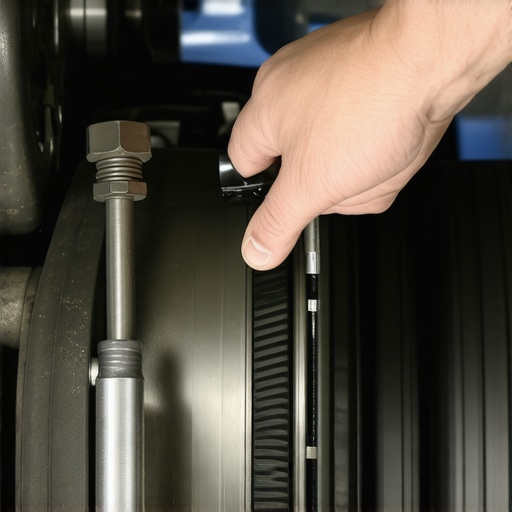
Begin by safely parking your vehicle on a level surface and engaging the parking brake. Open the hood and examine the steering linkage for any obvious signs of wear, cracks, or looseness. A visual check can reveal if any parts are misaligned or damaged, which often causes the clicking sound during turns. When I first did this, I noticed a slightly worn outer tie rod end that was causing the noise. Remember, if you find any damaged parts, replacing them promptly can save you from costly repairs later.
Check and Lubricate Your Steering Joints
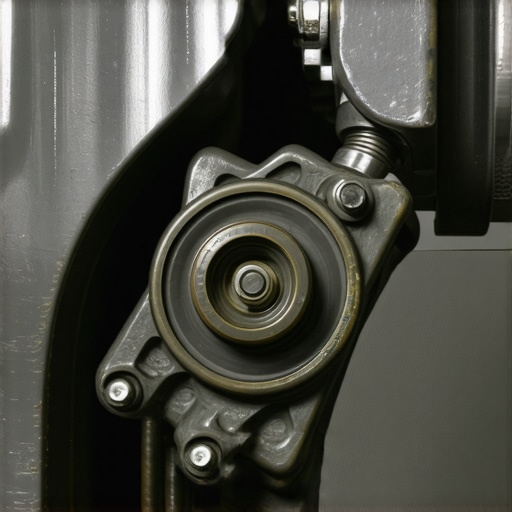
Next, identify the ball joints and sway bar links, which are critical to smooth steering. Use a flashlight to look for rust or dirt buildup. Applying a quality, high-temperature grease to these moving parts can reduce noise and improve handling. During my own troubleshooting, I used a grease gun to lube the ball joints, which temporarily silenced the click—though a full replacement was eventually necessary. Regular lubrication is a simple way to extend the life of steering parts and prevent creaking or clicking sounds.
Inspect and Test Your Wheel Bearings
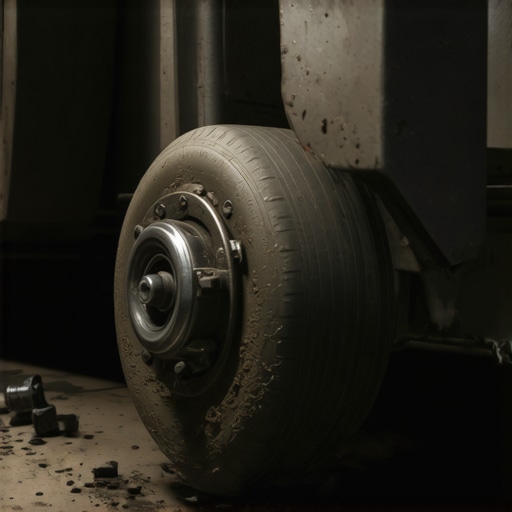
Wheel bearings are often the culprits behind clicking noises while turning. Jack up one wheel at a time and grasp the tire at the 12 and 6 o’clock positions. Wiggle the tire; if you feel excessive play or hear squeaking, the bearing may be worn. Replacing a wheel bearing can seem intimidating, but many ASE-certified mechanics recommend checking them periodically, especially if you hear metallic sounds when turning. For a quick at-home test, listen for a grinding or rough noise that increases with vehicle speed.
Evaluate Your Power Steering System
Low fluid levels or a failing power steering pump can cause clicking sounds during steering maneuvers. Check the power steering fluid reservoir and top it off with the manufacturer-recommended fluid if needed. A burnt smell under the hood might hint at transmission fluid issues affecting your steering system. If the fluid level is fine, listen for whining or squealing noises, which could point to a worn pump. Diagnosing this early with a simple fluid check can prevent more serious damage.
Test the CV Joints for Play
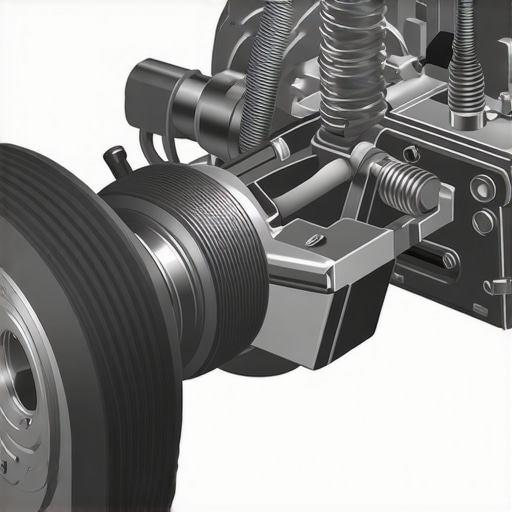
Constant velocity (CV) joints connect the transmission to the wheels and allow smooth turning. If your car exhibits clicking only during sharp turns, worn CV joints might be responsible. To test, gently lift the front wheel and try to move the shaft in and out or side to side. Excessive movement indicates worn joints. Replacing CV axles can be complex, so consulting an ASE-certified technician ensures correct diagnosis and repair—avoiding unnecessary replacements.
Consider a Professional Diagnosis for Persistent Noise
If your inspection doesn’t reveal obvious issues or the clicking persists, it’s time to consult a mechanic. Professionals use specialized tools like a chassis ear or infrared thermometer to pinpoint the exact source of the noise. Remember, regular maintenance like checking ASE certification of your technician can give you confidence in their expertise. Diagnosing complex steering or suspension problems early will save you money and keep your drives safe.
Many car owners believe that following simplistic advice ensures a vehicle’s longevity, but this couldn’t be further from the truth. One widespread misconception is that all ASE certifications are equal in quality; in reality, some certifications are outdated or improperly verified, which can lead to relying on technicians who lack recent training. Always verify an ASE mechanic’s certification through trusted sources like [this online tool](https://autofixclinic.com/how-to-verify-an-ase-certification-number-online). Another myth is that oil changes should be strictly every 3,000 miles; modern synthetic oils can often last 7,000 to 10,000 miles if your driving conditions are normal, but neglecting to check your oil’s condition can still cause premature engine wear, especially if you have high mileage or short trips. Beware of the trap of overfilling your transmission fluid, which can lead to increased pressure, leaks, and eventual failure—learn how to correctly check and top off your transmission [here](https://autofixclinic.com/how-to-tell-if-your-transmission-needs-a-simple-fluid-top-off-or-a-full-rebuild). Many assume that routine maintenance like oil changes prevents serious issues, but ignoring symptoms like burnt smells from the transmission fluid or strange noises can result in catastrophic failures that are much more costly to repair. Advanced car care involves recognizing subtle warning signs that most overlook, like the burnt sugar smell indicating transmission fluid is failing or a slight delay in gear shifts signaling impending transmission rebuilds. How do you know if your maintenance routine covers all critical bases? Regular diagnostics, including professional inspections, can reveal Hidden problems before they escalate.
One sneaky mistake some make involves neglecting the nuances of oil type and quality. Synthetic oils aren’t just marketing hype—they can significantly reduce engine wear and sludge buildup, especially in high-mileage engines or turbocharged setups. Moreover, switching to the wrong oil grade because of misinterpretations can cause increased friction and wear. Stay informed and consult professional recommendations or your owner’s manual before making a switch.
Consider the advanced issue of your vehicle’s suspension components, particularly bushings. Road salt accelerates corrosion, leading to the premature failure of suspension bushings, which in turn affects handling and comfort. Regularly inspect your suspension with this [visual guide](https://autofixclinic.com/how-road-salt-quietly-eats-your-suspension-bushings), and don’t fall into the trap of thinking only obvious damage warrants attention. Tiny cracks or corrosion can silently diminish safety and performance.
What about the misconceptions related to transmission service? Many think that a simple fluid change suffices, but in reality, some issues require a complete rebuild or specialized diagnostics, especially if your vehicle exhibits slippage or delayed shifts. For high-mileage cars, knowing whether to perform a flush or a drain-and-fill can make the difference in longevity—learn more about these processes [here](https://autofixclinic.com/the-difference-between-a-transmission-flush-and-a-drain-and-fill). Remember, early diagnosis can save thousands and keep your car running smoothly.
Finally, advanced car owners are aware that small signs like the smell of burnt toast under the hood or strange vibrations can be early warnings of serious problems. Don’t ignore the subtle cues; instead, use them as motivation to perform thorough inspections and avoid costly repairs down the line.
Have you ever fallen into this trap? Let me know in the comments. The key to reliable vehicle maintenance lies in understanding these nuances and resisting the urge to settle for superficial fixes or outdated advice.Maintaining your vehicle over the long term requires more than just basic knowledge; it demands the right tools, reliable methods, and an understanding of evolving technology. As an ASE-certified enthusiast myself, I emphasize investing in high-quality diagnostic and repair equipment that ensures precision and durability. For diagnosing complex issues like transmission misbehavior or subtle oil leaks, I rely on an automotive scan tool such as the **Autel MaxiCOM**. This device offers comprehensive fault code retrieval and live data monitoring, enabling me to identify problems like burnt transmission fluid or clogged catalysts with confidence. Over the years, I’ve found that pairing this hardware with professional-grade software, like **OBDLink**’s mobile app, streamlines my troubleshooting process, especially during on-the-spot diagnostics for oil or transmission fluids, which can be done swiftly at home. Looking ahead, the trend is moving toward integrated vehicle health management systems that communicate directly with smartphones, reducing the need for external scanners. To keep your car running smoothly, I recommend customizing your toolkit with trusted brands and staying updated with software updates to adapt to new vehicle models. How do I maintain my vehicle’s performance over time? Regularly schedule comprehensive inspections; I recommend quarterly checks of vital components like transmission fluid levels and steering linkage condition, referencing detailed guides such as [this](https://autofixclinic.com/how-to-verify-an-ase-certification-number-online). Additionally, always keep an eye on fluid color and smell—like noticing burnt odor—which could signal an early transmission or oil issue before major failures occur. One advanced tip I personally swear by involves performing a **transmission fluid test** using a hydraulic fluid tester kit. This simple, cost-effective device lets you determine if your transmission fluid retains its proper viscosity and dielectric properties—key indicators of health. Incorporate this check into your routine to catch problems early, potentially avoiding costly rebuilds. As automotive systems become more sophisticated, leveraging diagnostic tools becomes vital. Think of your tools as your first line of defense against unexpected breakdowns. Investing in an **ASE-certified** diagnostic scanner, such as the **BlueDriver Bluetooth Scanner**, can bridge the gap between DIY and professional diagnostics, reducing reliance on guesswork and helping you make informed repair decisions. For long-term benefits, consider scheduling periodic professional inspections, especially for transmission and steering components prone to wear, and consult trusted resources like the detailed diagnostic procedures outlined [here](https://autofixclinic.com/how-to-diagnose-a-clogged-catalytic-converter-from-your-drivers-seat). Remember, consistent monitoring coupled with the right tools extends your vehicle’s lifespan and keeps it performing at its best. Don’t hesitate to try out the hydraulic transmission fluid testing method—it’s a game-changer for proactive maintenance, saving you time and money in the future.
How My Perspective Shifted When I Realized the Power of Early Detection
One of the most valuable lessons I learned is that paying close attention to subtle noises and symptoms can save you from costly repairs. I once ignored a faint clicking during turns, assuming it was minor wear. It wasn’t until I understood how small issues like worn tie rod ends can escalate that I started addressing problems proactively. This experience taught me the importance of regular inspections and trusting your intuition about your vehicle’s sounds and behaviors.
Why Trusting Simple Tools Changed My Entire Maintenance Routine
Using a basic hydraulic fluid tester kit to evaluate transmission fluid condition opened my eyes to how straightforward diagnostics can prevent major failures. By checking fluid viscosity and dielectric properties regularly, I was able to spot early signs of impending transmission issues. Investing in trusted tools and understanding how to use them has empowered me to handle maintenance confidently, knowing I’m acting before problems become critical.
The Hard-Won Wisdom of Not Relying Solely on Certifications
While ASE certification is a mark of professionalism, I learned that verifying their credentials through reliable online resources is crucial. I’ve encountered shops that claimed expertise but lacked up-to-date knowledge or genuine certification. Checking certification status through trusted channels ensures you get technicians who stay current with evolving vehicle technology, ultimately protecting your investment and peace of mind.
How Embracing Continuous Learning Keeps Your Car Running Smoothly
Staying informed about common misconceptions—like the myth that synthetic oils last forever—allows me to make smarter decisions. Reading practical guides and detailed articles helps me distinguish between misleading myths and facts, such as the importance of checking service intervals based on driving habits. This ongoing education transforms maintenance from a chore into a proactive strategy that extends your vehicle’s life.
Resources That Elevated My Car Care Game
- Autel MaxiCOM Diagnostic Scanner: Powerful, user-friendly, and reliable, this tool provides comprehensive fault code readings and live data. It’s been instrumental in diagnosing tricky issues without rushing to the mechanic.
- Oil Test Kits: Simple, cost-effective, and revealing, they help me monitor the condition of transmission and engine oils, catching early symptoms of wear and tear.
- Trusted Online Certification Verification: Ensures that my chosen ASE-certified technicians are qualified, giving me confidence in their expertise.
- Educational Resources from Autofix Clinic: In-depth articles and guides have expanded my understanding, especially on diagnosing complex problems like a failing catalytic converter or a slipping transmission.
Your Move: Be the Owner Who Knows Their Vehicle Best
Taking charge of your car’s health with knowledge and the right tools is empowering. Regular diagnostics, whether at home or professionally, can save you significant time and money. Remember, early detection is your best defense against costly repairs. Don’t wait until that familiar click turns into a breakdown—start your proactive maintenance today and keep your vehicle running smoothly for miles to come!