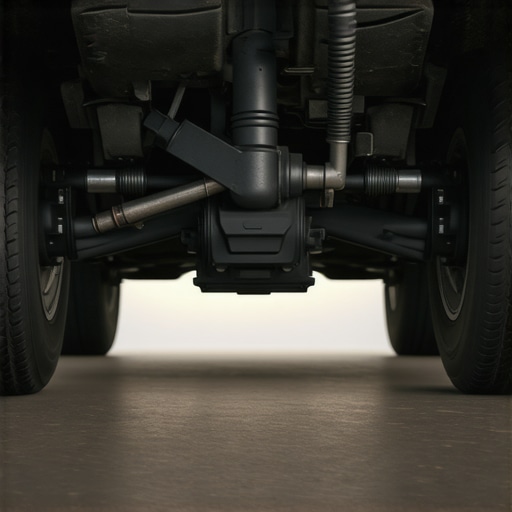
The real reason your brake pedal feels like a wet sponge
It was a chilly Saturday morning when I first noticed it—my brake pedal felt softer than usual, almost as if I’d pressed on a sponge soaked in water. Panic set in for a split second. How could my stopping power diminish so suddenly? I’ve been a bit of a car enthusiast for years, but even I was caught off guard by how unsettling a sensation like that can be. It made me realize one thing: when your brakes feel off, everything else on the road feels just a little more dangerous.
Cracks in Your Braking Confidence: The Hidden Culprit Behind a Spongy Brake Pedal
Most drivers don’t think about their braking system until something feels wrong. That soft, unresponsive pedal is more than just a minor inconvenience—it’s a clear sign that something needs immediate attention. Why does this happen? Well, often it’s because air has sneaked into the brake lines, or there’s moisture in the brake fluid causing a decline in braking efficiency. I learned early on that ignoring these symptoms can lead to costly repairs or, worse, accidents.
One mistake I made initially was dismissing the problem as just a old brake pad or a simple bleed. Turns out, it’s more complex than that. It could be a symptom of water contamination in the brake fluid, which can happen if you haven’t serviced your brakes regularly. Contaminated brake fluid doesn’t just compromise braking—it can also damage your calipers and rotors over time. That’s why staying proactive with your maintenance is crucial.
If you’re wondering whether this is just a minor glitch or something serious, you’re not alone. Many drivers experience this at some point, especially in regions with high humidity or during winter months when moisture accumulates in brake lines. For a deeper dive into how brake systems work and what might be behind that spongy feel, check out this comprehensive guide on brake troubleshooting.
Now, knowing the symptoms is one thing. The next step is understanding how to address them effectively—without rushing to the nearest repair shop and overspending. Let’s explore the common causes of a soft brake pedal and what you can do about it to regain confidence on the road.
Pinpoint the Cause of Your Soft Brake Pedal
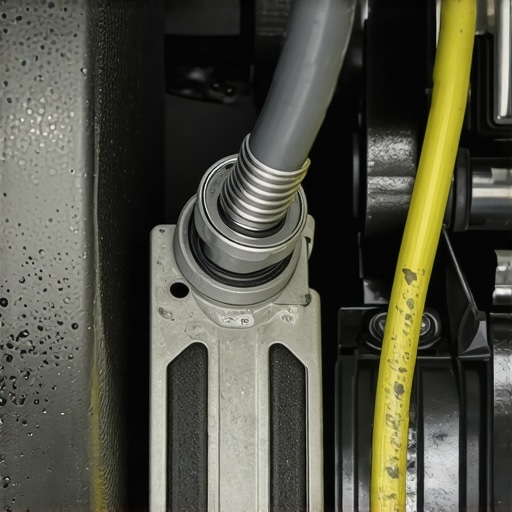
Start by inspecting your brake fluid level. If it’s low, top it off with the correct type specified in your owner’s manual. Next, look for leaks around brake lines, calipers, and wheel cylinders; any wet spots indicate a potential leak that needs repair. I once noticed a slight puddle under my car after a drive, which led me to find a cracked rubber hose that needed immediate replacement. Address leaks promptly to restore brake feel and safety.
Bleed the Brakes to Remove Air
Air in the brake lines is a common culprit for a spongy pedal. To bleed the brakes, you’ll need a helper and a wrench. Start with the wheel farthest from the master cylinder, typically the right rear, then move to the left rear, right front, and left front. Loosen the bleeder screw and have your assistant press the brake pedal slowly; when they hold it down, tighten the screw. Repeat until you see clear, bubble-free brake fluid. This process may take 10-15 minutes. I once did this in my driveway, and the difference in pedal firmness was immediately noticeable.
Flush and Replace Old Brake Fluid
Old, contaminated brake fluid can cause moisture buildup, leading to corrosion and brake failure. Use a brake fluid tester to check the condition; if it’s dark and hygroscopic, a flush is necessary. Connect a clear hose to the bleeder valve, place the other end into a container, and pump new brake fluid through the system until it runs clean. Regular brake fluid replacement, typically every 2-3 years, can prevent these issues. For insight into maintaining your vehicle’s transmission, which also impacts safety, see this guide.
Inspect and Replace Brake Components
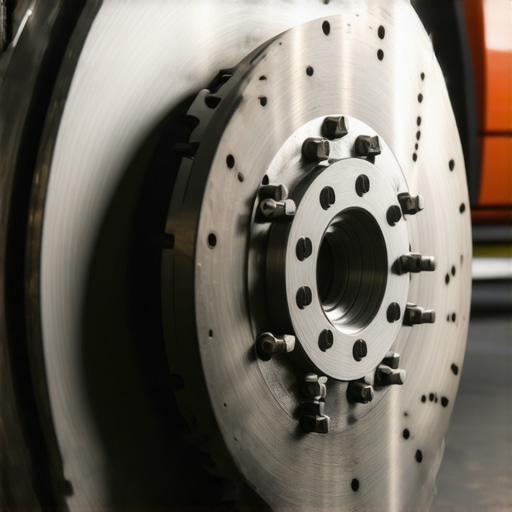
Check the brake pads for uneven wear, and replace if they’re below the minimum thickness; uneven wear may indicate caliper issues. Examine rotors for grooves, cracks, or warping—machining or replacing may be required. Don’t overlook calipers and wheel cylinders; stuck or leaking parts can compromise braking performance. During my own brake service, I replaced worn pads and resurfaced rotors to restore proper pedal feel. Regular inspections help catch problems early and keep your brakes responsive.
Test Drive and Final Checks
After completing the repairs, carefully test your brakes in a controlled environment. Pump the pedal several times to seat the pads against the rotors, then gently accelerate in a safe area and apply the brakes firmly. The pedal should feel firm and responsive. If it still feels soft or spongy, re-bleed the system or consult a professional. Proper brake maintenance is not just about comfort—it’s essential for safety. Remember, regular oil changes, like those detailed in this article, keep your vehicle running smoothly, indirectly supporting your braking system’s health.Many car owners believe that simply scheduling regular oil changes and trusting ASE-certified technicians guarantees long-term vehicle health. However, this oversimplification can be a costly mistake. In reality, understanding the nuances of proper maintenance and the hidden pitfalls can save you money and extend your vehicle’s lifespan.
One common misconception is that all oil changes are created equal. While regular oil replacement is vital, using the correct type of oil and the right filter matters immensely. For instance, modern turbocharged engines demand high-quality synthetic oils and specific filters, as those designed decades ago are no longer sufficient. Failing to meet these requirements not only accelerates engine wear but also leads to engine deposits that impair performance. For expert guidance, check out this article.
Many drivers also assume that ASE certification guarantees flawless service. While it’s a mark of professional competence, it doesn’t automatically mean the technician has expertise in every system, especially newer or more complex ones like CVTs or hybrid drivetrains. Be cautious of shops that rely solely on standard ASE certification without specialized training. A more nuanced approach involves verifying their experience with specific vehicle makes and models—an idea elaborated in this guide.
Another trap is the belief that transmission issues are always obvious or that a simple flush fixes everything. In truth, modern transmissions often develop subtle internal problems that a routine flush cannot resolve. Shockingly, neglected or delayed transmission fluid changes can lead to component fatigue and eventual internal damage. For advanced drivers, inspecting transmission temperature and fluid condition with proper tools is essential, as explained in this resource. Recognizing early signs of transmission trouble can prevent expensive repairs.
What many overlook is that maintenance is an ongoing process requiring more than just plan adherence. It involves recognizing the signs of wear, understanding the impacts of component choices, and avoiding shortcuts. For example, opting for cheap, low-quality filters during oil changes might seem economical but can cost you more in the long run through engine damage. Regular inspections and staying informed enable proactive care, which is why proximity and reputation matter—consider scheduling a consult at our service center.
Never forget the importance of timely service and accurate diagnostics. Engine oil, transmission fluid, and filters are just the beginning — each component requires tailored attention. For instance, a high-mileage engine benefits from full synthetic oils and specialized cleaning additives, as discussed here: full synthetic cycles. These advanced practices boost performance and prevent premature failure.
In conclusion, mastering the subtleties of vehicle maintenance means going beyond basic routines and understanding the complex interplay of system specifics. Challenge yourself to learn more about your car’s needs, ask detailed questions, and avoid common pitfalls. Have you ever fallen into this trap? Let me know in the comments.Maintaining your vehicle’s health over the years isn’t just about following basic service intervals; it requires the right tools and consistent practices. I personally prioritize specific equipment that ensures accurate diagnostics and effective repairs. For example, I rely heavily on a high-quality scan tool like the Autel MaxiSYS series, which allows me to access advanced diagnostic modes and reset service lights efficiently. This isn’t just about reading codes; it’s about understanding the root causes of issues like transmission slip or engine misfire, which might otherwise be overlooked without proper tools.
How do I maintain car health over time?
Regular fluid analysis kits, such as those from Liqui Moly, help me monitor oil and transmission fluid condition between oil changes. I perform oil analysis every 5,000 miles, which informs whether a conventional oil change suffices or a synthetic cycle upgrade is necessary, as discussed in this article. Consistent use of quality equipment combined with routine inspections keeps my vehicle running smoothly and prevents costly repairs. Looking ahead, I predict that diagnostic software integrated with AI will become more accessible, enabling even amateur car owners to detect issues early. Don’t hesitate to invest in a reliable scan tool; trying out a basic code reader today can significantly boost your confidence in maintaining your vehicle on your own.
What I Wish I Knew About Car Maintenance Before My First Repair
Early in my driving journey, I underestimated the importance of routine checkups and trusted my mechanic blindly. The real lightbulb moment came when I faced a costly transmission issue that could have been prevented with a simple fluid change. Now I realize that understanding the nuances of car service, like knowing which oils and filters are appropriate, empowers me to make smarter decisions.
How Partnering with the Right Tools Transformed My Vehicle Care Approach
Investing in quality diagnostic equipment, like a reliable scan tool, has been a game-changer. It allows me to detect issues early and verify if repairs are done properly—saving time and money. These tools give me confidence, especially when dealing with complex electronic systems or confirming whether a professional performed a proper fluid flush, as explained in this article.
The Relationship Between Knowledge and Confidence in Car Maintenance
Every successful repair or maintenance task boosts my confidence and teaches me that being informed is the best defense against costly mistakes. Understanding that not all certifications are equal, and that specialized training counts, encourages me to seek experienced technicians—something I uncovered through this guide. It’s about building a partnership based on trust and expertise.
Embracing Continuous Learning to Keep Your Car in Peak Condition
Car care isn’t a one-and-done task; it’s an ongoing journey. By reading reputable sources, performing regular inspections, and staying curious, I stay ahead of potential issues. For example, knowing when to replace brake fluid or how to identify early signs of transmission trouble can extend your vehicle’s lifespan—details I’ve improved upon by exploring this article.
The Power of Taking Ownership in Vehicle Maintenance
Most importantly, I’ve learned that taking ownership of my car’s health—asking questions, understanding the basics, and not hesitating to seek second opinions—makes me a more confident driver. It’s empowering to know you can prevent many problems with simple, proactive steps, like topping off fluids or checking for leaks. What’s one maintenance habit you’ve started that made a difference? Share below, and let’s grow together in this knowledge journey.