The signs your master cylinder is about to give up
You know that sinking feeling when you’re cruising down the road and suddenly, your brake pedal feels softer than usual? Or maybe you’ve noticed a little sponginess that wasn’t there before. I remember the moment I first realized something was off—my brake pedal went all the way to the floor during a cautious stop, and a wave of panic hit me. It was a lightbulb moment: my master cylinder might be giving up.
As a car enthusiast who’s been around the block a few times, I can tell you that recognizing the early signs of a failing master cylinder can save you from costly repairs and dangerous situations. Today, I’ll walk you through the telltale symptoms that your master cylinder is nearing the end of its life. Once you understand what to look for, you’ll be better equipped to catch trouble early and keep your vehicle safe.
Why Paying Attention to Brake Feel Matters More Than You Think
The master cylinder is the heart of your brake system, converting your pedal press into hydraulic pressure that activates your brakes. Think of it as the control center; if it falters, your entire stopping ability is compromised. When I was just starting to learn about cars, I made the mistake of dismissing minor changes in brake feel, assuming they were just quirks or air in the lines. That’s a mistake I don’t want you to make.
Experts emphasize that early detection of master cylinder issues can prevent complete failure. In fact, according to automotive safety studies, brake system problems are among the leading causes of accidents caused by vehicle maintenance neglect. Regularly inspecting and understanding the signs of a failing master cylinder can be a game-changer for your safety.
Are you noticing any of these signs? If so, don’t ignore them. Sometimes the tiniest clue is your vehicle’s way of screaming, “I’m struggling here!” Plus, skipping these warning signs can lead to more expensive repairs down the line—like replacing your entire brake master cylinder or even your brake booster.
To get ahead of the problem, it’s essential to be vigilant about how your brakes feel and perform. And if you’re wondering whether a minor issue is worth fixing, check out this insightful guide on choosing the right car service for your vehicle’s needs. Remember, routine maintenance and early detection make all the difference in extending your car’s lifespan and keeping your family safe on the road.
Now, let’s dive into the most common signs that might indicate your master cylinder isn’t long for this world.
Inspect Your Brake Pedal Behavior
Start by testing how your brake pedal feels. If it sinks slowly to the floor or feels soft and spongy, this indicates air or insufficient hydraulic pressure, often caused by a failing master cylinder. Apply gentle pressure and observe any abnormal softness or travel. I once noticed this during a routine drive; the pedal’s sinking sensation prompted me to investigate further, preventing potential brake failure.
Check for Brake Fluid Leaks
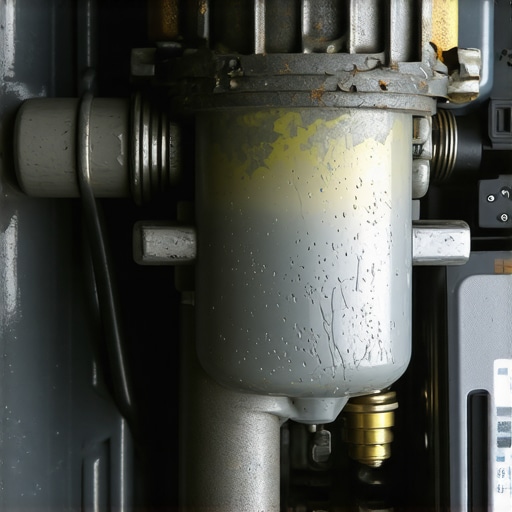
Locate the master cylinder reservoir, usually positioned on the engine bay’s driver side. Examine the area closely for any fluid leaks or wetness around the cylinder or nearby components. Leaks here often mean internal seal failure within the master cylinder. Be sure to wear gloves and wipe away dirt for clear visibility. I found a small puddle under my vehicle after noticing the brake fluid warning light, leading me to discover a leaking seal.
Assess Brake Fluid Condition and Levels
Remove the reservoir cap and inspect the fluid’s color and level. Brake fluid should be clear or slightly amber; darkened or murky fluid indicates contamination. An unexpectedly low level—even if no visible leaks are present—might suggest internal seal failure or internal leakage. Regularly checking fluid helps catch problems early. For detailed guidance on brake system maintenance, visit this resource.
Perform a Pressure Test
Disconnect the brake lines from the master cylinder and connect a pressure gauge (preferably one designed for automotive use). Have someone press the brake pedal while you monitor the gauge. A normal pressure reading indicates the master cylinder can generate adequate hydraulic pressure. If pressure drops quickly or is inconsistent, the master cylinder may be internally damaged. I once used this method when a mechanic suspected a master cylinder issue; the pressure plummeted, confirming the diagnosis.
Test the Brake Pushrod
Safely lift your vehicle and remove the wheel for easy access to the master cylinder. Check that the pushrod moves freely and isn’t stuck or binding. A stuck pushrod can mimic master cylinder failure, but fixing it involves simple adjustments. I fixed a sticking pushrod during a brake inspection, which restored proper pedal feel and delayed costly repairs.
Bleed the Brake System
If the fluid is contaminated or air has entered the lines, bleeding the brakes can restore pressure. Use fresh brake fluid matching your vehicle’s specifications. Attach a clear tube to the bleeder valve, open it slightly, and pump the brake pedal several times until the fluid runs clear without air bubbles. If bleeding doesn’t improve pedal feel, the master cylinder likely needs replacement. For detailed bleeding procedures, consult expert tips.
Consider Replacement if Necessary
When tests confirm internal failure—such as persistent loss of pressure or leaks—you’ll need to replace the master cylinder. Choose a high-quality, OEM-approved part for longevity. Before installation, verify that the new component matches your vehicle’s specifications. If you’re unsure, professional assistance from a certified technician can prevent future issues. To find reputable service providers, check this contact page.
Bleed and Test the System Post-Replacement
After installing the new master cylinder, bleed the entire brake system thoroughly to remove air. Test your brakes gradually in a safe environment to ensure firm pedal feel and proper hydraulic pressure. Regular testing and maintenance can prolong your brake system’s life. Remember, if you’re learning about car maintenance, understanding transmission issues can be equally valuable — explore transmission troubleshooting.
Many car owners operate under misconceptions about transmission technology and routine services, often leading to costly mistakes. Contrary to popular belief, not all transmissions require the same level of care; for instance, modern CVTs demand specific maintenance routines that differ significantly from traditional automatics, a fact highlighted in automotive research. Neglecting these nuances can cause premature failure; an ASE certified technician, for example, can diagnose subtle signs of wear that laypeople might overlook. Furthermore, common myths like “regular oil changes aren’t crucial” are actually dangerous, as detailed in resources emphasizing that consistent oil maintenance extends vehicle lifespan. One trap many fall into is believing that car service is merely about changing fluids; however, a comprehensive inspection entails analyzing transmission fluid condition, seals, and internal components—steps that safeguard your transmission’s health. Advanced car care recognizes that even seemingly minor issues, such as slight gear shift hesitations, may signal deeper problems only an experienced technician can detect. Don’t assume your vehicle’s health based solely on visible symptoms; instead, invest in a diagnostic approach rooted in expertise and proper knowledge. Have you ever fallen into this trap? Let me know in the comments. To ensure your maintenance routines are spot-on, consider consulting professionals who are ASE certified and understand the subtle intricacies that keep your car running smoothly. Remember, staying informed about these hidden nuances can save you from costly repairs and keep your vehicle performing at its best.
Keeping It Working: Essential Tools for Car Care
Maintaining your vehicle’s transmission, brakes, and other systems requires precision and the right equipment. I personally swear by a high-quality diagnostic scanner like the Autel MaxiCOM, which allows me to read and clear error codes, monitor live data, and troubleshoot sensors efficiently. This tool has saved me countless trips to the mechanic by catching issues early, especially with complex systems like your transmission or engine control modules. ASE certified technicians rely on such advanced diagnostic tools to ensure every aspect of your vehicle functions optimally.
For fluid analysis, I recommend a hydraulic pressure tester specific to automotive brake and clutch systems. This device helps me verify if the hydraulic system maintains proper pressure, which is crucial for diagnosing problems such as master cylinder failure. Using this tester ensures that I don’t replace parts prematurely and helps in making informed maintenance decisions. Regular oil changes combined with pressure testing extend the lifespan of critical components.
In the long run, employing these tools translates into better outcomes, fewer emergency repairs, and a smoother driving experience. As technology advances, I foresee an increasing integration of smart diagnostic systems that connect your vehicle directly to your smartphone for real-time alerts and maintenance schedules. Embracing these innovations now will prepare you for future-proof car ownership.
How do I maintain transmission health over time?
Performing regular transmission fluid analysis, scheduling professional inspections, and staying alert to shifting irregularities can significantly extend your transmission’s life. Using a diagnostic scanner to monitor shift patterns can alert you to early signs of wear, like shuddering or slipping, allowing for timely intervention. Investing in quality tools and routine checks now will save you from costly repairs later. I highly recommend trying out a comprehensive diagnostic scan every six months as part of your maintenance routine to catch issues early before they escalate.
Over the years, I’ve learned that the smallest clues often tell the biggest stories about your vehicle’s health. One lesson that profoundly shaped my approach to maintenance is understanding how a failing master cylinder silently jeopardizes your safety. Trust me, catching its warning signs early can save you not only money but genuine peace of mind on the road.
What I Wish I Knew About Transmission and Car Service Secrets
- Not all brake issues come from the pads or rotors: Sometimes, the root cause is the master cylinder hiding internal damage, and overlooking this can lead to catastrophic failure. Recognizing subtle pedal softness or sinking can be the first step toward prevention.
- Routine brake fluid checks are your best friend: Regularly inspecting fluid clarity and levels in the reservoir might seem trivial, but it’s a window into unseen internal problems. A dark, contaminated fluid often signals imminent master cylinder trouble.
- Don’t ignore the squeals and sponginess: These symptoms are not just minor nuisances—they’re alarm bells that your hydraulic system is under duress, and the master cylinder could be the culprit.
- DIY pressure testing can be a game-changer: Using a pressure gauge after a quick tutorial can help you determine if your master cylinder maintains proper hydraulic pressure, guiding when professional help is necessary.
- Know when to seek professional help: A certified technician with experience in ASE standards can diagnose subtle signs that even keen eyes might miss, ensuring your safety isn’t compromised.
Tools That Turn Car Maintenance Into Confidence
- Diagnostic scanners: Devices like the Autel MaxiCOM enable you to monitor critical systems in real-time. I trust this because it simplifies complex diagnostics and often alerts me to issues before they escalate.
- Hydraulic pressure testers: Essential for verifying the performance of your brake system. This tool is invaluable in confirming whether your master cylinder is operational or on the verge of failure.
- Quality brake fluid: Upgrading your brake fluid to OEM specifications ensures optimal hydraulic performance and longevity.
- Proper maintenance manuals: Having reliable guides, especially for bleeding and fluid replacement, helps you DIY with confidence and precision.
Take Action Today and Keep Your Brake System in Peak Condition
Understanding and monitoring your transmission, oil change, and car service routines aren’t just about maintaining comfort—they’re about safeguarding your life. When you detect early signs of hydraulic issues, you gain the power to act before costly repairs or accidents occur. Stay curious, stay vigilant, and don’t hesitate to leverage the right tools and expert assistance when needed. Remember, your vehicle’s health depends on the attention you give it today.
The Unexpected Lessons That Can Save Your Drive
- One of the hardest lessons I’ve learned is that silent symptoms often hide the most dangerous problems. For example, a slowly sinking brake pedal doesn’t just indicate a minor leak—it hints at potential internal seal failure that, if ignored, could lead to total brake failure when you least expect it.
- Another realization is that trusting routine checks can be the difference between a smooth ride and a roadside emergency. Simple inspections of brake fluid and pedal feel are easy yet crucial steps that offer powerful insights into your master cylinder’s health.
- And finally, seeking expert help isn’t a sign of weakness but of wisdom. Certified technicians use sophisticated tools and their experience to diagnose issues beyond the obvious—trusting their insights can prevent disaster and extend your vehicle’s life.
Ready to Take Control of Your Transmission and Brake Health?
Every journey is safer and more enjoyable when your vehicle functions optimally. Now that you understand the subtle signs of master cylinder failure and have the right tools at your disposal, you’re better equipped than ever to keep your car in top shape. Let curiosity drive your learning—your vehicle and your loved ones depend on it.
What symptoms did you notice that made you suspect a brake or transmission issue? Share your story below and let’s learn together!