The dangerous reality of delayed transmission fluid changes
One morning, I turned my key, expecting the usual smooth start, but instead, I was greeted with a strange clunking noise and a sluggish sensation that felt unfamiliar. That moment of dread hit me hard because I realized I had neglected the essential maintenance on my car—the transmission fluid change. It was a lightbulb moment that revealed how overlooking something as simple as fluid could lead to costly repairs and unexpected breakdowns.
Why Skipping Transmission Fluid Changes Can Cost You Dearly
Many drivers don’t realize that transmission fluid isn’t just there for lubrication; it also helps cool your transmission, clean internal components, and protect against wear. When you delay this vital service, the fluid degrades, losing its ability to perform these functions effectively. Over time, contaminated or old fluid can cause shifting problems, slipping, overheating, and even transmission failure. I’ve seen firsthand how a neglected fluid change can turn a manageable issue into a major repair, often costing thousands.
Have You Faced This Frustration? Here’s Why It Matters
In my early days of car ownership, I mistakenly thought that transmission fluid was a lifetime deal and didn’t need regular checks. That was a costly assumption. According to industry experts, failing to change your transmission fluid can accelerate wear on critical parts, reducing your vehicle’s lifespan and reliability. For instance, did you know that some signs of impending transmission failure—like slipping or unnatural noises—could be prevented with a simple fluid change? To understand the real impact, check out this article that debunks some lifetime fluid myths.
So, why does this topic matter to you? Because your car’s health is directly linked to your safety and wallet. Ignoring routine maintenance might seem convenient or insignificant, but the long-term consequences can be severe. In the next sections, I’ll guide you through how to spot the warning signs and ensure this critical service doesn’t slip through the cracks. Whether you’re a seasoned driver or new behind the wheel, understanding this can save you from expensive surprises and keep your vehicle running smoothly for years to come.
Prepare Your Tools and Environment
Before diving in, gather everything you’ll need: a socket wrench set, a transmission fluid pump, a drain pan, gloves, safety glasses, and the correct transmission fluid type specified in your vehicle’s manual. Park your car on a level surface and ensure the engine is cool to prevent burns. Familiarize yourself with your vehicle’s undercarriage and locate the transmission pan.
Drain Old Transmission Fluid
Loosen the Drain Plug and Let It Flow
Use a socket wrench to carefully loosen the transmission pan bolts, starting from the corners to allow the fluid to drain gradually. Place the drain pan beneath the drain plug or pan edge. Be prepared for a mess—old fluid is messy and may contain contaminants. I once forgot to wear gloves and had to clean sticky fluid off the garage floor. Ensuring the drain pan is correctly positioned prevents spills and makes cleanup easier.
Replace the Transmission Filter and Gasket
Remove the Transmission Pan
Once the fluid has drained, fully remove the remaining bolts and take off the transmission pan. Carefully detach the old filter if accessible. Clean the pan thoroughly with a lint-free cloth and inspect the gasket; replace it if damaged or brittle. Remember, a clogged filter restricts fluid flow, reducing transmission efficiency—akin to a clogged artery in your body.
Refill with Fresh Transmission Fluid
Use a Fluid Pump for Precise Filling
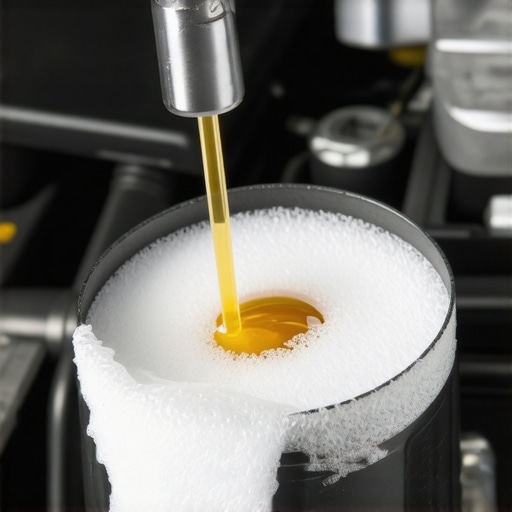
With the pan reattached and gasket in place, use a transmission fluid pump to add the recommended amount of new fluid through the fill port. Be cautious not to overfill; too much fluid can cause foaming and transmission issues. An ASE-certified mechanic emphasized the importance of using the correct fluid type, as modern transmissions have specific requirements—some require special fluids not available at just any store. Check your owner’s manual or consult a trusted mechanic.
Verify and Test the Service
Start your engine and let it run for a few minutes, then shift through all gears to circulate the new fluid. Check the transmission fluid level with the dipstick or the fill check method specified for your vehicle. Adjust the level as needed. Drive the car gently, observing shifting behavior and listening for odd noises. This hands-on approach ensures your transmission benefits fully from the fluid change and extends its lifespan.
Remember, routine maintenance like this isn’t just preventive—it’s essential. For complex issues, always seek out an ASE-certified technician who specializes in transmissions, especially if unusual symptoms persist. Regular servicing can prevent scenarios that might otherwise lead to costly repairs, such as replacing a damaged transmission slipping during acceleration.
Watch Out for Warning Signs
If you notice any irregularities after your fluid change, such as delayed engagement, rough shifting, or strange noises, consult an expert promptly. Sometimes, these symptoms can be linked to deeper issues like a failing solenoid, which might be indicated by symptoms discussed here. Keeping your transmission in top shape ensures smooth driving and avoids costly repairs down the line.
Many car enthusiasts and regular drivers alike often cling to misconceptions that can cost them dearly in the long run. One pervasive myth is that transmission fluid doesn’t need changing because it’s designed to last for the life of the vehicle. However, experts, including ASE-certified technicians, emphasize that this belief oversimplifies a complex issue. Transmission fluid degrades over time, especially under high mileage or severe driving conditions, leading to increased wear, overheating, and eventual failure. Relying on the ‘lifetime’ myth can trap you into costly repairs or replacements that could have been largely avoided with proper maintenance. It’s crucial to understand that modern transmission fluids, despite improvements, still require periodic checks and replacements to ensure optimal performance.
Another misconception is that all automotive oils are interchangeable when, in fact, using the wrong type can cause significant damage. Many drivers opt for the cheapest oil available, thinking it will suffice. Yet, the viscosity, additive packages, and specifications are tailored for specific engine designs. Choosing an oil that doesn’t meet your vehicle’s requirements can lead to increased engine wear, sludge formation, and reduced fuel economy. ASE-certified technicians are trained to recommend the best oil type for your car, ensuring longevity and efficiency. Don’t fall for the trap of cheap oils; invest in quality to save money in the long haul.
When it comes to car servicing, many believe that routine maintenance is optional or can be postponed indefinitely. This is false, especially when considering advanced engine components and emission systems. Overlooking essential services like coolant flushes, brake fluid changes, and belt replacements accelerates wear and increases the risk of breakdowns. Modern cars are equipped with sensors that can detect early signs of component degradation, but only if maintenance is performed regularly.
One often overlooked aspect is choosing a service shop with ASE certification, particularly those specializing in complex electrical and electronic systems. ASE-certified technicians have undergone rigorous testing and continuous education, ensuring they can accurately diagnose and repair nuanced issues that untrained mechanics might miss. For example, problems like electrical gremlins or sensor malfunctions are often misdiagnosed, leading to unnecessary part replacements. To verify a shop’s credentials, you can check their ASE certification online, which adds a layer of assurance about the quality of service.
Making assumptions about car maintenance based on outdated practices or myths can lead to unnecessary expenses. Modern vehicles are sophisticated machines that require a nuanced understanding of their systems. Regular, targeted maintenance by qualified ASE certified professionals not only extends the lifespan of your car but also enhances safety and performance. Remember, a well-maintained vehicle is a safe vehicle.
Have you ever fallen into this trap? Let me know in the comments. Staying informed and questioning myths can save you money and keep your vehicle running smoothly for years to come.
Ensuring your vehicle remains in top condition requires not only understanding the fundamentals but also investing in the right tools and adopting effective methods. As someone passionate about long-term vehicle care, I rely on a combination of specialized equipment and software that streamline maintenance tasks and improve accuracy. In this section, I’ll share the specific tools I personally use, why they matter, and how they prepare you for future challenges on the road.
Why Quality Diagnostic Software Is Non-Negotiable
For modern vehicles, especially those with complex electrical systems, I recommend **Autel MaxiSys MS909**. This handheld diagnostic tablet provides comprehensive OBD-II scanning, bi-directional controls, and live data feed. I personally prefer it over generic scanners because it allows me to diagnose issues like faulty transmission sensors or engine misfires with precision. Its compatibility with a wide range of vehicle makes and models, including hybrids and electric cars, ensures I stay prepared regardless of what my garage throws at me. Additionally, I keep a subscription to OEM-specific firmware updates, which keep my diagnostic capabilities up-to-date and reliable. This foresight is essential as system complexities evolve, and I predict diagnostic software will become even more integral to daily maintenance.
Why a High-Quality Multimeter Means Accurate Troubleshooting
When verifying electrical issues—say, checking power supply to sensors or testing solenoid operation—I depend on a **Fluke 117** multimeter. Its auto-ranging feature and True RMS measurement ensure I get accurate readings quickly, saving time during troubleshooting. I’ve learned that cheap multimeters often give false readings, potentially leading to misdiagnosis. For tasks like diagnosing a failing transmission solenoid (more about this here), a reliable multimeter is invaluable. As vehicle electronics grow more intricate, investing in a robust multimeter helps me maintain high standards and avoid costly errors.
Long-Term Benefits: Regular Equipment Calibration and Software Updates
Just as important as having the right tools is maintaining their calibration. Regularly checking and calibrating your diagnostic devices and multimeters ensures ongoing accuracy. I schedule bi-annual calibration sessions, which could be done at authorized service centers or using calibration kits if you’re technically inclined. This proactive approach buys you peace of mind: precision in diagnostics, better maintenance decisions, and longer-lasting tools. Ultimately, as technology advances, calibration and updates will be the foundations of effective, future-proof vehicle care.
The Path Ahead: Embracing Automation and AI
Looking forward, I believe automation and artificial intelligence will revolutionize car maintenance. Future diagnostic software might automatically analyze data trends, predict failures, and suggest preemptive repairs, much like how predictive health monitoring works in medicine. As vehicles become more connected, tools that integrate with cloud platforms could diagnose issues remotely, reducing downtime and costs. Staying ahead in this landscape involves not only investing in current best-in-class equipment but also developing an understanding of emerging technologies.
How Do I Maintain Tools Over Time?
To ensure longevity and accuracy, I recommend regular cleaning, calibration, and firmware updates for your diagnostic equipment. Keep accessories like cables and probes in good condition, and replace any worn parts promptly. Moreover, subscribing to manufacturer updates guarantees your software recognizes the latest vehicle protocols. These practices, though seemingly simple, are critical; they prevent errors and extend the lifespan of your tools, ensuring reliable results when you need them most. For example, ensuring your diagnostic tools are calibrated prevents erroneous readings, which can lead to unnecessary repairs or overlooked issues. Try scheduling periodic calibrations and keeping your software current—your future self will thank you, especially when tackling complex repair scenarios like those discussed here.
3 Lessons That Changed How I Approach Car Care
- Assuming Lifetime Fluids Are Genuine: I once believed that modern transmission fluids lasted forever, but gears grind and clutches slip when I ignored regular changes. Learning the truth about these myths helped me save thousands and keep my transmission smooth.
- The Power of Diagnostic Tools: Relying solely on intuition or basic checks doesn’t cut it anymore. Investing in quality diagnostic software and calibration tools revealed hidden issues early, preventing costly repairs and giving me confidence in my maintenance approach.
- Choosing ASE-Certified Technicians Is Non-Negotiable: Knowing that ASE-certified techs have proven expertise changed my perspective. Their specialized training ensures complex electrical diagnostics and transmission repairs are handled right the first time, saving time and money.
Tools and Resources That Truly Make a Difference
- Autel MaxiSys MS909: This comprehensive diagnostic tablet is my go-to for complex electrical system checks. It provides accurate readings and bi-directional controls, essential for modern vehicles.
- Fluke 117 Multimeter: Precision matters when troubleshooting sensors or circuit issues. This multimeter guarantees reliable readings, avoiding unnecessary replacement parts and guesswork.
- OEM Firmware Updates: Subscribing to manufacturer updates keeps my diagnostic software current, ensuring compatibility with the latest vehicle systems.
- Calibration Kits and Maintenance: Regular calibration of my tools preserves accuracy, which is critical for avoiding misdiagnoses that lead to unnecessary repairs.
Embrace the Journey—Your Car Keeps You Moving
Understanding the nuances of transmission care and trusting certified professionals transforms the way you maintain your vehicle. It’s not just about avoiding breakdowns; it’s about empowering yourself to make informed decisions that save money and extend your car’s life. Remember, each maintenance step is an investment in your safety and peace of mind. So, step confidently into your next service appointment or DIY project, knowing you have the knowledge to keep your vehicle in top shape for years to come. How have your experiences with transmission maintenance shaped your trust in ASE-certified technicians? Share below—I’d love to hear your story.