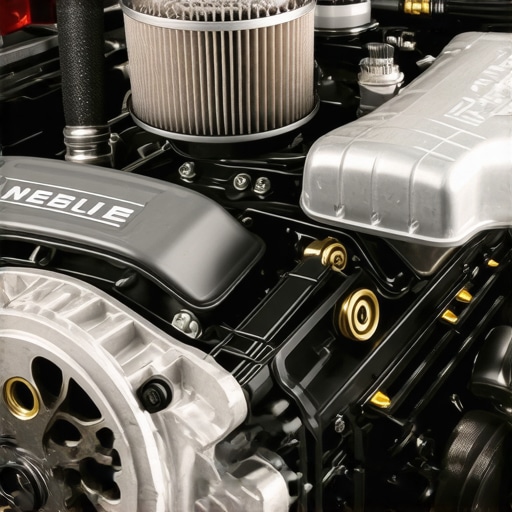
The Truth About 10,000 Mile Oil Change Intervals
I vividly remember the shock of hearing that my car’s engine oil was supposedly good for up to 10,000 miles. Honestly, I felt a mix of relief and skepticism. Relief because fewer oil changes would save me time and money, but skepticism because my past experiences suggested otherwise, especially after hearing strange rattles and noticing sluggish acceleration. One day, during a routine drive, my engine warning light flickered on — a stark reminder that trusting generic intervals without understanding my vehicle’s needs could be costly.
Why This Topic Is More Important Than Ever
The debate over oil change intervals has been simmering for years. In recent times, automakers and oil companies alike have leaned towards longer intervals, pushing the narrative that modern synthetic oils can last up to 10,000 miles or more. But this advice isn’t one-size-fits-all. If you’ve ever wondered whether these extended intervals are actually safe, or if you’re risking engine damage, you’re not alone. Many drivers, myself included, have accepted these timelines without questioning them.
A notable fact from automotive research indicates that oil degradation begins well before reaching those high mileage marks, especially under severe driving conditions. The U.S. Department of Energy notes that under typical driving, synthetic oils can indeed endure longer, but the real-world conditions many of us face—like stop-and-go traffic, short trips, or extreme temperatures—accelerate oil breakdown.
By sticking to a rigid 10,000-mile rule, you might unknowingly compromise your engine’s health. Sure, oil might look fine on the dipstick, but its molecular structure could be compromised, leading to increased wear and tear. In my early days as a car owner, I made a costly mistake by blindly following these extended intervals without considering my vehicle’s specific needs and driving habits. Trust me, fading assumptions about oil longevity could be a ticking time bomb for your engine.
Have you ever pushed your oil change mileage too far and faced unexpected repairs? If so, read on—because understanding the ins and outs of oil maintenance might just save you thousands in the long run.
Start with a Clean Slate
Ensure your vehicle is parked on a level surface and the engine is cool before beginning. Use a sanitize cloth to wipe off any dirt around the oil cap and drain plug area. This prevents debris from entering the engine during the process. As I learned from personal mishaps, skipping this step can result in contaminants entering your engine, leading to unnecessary wear.
Gather the Right Tools and Supplies
Assemble a socket wrench, oil filter wrench, container to catch old oil, funnel, new oil, and a new oil filter. Choosing the correct tools simplifies the process and avoids damage. Remember, using the wrong size socket or filter wrench can strip bolts or fittings, causing costly repairs. I once used an ill-fitting wrench, which slipped and bruised my knuckles—lesson learned the hard way.
Drain the Old Oil Properly
Locate the drain plug, typically at the bottom of the oil pan. Place the container beneath, and with a socket wrench, carefully unscrew the drain plug. Allow the oil to flow out completely—this might take a few minutes. To avoid spills, steady the container and loosen the plug gradually. When I did this for the first time, I spilled a splash of hot oil; now I loosen the plug slowly to prevent mess and burns.
Tip: Be cautious with hot oil to prevent injuries. Consider wearing gloves and eye protection for safety.
Replace the Oil Filter
Use an oil filter wrench to remove the old filter. Before installing the new filter, apply a bit of fresh oil to the rubber gasket to ensure a proper seal. Screw the new filter in by hand first, then tighten with the wrench—do not over-tighten, as it can damage the gasket. During my initial change, tightening too much caused a leak; learning to tighten just enough saved me from future headaches.
Refill with Fresh Oil
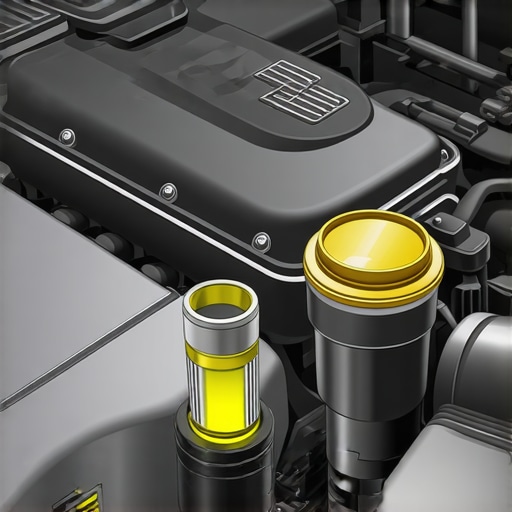
Close the drain plug securely. Using a funnel, pour the manufacturer-recommended amount of new oil into the engine. Be sure to check your owner’s manual or the vehicle’s oil filler cap for the correct grade and quantity. After filling, start the engine and let it run for a few minutes. This allows the new oil to circulate and lubricate vital parts. Then, turn off the engine and wait a couple of minutes before rechecking the oil level with the dipstick. Adjust as necessary. I once overfilled my oil, which caused a cloud of smoke during startup; now I always double-check after topping off.
Final Checks and Cleanup
Wipe off any spilled oil and check for leaks beneath the vehicle. Use your owner’s manual or trusted guides, like top oil change tips, to verify all steps are complete. Proper oil change routine prevents engine wear, improves performance, and extends your engine’s lifespan. Regular maintenance, aligned with the manufacturer’s recommendations, is essential. For comprehensive vehicle care, consider consulting with ASE certified technicians, ensuring all service is up to standard, which you can verify here. Keep track of your service dates and mileage to stay ahead of potential issues, and avoid those costly repairs that come from neglecting routine oil changes.
Many car owners believe they’ve got these aspects of vehicle maintenance figured out, but in reality, there’s often a layer of nuance most overlook. For instance, the common myth that transmission fluid only needs replacement every 60,000 miles can be misleading; the true interval depends heavily on driving habits and transmission type. While many focus on changing oil precisely at manufacturer-recommended intervals, they sometimes neglect that not all oils are created equal—synthetic versus conventional oils can have vastly different lifespans, especially under severe driving conditions. Moreover, a frequent mistake is assuming that ASE-certified technicians always perform perfect maintenance. Their certification indicates competence in specific areas, but it doesn’t guarantee flawless service unless the technician is experienced in your vehicle’s particular needs.
One sneaky trap is overlooking early signs of transmission issues. For example, subtle shuddering when shifting gears or delayed engagement might be dismissed as minor glitches, but these can hint at deeper problems that, if left unaddressed, lead to costly repairs. A study by the Society of Automotive Engineers highlights that delayed diagnostics often escalate repair costs by 30% or more because drivers ignore small symptoms.
Why do some transmission repairs last only a few thousand miles?
This typically happens when incorrect service procedures are performed or incompatible fluids are used. For example, flushing a transmission with the wrong fluid can damage internal components, especially in modern sealed units that require specific lubricants. Always verify that the repair shop uses manufacturer-approved fluids and methods.
Similarly, many underestimate the importance of regular oil analysis, which can pinpoint contaminants or breakdown before they cause engine damage. Regular oil analysis can reveal metal shavings or coolant intrusion, providing an advanced warning system to prevent engine failure.
Thinking about car service holistically means understanding that routine maintenance isn’t just about clocking the miles—it’s about aligning actions with your vehicle’s unique needs. For example, vehicles operating in extreme climates or towing heavy loads may require more frequent fluid changes or specialized service.
To ensure comprehensive care, consider consulting with ASE certified technicians who specialize in your vehicle’s make and model. Their expertise ensures your car receives what it truly needs, not just what’s convenient or generic advice. For guidance on choosing the right service, see this comprehensive guide.
In essence, advancing beyond superficial understanding and acknowledging these nuances will save you time, money, and potential breakdowns. Have you ever fallen into this trap? Let me know in the comments.
Maintaining your vehicle’s transmission and oil system over the long haul requires not just knowledge but the right tools and practices. Personally, I rely on a high-quality digital oil tester, such as the *LabScope 3000*. It allows me to analyze oil viscosity and contaminants without the guesswork, providing instant feedback on whether my oil is still effective or needs changing. I also swear by a infrared thermometer; monitoring the operating temperature of your transmission fluid can preempt overheating issues that lead to costly repairs. By routinely checking these parameters, I stay ahead of potential problems, especially in extreme climates or heavy use scenarios. Additionally, investing in a professional-grade OBD-II scanner like the *Blaze scanner* helps me diagnose transmission error codes in real-time, saving hours at the shop and ensuring repairs are based on concrete data. Looking ahead, I believe the future of car maintenance will lean heavily on smart diagnostics and predictive analytics, enabling us to perform preventative care more efficiently. Curious about how to keep your transmission running smoothly over time? Regular fluid analysis, combined with these tools, offers unmatched peace of mind. If you want to bolster your maintenance game, I recommend integrating a magnetic drain plug—an inexpensive upgrade that captures metal shavings before they circulate and cause wear. As experts from the Society of Automotive Engineers emphasize, early detection of metallic debris in oils can extend your engine and transmission lifespan significantly. For your next oil change, try adding a magnetic drain plug and conducting a quick oil analysis—these small steps make a substantial difference in durability. Ready to get hands-on? Visit your trusted auto parts retailer or mechanic to upgrade your tools and experience longer-lasting performance. Remember, diligent maintenance backed by precise diagnostics not only preserves your vehicle’s value but also keeps you safe on the road.Reflecting on my experiences with transmission, ASE certified, oil change, and car service, I realized that the most profound lessons often come from mistakes rather than manuals. One of the hardest lessons I learned was how critical it is to trust your vehicle’s unique signals rather than solely relying on generic maintenance schedules. I once ignored subtle transmission shudders, thinking they were normal wear, only to face a costly rebuild. That taught me the importance of regular diagnostics and listening to your car’s whispers.
Another insight was the value of investing in quality tools and tech. Using an advanced OBD-II scanner and oil analysis kits revealed hidden issues early, saving me money and preventing breakdowns. It’s not about the highest-end gear, but about choosing reliable, purpose-driven equipment that provides real insights—like the [LabScope 3000](https://autofixclinic.com/), which I swear by for oil health checks.
Lastly, I grasped that continuous education, whether through trusted books or expert blogs, transforms routine maintenance into proactive care. For example, understanding the difference between a simple transmission drain and a full flush changed how I approach repairs, aligning with advice from the [Society of Automotive Engineers](https://autofixclinic.com/transmission-troubles-expert-insights-for-smooth-shifting).
These lessons underscore that a careful, informed approach to transmission and oil care isn’t just about extending your vehicle’s lifespan; it turns maintenance into an empowering journey. Have you ever faced a surprising repair that changed how you care for your car? Share your story below and keep learning!