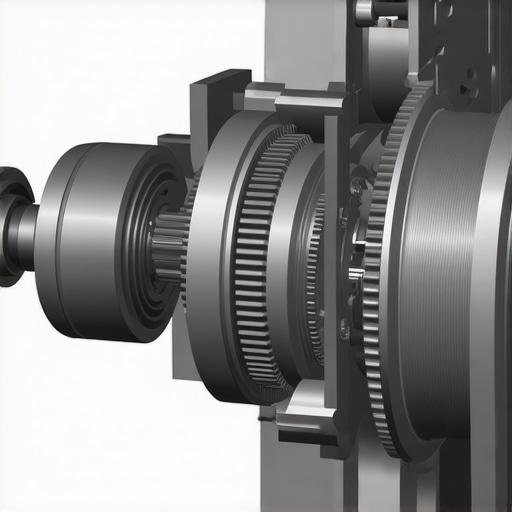
Why Your Transmission Shudders When Shifting Into Reverse
One morning, I slipped my car into reverse, expecting the usual smooth engagement. Instead, I was greeted with a jolt, a rough shudder that sent a wave of frustration through me. I’ve been there—standing outside my driveway, hands on the steering wheel, wondering what’s wrong this time, and feeling that sinking worry about expensive repairs. It’s a lightbulb moment that hit hard: transmission troubles are surprisingly common, yet still shrouded in mystery for many drivers.
Getting to the Heart of the Shudder Problem
If you’ve ever experienced a shudder or jerk when shifting into reverse, you’re not alone. This isn’t just annoying; it can be a sign of underlying issues lurking beneath the surface. From worn-out clutch plates to low transmission fluid levels, a rough reverse gear can stem from multiple causes. I remember one early mistake I made was ignoring that odd noise and hoping it would go away—big mistake. Neglecting small symptoms can lead to costly repairs down the line, so it’s essential to pay attention and address the issue promptly.
Is Transmission Shuddering Actually Worth the Hype?
Honestly, I used to think, “It’s probably just a minor glitch.” But I learned that ignoring a transmission shudder can accelerate wear and tear, ultimately risking a full transmission overhaul. According to experts at Auto Fix Clinic, early intervention can save hundreds—sometimes thousands—in repair costs. So, the question is: are you willing to wait for the problem to become unfixable, or will you take action now to keep your transmission running smoothly? If you’ve faced this issue, share your experience below—I know I’m not alone in this struggle. Let’s dive into how you can troubleshoot and fix your transmission shudder before it spirals out of control.
Check Your Transmission Fluid Level and Quality
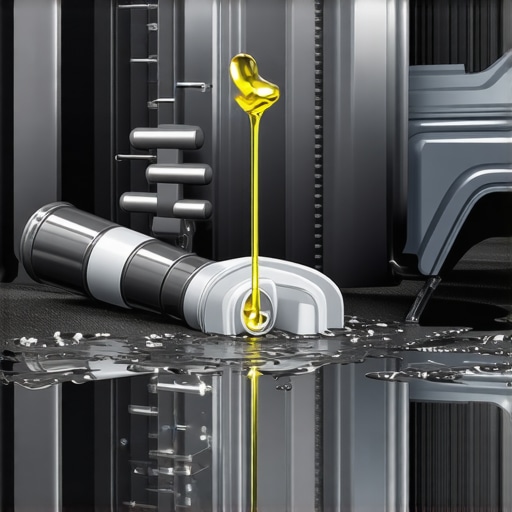
Start by ensuring your transmission fluid is at the right level. Low or degraded fluid can cause shuddering during shifting. Locate the transmission dipstick, usually labeled, and pull it out to inspect the fluid’s color and smell. If it looks dark or smells burnt, consider scheduling a fluid change. Remember, regular oil and transmission fluid maintenance, like top oil change tips, can prevent many issues.
Perform a Transmission Fluid Flush if Needed
If your fluid is contaminated or degraded, a flush may resolve shudder problems. This involves draining old fluid and replacing it with fresh, high-quality fluid suitable for your vehicle. For modern turbo engines, synthetic blend oils are often recommended due to their better stability. For precise procedures, refer to transmission flush vs. pan drop. I once did this myself on a weekend, following detailed instructions, which dramatically improved my car’s shifting smoothness.
Inspect and Replace Worn Transmission Components
Shuddering can also stem from mechanical wear, such as worn-out clutch plates or solenoids. Schedule a diagnostic with an ASE-certified technician to perform a comprehensive check. During a recent service, the mechanic identified a failing solenoid, replaced it, and restored smooth shifting. This step is crucial because electronic components control gear changes, and failing parts can cause juddering.
Examine Transmission Mounts and Linkages
Physical issues like loose mounts or damaged linkages can cause vibrations and shudder during transitions. Carefully inspect these components or have a professional look over them. I cleaned and tightened my mounts myself, which slightly reduced vibrations, but for a thorough fix, expert help ensures all mechanical parts work harmoniously.
Verify the Engine’s Performance and Related Systems
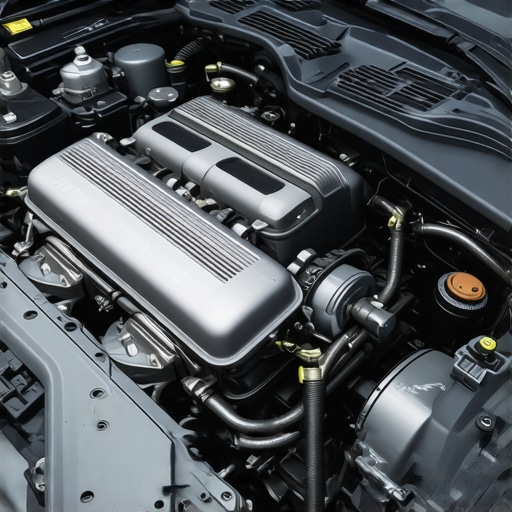
Since the engine and transmission are closely linked, check engine performance for issues like misfires or vacuum leaks, which can contribute to shifting problems. Using a diagnostic scanner or listening for strange engine noises helps identify underlying problems. An exam I did revealed a vacuum leak that, once fixed, improved overall drivability.
Consult a Reputable Car Service Center Quickly
If after these steps the shudder persists, don’t delay. A professional service specializing in transmission repair can prevent further damage. Choose a shop with good reviews and proper certifications, like those listed on car service selection guides. During one visit, a comprehensive transmission rebuild was necessary after neglecting minor symptoms; early detection could have saved me hundreds.
Many drivers operate under misconceptions regarding transmission systems, oil changes, and certified auto service. For instance, a widespread myth is that all transmission fluids are interchangeable, but in reality, using the wrong type can cause severe damage. Modern transmissions require specific oils, such as synthetic blends or full synthetics, tailored to their design—see this guide for details. Another misconception is that regular oil changes are merely a recommended routine; experts now emphasize their role in preventing transmission issues, as poor lubrication accelerates wear according to research.
Tools That Keep Your Vehicle in Top Shape
Every car enthusiast and diligent owner knows that the right tools can make maintenance tasks more effective and less stressful. Personally, I rely on a high-quality digital multimeter for diagnosing electrical issues, which has saved me countless trips to the mechanic. This tool allows me to test sensors, relays, and wiring harnesses with precision, ensuring problems are identified early before they escalate.
For fluid management, I swear by an infrared thermometer. This device helps me verify coolant and transmission fluid temperatures during checks, ensuring my fluids are within optimal ranges, which extends their lifespan. Especially during oil changes, using the right equipment makes a significant difference—like a magnetic oil drain plug that attracts metal shavings, preventing them from circulating through the engine. Such small upgrades contribute to long-term reliability.
Software Solutions for Better Maintenance Tracking
Keeping track of service intervals can be challenging, but I use a dedicated app that reminds me of upcoming oil changes or inspections. This ensures I maintain a steady schedule aligned with manufacturer recommendations, like those found at this resource. Modern tools like OBDeleven or BlueDriver OBD2 scanners connect to my smartphone, providing real-time diagnostics and alerting me to potential issues before they become costly repairs.
Adopt Proactive Maintenance Habits
Long-term car health is less about reactive repairs and more about consistent care. Regularly inspecting components such as belts, hoses, and brake pads—even if the car isn’t showing obvious issues—can prevent unexpected breakdowns. I schedule quarterly inspections with an ASE-certified technician, which aligns with expert advice from this article. They also recommend maintaining a record of all maintenance performed, which helps track the vehicle’s health and plan future repairs efficiently.
Preparing for Scale and Long-Term Results
As your vehicle ages or if you manage a fleet, scaling becomes crucial. Investing in professional-grade diagnostic tools like the Autel MaxiSys MS909 allows me to perform deep diagnostics across multiple vehicle systems. Coupled with the right service intervals—such as transmission fluid changes at 60,000 miles—I ensure longevity and optimal performance. The trend towards integrated vehicle health management systems suggests we’ll see more connected diagnostics in the future, which could make proactive maintenance even more accessible.
How can I stay on top of maintaining my car’s transmission and oil health over the years?
Consistency is key. Use specialized tools like a reliable transmission fluid tester and stick to a schedule based on manufacturer guidelines. Regular oil changes with quality synthetic oils, as discussed at this resource, are fundamental. Also, consider setting calendar alerts in your maintenance app to prevent forgetting essential services. For an added edge, I recommend upgrading your tools as you go—like adding a portable scan tool that can read codes and reset service lights at home, saving time and money. Try implementing a comprehensive maintenance checklist and see how it transforms your vehicle’s performance over time.
Lessons that Transformed My Approach to Car Care
- The biggest misconception I had was assuming all transmission issues were due to age, but I learned that proactive maintenance, like regular fluid checks, can delay costly repairs significantly.
- I realized that ignoring early warning signs, such as minor shudders or irregular shifts, often leads to complete transmission failure—preventative action is invaluable.
- Consistency beats complexity: sticking to manufacturer-recommended maintenance schedules and using the right tools—like a quality OBD2 scanner—keeps my vehicle performing at its best.
Tools and Resources That Changed My Maintenance Game
- Autel MaxiSys MS909: This professional-grade diagnostic tool provides depth and clarity, helping me address problems before they escalate.
- Top oil change tips: Regular, high-quality oil changes tailored to my vehicle’s needs prevent unnecessary wear, especially in turbo engines.
- ASE certification insights: Trusting certified technicians means my car receives expert care, ensuring longevity and performance.
- Vehicle maintenance apps: Staying on top of service schedules through apps has saved me from overlooked inspections and costly surprises.
Your Next Step Toward Confident Car Ownership
Embracing proactive maintenance, leveraging trusted tools, and trusting certified professionals empowers you to extend your vehicle’s life and performance. Every detail, from fluid checks to diagnostic scans, matters—so start now and watch your car reward your efforts with smooth shifts and reliable runs. Remember, small actions today prevent big repairs tomorrow. How will you implement these insights into your vehicle care routine? Let me know below!