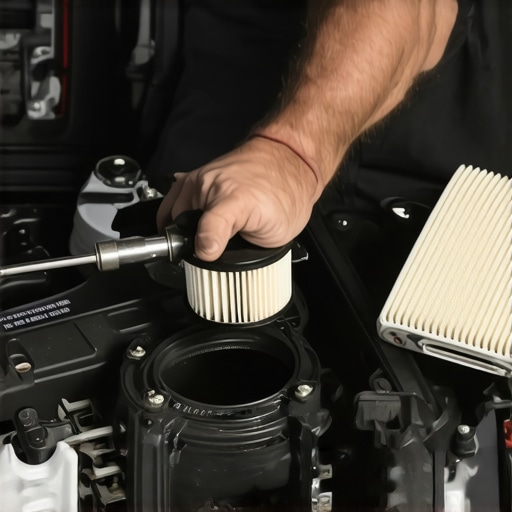
The Danger of Overfilling Your Oil During a DIY Change
It was a tense Saturday afternoon when I realized I’d made a rookie mistake during my latest oil change. As I looked under the hood, I noticed a telltale sign—oil bubbling over the dipstick, more than I’d ever seen before. The engine was humming smoothly, but something didn’t sit right. It hit me: I’d overfilled the engine oil. That moment of panic was a real eye-opener for me—and perhaps for you too. Many DIY enthusiasts believe topping off the oil is better than running low, but stuffing too much oil into your engine can cause serious problems.
Why Overfilling Oil Is More Than Just a Minor Mistake
This isn’t just about a little mess or a quick cleanup. Overfilling your engine with oil can lead to foaming, increased pressure, and damage to critical engine parts. When the oil level exceeds the maximum mark, the excess oil can turn into foam upon engine rotation. Foam compresses differently than liquid oil, leading to inadequate lubrication and increased wear on engine components. Over time, this can cause accelerated engine deterioration or even costly failures.
Early in my DIY journey, I also made the mistake of assuming more oil couldn’t hurt—a common misconception. I even ignored the warning signs, thinking a little extra oil wouldn’t cause issues. But I later learned that overfilled oil can cause oil leaks, pressure buildup, and in worst cases, engine seizing. According to automotive experts, overfilling is an often overlooked cause of engine damage, and it can be just as severe as running the engine with too little oil. Learn more about the importance of proper oil management in why regular oil changes matter.
Is Your DIY Oil Change Actually Safe?
Before you dive into your next oil change, I’d like to ask: have you ever overfilled your engine without realizing it? Trust me, I’ve been there. The key is recognizing the risks early and knowing how to avoid them. In the next sections, I will share the practical steps to ensure your oil change is thorough, safe, and free of dangerous mistakes. By doing so, you’ll keep your engine happy and your wallet intact. Ready to learn how to get it right the first time? Let’s move forward to mastering the art of the perfect oil fill.
Gather Your Supplies and Prepare the Environment
Before you start, ensure your vehicle is parked on a flat, level surface and the engine has cooled down for at least 30 minutes to prevent burns. Gather fresh engine oil of the correct grade recommended for your car, a clean funnel, a clean rag, and a new oil filter if you’ll be replacing it. Having everything within reach minimizes disruptions and prevents accidental spills.
Locate the Oil Fill Cap and Dipstick
Open the hood and identify the oil fill cap—usually marked with an oil can symbol—and the dipstick. My first time, I struggled to find them in the cluttered engine bay, but consulting your owner’s manual or an online guide simplifies this. Proper identification ensures you add oil accurately and check levels effectively.
Drain or Remove Old Oil (If Necessary)
If you’re doing a complete oil change, drain the old oil via the drain plug, then replace the filter. Pouring new oil into a system with residual old oil risks dilution and inconsistent measurements. I learned this the hard way during a roadside repair, which underscored the importance of thoroughness.
Start Filling with the Correct Amount of Oil
Using a funnel, pour oil into the fill port slowly, observing the level on the dipstick after each small addition. In my experience, adding in small increments—about a quarter-quart at a time—prevents overfilling. Always refer to your car’s manual or manufacturer’s specifications for exact quantities.
Check the Oil Level Regularly
Insert the dipstick fully, then pull it out to examine the oil mark. Wipe the dipstick with a clean cloth before re-inserting to get an accurate reading. Repeat this process multiple times during filling to stop when the level reaches the ‘full’ mark. During my first attempt, I overfilled slightly, which caused foam formation; sure enough, I corrected it by removing some oil, illustrating the importance of frequent checks.
Avoid Overfilling During Hot Engine Conditions
If you’re checking oil immediately after running the engine, wait at least 10 minutes for oil to settle. Overfilling in a hot engine can cause inaccurate readings and increase pressure, potentially leading to leaks. I once checked oil right after a drive and mistakenly thought I needed more; patience learned the importance of waiting for proper oil settling.
Finalize with a Proper Inspection
After reaching the correct level, wipe off the dipstick and recheck to confirm accuracy. Tighten the oil fill cap securely and look around the engine bay for any leaks or spills. Clean any excess oil with a rag to prevent dirt attraction and ensure safety. This quick final check saved me from potential messes and underscored the value of thoroughness.
Schedule Regular Oil Checks and Maintenance
Develop a routine to check your engine oil weekly or before long trips. This proactive habit, backed by regular oil changes, ensures optimal engine health and prevents overfill mistakes. When in doubt, consulting a certified ASE technician can provide guidance tailored to your vehicle’s needs. Proper oil management protects your engine and saves costly repairs down the road.
Many car owners operate under misconceptions about vehicle service, often leading to costly mistakes. One widespread myth is that all ASE certification guarantees flawless maintenance; however, while it indicates a technician’s proven competence, actual results depend on experience and honesty. According to industry experts, errors often stem from overgeneralized trust in certifications and not verifying the technician’s reputation or specialization. Another nuance many overlook is the significance of proper transmission care. Drivers frequently believe that simply changing transmission fluid is enough, but neglecting related components or ignoring subtle shifting issues can cause early failure. For instance, delayed engagement or slipping can be symptoms of deeper problems, not just low fluid levels. The trap here is assuming routine fluid replacement is a cure-all, which isn’t always true—sometimes, mechanical issues require advanced diagnostics or component replacements. Regarding oil changes, it’s tempting to extend intervals based on manufacturer recommendations, but recent studies suggest that driving habits and environmental factors greatly influence oil degradation. Skipping regular oil analysis or neglecting to check for metal shavings can lead to engine wear that isn’t immediately apparent. Additionally, many people underestimate the importance of a precise oil level; overfilling or underfilling can both cause significant engine problems. For example, overfilling may result in foaming and reduced lubrication, which accelerates wear—an issue many don’t realize until symptoms appear. Ensuring accurate, regular checks is key, yet some skip this step altogether. So, what are the advanced mistakes that often go unnoticed? One crucial aspect is how improper service practices can cause collateral damage. For example, trying to save money by doing a quick DIY transmission drain without following proper procedures or overlooking the need for a complete system flush can leave deposits that damage valves and sensors. These nuances are supported by recent automotive studies indicating that ecosystems of related components must be serviced comprehensively for long-term reliability. Make sure to leverage expert insights—check out how ASE-certified technicians approach maintenance differently—and avoid common pitfalls. Have you ever fallen into this trap? Let me know in the comments and share your experience. Proper maintenance extends your car’s lifespan and saves money. Visit our contact page if you’d like tailored advice on your specific vehicle’s needs or explore our top oil change tips for safe driving in 2025.
Keep Your Car Running Smoothly with the Right Equipment
Maintaining a vehicle over the long term demands precision and the right tools. I’ve found that investing in quality equipment not only saves money but also prevents costly repairs down the line. A sturdy, reliable digital multimeter is indispensable for diagnosing electrical issues accurately. I personally prefer the Fluke 115 because of its durability and precision, which is crucial when testing sensors or circuits in complex modern vehicles.
For fluid checks, a high-quality oil siphon pump like the Mityvac is invaluable. It allows for clean removal of old oil without creating mess, and it reduces the chance of overfilling or underfilling during oil changes. Using these tools, I can ensure my maintenance sessions are clean, efficient, and accurate.
Effective Software for Diagnostics and Record-Keeping
Beyond physical tools, software plays a significant role. I rely on professional-grade diagnostic scanners that interface seamlessly with my vehicle’s OBD-II port. The Autel MaxiCOM is my go-to because it provides comprehensive diagnostics, including live data and freeze-frame readings. This depth of information helps me identify issues before they become serious problems, embodying proactive maintenance.
Keeping electronic records of all service and repairs using apps like MyCarfax or even a dedicated spreadsheet helps track maintenance intervals, which is critical for aging vehicles. Regular monitoring and historical tracking prevent missing essential oil changes or transmission flushes, which aligns with the advice found in why regular oil changes matter.
How do I maintain my tools and software over time?
To keep your equipment reliable, routine calibration and proper storage are essential. For electronic devices, I recommend doing a regular firmware update, as manufacturers often release patches that improve accuracy and add new features. Store tools in a dry, organized toolbox to prevent damage and misplacement. Personally, I use silica gel packs in my toolbox to control humidity, which prolongs the lifespan of sensitive electronics.
Investing in quality tools isn’t enough; you need to ensure they’re calibrated correctly and stored properly. This prevents errors during diagnostics or fluid exchanges, which saves time and money. As automotive technology advances, tools with connectivity features will become even more critical — staying updated with the latest tech ensures your maintenance remains effective and efficient.
What about future trends in tools and software for car maintenance?
The future points toward more integrated and AI-driven diagnostic systems. Advanced scanner software will increasingly utilize machine learning to predict failures before they manifest, turning maintenance from reactive to preventative. Staying ahead of this curve requires continuous learning and investment in evolving tools. For the dedicated DIYer or professional, embracing these innovations will be key to keeping vehicles reliable and safe.
Try upgrading your diagnostic scanner to the latest model this year. A good starting point is the Autel MaxiCOM because of its versatility and longevity. By doing so, you’ll harness the power of real-time, cloud-based updates that can diagnose even the latest models accurately. If you’re interested in deepening your maintenance skills, consider exploring our comprehensive guide on choosing the right car service for your needs. Proper tools and ongoing learning are the backbone of ‘keeping it working’—a goal every car owner should pursue.
The Surprising Lessons I Learned Beyond the Garage
One of the most impactful lessons I encountered involved realizing that even small mistakes, like overfilling engine oil, can snowball into serious engine issues. I learned that meticulous attention during oil fills isn’t just about cleanliness—it’s about preserving engine longevity. Overfilled oil can create foam, leading to inadequate lubrication and eventual wear that expensive repairs can’t fix. This insight made me reevaluate my entire maintenance routine, emphasizing the importance of precise measurements and regular checks, especially after reading about how overfilling can cause pressure buildup and leaks.
Things That Changed How I Approach Car Maintenance
- Ask the Experts for Certification Verification: I now double-check whether my technician is ASE certified by visiting their official certification proof. It’s a small step that protects your vehicle from basic mistakes.
- Use Diagnostic Software Regularly: Tools like the Autel MaxiCOM have become invaluable, allowing me to catch issues early and avoid costly repairs. It’s become as essential as my oil siphon pump for clean, mess-free oil changes.
- Incorporate Ongoing Education: Reading industry insights, such as the nuances on transmission maintenance at transmission care, keeps my skills sharp and my vehicle’s performance optimal.
Remembering Why I Started and the Road Ahead
My journey into car care was driven by a desire to save money and extend my vehicle’s lifespan, but what truly keeps me motivated is knowing that prudent maintenance choices—like avoiding overfill mistakes—make a real difference. Embracing the latest tools, learning from certified experts, and maintaining a curious mind about every component ensures my cars run smoothly mile after mile. Your own path to expert-level care begins with small, deliberate steps—don’t underestimate the power of consistent, careful maintenance. Keep pushing your knowledge forward, and soon, you’ll find yourself handling even complicated repairs with confidence. How will you refine your oil change routine this week? Let me know below and share your experiences.