The reason your oil looks like coffee grounds on the dipstick
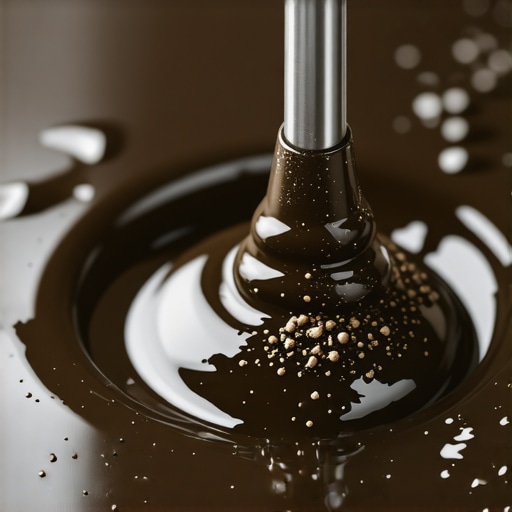
I’ll never forget the cold sweat I broke into back in my early days of wrenching. I was checking the oil on a client’s daily driver, thinking it was a routine job. I pulled the dipstick, wiped it, and stared. It wasn’t oil. It was black, gritty, and looked exactly like the bottom of a cold coffee pot. I’d seen dirty oil before, but this was visceral. I made the specific mistake of thinking a quick flush would fix it, only to realize later I was looking at the aftermath of a catastrophic chemical reaction. That experience taught me that when the reason your oil looks like coffee grounds on the dipstick surfaces, your engine is trying to tell you a very expensive story. Today, we’re going to decode that story so you don’t end up stranded with a seized motor.
That Gritty Mess on Your Dipstick Isn’t Just Dirt
This isn’t just about being overdue for an oil change. When you see those granules, you are likely looking at carbonized oil or a mix of coolant and lubricant that has literally cooked onto your engine internals. This often happens because of extreme heat or because the oil has been left in the crankcase so long it has begun to chemically break down into solids. It’s a massive red flag that your car service routine has fallen behind. I once ignored a small coolant leak, thinking I could just top it off. I ended up with a dipstick that felt like it was dipped in wet sand. If you have been dealing with transmission troubles lately, you know that fluid quality is everything. Engine oil is no different. One surprising fact many drivers miss is that according to the Society of Automotive Engineers (SAE), glycol (antifreeze) contamination in motor oil can increase wear rates by up to 10 times compared to clean oil, leading to that ‘coffee ground’ texture.
Is My Engine Totaled if the Oil Is Gritty?
It is the question I get every time someone sees this: Is it too late? Not necessarily, but the clock is ticking. This grit acts like liquid sandpaper, grinding down your bearings and cylinder walls. If you see this, you need to stop driving immediately. Have you ever pulled your dipstick and felt like you were looking at a science experiment gone wrong? If so, you need to understand what an ASE certification means when choosing a tech to handle this, because a simple flush won’t cut it. We also have to talk about the risk of using stop-leak additives, which can often exacerbate these sludge problems by gumming up the works even further. In the next section, we will walk through the exact diagnostic steps to see if your block is still salvageable.
Kill the Ignition Before the Metal Grinds to a Halt
The moment you feel that grit between your fingers, you have to treat the vehicle as if it is on life support. This is not a wait until the weekend kind of problem. Every rotation of the crankshaft is pushing those coffee grounds into the precision-machined bearings that keep your engine spinning. I remember a specific 2012 sedan that came into my shop years ago. The owner noticed the grit but figured a thirty-mile commute would not hurt. By the time it reached me, the oil pump pickup screen—the literal straw that sucks oil into the engine—was so clogged with carbonized bits that the top end of the engine had starved of oil. The repair bill went from a few hundred dollars for a deep cleaning to a four-thousand-dollar engine replacement. Don’t be that guy. If the oil is gritty, the damage is actively happening.
Check for These Telltale Signs of Internal Contamination
Before you start tearing things apart, you need to play detective. First, look at the volume on the stick. If you notice why your engine oil level is rising without you adding any, you are not just dealing with old oil; you likely have a massive influx of fuel or coolant thinning out the lubricant. This causes the oil to cook into those hard granules. Next, give it a sniff. If the engine bay or the dipstick itself has a sickly sweet scent, it points directly to why your car smells like maple syrup but isnt leaking on the driveway. That smell is ethylene glycol—antifreeze. When that hits hot oil, it creates a chemical sludge that eventually hardens into the grit you are seeing now.

The Mistake of Trusting a Quick Flush
A common knee-jerk reaction is to dump a can of engine flush into the crankcase and hope for the best. I have tried this, and in a high-grit scenario, it is often the nail in the coffin. These chemicals are designed to dissolve soft sludge, but when they hit hard, carbonized coffee grounds, they tend to break large chunks loose all at once. These chunks then travel straight to the smallest passages in your engine, like the oil galleries or variable valve timing solenoids, and plug them up entirely. Instead of a quick fix, you need to consider why regular oil changes extend your cars lifespan as a preventative measure you have already missed. At this stage, the process usually requires dropping the oil pan to physically scrape out the debris and inspect the oil pump screen for blockage.
Why You Need a Pro With an ASE Certification Now
When the problem gets this crunchy, the diagnostic path gets complicated. You have to determine if the grit is a result of a mechanical failure or a chemical one. For instance, is the grit actually tiny metal shavings? If so, you might be looking at how to tell if your transmission slip is mechanical or electronic logic applied to your engine: you need to know if the hardware is physically disintegrating. This is where you need to understand what does an ASE certification mean for your cars maintenance. A certified tech has the tools to perform a used oil analysis, sending a sample to a lab to see exactly what those coffee grounds are made of. Knowing if it is carbon, bearing lead, or silicone can mean the difference between a simple gasket fix and a total loss.
Let’s dig deeper. Most drivers believe that as long as they see that blue patch on a mechanic’s sleeve, their engine is in safe hands. But here is the contrarian truth: ASE certification is a test of fundamental knowledge, not a guarantee of expertise with your specific engine’s proprietary Variable Valve Timing (VVT) quirks. In my years on the floor, I have seen ‘Master Techs’ treat gritty oil as a generic maintenance problem when it was actually a failure of a specific oil-pressure-controlled solenoid unique to that brand. When you are choosing the right car service for your vehicles needs, you have to look beyond the certificate and ask if the tech has specific experience with your vehicle’s platform. The ‘oops’ factor here is assuming a generalist can handle a chemical breakdown that requires deep-system knowledge. A study by the Automotive Service Association (ASA) highlighted that nearly 30% of complex engine misdiagnoses occur because technicians rely on general principles rather than manufacturer-specific diagnostic pathways.
Can high-quality synthetic oil actually reverse this carbonization?
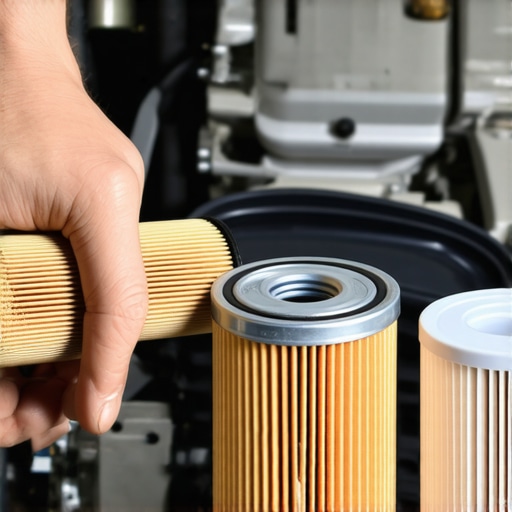
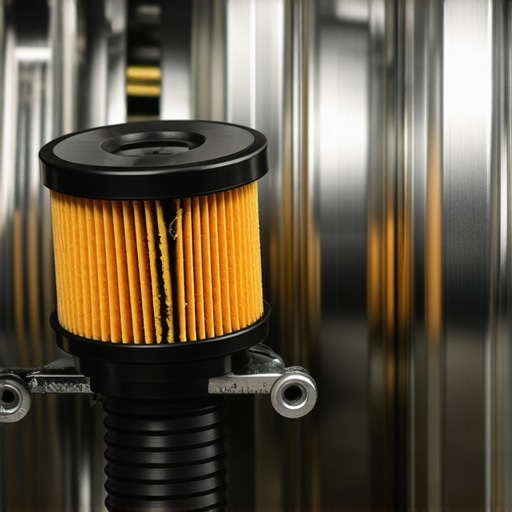
I get this question constantly. People hope that top oil change tips for safe driving in 2025 will include a ‘miracle oil’ that dissolves the grit. In reality, once oil has carbonized into those ‘coffee grounds,’ its chemical bond is permanent. Adding high-detergent synthetic oil to a gritty engine can actually be dangerous. It breaks the grit loose too quickly, which leads us to the biggest hidden nuance: the filter. If you do not know how to spot a counterfeit oil filter before it ruins your turbo, you are playing Russian roulette. Cheap filters collapse under the weight of this debris, bypassing the filtration media entirely and sending the grit straight into your turbocharger’s bearings. This is the hidden cost of using non-oem oil filters on your turbo that most people ignore until it becomes a four-figure mistake.  Understanding what does an ase certification mean for your cars maintenance is about knowing it is a baseline for professional safety, not a substitute for specialized diagnostic precision. Have you ever fallen into the trap of thinking a quick oil change would fix a deeper mechanical sound? Let me know in the comments.Once you have cleared out the carbonized debris, the real work begins. You cannot just go back to your old habits and hope for a different result. If your oil looked like coffee grounds once, the heat cycles or contamination sources that caused it are likely still present. I always tell my clients that a clean dipstick today is no guarantee of a clean engine tomorrow. You need a proactive strategy that treats your vehicle less like a commodity and more like the high-precision machine it is. I have seen too many owners fall right back into the trap of neglecting their why regular oil changes extend your cars lifespan, only to return six months later with the same crunchy mess.
Why Professional Lab Results Beat a Visual Check
To truly get a handle on what is happening inside your block, you need to look past the color of the fluid. I personally use and recommend Blackstone Laboratories for a full Used Oil Analysis (UOA). According to their technical documentation, a UOA can detect trace amounts of wear metals like copper and lead long before they become the grit you feel between your fingers. This is the ultimate insider tip: for about thirty dollars, you get a report that tells you if your bearings are shedding or if your fuel injectors are leaking. This data is far more valuable than any ‘eye test’ a quick-lube tech can give you. When you are choosing the right car service for your vehicles needs, ask if they offer fluid sampling for lab analysis. If they look at you like you are speaking a foreign language, find another shop.
How can I keep my engine clean between services?
The the secret to keeping your engine clean internally between changes is not found in a ‘miracle’ additive bottle; it is found in thermal management and high-quality filtration. If you have been battling transmission troubles alongside engine issues, you probably have a cooling system that is operating at the edge of its capacity. Excessive heat is what cooks oil into carbon. I recommend upgrading to a high-efficiency magnetic drain plug. It catches the microscopic ferrous particles that even the best filters might miss, preventing them from acting as a catalyst for sludge formation. This is a five-minute swap during your next top oil change tips for safe driving in 2025 that pays dividends for years. 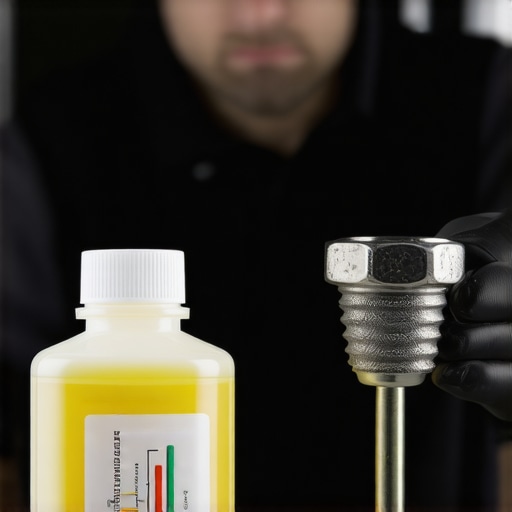
The Specific Tools Every High-Mileage Driver Needs
If you want to move beyond basic maintenance, you need to understand how your mechanic uses a live drive to catch ghost problems in the fuel system. A simple OBD-II scanner is a start, but a tool capable of reading ‘Long Term Fuel Trims’ is what tells you if your engine is running lean and hot—the primary driver of oil carbonization. I predict that within the next five years, we will see real-time oil viscosity sensors becoming standard in entry-level vehicles, but until then, you have to be the sensor. My advanced tip for today: After your next service, perform a ‘blotter test.’ Drop one bead of oil from your dipstick onto a business card and let it sit for an hour. If it forms a distinct, dark outer ring, you have high soot levels or fuel dilution, regardless of what the odometer says. Give this a try and see what your engine is actually hiding from you.
Lessons Bought with a Four Thousand Dollar Repair Bill
In my two decades of turning wrenches, the hardest truth I have had to swallow is that oil doesn’t just get old; it dies. Once it hits its thermal limit, it stops being a lubricant and starts being a sandpaper slurry. I used to think I could outrun a neglected service interval by just ‘babying’ the throttle, but chemistry doesn’t care about your driving style. If you are seeing those grains, your oil has chemically failed. This is why understanding what does an ase certification mean for your cars maintenance is so vital—you need someone who understands the molecular breakdown, not just someone who knows how to pull a drain plug. I have also learned that transmission troubles often follow engine sludge, as the extra heat from a struggling motor puts massive strain on the entire drivetrain.
#IMAGE_PLACEHOLDER_E#
The Essential Tools for Monitoring Your Block’s Pulse
If you want to be the master of your machine rather than its victim, you need a better toolkit than just a rag and a wrench. I trust Blackstone Laboratories for oil analysis because data never lies, even when a dipstick looks ‘okay.’ Additionally, I always recommend a magnetic drain plug to catch early wear particles before they become grit. Finally, never underestimate the power of high-quality filtration. Knowing the secret to keeping your engine clean internally between changes starts with using filters that actually trap sub-micron debris. If you are looking for top oil change tips for safe driving in 2025, start by investing in a quality OBD-II scanner to monitor your oil temperature in real-time. When you are choosing the right car service for your vehicles needs, ask if they perform visual inspections of the old filter media as part of their standard procedure.
Take Control Before the Grit Takes Your Motor
Your engine is a resilient piece of engineering, but it isn’t invincible. The moment you see ‘coffee grounds’ on that stick, you are standing at a crossroads between a simple repair and a total engine loss. Take the proactive route. Refresh your fluids, get a professional diagnosis, and commit to the maintenance that keeps your car on the road for the long haul. Remember that why regular oil changes extend your cars lifespan isn’t just a marketing slogan; it is the fundamental law of mechanical longevity. Have you ever pulled your dipstick only to find something that looked more like a science experiment than motor oil? Let me know in the comments below.